Human Rights in the 21st Century – Progress and Challenges

With rapid advancements and ongoing struggles, understanding human rights in the 21st century is imperative for you as a global citizen. You face a world where significant strides have been made in various areas, yet alarming challenges remain, affecting millions. This post will explore the achievements that have shaped modern human rights, the obstacles that threaten them, and the role you can play in promoting respect and equality for all individuals. Dive in to discover the complexities of this vital subject and how it impacts your life and community.
Historical Context

The journey of human rights has roots that trace back centuries, evolving through social, political, and cultural transformations. You may see that significant milestones have shaped the way societies view individual freedoms and protections. As you explore these developments, understanding their historical context provides a clearer perspective on the challenges and advancements in the domain of human rights today.

Evolution of Human Rights

Above all, the evolution of human rights can be understood as a response to the injustices that individuals have faced throughout history. From ancient codes of law to Enlightenment ideals, you will observe how the concept of human rights emerged to safeguard dignity across cultures and time periods.

Milestones in the 20th Century

Before the 20th century, human rights were largely unrecognized or ignored in many parts of the world. The emergence of international frameworks and documents laid the groundwork for a universal understanding of human rights that you can observe today.

Even as you examine deeper into the milestones of the 20th century, you will find pivotal events that altered the course of human rights activism. The adoption of the Universal Declaration of Human Rights in 1948 marked a momentous point in history, solidifying the belief that everyone is entitled to fundamental rights regardless of their background. Additionally, the civil rights movements and the establishment of international courts highlight your society’s efforts to uphold these principles, addressing injustices that have persisted. As you navigate these milestones, consider how they continue to influence current human rights struggles and advancements around the globe.

Current Progress in Human Rights

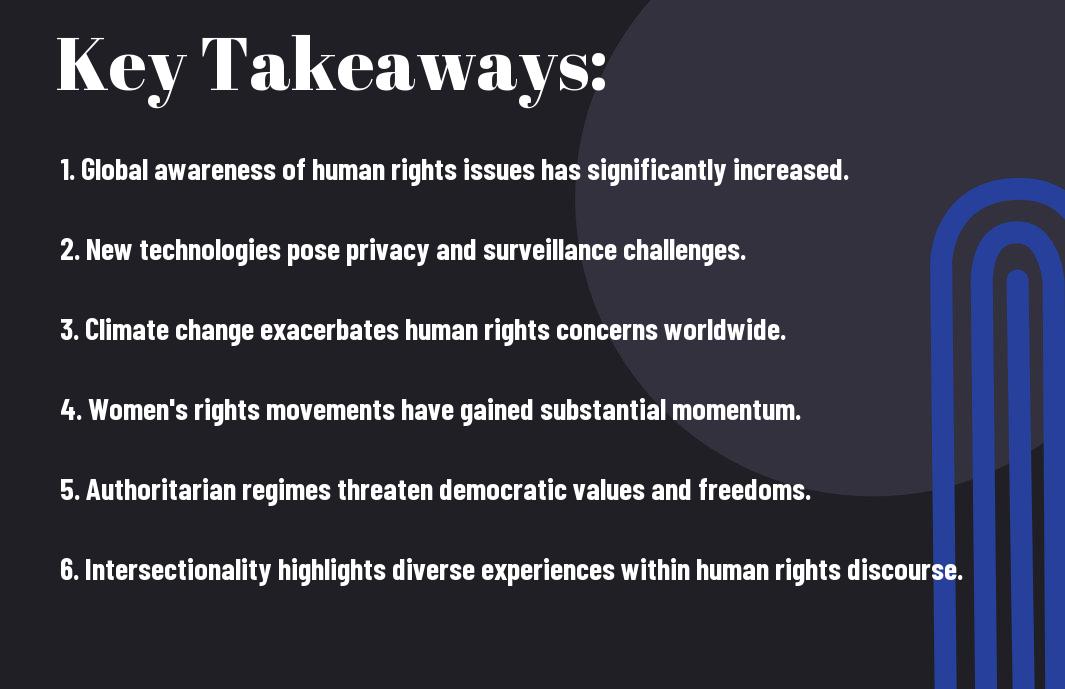
While the journey toward universal human rights is ongoing, notable advancements have been made in various areas. You can witness the collective efforts of nations and organizations striving to promote and protect fundamental rights for all individuals. Grassroots movements have increasingly influenced policy changes, emphasizing the importance of both local and international advocacy in fostering positive developments in human rights standards.

Global Treaties and Agreements

At the international level, numerous treaties and agreements continue to shape the human rights landscape. You benefit from these frameworks, as they establish legally binding commitments that encourage countries to adhere to human rights principles. Through platforms like the United Nations, nations collaborate to address issues like discrimination, torture, and human trafficking, hosting discussions that drive improvements in global accountability.

Advances in Civil Rights and Freedoms

Against a backdrop of historical inequalities, significant strides have been made to enhance civil rights and freedoms worldwide. You may not be aware, but social movements advocating for gender equality, LGBTQ+ rights, and racial justice have gained momentum, leading to legislative reforms and increased awareness. These changes reflect a broader societal recognition of the importance of inclusion and representation in fostering a more equitable and just world.

In fact, the growing visibility of diverse voices in political, social, and economic arenas has contributed to remarkable civil rights achievements. You can observe how legal protections for marginalized groups have expanded, allowing you to advocate for your rights and those of others more effectively. These advances also inspire and empower future generations to stand against discrimination, ensuring that the fight for equality remains a priority as we progress through the 21st century.

Major Challenges Faced

All around the world, human rights are under siege as new and pervasive challenges emerge. From government crackdowns to social inequities, you face a landscape where advocacy and awareness are more important than ever. In this context, understanding the major obstacles is crucial for fostering a culture of respect for rights and freedoms.

Authoritarian Regimes and Repression

Alongside an expanding global focus on human rights, you may notice a worrying trend as authoritarian regimes tighten their grip on power. These governments often employ censorship, surveillance, and violence to silence dissent, impeding your ability to express your views freely or challenge injustice.

Discrimination and Inequality

Behind the facade of progress, issues of discrimination and inequality continue to plague societies across the globe. You might find that marginalized groups, including ethnic minorities and LGBTQ+ individuals, still face systemic barriers that undermine their fundamental rights and opportunities.

Challenges related to discrimination and inequality are pervasive and multifaceted. In your community, you may see that access to education, healthcare, and employment often depends on your race, gender, or socioeconomic background. Such disparities not only hinder personal potential but perpetuate cycles of poverty and disenfranchisement, calling for a concerted effort towards equality and social justice.

The Role of Technology

Unlike previous centuries, technology plays an integral role in shaping human rights discourse today. It serves both as a tool for advocacy and a potential source of abuse. You can harness technology to raise awareness, mobilize support, and document violations, but it also presents challenges that can undermine personal freedoms.

Human Rights in the Digital Age

Around the world, technology has transformed how you engage with and understand human rights. The internet allows for unprecedented access to information, enabling you to stay informed and connected. However, this digital landscape also presents new hurdles, especially regarding the way rights are protected and violated in online spaces.

Surveillance and Privacy Concerns

On the other hand, the proliferation of technology has led to significant surveillance and privacy concerns that directly impact your rights. Governments and corporations increasingly gather vast amounts of personal data, often without your consent. This trend raises important ethical and legal questions about who controls this data and how it is used against you.

A growing body of evidence indicates that excessive surveillance invades your privacy and erodes trust within your communities. As you navigate the digital landscape, you must be aware of the potential implications of your data being monitored. Strengthening your privacy rights and holding governments and companies accountable are necessary steps in ensuring that your personal freedoms are respected and upheld in a technology-driven world.

Activism and Advocacy

Your involvement in activism and advocacy plays a vital role in advancing human rights in the 21st century. With many pressing issues affecting marginalized communities globally, you can contribute toward positive change by raising awareness, volunteering, and supporting grassroots organizations. Whether through participation in campaigns or educational efforts, your voice can amplify the call for justice and equality in your community and beyond.

Grassroots Movements

Below the surface of widely publicized campaigns, grassroots movements focus on community-level engagement, empowering individuals to enact change. These initiatives thrive on local knowledge and collective effort, often bringing together diverse groups united by a common cause. By supporting or joining these movements, you can help mobilize support for key issues and uplift marginalized voices in the fight for human rights.

The Impact of Social Media

Behind the scenes, social media has transformed how advocacy is conducted in the modern age. Platforms like Twitter, Facebook, and Instagram allow you to share information instantaneously, rallying support for human rights causes worldwide. These tools enable grassroots organizations to reach wider audiences and create a sense of urgency around pressing issues.

And as you engage with social media, it’s imperative to recognize its power in elevating marginalized voices and spreading awareness about human rights violations. Campaigns can go viral, inspiring collective action and drawing attention from mainstream media. However, with this reach comes the responsibility to verify information and contribute positively to discussions, ensuring that online activism translates into tangible results for those who need it most.

Future Directions

To effectively navigate the evolving landscape of human rights in the 21st century, you must stay informed about emerging trends and challenges. Advocacy efforts need to adapt to address digital privacy, environmental justice, and intersectionality while ensuring that your voice contributes to a more equitable society. The pursuit of human rights will require not just awareness, but also active participation and commitment from individuals like you.

Emerging Issues

Across the globe, new human rights issues are surfacing, driven by technological advancements, climate change, and shifting social dynamics. You may find that topics such as digital surveillance, artificial intelligence ethics, and the rights of marginalized communities demand greater attention. Engaging with these issues now can help shape a future where human dignity remains a priority.

The Role of Global Cooperation

Below the surface of national efforts lies the necessary role of global cooperation in promoting and protecting human rights. Collaborative frameworks created by countries, organizations, and individuals can amplify your efforts and create a stronger foundation for universal human rights protection.

This type of cooperation not only facilitates the sharing of resources and best practices but also strengthens collective accountability among nations. By working together on international agreements and initiatives, you can contribute to a more stable global environment where human rights can thrive. Engaging in dialogue and partnership empowers your advocacy, connecting you with like-minded individuals and organizations dedicated to promoting human dignity worldwide.

To wrap up

Following this exploration of human rights in the 21st century, you might recognize the significant progress made in various areas, such as gender equality and digital rights. However, you should also be aware of the persistent challenges, including systemic discrimination and the impact of conflicts on vulnerable populations. It is important for you to stay informed and engaged, advocating for the protection and advancement of human rights globally, as each individual’s efforts can contribute to a more equitable future for all.

Stock Market Updates – What Investors Need to Watch

There’s no shortage of factors influencing the stock market, and as an investor, staying informed is important for making well-timed decisions. In this blog post, you’ll discover key updates and trends that could impact your investments. From economic indicators to company earnings reports, understanding what to watch can help you navigate the complexities of the market and optimize your portfolio performance. With your financial interests at stake, let’s investigate what you need to keep an eye on in the ever-evolving stock market landscape.

Current Market Trends

Your understanding of current market trends is necessary for making informed investment decisions. Keeping an eye on these trends can help you identify potential opportunities and risks in your portfolio. Trends may include shifts in consumer behavior, interest rates, and macroeconomic indicators that can influence market sentiment and stock prices. Staying updated will empower you to adapt your investment strategy as needed.

Major Index Performance

For investors, tracking the performance of major indexes like the S&P 500, Dow Jones Industrial Average, and NASDAQ provides valuable insights. These indices reflect market sentiment and overall economic health, helping you gauge how your investments may perform in the prevailing climate.

Sector Analysis

Behind the overall market performance, sector analysis can provide deeper insights into specific industries that may be thriving or struggling. This granular approach allows you to make targeted investment choices based on sector-specific trends, which often outperform or lag behind the broader market.

Major sectors like technology, healthcare, and energy may show distinct performance patterns based on economic indicators and consumer demand. By monitoring these sectors, you can identify which industries are gaining momentum and which may be facing headwinds. This understanding can guide you in reallocating your investments toward sectors poised for growth while minimizing exposure to underperforming areas.

Key Economic Indicators

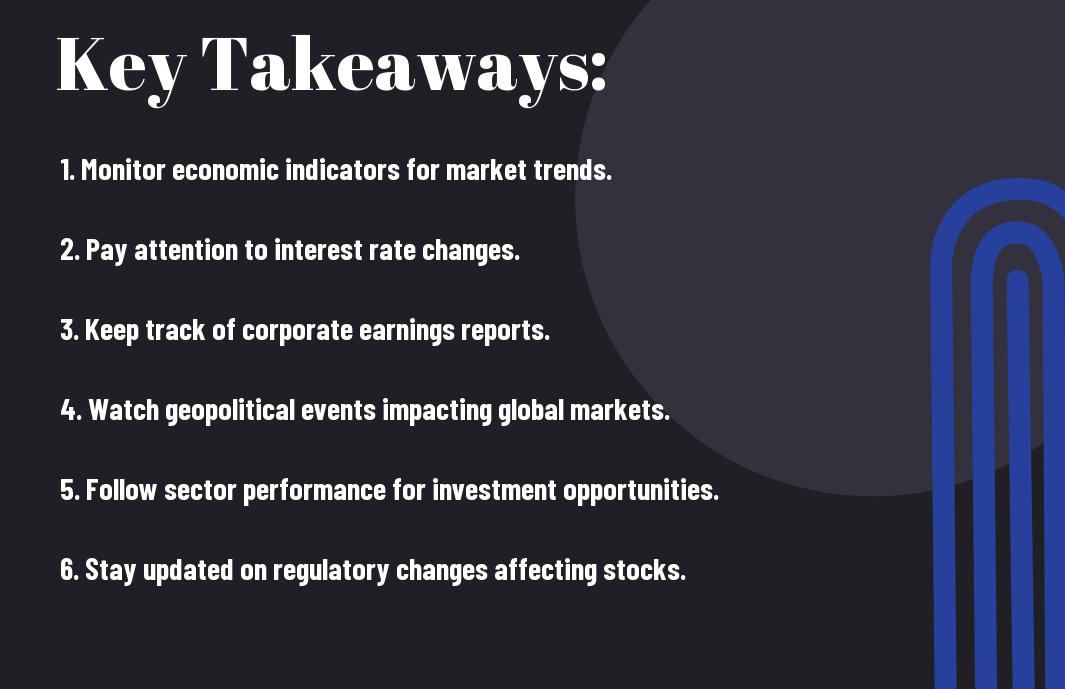
The stock market is heavily influenced by key economic indicators that can provide insights into the overall health of the economy. Monitoring these indicators will help you make informed investment decisions. Pay attention to metrics such as inflation rates, interest rates, and employment data, as they all play a significant role in market performance.

Interest Rates and Inflation

Against this backdrop, you should closely watch interest rates and inflation trends, as they directly affect consumer spending and business investment. When rates rise, borrowing becomes more expensive, potentially slowing economic growth and impacting stock prices. Conversely, lower rates can stimulate growth, presenting opportunities for your investment portfolio.

Employment Data

Above all, employment data offers valuable insights into economic strength. You should pay attention to metrics like the unemployment rate and job creation figures, as these can directly influence consumer confidence and spending habits. A strong labor market typically boosts both economic stability and stock market performance.

Consequently, staying updated on employment data is vital for your investment strategy. A robust job market usually leads to increased consumer spending, which can lift corporate profits and, ultimately, stock prices. Conversely, rising unemployment can signal economic trouble, prompting you to reassess your portfolio and investment approach. Always analyze these trends to better gauge the market’s direction and make timely decisions.

Corporate Earnings Reports

To succeed in the stock market, staying informed about corporate earnings reports is vital, as they provide insights into a company’s financial health and future prospects. These reports can significantly impact stock prices, revealing how well companies are performing compared to analyst expectations. As an investor, you should closely watch these announcements to make informed decisions about your portfolio.

Upcoming Earnings Announcements

Any upcoming earnings announcements can create volatility in the market and present investment opportunities. Monitoring the earnings calendar will help you plan your strategies effectively, allowing you to react promptly to any earnings surprises or trends that may arise.

Notable Earnings Surprises

Among the numerous corporate earnings reports, notable earnings surprises can substantially influence market sentiment and stock movements. It is vital for you to analyze these surprises, as they often indicate changes in a company’s growth trajectory or market positioning.

At times, companies may report earnings that significantly exceed or fall short of analysts’ expectations, leading to rapid stock price changes. These earnings surprises can be indicative of a shift in consumer demand, operational efficiencies, or macroeconomic impacts. By staying attuned to these surprises, you can adjust your investment strategies accordingly and seize potential opportunities for growth within your portfolio.

Geopolitical Factors

Many factors can significantly affect market performance due to geopolitical tensions. Investors should keep an eye on the following:

  • Political instability in key regions
  • International conflicts and their resolutions
  • Election outcomes influencing economic policies
  • Trade negotiations and tariffs

Knowing how these elements interact can provide insights into market trends and investment opportunities.

Global Trade Developments

Developments in global trade can impact various sectors of the economy and influence your investment decisions. Trade agreements or disputes can affect supply chains and market access for companies worldwide. Staying informed about these changes can help you identify potential risks and opportunities in your portfolio.

Regulatory Changes

Beside trade dynamics, regulatory changes play a significant role in shaping market conditions. You should pay close attention to any updates regarding taxation, corporate governance, and environmental laws that may impact your investments.

Indeed, the landscape of regulations can shift rapidly, affecting businesses and sectors differently. Changes in regulations can lead to new operational challenges or open doors for innovation and growth. You should continuously monitor these changes to ensure that your investment strategy aligns with the evolving legal framework, thereby maximizing your potential returns while managing risk effectively.

Investment Strategies

All investors should consider formulating sound investment strategies that align with their financial goals. Understanding various approaches can help you navigate market fluctuations and maximize returns. By selecting the right strategy, you can create a personalized plan that suits your risk tolerance and investment horizon.

Diversification Techniques

Techniques for diversification can enhance your portfolio’s resilience against market volatility. By spreading your investments across different asset classes, sectors, or geographic regions, you can mitigate risk. This strategy ensures that your financial success doesn’t rely on any single investment, providing you with a more stable long-term outcome.

Long-term vs. Short-term Investing

By evaluating long-term and short-term investing strategies, you can better identify what aligns with your financial aspirations. Long-term investing focuses on growth over years, leveraging compound interest. In contrast, short-term investing targets quick gains, often involving higher risk and volatility. Each approach has its merits, depending on your financial objectives and market outlook.

And as you weigh these strategies, consider your personal circumstances and goals. Long-term investing typically suits those seeking wealth accumulation, allowing you time to ride out market fluctuations. On the other hand, short-term investments might appeal to you if you’re looking for quick profits or have specific financial needs in the near future. Ultimately, a balanced approach may serve you best, blending both techniques to optimize your investment potential.

Risks and Considerations

Once again, it’s crucial to evaluate the risks and considerations that come with stock market investments. As an investor, you must stay informed about potential market downturns and company-specific issues that could impact your portfolio. Additionally, navigating macroeconomic factors such as inflation and interest rates can help you make informed decisions and manage your risk more effectively.

Market Volatility

About market volatility, it’s something that can surge unexpectedly, creating uncertainty for you as an investor. Fluctuations in stock prices can be caused by various factors, including geopolitical tensions, economic reports, and investor sentiment. Being prepared for these unpredictable shifts will allow you to make timely adjustments to your investment strategy and potentially safeguard your assets.

Economic Recession Signals

Market indicators often reveal early signs of an economic recession that you should monitor closely. These signals can include declining GDP, rising unemployment rates, and a slowdown in manufacturing or consumer spending. By keeping a vigilant eye on these trends, you can better position your investment portfolio to mitigate losses during a downturn.

Consequently, understanding economic recession signals is vital for managing your investment strategies effectively. As these indicators begin to arise, you may want to reassess your asset allocation and consider diversifying your investments to include more stable options. This proactive approach can help you maintain financial stability and capitalize on potential opportunities even in challenging economic conditions.

Conclusion

Conclusively, staying informed about stock market updates is vital for your investment strategy. You should pay attention to economic indicators, corporate earnings reports, and geopolitical events that can impact market trends. Keeping an eye on these factors allows you to make informed decisions and adjust your portfolio accordingly. Engaging with reliable financial news sources, analysts, and tools can enhance your understanding and ability to respond effectively to market changes.

Cryptocurrency News – Trends and Predictions for 2025

Just as the cryptocurrency landscape continues to evolve, it’s imperative for you to stay informed about emerging trends and predictions for 2025. In this blog post, you will discover key insights into how digital currencies are expected to develop, including advancements in blockchain technology, regulatory shifts, and market dynamics. Understanding these factors will help you make informed decisions and navigate the ever-changing world of cryptocurrency.

Current State of Cryptocurrency

To understand the current state of cryptocurrency, it’s vital to recognize it as a dynamic and evolving financial landscape. As of 2023, the market is characterized by increased institutional adoption, diverse use cases, and regulatory scrutiny across various jurisdictions. You may notice significant movements in market capitalization and trading volume, which indicate growing consumer interest and investment in digital assets.

Market Performance Analysis

To analyze market performance, you should consider the fluctuations in prices and market capitalization of leading cryptocurrencies like Bitcoin and Ethereum. Recent trends suggest that while volatility remains a factor, the overall trajectory has been toward stabilization and gradual growth, demonstrating increased confidence among investors.

Key Players and Innovations

State of cryptocurrency innovation is driven by several key players, including established exchanges and fintech startups. You will find that these entities are constantly pushing the envelope to enhance user experience and improve security protocols in the space.

Plus, the rise of decentralized finance (DeFi) platforms and non-fungible tokens (NFTs) signifies groundbreaking advancements in how you can engage with digital assets. Leading corporations are also investing in blockchain technology, resulting in partnerships and projects that expand the functionality and accessibility of cryptocurrencies. Keeping an eye on these developments will help you navigate the ever-changing landscape this industry presents.

Emerging Trends in Cryptocurrency

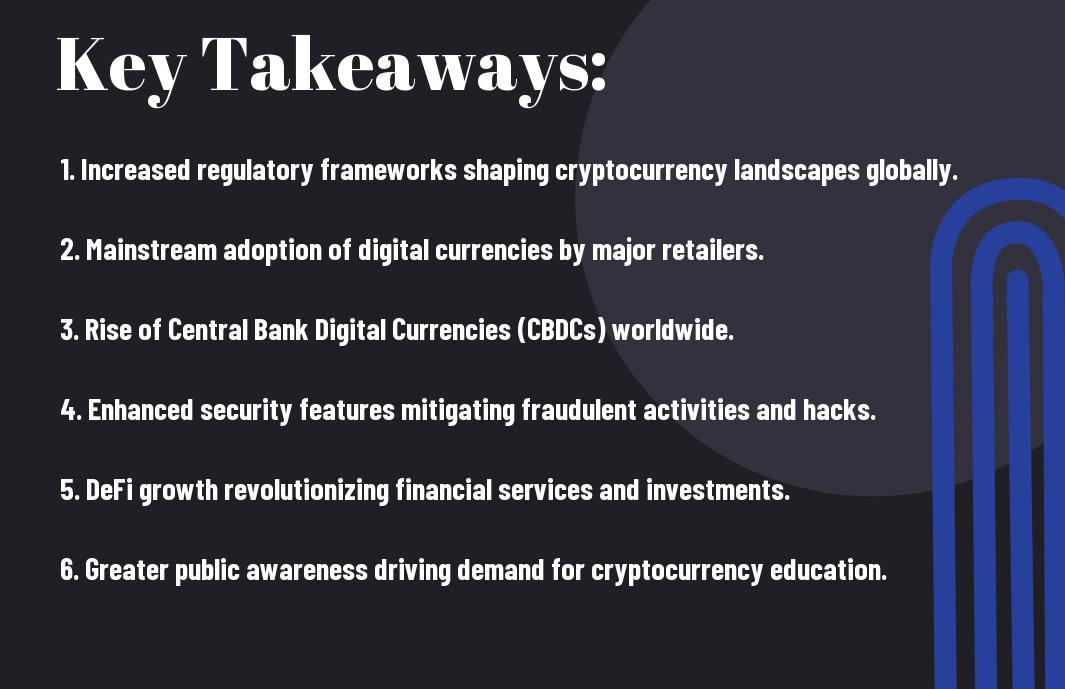
Clearly, the cryptocurrency landscape is evolving rapidly, with several emerging trends expected to shape its future. You may notice the increased integration of cryptocurrencies in everyday transactions, the rise of decentralized finance (DeFi) platforms, and the expansion of non-fungible tokens (NFTs) as key elements driving this change. These trends indicate a growing acceptance and innovative applications of digital currencies, prompting you to stay updated on how they might affect your investment strategies.

Adoption by Institutions

On the institutional front, you are likely to see a surge in big financial players incorporating cryptocurrencies into their portfolios. Major corporations are increasingly accepting cryptocurrencies for transactions, while institutional investors are stepping into Bitcoin and other digital currencies, signaling a profound shift towards mainstream adoption. This trend suggests that the bridge between traditional finance and the crypto world is steadily being built, so you should keep an eye on these developments for potential opportunities.

Regulatory Developments

Adoption of cryptocurrency across various sectors will also hinge on regulatory developments that are expected to shape the landscape in the coming years. As governments worldwide begin to formulate clearer rules, these regulations can provide the necessary framework for secure and transparent crypto transactions.

Plus, you should be prepared for evolving regulations that can impact your crypto investments. Governments are increasingly focused on AML/KYC compliance and tax guidelines, which may affect how you buy, sell, and hold cryptocurrencies. Staying informed on these developments can help you navigate legal implications and risks associated with digital assets in a rapidly changing environment.

Technological Advancements

Keep an eye on the rapidly evolving landscape of technology surrounding cryptocurrencies. Innovations such as decentralized finance (DeFi), improvements in transaction speeds, and security enhancements are reshaping how you interact with digital assets. As more projects emerge, your understanding of these technologies will be key to navigating the future of cryptocurrency effectively.

Blockchain Evolution

About the ongoing evolution of blockchain technology, you should expect significant breakthroughs that enhance interoperability and functionality. Future developments will likely focus on creating more adaptable blockchains that cater to various industries, making it easier for you to adopt and utilize cryptocurrency in your daily life.

Scalability Solutions

Across the cryptocurrency sphere, scalability solutions are necessary for accommodating increasing user demands and transaction volumes. As you engage with various platforms, you’ll benefit from advancements that improve transaction throughput and reduce latency, ultimately enhancing your overall experience.

To address scalability, numerous projects are exploring Layer 2 solutions and sidechains that promote faster, more efficient transactions without sacrificing security. By leveraging these technologies, you can expect smoother interactions with your digital assets and a more robust network capacity that supports the growing demands of the user base. Staying informed about these developments will empower you in making strategically sound decisions as the crypto market evolves.

Predictions for 2025

After analyzing current trends and the evolution of technology, experts project that cryptocurrencies will continue to integrate into everyday financial systems by 2025. You can expect increased institutional adoption, improved regulatory clarity, and enhanced user-friendly platforms, all contributing to a more robust market. This could lead to a growing acceptance of digital currencies in mainstream commerce, fundamentally altering how you engage with money.

Market Value Forecasts

Behind the scenes, analysts are optimistic about the potential market value of cryptocurrencies in 2025. You may see Bitcoin approaching $100,000, alongside significant gains for altcoins as they become more mainstream. This surge could be driven by greater adoption and technological advancements, making digital assets increasingly appealing for your investment portfolio.

Potential Challenges

On the horizon, several challenges could affect your cryptocurrency journey. Regulatory scrutiny, market volatility, and cybersecurity threats remain significant concerns. As you examine deeper into this evolving landscape, it’s crucial to stay informed about these factors and be prepared for fluctuations in value and policy changes.

To navigate these potential challenges, you should consider diversifying your investments and staying updated on legislative developments affecting cryptocurrencies. Engaging in communities or following credible news sources can provide valuable insights, allowing you to adapt your strategies as necessary. Preparing yourself for market fluctuations and unforeseen regulatory measures will be key to maintaining your confidence and success in this dynamic environment.

Social and Economic Impact

For individuals and institutions alike, the rise of cryptocurrency represents a significant shift in the social and economic landscape. As digital assets gain ground, they create new opportunities for financial inclusion, particularly in underserved regions. Moreover, the decentralized nature of cryptocurrencies fosters innovation and resilience in financial transactions, potentially reshaping your understanding of wealth and value in society.

Cryptocurrency in Everyday Transactions

Cryptocurrency is increasingly becoming a viable option for everyday transactions, offering you a fast and secure method of payment. From online shopping to in-store purchases, more businesses are adopting digital currencies, allowing you to enjoy lower fees and increased convenience. This trend enables you to use your digital assets much like traditional money, bringing you one step closer to a cashless society.

Impact on Global Economy

Before you consider investing in cryptocurrency, it’s crucial to understand its potential impact on the global economy. Cryptocurrencies can disrupt traditional financial systems, creating more competition among banks and financial services. They encourage transparency, lower transaction costs, and improved accessibility, all of which have far-reaching implications for global trade and economic growth.

Another important aspect to consider is how cryptocurrencies may influence monetary policy. As more countries explore central bank digital currencies (CBDCs), traditional currency stability may be challenged, prompting policymakers to reassess their approaches. The emergence of digital currencies could create a more interconnected and efficient global economy, reshaping how you engage with finances on both a personal and national level.

Conclusion

With these considerations in mind, you can better navigate the evolving landscape of cryptocurrency as we move towards 2025. Staying informed about emerging trends and expert predictions will empower you to make more strategic decisions regarding your investments and financial strategies. Embracing the potential of blockchain technology and understanding regulatory developments will position you favorably in an increasingly digital economy. Keeping an eye on market dynamics will be key to successfully capitalizing on the opportunities that lie ahead in the cryptocurrency realm.

How Inflation Is Affecting Consumers and Businesses

Most people are starting to feel the impact of inflation on their everyday lives, whether through rising prices at the grocery store or increased costs for services you rely on. As a consumer, you might find your purchasing power shrinking, forcing you to adjust your spending habits. On the other hand, businesses are grappling with higher operating expenses, which can lead to tough decisions about pricing and staffing. In this post, we’ll explore how inflation is reshaping both your personal finances and the business landscape around you.

Understanding Inflation

As you navigate the economic landscape, understanding inflation is important. Inflation refers to the general increase in prices and the corresponding decrease in purchasing power. It can have widespread implications for both consumers and businesses, influencing spending habits, pricing strategies, and overall economic stability.

Definition and Causes

With rising prices impacting your daily expenses, it’s important to grasp the definition and causes of inflation. Factors such as demand exceeding supply, increases in production costs, and monetary policy decisions contribute to this economic phenomenon. When more money chases fewer goods, prices tend to rise, affecting your purchasing capacity.

Historical Context

The historical context of inflation reveals its patterns and effects over time. You might find it interesting to note that periods of high inflation, like in the 1970s, often coincide with economic events like oil crises and supply shocks. These instances serve as reminders of how interconnected global events can influence prices domestically.

Plus, examining the various inflationary periods can provide insight into how policy responses have evolved. For example, in the wake of hyperinflation in countries like Germany during the 1920s, governments implemented measures to stabilize their economies. Such historical lessons can aid in understanding current inflation dynamics and their potential impact on your financial decision-making.

Impact on Consumers

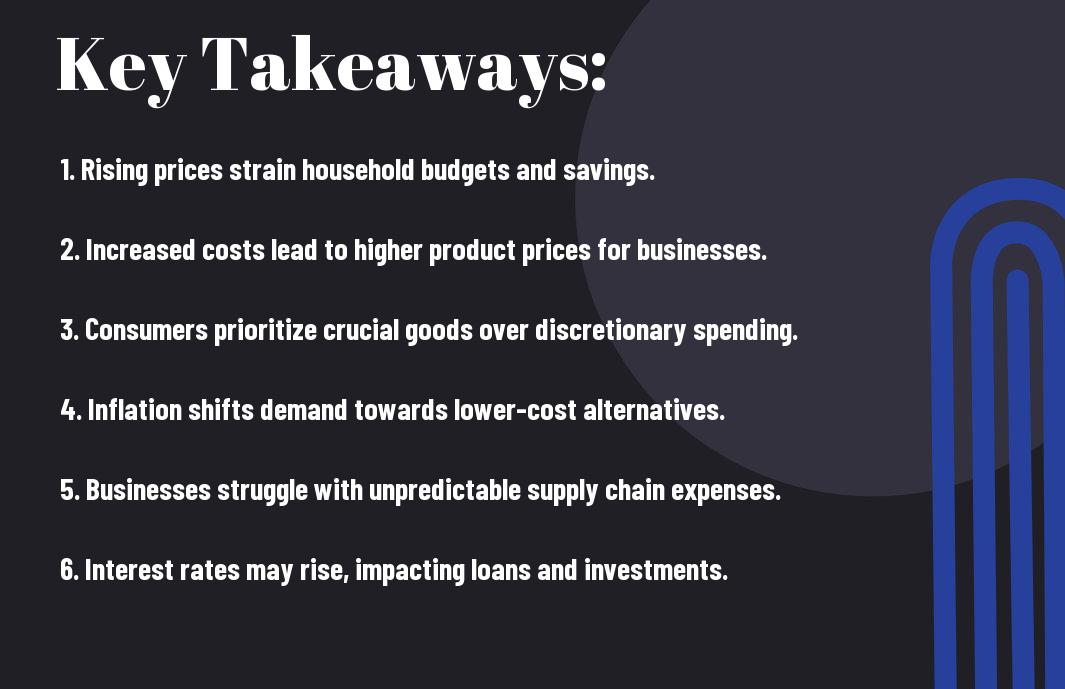
Even in times of rising inflation, many consumers find their wallets feeling lighter, impacting their everyday spending. You may have noticed that vital goods and services have become more expensive, leading to potential adjustments in your budgeting. The increased cost of living forces you to make difficult choices, affecting not just your purchasing decisions but your overall lifestyle.

Purchasing Power

Purchasing power reflects the quantity of goods and services you can buy with your income. As inflation rises, you may find that your earnings do not stretch as far as they once did. Essential items, from groceries to gas, may consume a larger portion of your budget, reducing your financial flexibility.

Changes in Consumer Behavior

Along with decreased purchasing power, inflation prompts shifts in your consumer behavior. You might begin prioritizing vital purchases over discretionary spending or seeking alternatives to more expensive brands. This change in behavior reflects your need to adapt to a tightening financial landscape.

Consequently, you may start looking for discounts, using coupons, or exploring second-hand options to save money. This shift indicates a more critical approach to spending; you might become more conscious of your financial habits, even considering delaying large purchases or cutting back on non-vital items. As inflation affects your choices, you are likely to adapt by being more resourceful, ultimately influencing market trends and consumer demand in significant ways.

Impact on Businesses

Keep in mind that inflation poses significant challenges for businesses, impacting everything from operational costs to consumer demand. As prices rise, companies must navigate an increasingly complex landscape to maintain profitability while meeting customer expectations. This pressure can lead to difficult decisions regarding budget allocations, employee wages, and investment in innovation.

Cost Increases

To effectively manage rising costs due to inflation, businesses are faced with the need to assess their supply chain and operational expenditures. Increases in raw material prices, labor costs, and transportation can strain budgets, prompting you to find efficiencies or alternative suppliers to mitigate these changes. Keeping a close eye on these factors will help safeguard your bottom line.

Pricing Strategies

Across various industries, companies are reevaluating their pricing strategies to cope with inflation. You may encounter adjustments to product pricing, which can either take the form of gradual increases or more immediate hikes depending on market conditions and consumer tolerance. The goal is to ensure that your business remains competitive while covering increased operational costs.

Further, you may find that adopting a flexible pricing model can be beneficial in navigating inflationary pressures. This may involve tiered pricing, promotional discounts, or loyalty programs that encourage repeat business while balancing higher costs. By transparently communicating these changes to your customers, you can foster trust and understanding, ultimately aiming to preserve your customer base while adapting to evolving market conditions.

Inflation and Employment

Despite the fluctuating economic landscape due to inflation, you may find that employment rates can be influenced both positively and negatively. As businesses adapt to rising costs, they may either cut jobs or seek new talent to remain competitive. Understanding this complex relationship is necessary for navigating your professional landscape amid inflationary pressures.

Job Market Trends

An analysis of current job market trends reveals mixed signals. While some industries experience layoffs due to tighter margins, others see an increase in hiring as companies invest in growth. Staying informed about these trends can help you position yourself effectively within a dynamic job market.

Wages and Salary Adjustments

Among the significant concerns for workers amid rising inflation are the adjustments in wages and salaries. As the cost of living increases, you may find that employers are under pressure to enhance compensation to attract and retain talent.

The challenge you face is that while some businesses may raise wages to keep pace with inflation, others might struggle to maintain profitability. Consequently, you might notice a disparity in salary adjustments across different sectors. Being proactive in assessing your skills and negotiating your compensation can enhance your financial stability during these unpredictable times.

Government Responses to Inflation

Your understanding of inflation is incomplete without recognizing the government’s responses to this economic challenge. Governments employ various tools aimed at stabilizing prices and supporting consumers and businesses alike during inflationary periods. These responses can significantly influence your financial landscape, impacting everything from your purchasing power to business operations.

Monetary Policy Measures

Any effective monetary policy measures involve adjustments made by central banks to control the money supply and interest rates. By increasing interest rates, the central bank can help curb excessive borrowing and spending, which often contribute to inflation. You may notice higher loan costs as a result, which can affect your financial decisions in both personal and business contexts.

Fiscal Policy Responses

Alongside monetary policy, fiscal policy responses also play a vital role in managing inflation. Governments can alter spending and tax policies to influence economic activity, aiming to either stimulate the economy or cool it down as needed.

Inflation can compel governments to adopt various fiscal policies, such as increasing public spending on imperative services and infrastructure or implementing tax cuts to bolster consumer spending. These measures are designed to alleviate the financial burden on you and support economic stability. By enhancing public investment or providing targeted relief, the government aims to create a balanced environment where both consumers and businesses can thrive, even amid rising prices.

Future Outlook

For many consumers and businesses, the future presents a mix of uncertainty and potential opportunity in light of current inflation trends. As you navigate these changes, staying informed about economic forecasts can help you make more strategic financial decisions. Understanding how the inflation landscape may evolve will be necessary for managing your expenditures and investments effectively.

Predictions for Inflation

Outlook suggests that inflation rates may stabilize in the coming months, but varying factors, such as geopolitical events and supply chain dynamics, could influence future trends. By keeping an eye on these indicators, you can better plan your budget and adapt to any shifts in purchasing power.

Long-Term Effects on the Economy

Among the potential long-term effects of inflation on the economy is a shift in consumer behavior and business investment strategies. As inflation impacts your disposable income, you may adjust your spending habits, prioritizing necessary goods over discretionary items.

And as inflation persists, you might see businesses shift toward automation and efficiency to manage rising costs. This transformation can lead to job restructuring and changes in labor demands. Additionally, you may find that high inflation can erode savings, prompting individuals to seek alternative investment strategies to maintain their wealth over time.

Final Words

As a reminder, inflation impacts both you as a consumer and your business in various ways. Rising prices can diminish your purchasing power, forcing you to adjust your spending habits while also increasing operational costs for businesses. This can lead to higher prices for goods and services, affecting your overall financial well-being. Staying informed about inflation trends and adapting your strategies can help you navigate these challenges effectively, ensuring that you remain resilient in an ever-changing economic landscape.

The Future of Remote Work – Latest Business Trends

Working in a remote environment has transformed the way you engage with colleagues and manage your responsibilities. As businesses adapt to this new norm, understanding the latest trends will help you navigate the evolving landscape of remote work effectively. From flexible schedules to enhanced technology solutions, you’ll discover how these developments can boost productivity and improve your work-life balance. This post will explore the future of remote work and the strategies you can implement to stay ahead in your professional journey.

Evolution of Remote Work

Before the pandemic accelerated the remote work phenomenon, many businesses saw it as a temporary solution. However, this shift has now transformed into a sustainable business model, reshaping workplaces and employer-employee dynamics. As technology continues to evolve, you may find yourself adjusting to new tools and practices that enhance productivity and collaboration from anywhere in the world.

Historical Perspective

Perspective shifts are critical in understanding how remote work began. Initially, it was a rarity, primarily utilized by freelancers and select tech-savvy companies. Telecommuting options emerged in the 1990s, but it took until the late 2000s for companies to recognize its potential benefits, setting the stage for the widespread acceptance you see today.

Current Trends

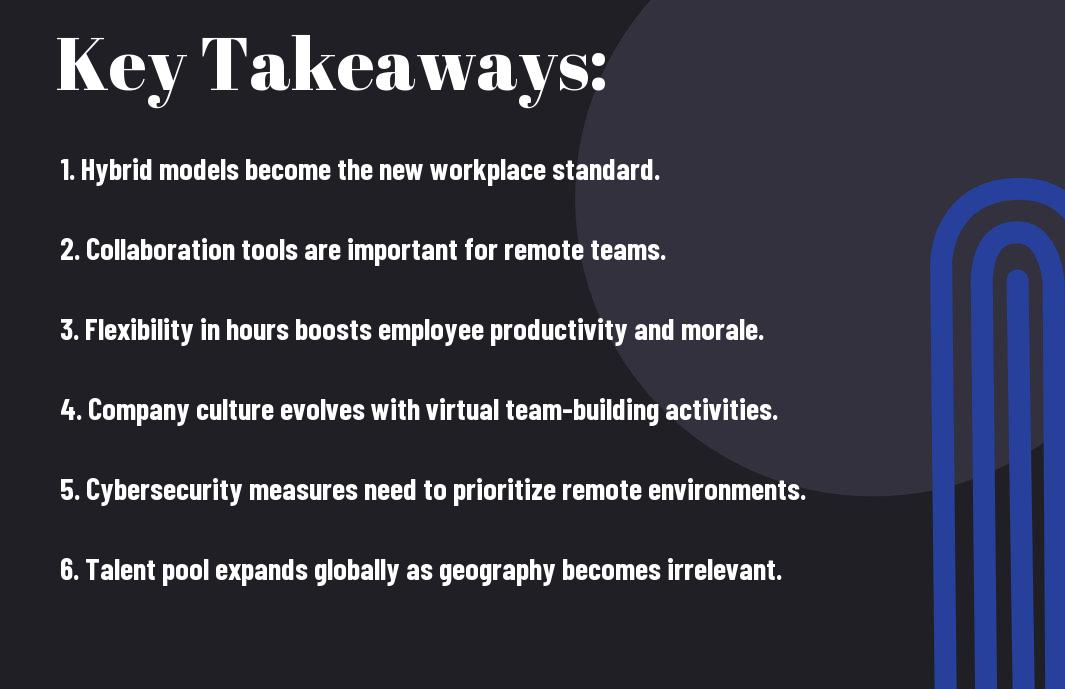
With the adoption of remote work becoming mainstream, you can observe trends such as hybrid work models gaining popularity. Many organizations now offer flexible schedules, allowing you to balance your personal and professional life better than ever. Moreover, advancements in technology have made virtual collaboration seamless, ensuring you stay connected regardless of your location.

Historical data indicates that remote work is not a passing trend, but rather a fundamental shift in how businesses operate. You may notice that companies are investing heavily in digital infrastructure to support ongoing remote capabilities. Additionally, employee well-being and work-life balance are increasingly prioritized areas, as businesses recognize that satisfied employees contribute to greater productivity and innovation.

Technology’s Role in Remote Work

Any successful remote work strategy depends heavily on technology. With a growing reliance on digital solutions, you find that collaboration, communication, and productivity are significantly enhanced through various tools and software. As remote work becomes the norm, understanding how to leverage technology effectively can empower your team and streamline workflows, ensuring you remain competitive in this evolving landscape.

Essential Tools and Platforms

Essential tools and platforms for remote work include communication applications like Slack or Microsoft Teams, project management software such as Trello or Asana, and video conferencing solutions like Zoom. By integrating these technologies into your routine, you facilitate seamless collaboration and keep your team aligned, regardless of their physical location.

Emerging Technologies

Along with established tools, emerging technologies are shaping the remote work landscape. Innovations like artificial intelligence, virtual reality, and blockchain are not only enhancing communication but also expanding possibilities for virtual collaboration and data security. Understanding these technologies allows you to harness their potential, giving your remote operations a distinct edge.

It is necessary to stay informed about innovations in AI, such as chatbots that can streamline customer service, and virtual reality platforms that create immersive meeting environments. Additionally, blockchain technology enhances data security, ensuring your information remains protected during remote collaborations. By integrating these emerging technologies into your remote work strategy, you can enhance efficiency and foster a more dynamic, interconnected workplace, ultimately driving business success in a digital-first world.

Impact on Employee Well-Being

After the shift to remote work, employee well-being has gained considerable attention, highlighting the need for businesses to support individual health. Remote setups can both improve and hinder well-being, depending on how organizations address the evolving needs of their workforce. As you navigate this new landscape, you must consider how policies and practices can enhance your overall health and satisfaction.

Work-Life Balance

With flexible work hours and reduced commute times, many find themselves better able to manage their personal and professional responsibilities. This newfound balance can lead to increased job satisfaction and productivity. However, it is imperative that you set clear boundaries to prevent work from encroaching on your personal time, ensuring you maintain a healthy lifestyle.

Mental Health Considerations

Behind the scenes, remote work can bring about feelings of isolation and stress, which can negatively impact mental health. As you adapt to this mode of working, it is vital to prioritize your well-being by fostering connections and seeking support when needed.

Another aspect to consider is the impact of isolation on your mental health. The absence of daily in-person interactions can lead to feelings of loneliness, which may hinder your productivity and overall morale. Establishing regular virtual check-ins with your colleagues and prioritizing time for social interactions can mitigate these feelings. Additionally, implementing routines that include breaks and self-care activities will contribute positively to your mental well-being, allowing you to thrive in a remote working environment.

Business Productivity and Remote Work

Many organizations have discovered that remote work can significantly enhance productivity. You benefit from increased flexibility in your work environment, enabling you to focus and manage your time more efficiently. With the right tools and strategies in place, your team can collaborate seamlessly, maintain high levels of engagement, and achieve goals more effectively, leading to overall business success.

Measuring Performance

By establishing clear performance metrics, you can effectively evaluate your remote team’s productivity. Regular check-ins, goal tracking, and performance reviews tailored to remote work can provide valuable insights into how your team is performing. Utilizing project management tools can help you assess productivity trends, identify areas for improvement, and ensure that everyone remains accountable in their roles.

Best Practices for Companies

An imperative aspect of maintaining productivity in remote work is implementing best practices that foster effective communication and collaboration. You should encourage regular updates, create a structured yet flexible work schedule, and invest in technology that facilitates teamwork. Providing training on remote work tools and setting clear expectations can enhance your team’s performance, leading to an efficient workflow.

Further, it is important to prioritize employee well-being and work-life balance as part of your remote work strategy. Regularly engaging with your team can build trust and foster an inclusive culture. Implementing virtual team-building activities and offering mental health resources can help maintain morale. By focusing on these best practices, you’ll cultivate an environment that promotes not only productivity but also employee satisfaction and retention.

Challenges of Remote Work

To navigate the evolving landscape of remote work, you must acknowledge the inherent challenges that come with it. From communication hurdles to security risks, these obstacles can impact productivity and overall team cohesion. As you adapt to remote work, understanding these challenges will help you implement effective strategies for success.

Communication Barriers

Against a backdrop of screen-based interactions, communication barriers can arise within remote teams. Without face-to-face conversations, nuances may be lost, leading to misunderstandings. You may find that fostering clear communication is vital, requiring you to utilize the right tools and establish guidelines to ensure that information flows smoothly.

Security Concerns

Between remote access and cloud services, security concerns present a significant challenge. Protecting sensitive data in a remote environment requires heightened awareness and robust practices. You need to be vigilant in assessing potential vulnerabilities and understanding the tools at your disposal to safeguard your work and communications.

At the heart of security concerns is the need for a comprehensive approach that encompasses both technology and employee awareness. You should invest in secure software solutions, conduct regular training sessions on cybersecurity, and establish clear protocols for data handling. By prioritizing security in your remote work strategies, you can mitigate risks and protect your business from potential breaches and disruptions.

The Future Landscape of Remote Work

Your understanding of the future of remote work is vital as organizations continue to adapt to a changing environment. As technology advances and employee expectations evolve, companies will face new challenges and opportunities in creating effective remote work cultures. The landscape promises to shift, with a blend of innovation and flexibility at its core, shaping the way you engage with your team and balance work-life integration.

Predictions and Emerging Trends

Emerging trends in remote work indicate a growing reliance on advanced technologies, like AI and automation, to enhance productivity and collaboration. You’ll likely see organizations embracing flexible work hours, which cater to your individual productivity peaks and improving employee satisfaction. As remote work becomes more ingrained in business culture, the focus will also shift towards mental health and work-life harmony, enabling you to maintain a healthy balance while achieving your goals.

Hybrid Work Models

By embracing hybrid work models, companies can offer you the flexibility to work from home or the office, depending on your preferences and needs. This approach creates a more adaptable work environment that can drive productivity and employee satisfaction. As remote work continues to rise, hybrid models will likely become the norm for organizations, enabling them to cater to diverse workforce needs while leveraging the benefits of both in-person and remote engagement.

Predictions for hybrid work models suggest a blend of in-office and remote practices will become standard, promoting collaboration without sacrificing personal comfort. Companies may implement technology that facilitates seamless communication and project management, allowing you to easily transition between environments. This evolution means that you will have increased control over how and where you work, optimizing your performance while maintaining a sense of community with your colleagues. As organizations evaluate and refine their hybrid strategies, your experience will play a significant role in shaping the future of work.

Summing up

Ultimately, as you navigate the evolving landscape of remote work, it’s crucial to stay informed about the latest trends shaping your business environment. Embracing flexibility, technology, and a focus on employee well-being will empower you to adapt and thrive in this new paradigm. By fostering a culture that prioritizes collaboration and innovation, you can position your organization for success in a future where remote work is not only viable but crucial. Stay proactive, and you’ll be prepared to turn challenges into opportunities that benefit both you and your team.

Startup Success Stories – How Entrepreneurs Are Thriving

Over the past decade, entrepreneurial spirit has soared, leading to remarkable success stories from innovative thinkers like you. As you navigate the complex world of startups, you’ll discover valuable lessons from those who have turned their ideas into thriving businesses. This blog post will investigate into inspiring examples of entrepreneurs who have overcome challenges and achieved extraordinary growth, providing insights that can fuel your own journey. By learning from their experiences, you can better understand the strategies that contribute to success in the competitive startup landscape.

The Landscape of Entrepreneurship

For aspiring entrepreneurs, understanding the landscape of entrepreneurship is vital for navigating today’s dynamic market. As you launch on your journey, you’ll find an ecosystem that fosters innovation, collaboration, and agility. With technological advancements and shifting consumer preferences, the entrepreneurial environment presents endless opportunities for those willing to adapt and evolve.

Trends in Startup Growth

Landscape analysis of startup growth reveals a notable shift towards remote work models and digital solutions. As consumer habits evolve, the demand for technology-driven products and services is expanding. You have the chance to capitalize on these trends by aligning your business goals with emerging market needs.

Key Industries Leading the Charge

On the forefront of entrepreneurship, industries like health tech, fintech, and e-commerce are leading the charge in innovation and investment. Your focus on these sectors can help position your startup for success, as they are experiencing rapid growth and responding effectively to consumer demands.

Plus, these industries not only attract significant venture capital but also offer a fertile ground for creative ideas. By immersing yourself in health tech, fintech, or e-commerce-focused projects, you can leverage data-driven insights and technological advancements. This alignment with industry trends will enhance your startup’s potential, giving you a competitive edge in a crowded market while fulfilling real consumer needs.

Inspiring Case Studies

Some remarkable entrepreneurs have achieved outstanding success, showcasing the potential of innovative ideas in various industries. Here are a few inspiring case studies:

  • Zoom: Grew from 0 to 300 million daily participants in just over seven years.
  • Airbnb: Started with just $20,000 in funding, now valued at over $75 billion.
  • SpaceX: Became the first privately-funded company to reach orbit with a valuation exceeding $137 billion.
  • Slack: Went from a small gaming company to a $23 billion IPO in just five years.
  • Beyond Meat: Achieved a market valuation of nearly $4 billion less than a year post-IPO.

Tech Innovations

Before stepping into the world of tech innovations, realize that they are driving forces behind successful startups. Many entrepreneurs leverage cutting-edge technologies, such as artificial intelligence and blockchain, to create solutions that disrupt traditional sectors and enhance user experiences. Your attention to emerging trends can elevate your startup to new heights.

Social Enterprises

With a rising emphasis on social impact, social enterprises are blending profit with purpose to create value for communities. By tackling issues like poverty, inequality, and environmental degradation, these businesses not only generate revenue but also foster positive change. You have the opportunity to contribute to a greater good while ensuring your venture remains financially sustainable.

Social enterprises like TOMS and Warby Parker are excellent examples of how you can integrate social missions into your business model. TOMS has donated over 100 million pairs of shoes and promotes fairness in product supply chains. Warby Parker, on the other hand, provides a pair of glasses to someone in need for every pair sold. This dual-focus on profit and social responsibility has gained considerable traction, attracting consumers who value conscious spending. By prioritizing social impact alongside your business goals, you can create a meaningful and profitable enterprise.

Challenges Faced by Entrepreneurs

To succeed in the competitive world of entrepreneurship, you must navigate a myriad of challenges that can impede your progress. From securing funding to establishing a market presence, these hurdles test your resilience and adaptability. Understanding these obstacles is imperative for creating effective strategies that lead to success, enabling you to thrive in your entrepreneurial journey.

Financial Obstacles

Any entrepreneur knows that securing adequate funding is often one of the most significant barriers to starting and growing a business. Limited access to capital can restrict your ability to invest in necessary resources, hire talent, and scale operations. It’s important to explore various funding options, such as loans, investors, or crowdfunding, to alleviate these financial pressures.

Market Competition

Entrepreneurs face intense market competition, which can stunt your growth if you do not differentiate your product or service effectively. It’s imperative to conduct thorough market research to understand your competitors and identify gaps that your business can fill. By developing a unique value proposition and leveraging marketing strategies, you can position your startup as a viable player in a crowded market.

To thrive amidst market competition, you must continuously innovate and adapt to changing consumer preferences. Monitor your competitors closely, learning from their successes and failures to refine your approach. Building strong relationships with your customers and actively seeking feedback can also provide insights that help you stay ahead, ensuring that your offerings meet their evolving needs. By staying agile and responsive, you can carve out a niche in the marketplace, ultimately leading to sustained growth and success.

Essential Skills for Success

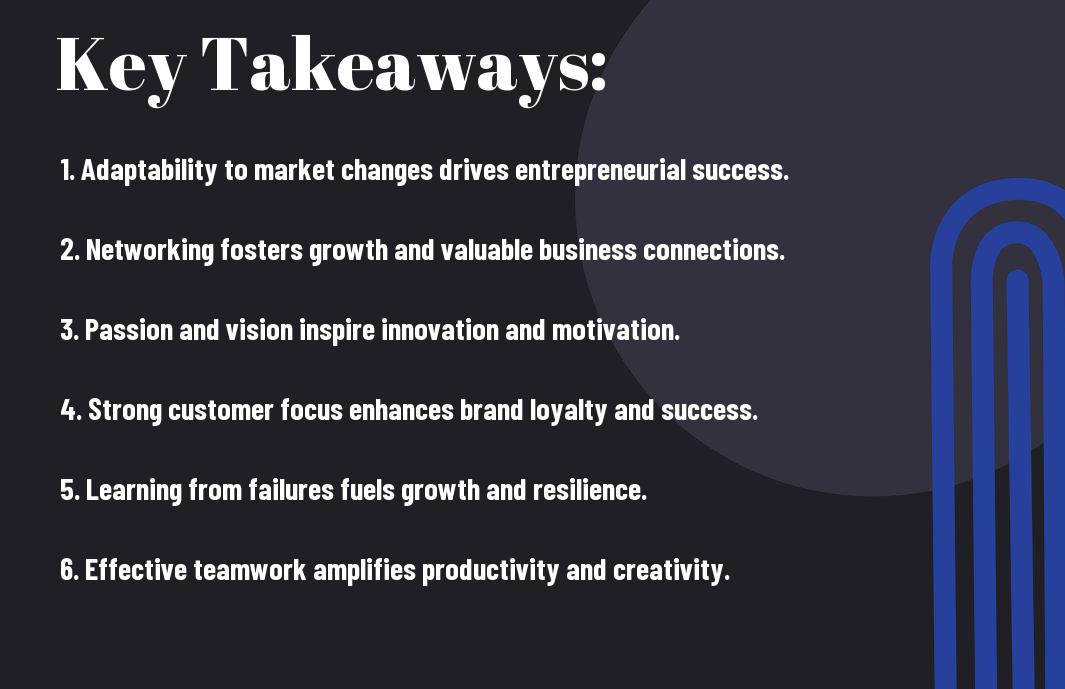
Unlike traditional corporate paths, startup success demands a diverse skill set that includes adaptability, resilience, and a strong understanding of your market. Entrepreneurs thrive when they embrace a learning mindset, continuously honing their abilities in areas like leadership, marketing, and financial management. By focusing on these necessary skills, you position yourself to navigate the challenges of building a business while seizing opportunities for growth and innovation.

Leadership and Team Building

About cultivating a strong team that aligns with your vision is necessary for any entrepreneur. Effective leadership not only inspires your team but also fosters an environment where collaboration and creativity can flourish. You must develop communication skills that encourage open dialogue and trust within your team, thus enhancing productivity and results.

Marketing and Sales Strategies

Along your entrepreneurial journey, implementing effective marketing and sales strategies is vital for driving growth. You must understand your target audience and create tailored messages that resonate with them. This approach will not only help you attract customers but also foster loyalty and advocacy, necessary components for long-term success.

Considering the competitive landscape, it’s imperative that you stay ahead of the curve with your marketing and sales tactics. Diversifying your channels, leveraging social media, and utilizing email marketing can significantly boost your reach. Additionally, analyzing customer feedback allows you to refine your offerings and strategies continually. By adopting a data-driven approach, you can identify trends and make informed decisions that directly influence your startup’s growth trajectory.

Funding Options for Startups

All entrepreneurs face the challenge of securing funding to propel their business ideas into reality. Fortunately, there are various funding options available that can align with your startup’s needs and goals. From traditional routes like bank loans to more modern solutions like crowdfunding, each avenue brings unique advantages and considerations. Understanding these options will empower you to make informed decisions about which funding route suits your venture best.

Venture Capital

An appealing funding option for startups is venture capital, which involves investment from specialized firms or individual investors looking to support high-potential businesses. These investors provide not just capital, but also mentorship, strategic guidance, and industry connections. In exchange for their investment, they often require equity, which can be a substantial benefit if your startup scales rapidly. However, it’s important to ensure alignment of vision and values with your investors to maximize this partnership.

Crowdfunding Platforms

Crowdfunding allows you to raise capital by soliciting small contributions from a large number of people, usually through online platforms. This method gives you the opportunity to engage potential customers early in the process and test the market demand for your product or service. It can also help build a community around your brand, as backers become invested in your journey.

Capital from crowdfunding platforms not only provides the necessary funds to launch your startup, but it can also serve as an effective marketing tool. You can showcase your product to a broad audience and gauge public interest before launching. By effectively communicating your vision and leveraging social media, you can attract supporters who will champion your brand. Plus, many platforms offer a variety of funding structures, allowing you to choose the model that fits your business best, whether it’s rewards-based, equity-based, or donation-based funding.

The Role of Networking and Mentorship

Your journey as an entrepreneur is significantly shaped by the connections you make and the mentors you acquire. Engaging in meaningful networking can open doors, provide fresh opportunities, and introduce you to like-minded individuals who share your passions. A mentor can guide you through the complexities of starting and growing a business, offering invaluable insights and experiences to enhance your journey.

Building Valuable Connections

Against the backdrop of a competitive market, building valuable connections enhances your visibility and can foster collaboration. Actively participating in industry events, joining professional organizations, and leveraging social media platforms enables you to meet potential partners, clients, and mentors. Each connection you make can lead to new opportunities, knowledge, and resources that help propel your business forward.

Learning from Experienced Entrepreneurs

To navigate the complexities of entrepreneurship effectively, tapping into the knowledge of experienced entrepreneurs is beneficial. These individuals have faced various challenges and have solutions to common pitfalls, which can save you time and effort. Their guidance can serve as a compass, helping you to make informed decisions and avoid unnecessary mistakes.

Further, learning from experienced entrepreneurs often involves seeking out advice through formal mentorship programs or informal networking opportunities. By asking questions and discussing challenges, you gain insights that can be directly applicable to your own situation. Additionally, sharing your experiences with others in the same space can foster reciprocal learning, creating a supportive ecosystem that encourages growth and innovation in your entrepreneurial journey.

Summing up

So, as you explore startup success stories, you’ll find that understanding the journeys of thriving entrepreneurs can inspire your own endeavors. By learning from their strategies, challenges, and innovations, you can adapt their insights to your unique vision. Each tale offers valuable lessons that can help you navigate the often unpredictable world of startups. Embrace this knowledge, as it may very well empower you to overcome obstacles and achieve your entrepreneurial dreams.

The Latest Innovations in AI and Machine Learning

Many advancements in AI and machine learning are reshaping industries and enhancing various aspects of daily life. As you research into this exciting field, you will encounter breakthrough technologies and methodologies that improve efficiency, decision-making, and user experience. This informative blog post will guide you through the latest innovations, providing you with valuable insights to keep you at the forefront of AI and machine learning trends. Explore how these cutting-edge developments can impact your work and life, empowering you to harness their potential effectively.

Overview of AI and Machine Learning

While artificial intelligence (AI) and machine learning (ML) have become buzzwords in today’s tech landscape, they represent significant advancements in how computers and algorithms process data and make decisions. AI encompasses a broad range of technologies designed to simulate intelligent behavior, while ML focuses on developing systems that learn from experience and improve over time. Together, they drive innovations across various sectors, including healthcare, finance, and transportation, fundamentally reshaping the way you interact with technology.

Definition and Importance

By understanding AI as a field of computer science aimed at creating intelligent machines, you can appreciate its profound impact on modern life. Machine learning, a subset of AI, deals with algorithms that enable computers to recognize patterns and learn from data without explicit programming. The importance of these technologies lies in their ability to analyze vast amounts of information quickly and accurately, enhancing decision-making and productivity in numerous applications.

Historical Context and Evolution

Definition of AI dates back to the mid-20th century, where early pioneers laid the groundwork for machine learning concepts. What began as simple algorithms and rule-based systems has evolved into sophisticated neural networks and deep learning models that power today’s applications. As computational power and data availability grew, so did the techniques employed in AI and ML, leading to dramatic advancements and widespread adoption in various fields.

Also, the evolution of AI and machine learning has been marked by several key milestones, such as the development of perceptrons in the 1950s, the resurgence of interest in neural networks during the 1980s, and more recently, the breakthrough of deep learning in the early 2000s. These advancements paved the way for practical applications, including voice recognition, image analysis, and predictive analytics, through algorithms you now rely on in everyday technologies. With ongoing research and innovation, AI and ML continue to evolve, promising even more transformative impacts in the future.

Breakthrough Technologies in AI

It is crucial to recognize the latest breakthroughs in AI that are reshaping various industries. Innovations such as advanced algorithms, improved processing capabilities, and enhanced data management systems are driving the rapid growth and efficiency of AI applications. By staying informed about these technologies, you can better position yourself to leverage their potential and transform your organization or projects.

Natural Language Processing Advances

About the recent advancements in Natural Language Processing (NLP) that have significantly improved the way machines understand and interpret human language. With the advent of transformer models and contextual embeddings, you can now access tools that provide enhanced language comprehension, sentiment analysis, and translation services, ultimately leading to more intuitive user interactions.

Computer Vision Innovations

Against this backdrop of AI evolution, innovations in computer vision are also making waves. These developments allow you to utilize sophisticated image recognition, object detection, and facial recognition technologies across various applications. With these tools at your disposal, your projects can benefit from enhanced automation and increased accuracy in visual data analysis.

For instance, the integration of deep learning algorithms has significantly improved image classification and segmentation tasks. As a result, industries like healthcare, automotive, and retail are now employing advanced computer vision to streamline operations and enhance customer experiences. With applications ranging from autonomous vehicles to diagnostic imaging, you can explore how leveraging these innovations can lead to new opportunities and improved outcomes in your field.

Machine Learning Techniques

For anyone interested in AI, understanding machine learning techniques is important. These techniques encompass a variety of methods for data analysis and pattern recognition, transforming how you interact with technology. From predictive analytics in business to personalized recommendations in entertainment, machine learning runs the backbone of innovation across industries, enabling systems to learn from data without human intervention.

Supervised vs. Unsupervised Learning

Against the backdrop of machine learning, two primary methodologies stand out: supervised and unsupervised learning. Supervised learning utilizes labeled data to train models, allowing you to make predictions about new, unseen data. In contrast, unsupervised learning works with unlabelled data, enabling you to identify hidden patterns or groupings within the data itself. Understanding these differences helps you choose the right approach for your project.

Reinforcement Learning Developments

Against the grain of traditional learning paradigms, reinforcement learning has garnered significant attention recently. This approach involves algorithms learning optimal actions through trial and error, influenced by rewards or penalties. Your familiarity with reinforcement learning can enhance your ability to create systems that adapt and improve over time, making it a compelling area of study in AI.

Indeed, the advancements in reinforcement learning have led to astonishing results in various fields, including robotics and game playing. For instance, breakthroughs like DeepMind’s AlphaGo have demonstrated the power of reinforcement learning in mastering complex tasks. This field continues to evolve, with innovations such as multi-agent systems and improved reward structure designs, allowing systems to achieve better performance and more sophisticated behavior. Exploring these developments can broaden your understanding of how intelligent systems can learn to optimize their actions in dynamic environments.

Real-world Applications

Once again, artificial intelligence and machine learning are transforming various sectors, bringing innovative solutions to everyday challenges. From enhancing customer experiences in retail to streamlining logistics in transport, these technologies are making significant impacts in real-world scenarios. As you explore these applications, you’ll find a wealth of opportunities where AI-driven tools can improve efficiency, accuracy, and overall effectiveness in your field or industry.

Healthcare and Medicine

On the healthcare front, AI and machine learning are driving advancements in diagnostics, drug discovery, and personalized treatment plans. With algorithms analyzing vast datasets, you can see improvements in patient outcomes and predictive analytics that lead to more informed decisions. This technology not only enhances how healthcare professionals work but also empowers you as a patient to make better health choices.

Finance and Automated Trading

After seeing significant developments in finance, AI and machine learning have revolutionized automated trading. These technologies can analyze market trends at an unprecedented speed and scale, helping you make data-driven decisions. With advanced algorithms, trading strategies are optimized, reducing human error and increasing potential returns on investment.

Considering the fast-paced nature of financial markets, AI-driven automated trading systems offer you a competitive edge. By leveraging machine learning, these systems can adapt to new market conditions in real time, allowing you to capitalize on fleeting opportunities. Furthermore, sophisticated risk assessment algorithms analyze historical data to forecast potential downturns, helping you manage your investment portfolio more effectively. In this environment, you’ll find that integrating AI into trading practices not only enhances decision-making but ensures a more robust financial strategy overall.
Ethical Considerations

Despite the remarkable advancements in AI and machine learning, ethical considerations must be at the forefront of innovation. As these technologies become increasingly integrated into your daily life, understanding the implications surrounding their use, fairness, and privacy is imperative. The balance between technological progress and ethical responsibility demands ongoing dialogue among developers, regulators, and society to ensure that innovations serve the common good without compromising your values or rights.

Bias and Fairness in AI

Above all, you should be aware that bias in AI systems poses significant challenges to fairness. Machine learning models learn from data, which can reflect historical inequalities. If not carefully managed, these biases can perpetuate discrimination in various applications, from hiring practices to loan approvals, ultimately affecting your opportunities and experiences.

Privacy Concerns and Regulations

Considerations about privacy in AI and machine learning are increasingly important as systems gather and analyze vast amounts of personal data. The potential misuse of this information raises legitimate concerns about your privacy rights.

But navigating the landscape of privacy regulations can be complex. Laws such as the General Data Protection Regulation (GDPR) help protect your personal data, yet many organizations struggle to comply. As a user, being informed about your data rights and advocating for transparent practices in AI development is vital, ensuring that your privacy isn’t compromised while enjoying the benefits of technological innovation.

Future Trends and Predictions

Unlike earlier predictions, the future of AI and machine learning is poised for an unprecedented transformation. Experts forecast a shift towards more human-like interactions, where AI will seamlessly integrate into various aspects of daily life and work. With the rise of ethical considerations and regulations, you can expect machines to become more responsible, transparent, and trustworthy, ultimately redefining the way you interact with technology.

Autonomous Systems

Between advancements in robotics and AI, autonomous systems are rapidly becoming mainstream. You will witness significant developments in self-driving vehicles, drones, and smart factories, which will revolutionize logistics and transportation. These systems will not only improve operational efficiency but also enhance safety and reduce costs, making your experiences in various industries smoother and more efficient.

AI in Everyday Life

Above all, AI’s presence in everyday life is anticipated to expand significantly. Your interactions with smart devices, virtual assistants, and personalized services will become increasingly intuitive and adaptive. As AI learns from your preferences and habits, you can expect a more seamless integration of technology into your daily routines, enhancing convenience and productivity.

Predictions indicate that as AI evolves, it will play a transformative role in personalizing experiences across different sectors. From tailored recommendations in shopping to AI-driven health monitoring, you will benefit from efficient solutions designed to meet your unique needs. Furthermore, with advancements in natural language processing, you will find it easier to communicate with AI systems, allowing for a more cohesive relationship between yourself and technology. This convergence will not only improve efficiency but also enhance your quality of life.

Final Words

Now that you’ve explored the latest innovations in AI and machine learning, you can appreciate how these advances are transforming various industries and everyday applications. Staying informed about these developments can empower you to leverage AI tools effectively in your work or personal projects. As you navigate this rapidly evolving landscape, consider how these technologies can not only streamline processes but also enhance creativity and decision-making in your own endeavors.

Space Exploration Updates – What’s Next for NASA and SpaceX?

Just as you gear up for the exciting future of space exploration, it’s vital to stay informed about the latest developments from NASA and SpaceX. Both organizations are constantly pushing the boundaries of technology and human endeavor, with ambitious plans that could redefine our understanding of the universe. In this post, you will discover what’s on the horizon for these space pioneers, including their upcoming missions, innovations, and how they are working together to make space travel more accessible than ever before.

Recent Milestones in Space Exploration

As we venture deeper into the cosmos, the milestones achieved by NASA and SpaceX highlight significant developments. From groundbreaking missions on the Moon to innovative rocket launches, these advancements pave the way for future explorations. You can witness history in the making as both agencies strive for sustainable human presence beyond Earth, pushing the limits of what is possible in space exploration.

NASA’s Artemis Program Progress

To date, NASA’s Artemis Program has celebrated several key developments. Following the successful Artemis I mission, which orbited the Moon, teams are now focused on preparing for Artemis II—first crewed flight around the Moon. This program aims to land the first woman and the next man on the lunar surface, and you can look forward to witnessing humanity’s return to the Moon, setting the stage for future Mars exploration.

SpaceX’s Achievements and Future Plans

To understand SpaceX’s impact, consider its numerous achievements like the Crew Dragon’s successful missions to the International Space Station (ISS) and the impressive advancements in reusable rocket technology. These milestones not only streamline costs but also increase the frequency of space travel.

This impressive trajectory has positioned SpaceX as a leader in commercial spaceflight. With future missions aimed at deploying the Starlink satellite network and plans for manned missions to Mars, you can expect continued innovation. The ambitious Starship program, designed for deep space travel, also hints at the company’s commitment to exploring beyond Earth, potentially transforming how humanity engages with the universe.

Upcoming Missions and Objectives

Any updates from NASA and SpaceX suggest an exciting future filled with ambitious missions aimed at pushing the boundaries of human exploration. You can expect a focus on lunar exploration, advancements in Mars technology, and continued support for the International Space Station. With both organizations collaborating and competing, the race to unlock the secrets of our solar system intensifies.

Lunar Missions and Mars Aspirations

With NASA’s Artemis program set to return humans to the Moon by 2025, your attention should also turn towards SpaceX’s ambitious goal of establishing a sustainable presence on Mars. Both projects aim to lay the groundwork for humanity’s future, as they develop technologies and systems that you will rely on for long-term exploration.

International Collaboration in Space

After decades of individual efforts, space agencies around the world are increasingly joining forces. You will see significant international collaboration in future missions, as countries recognize the value of shared resources and expertise for achieving ambitious goals.

Lunar exploration provides a pivotal platform for international collaboration, as nations like the United States, Europe, and Japan work together on missions like the Artemis program and Lunar Gateway. You may find yourself benefiting from advancements made possible through cooperative ventures, such as technology sharing and joint scientific research. This global partnership aims to enhance human presence in space and prepare for future Mars expeditions, ensuring that you witness groundbreaking achievements made possible by teamwork across borders.

Technological Innovations in Space Travel

Keep an eye on the exciting technological innovations reshaping space travel. As NASA and SpaceX push the boundaries of exploration, you can expect breakthroughs that will enhance mission safety and efficiency, making space more accessible than ever before.

Advancements in Rocket Technology

At the forefront of space exploration are significant advancements in rocket technology. With developments like reusable rockets, you’ll find that launching payloads into orbit has become increasingly cost-effective. Companies like SpaceX are leading the charge, reducing expenses while increasing launch cadence.

Innovations in Spacecraft Design

Design plays an imperative role in the evolution of spacecraft. Emerging technologies are revolutionizing how vehicles are built, focusing on efficiency, adaptability, and sustainability for long missions in space.

Considering the advancements in spacecraft design, you should be excited about innovations such as modular structures and improved life-support systems. These designs prioritize not only the comfort of astronauts but also the ability to adapt to various mission profiles, whether it’s a journey to Mars or establishing a base on the Moon. Enhanced materials and technologies are making spacecraft lighter and stronger, ensuring they can withstand the rigors of space travel while maximizing payload capacity.

Challenges and Risks Ahead

Once again, space exploration faces significant hurdles that can impede progress for both NASA and SpaceX. These challenges stem from a variety of factors including funding, technical issues, and environmental conditions that could affect mission timelines and safety. As you track these developments, understanding the risks involved will be crucial for anticipating the future direction of space travel and exploration.

Funding and Budget Concerns

Across the space industry, securing consistent funding is vital for sustaining ambitious projects. Recent budget proposals show fluctuations in government support which can affect NASA’s planning and SpaceX’s commercial projects. As you follow these financial developments, be aware of how budget priorities shape the landscape of space exploration.

Technical and Environmental Challenges

Among the foremost concerns in space exploration are the technical and environmental challenges that could hinder missions. Each launch requires a complex interplay of technology, safety measures, and environmental considerations.

Technical issues, such as propulsion failures, spacecraft malfunctions, and the unpredictability of space weather pose significant risks. These risks can impact both crewed missions and unmanned launches. Additionally, environmental challenges, like the accumulation of space debris and radiation exposure, require vigilance and innovative solutions. Understanding these facets provides you with insights into why space missions demand meticulous planning and robust engineering to ensure success and safety in this challenging frontier.

The Role of Private Sector in Space Exploration

After decades of government-led initiatives, the private sector has become a pivotal player in space exploration. Companies like SpaceX, Blue Origin, and others are not only launching rockets but redefining the landscape of space travel, innovation, and commercial opportunities. You should pay attention to how these companies collaborate with NASA and other agencies to reduce costs and enhance capabilities, thus highlighting the importance of partnerships for advancing humanity’s reach into space.

SpaceX’s Influence and Competitors

To understand the dynamics of modern space exploration, consider how SpaceX has influenced both the commercial and governmental sectors. As a trailblazer in reusable rocket technology, SpaceX has set a new standard for cost-effective space travel. Their success has spurred competition, with companies like Blue Origin and Virgin Galactic vying for market share. You may find it fascinating how this competitive landscape fuels innovation and drives the space industry forward.

Emerging Companies and Partnerships

Against the backdrop of established players, numerous emerging companies are carving their niche in the space sector. Initiatives are forming between traditional aerospace firms and agile new startups, expanding the scope of exploration and technology. You might find it interesting that these partnerships not only enhance capabilities but also accelerate the development of new solutions targeting the diverse challenges facing space exploration today.

Companies like Rocket Lab, Relativity Space, and Astra are leading the charge in this new wave of innovation. They focus on specific niches such as small satellite launches and advanced manufacturing techniques. Through strategic partnerships, these companies enhance their technological prowess and operational efficiencies, leveraging the workforce and resources of larger organizations while introducing fresh ideas and agility. This synergy is paving the way for groundbreaking advancements and making space exploration more accessible and sustainable for the future.

Public Interest and Educational Outreach

All eyes are on the stars, and both NASA and SpaceX recognize the importance of public interest in their missions. Engaging with communities and educational institutions not only fosters a passion for space but also cultivates future scientists and engineers. As these organizations develop their projects, they aim to enhance accessibility and provide resources to inspire the next generation of explorers.

Engaging the Next Generation of Space Explorers

Generation after generation, young minds are captivated by the wonders of space. NASA and SpaceX are committed to nurturing this curiosity through outreach programs, interactive workshops, and engaging STEM education initiatives. By providing hands-on learning experiences, they empower you to explore careers in science and technology and envision a future that includes your contributions to space exploration.

The Importance of Transparency and Communication

Around the world, the public demands clarity and communication from entities exploring the cosmos. Transparent dialogue allows you to understand ongoing missions and their significance, fostering trust and connection between space agencies and enthusiasts. Open communication also invites collaboration, encouraging individuals from various backgrounds to contribute ideas and perspectives to enrich the exploration narrative.

Indeed, when NASA and SpaceX prioritize transparency and communication, they not only build public trust but also create a culture of inclusivity. By sharing insights about their missions, challenges, and successes, you are kept informed and engaged, which fosters a shared sense of responsibility for the future of space exploration. This approach encourages you to participate in discussions, pose questions, and even envision ways you can contribute to the vast expanse of discovery alongside these pioneering organizations.

Conclusion

Hence, you can look forward to exciting developments in space exploration from both NASA and SpaceX. With upcoming missions focusing on lunar landings, Mars exploration, and advancements in reusable rocket technology, your interest in the cosmos will be continuously rewarded. As these organizations push the boundaries of what’s possible, you will witness humanity’s journey toward becoming an interplanetary species unfold before your eyes, inspiring future generations along the way.

How 5G Is Transforming Communication and Connectivity

Connectivity is evolving rapidly with the advent of 5G technology, fundamentally changing how you communicate and interact with the world around you. This next generation of wireless technology provides faster speeds, lower latency, and greater capacity, enhancing your mobile experience and enabling new applications. With 5G, you can expect improved video calls, seamless streaming, and the Internet of Things (IoT) becoming an integral part of your daily life. Dive into this blog post to discover how 5G is reshaping your communication landscape and unlocking unprecedented possibilities for connectivity.

Understanding 5G Technology

To grasp the significance of 5G technology, it’s imperative to recognize that it represents the fifth generation of mobile networks, designed to enhance connectivity speed and reliability significantly. Unlike its predecessors, 5G provides faster download and upload speeds, lower latency, and the ability to connect a more extensive range of devices simultaneously. This technology sets the stage for groundbreaking advancements in various sectors, including healthcare, transportation, and entertainment, transforming how you interact with the digital world.

What Sets 5G Apart

To truly understand the impact of 5G, it’s important to note that its unmatched capabilities differentiate it from previous generations. By offering ultra-fast connectivity and supporting more devices, you can expect transformative experiences in your daily life.

Key Features of 5G Networks

Networks powered by 5G come with several significant features that enhance your connectivity experience. Key features include:

  • Enhanced data speeds
  • Lower latency
  • Increased device capacity
  • Improved reliability
  • Network slicing capabilities

This revolutionary technology paves the way for innovations, enabling you to enjoy seamless communication and enhanced service delivery.

At the core of 5G networks, these key features significantly improve your connectivity experience. Enhanced data speeds allow you to download and stream content almost instantaneously, while lower latency ensures real-time communication, imperative for applications like remote surgery or autonomous vehicles. With increased device capacity, you can connect multiple smart devices without a hitch. Improved reliability guarantees that you maintain a strong connection even in crowded areas, and network slicing enables customized services tailored to specific needs. This demonstrates how 5G technology is poised to redefine your communication landscape.

Enhancements in Communication

If you are looking to understand how 5G technology is revolutionizing communication, you’ll find that its remarkable advancements significantly improve your connectivity experience. With a much higher bandwidth, 5G enables more devices to connect seamlessly and allows for real-time, lag-free interactions, ensuring your conversations and content sharing are smoother and more engaging than ever before.

Speed and Latency Improvements

Between 4G and 5G, you’ll notice a dramatic increase in speed and a significant reduction in latency. 5G networks can achieve speeds exceeding 10 Gbps, while latency can drop to as low as one millisecond. This leap in performance enables you to download files instantaneously, stream high-quality video without buffering, and enjoy smooth real-time communication.

Impact on Voice and Video Calls

Across various platforms, 5G’s impact on voice and video calls is transformative. You can expect clearer audio and video quality during calls, as well as fewer dropouts and interruptions. With 5G, group calls can accommodate more participants without compromising quality, enhancing your collaboration with colleagues and loved ones.

In fact, the integration of 5G allows for high-definition video calls that feel almost lifelike. The enhanced speed and reduced latency mean that you can engage in conversations with minimal delay, improving the flow of communication. As a result, remote work and virtual gatherings become more effective, making you feel connected, regardless of your physical location.

Connectivity in the Internet of Things (IoT)

Your world is becoming increasingly interconnected, thanks to 5G technology, which significantly enhances connectivity for IoT devices. This high-speed network allows devices to communicate seamlessly and reliably, enabling smart homes, wearable health tech, and industrial automation. With ultra-low latency and massive device capacity, you can expect to see increased efficiency and convenience in your daily life as these devices interact in real-time, creating a more integrated and responsive environment.

5G and Smart Devices

Across various sectors, the introduction of 5G is revolutionizing the functionality of smart devices. As data transfer speeds soar, devices can operate more intelligently and independently, allowing you to monitor and control your surroundings with ease. From smart thermostats that learn your preferences to security systems that adapt to your needs, the enhancements brought by 5G will reshape your interactions with technology, making them more intuitive and efficient.

Implications for Smart Cities

After the rollout of 5G, smart cities will emerge as interconnected networks of devices designed to improve the quality of urban life. This technology will facilitate real-time data collection from various sources, allowing city planners and residents to make informed decisions, streamline traffic flow, and enhance public safety. Your experience within these urban environments will be transformed, as services become more responsive and tailored to your needs.

Understanding the implications of 5G for smart cities is vital both for residents and policymakers. As cities harness this powerful technology, services such as public transportation, waste management, and emergency services can be optimized through data-driven insights. This connectivity will enable proactive approaches to urban challenges, such as traffic congestion and resource allocation, ultimately fostering a more sustainable and efficient urban ecosystem. You will benefit from enhanced services, improved infrastructure, and a higher quality of life in a smart city empowered by 5G technology.

Transforming Industries

All sectors are experiencing a significant overhaul as 5G technology reshapes communication and connectivity. From healthcare to manufacturing, the capabilities of 5G allow industries to maximize efficiency and streamline processes, ultimately creating a more interconnected environment that enhances productivity and service delivery. As you explore these transformations, it’s evident that the impact of 5G will be felt across all facets of your daily life and professional endeavors.

Healthcare Innovations

Around the globe, healthcare systems are leveraging 5G connectivity to deliver cutting-edge services. This technology enables telemedicine, remote surgery, and real-time patient monitoring, ensuring that healthcare providers can offer timely and accurate care. With enhanced data transmission, you can expect a more responsive healthcare experience, where access to medical expertise is just a click away.

5G in Manufacturing and Logistics

An impressive application of 5G can be found in manufacturing and logistics, where real-time data exchange elevates operational efficiency. This technology enables advanced robotics, predictive maintenance, and improved inventory management. As a result, your supply chains become more agile, responsive, and capable of adapting to market demands seamlessly.

But the benefits of 5G in manufacturing and logistics extend beyond mere efficiency. You can utilize enhanced connectivity to implement smart factories that rely on IoT devices for monitoring performance and automating processes. As a result, you can minimize downtime and reduce operational costs, while maintaining high standards of quality. With 5G, the future of manufacturing and logistics unfolds, offering you the tools to excel in a competitive landscape.

Challenges and Considerations

Despite the advancements that 5G technology brings, you must consider potential challenges such as infrastructure demands and security risks. The deployment of 5G networks requires extensive planning and investment, and telecommunications providers face hurdles in ensuring that their systems are capable of handling the new technology’s requirements. Addressing these considerations is vital for successful integration into your daily life.

Infrastructure Requirements

With the transition to 5G, you will notice significant infrastructure upgrades are necessary. Existing cellular towers may need modifications, and new stations will be installed to support the denser network configuration 5G requires. The rollout is not only about installing more cells but also about ensuring that fiber-optic connections can support the increased data traffic, which might involve extensive groundwork in your area.

Security Concerns

Requirements for your data security heighten as 5G evolves, necessitating attention to potential vulnerabilities. You need to be aware that while 5G offers increased speed and connectivity, it also introduces challenges in protecting sensitive information and privacy.

Also, the widespread adoption of 5G can lead to more complex security threats, particularly as numerous devices connect to these faster networks. You should keep in mind that with greater connectivity comes the potential for cyberattacks, making it crucial for you to stay informed about the security measures implemented by service providers. Ensuring that you use secure applications and keeping your devices updated will be key to protecting yourself in the evolving digital landscape.

The Future of 5G and Beyond

Many experts believe that 5G technology will not only enhance current communication methods but also pave the way for revolutionary advancements in connectivity. As industries continue to adopt this high-speed network, you can expect more seamless interactions and improved access to information across various platforms. The future of 5G promises innovative applications that could redefine how you connect, work, and experience the digital landscape.

Upcoming Developments

For the next few years, you can anticipate significant developments in 5G infrastructure and its applications. As networks expand and improve, emerging technologies like augmented reality (AR) and virtual reality (VR) will become more integrated into your daily life. Additionally, advancements in Internet of Things (IoT) devices will enhance your smart home and workplace environments, creating an interconnected ecosystem that enhances your overall experience.

Predictions for Global Connectivity

Above all, analysts predict that 5G will bridge the digital divide, making high-speed access available to more people across the globe. As rural and underserved areas gain connectivity, you’ll notice a shift towards increased opportunities for remote work, education, and telehealth services, thereby promoting economic growth and social inclusion.

Considering the potential for 5G technology to enhance global connectivity, you will find that barriers to access are gradually diminishing. The proliferation of affordable devices and increased investment in infrastructure will empower communities that previously lacked reliable internet access. As a result, you’ll be part of a more connected world where digital disparities are minimized and opportunities are amplified, enabling you to engage and interact with global networks like never before.

Summing up

Summing up, 5G is revolutionizing communication and connectivity by enhancing your mobile experience with faster speeds, lower latency, and greater capacity. You can expect seamless video streaming, instantaneous downloads, and improved connectivity for smart devices in your home or workplace. As more industries integrate 5G technology, you will enjoy transformative services that enhance productivity and creativity. Embracing 5G empowers you to stay connected in an increasingly digital world, shaping the future of how you interact and communicate.

Cybersecurity Threats – How to Stay Protected Online

Protection from online threats is crucial in today’s digital landscape. With cybercriminals growing more sophisticated, it’s vital that you understand the common risks and how to mitigate them. This guide will equip you with practical tips to enhance your online security, ensuring your data, privacy, and digital assets remain safeguarded. Stay vigilant and empower yourself with the knowledge to navigate the internet securely. Let’s look into effective strategies to help you stay protected in the ever-evolving world of cybersecurity.

Understanding Cybersecurity Threats

The digital landscape is rife with cybersecurity threats that can compromise your personal information and online safety. A comprehensive understanding of these threats will enable you to navigate the internet securely and make informed decisions about your online activities.

Common Types of Cyber Threats

The most common cyber threats you may encounter include:

  • Malware
  • Phishing
  • Ransomware
  • Data Breaches
  • Denial of Service Attacks

Perceiving these threats is the first step in safeguarding your digital life.

Some common cybersecurity threats can be categorized into the following types:

Type Description
Malware Software designed to disrupt, damage, or gain unauthorized access to your systems.
Phishing Fraudulent attempts to obtain sensitive information by disguising as a trustworthy entity.
Ransomware Malware that encrypts your files and demands a ransom for their release.
Data Breaches Unauthorized access to confidential data, often affecting millions of users.
Denial of Service An attack that disrupts your access to a service or website.

Recognizing Vulnerabilities

While navigating the digital world, it’s vital to recognize vulnerabilities inherent in your devices and online behavior.

Plus, being aware of potential vulnerabilities allows you to implement safeguards effectively. These may include keeping your software updated, using strong, unique passwords, and being cautious with the links you click or the files you download. Always analyze your online habits; recognizing and addressing areas where you might be exposed will significantly enhance your cybersecurity posture.

How to Stay Protected Online

It’s imperative to adopt best practices for online safety to safeguard your personal information and digital presence. By implementing robust security measures, you can significantly reduce the risk of falling victim to cyber threats.

Implementing Strong Passwords

Stay vigilant in creating strong passwords that are difficult to guess. Use a combination of upper and lowercase letters, numbers, and special characters. Avoid using easily accessible personal information and consider utilizing a password manager to keep your passwords secure and organized.

Regular Software Updates

Regularly update your software to ensure that you have the latest security patches installed. This practice helps protect your devices from vulnerabilities that hackers can exploit. Outdated software can leave gaps in your defense, so make it a habit to check for and apply updates as they become available.

Plus, setting your devices to automatically update can save you the hassle of manually checking for new versions. This ensures that you are consistently protected against emerging threats, as software developers frequently release updates that address newly discovered security holes. Staying ahead of these vulnerabilities can greatly enhance your online safety.

Tips for Safe Browsing

To ensure you are safe while browsing the internet, follow these necessary tips:

  • Use strong, unique passwords for each account.
  • Keep your software and browser updated.
  • Enable two-factor authentication whenever possible.
  • Browse only on secure websites (look for HTTPS).
  • Be cautious of public Wi-Fi; use a VPN if necessary.

After implementing these practices, you’ll significantly reduce your risk while online.

Secure Browsing Practices

Browsing safely means adopting habits that protect your personal information. Always verify the website’s URL before entering sensitive data, and avoid clicking on unknown links or ads. Be mindful of cookies and tracking technologies, which may compromise your privacy. Utilizing a reputable antivirus software can also provide an additional layer of security to your browsing experience.

Identifying Phishing Attempts

Any unexpected email or message that requests personal information should be carefully scrutinized. Look for discrepancies in the sender’s address, grammar issues, or generic greetings. Phishing attempts often create a sense of urgency, compelling you to act quickly, which could lead to inadvertent sharing of sensitive data.

To identify phishing attempts effectively, trust your instincts when something feels off. Always hover over links to see the actual URL before clicking. Legitimate organizations will never ask for sensitive information through unsecured channels. By keeping an eye out for these red flags and verifying the source, you can better protect yourself from falling victim to such scams.

Factors to Consider for Enhanced Security

Not all security measures are created equal. To improve your online protection, consider the following factors:

  • Regularly update software and devices
  • Utilize strong, unique passwords
  • Be aware of phishing attempts
  • Limit personal information shared online
  • Monitor your accounts for unusual activity

Any proactive approach will significantly enhance your security online.

Importance of Two-Factor Authentication

There’s no doubt that two-factor authentication (2FA) adds an vital layer of security to your online accounts. By requiring a second form of verification, such as a text message code or authentication app, you make it more challenging for cybercriminals to access your sensitive information. Always enable 2FA wherever it’s offered to safeguard your data better.

Using Antivirus Software Effectively

Software plays a vital role in your cybersecurity framework. Selecting reliable antivirus software can help you detect and eliminate malware, but it’s vital to use it correctly. Make sure to keep it updated and run regular scans to ensure comprehensive protection against emerging threats.

Authentication processes are not limited to just antivirus software; they should extend to your entire digital footprint. After installing antivirus software, you should configure it for real-time protection and periodic scans. Additionally, make use of the firewall feature to block unauthorized access to your network. Regularly check for updates to both definitions and software, which can enhance your defense against the latest online threats.

Best Practices for Personal Devices

After implementing robust security measures on your personal devices, you can significantly reduce your risk of cyber threats. It’s important to keep your software and operating systems updated, use strong, unique passwords, and enable multi-factor authentication whenever possible. Regularly backing up your data ensures you’re prepared for any potential data loss due to breaches or malware. In addition, utilize reputable antivirus and anti-malware tools to keep your devices secure.

Mobile Device Security Tips

Best practices for mobile device security involve taking proactive steps to safeguard your information. Always use a passcode or biometric lock to access your phone. Keep your apps updated and only download from trusted sources.

  • Enable encryption on your mobile device.
  • Turn off Bluetooth when not in use.
  • Avoid public Wi-Fi for sensitive transactions.
  • Monitor app permissions closely.

Perceiving your mobile device as a vulnerable entry point can motivate you to enhance your security measures.

Safe Wi-Fi Usage Strategies

The way you handle Wi-Fi connections can greatly affect your online security. Always connect to secure networks and avoid using public Wi-Fi for sensitive activities. Utilize a Virtual Private Network (VPN) to encrypt your internet traffic on unsecured networks.

Practices like changing the default router passwords and disabling remote management features on your home Wi-Fi router can greatly bolster your security. When using public Wi-Fi, be mindful of the data you access and the information you share. Opt for secure connections (HTTPS) and avoid entering personal or financial data. Taking these precautions will help you maintain a safer online presence.

Educating Yourself and Others

Once again, staying informed about cybersecurity is key to safeguarding your online presence. By educating yourself about various threats and preventive measures, you not only enhance your protection but also empower those around you. Sharing knowledge helps create a more secure environment for everyone, whether at home or in the workplace.

Staying Informed About Threats

Even the most proactive individuals can fall victim to rapidly evolving cyber threats. Staying informed through reliable sources such as cybersecurity blogs, newsletters, and community forums enables you to identify emerging risks and adapt your security practices accordingly. Engage with updates regularly to keep your defenses strong.

Sharing Knowledge with Peers

With your growing understanding of cybersecurity risks, it’s important to spread that knowledge to your peers. Engaging in discussions about safe online practices can inspire others to prioritize their digital security, creating a culture of awareness and collective responsibility.

Educating those around you not only reinforces your own learning but also builds a community of informed individuals who can support one another in addressing cybersecurity threats. Host workshops, share articles, or even start a group chat dedicated to discussing online safety strategies. Each conversation can lead to a more secure digital landscape for you and your network.

Summing up

Hence, by adopting robust cybersecurity measures, you can effectively safeguard your online presence. Regularly updating your software, using strong, unique passwords, and employing reliable security tools can significantly reduce your risk of falling victim to cyber threats. Additionally, staying informed about the latest threats and practicing safe browsing habits can enhance your overall security. Taking these proactive steps will empower you to navigate the digital landscape more safely and confidently.