How Immigrant Communities Are Reshaping Local Journalism

Over the past decade, you’ve seen immigrant communities transform local journalism by introducing multilingual reporting, covering overlooked issues, and building trust in underserved neighborhoods. Their voices are redefining newsrooms, challenging mainstream narratives, and expanding what local stories get told and who gets to tell them.

The Fading Pulse of Legacy Newsrooms

You’ve seen the headlines shrink, the staff dwindle, the local paper arrive later each week or vanish altogether. Once-dominant newsrooms in cities and towns across the country are no longer the steady heartbeat of community life they once were. Cuts in funding, shifting ad revenues, and corporate consolidation have left many outlets unable to cover the full breadth of their communities-especially immigrant neighborhoods. You’re left with a void where accountability once lived, and stories once thrived.

New Voices in the Neighborhood

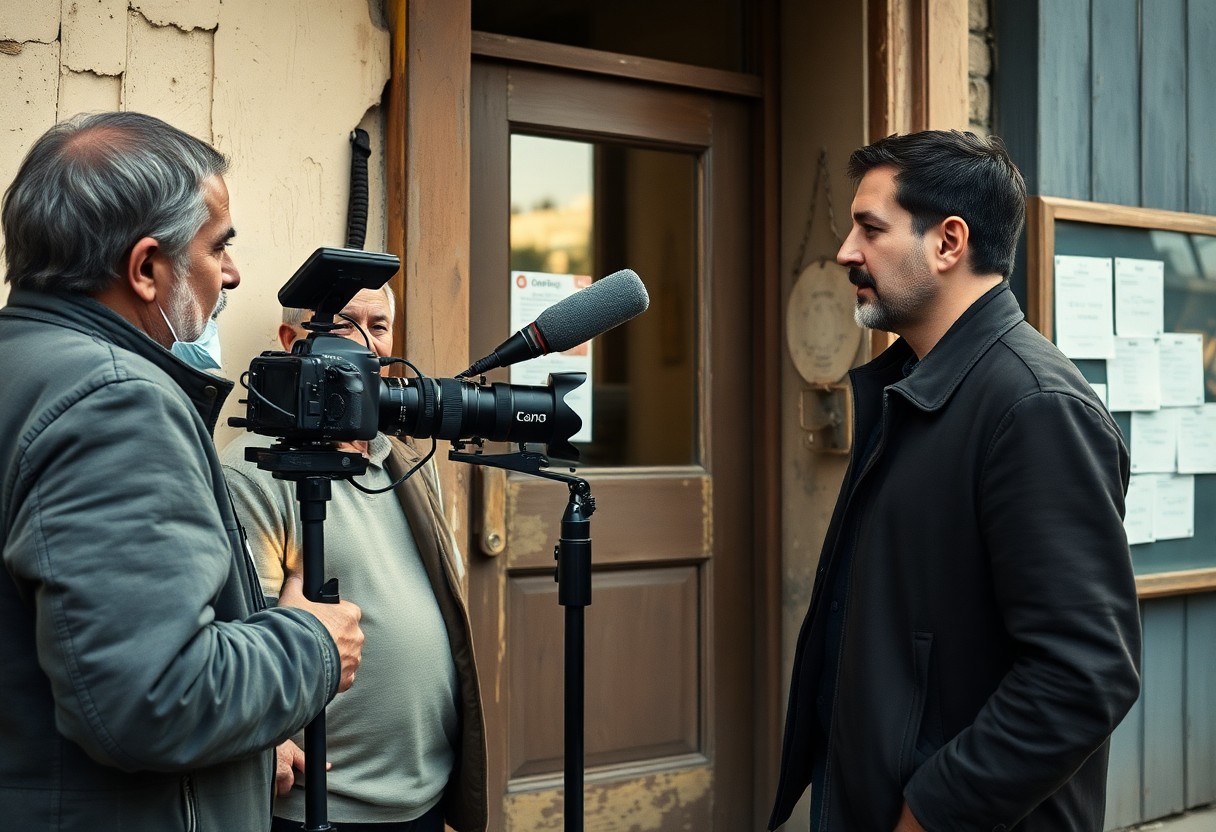
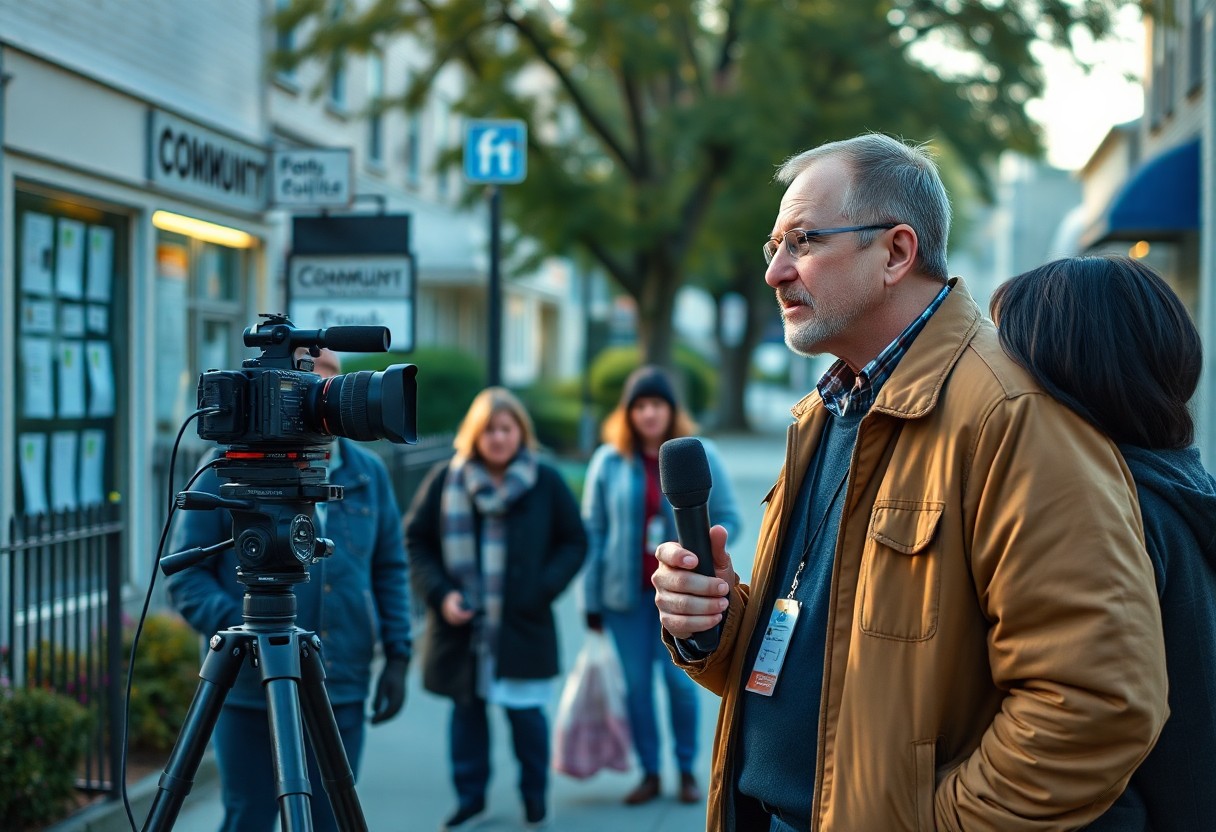
You hear their stories at the corner bakery, in bilingual school newsletters, and through community radio broadcasts that hum through open windows on weekend mornings. These voices-once overlooked by mainstream outlets-now shape how local events are covered and understood. You’re seeing immigrant journalists report on housing, education, and culture with firsthand insight, challenging old narratives and expanding who gets to tell the story of your city.

Cultural Lenses and the Definition of News

You define news not just by what happens, but by what matters to your community. For immigrant audiences, a local festival, a policy change on language access, or a religious celebration may carry the weight of a front-page story. Your lived experience shapes what counts as urgent or newsworthy, challenging mainstream outlets to expand their editorial视野. This shift isn’t about preference-it’s about representation and relevance.

Bridging the Information Divide

You see firsthand how immigrant-led media fill gaps left by mainstream outlets. These platforms deliver news in multiple languages, reflect cultural nuances, and cover issues overlooked by dominant narratives. You rely on them during emergencies, elections, and community debates. They don’t just translate information-they reshape how it’s shared, ensuring you stay informed on matters that directly impact your life.

Economic Models of the New Press

You rely on subscription models that reflect the values of immigrant audiences-affordable, community-driven, and ad-light. Many of these outlets operate through hybrid funding, blending small donations, local sponsorships, and nonprofit grants. You see sustainability not in mass scale, but in tight-knit support, where readers become stakeholders. This shift redefines what financial success looks like in local journalism.

The Transformation of Civic Engagement

You now see town halls filled with voices once overlooked, where immigrant-led media outlets spotlight local issues that mainstream outlets miss. Your understanding of community involvement expands as bilingual newsletters, radio broadcasts, and digital platforms invite participation in languages spoken at home. These channels don’t just report news-they connect people to schools, elections, and public services, turning information into action within neighborhoods that are finally being heard.

Final Words

With this in mind, you see how immigrant communities are redefining local journalism by introducing diverse voices, languages, and perspectives. Their presence shifts news coverage to reflect broader realities, challenging mainstream narratives and expanding public understanding. You witness a more inclusive media emerge, shaped by the stories, needs, and experiences of those long overlooked.

Why Representation in Newsrooms Matters More Than Ever

Most news consumers rely on media to reflect the world as it is, yet many communities remain unseen or misrepresented. You deserve reporting shaped by diverse lived experiences, not just distant observations. When newsrooms include people of varied backgrounds, the stories they tell become more accurate, fair, and relevant to everyone.

The Weight of the Unseen

You carry stories that never make the front page-lived truths buried beneath editorial decisions made without your voice at the table. When newsrooms lack diversity, entire communities become invisible, their struggles minimized or misdefined. You know what it means to be misrepresented, or worse, ignored. That silence shapes public perception just as loudly as any headline.

Authority and the Ancestral Word

You carry stories older than the institutions that shape the news. When your voice enters the newsroom, it brings lineages of truth-telling that predate modern journalism. Your presence challenges who gets to define what’s credible, expanding the idea of authority beyond degrees and titles. You honor those who spoke truth under silence, and now you speak in spaces built to exclude you. Your words don’t just report-they reclaim.

The Integrity of the Human Record

You shape the stories that future generations will rely on to understand this moment. When newsrooms reflect the full spectrum of human experience, the record becomes more honest, more complete. Your presence ensures that overlooked voices aren’t erased by omission. History isn’t written in hindsight-it’s built daily through the choices you make in reporting, editing, and assigning stories.

A Covenant with the People

You uphold a promise every time you publish a story-your reporting shapes how communities see themselves and each other. When newsrooms reflect the diversity of the people they serve, trust grows. You’re not just delivering facts; you’re affirming whose lives matter in the public conversation. That responsibility starts with who sits at the table.

The Necessity of the New Vision

You need newsrooms that reflect the communities they serve, not just in appearance but in perspective. A new vision means dismantling old hierarchies and centering voices long excluded from editorial power. Your understanding of truth expands when stories are shaped by those who’ve lived them. This shift isn’t symbolic-it’s structural, and it starts with who sits at the table.

Summing up

Conclusively, you shape public understanding through the stories you choose and how you tell them. When newsrooms reflect the diversity of the communities they serve, coverage becomes more accurate, empathetic, and trustworthy. Your perspective matters-representation isn’t symbolic, it’s foundational to credible journalism.

How Immigrant Journalists Bring New Perspectives to Storytelling

You hear stories every day, but immigrant journalists shape them in ways that reflect lived experiences across borders. Their backgrounds inform deeper context, challenge dominant narratives, and highlight underrepresented voices. You gain a broader, more accurate picture of the world because they report not just from the outside, but from within multiple cultures at once.

The Dual Lens of Displacement

You see both the place you left and the one you now call home with sharper clarity. Distance reshapes memory, and presence demands new understanding. This dual vision allows you to detect nuances others overlook, turning personal dislocation into a powerful storytelling tool grounded in lived contrast.

Observing the unseen in familiar landscapes

What feels ordinary to longtime residents often strikes you as strange or revealing. You notice rituals, tensions, and patterns hidden in plain sight-how people queue at a bus stop, the silence between political statements, the way accents shift block by block. These details become entry points into deeper truths about community and identity.

Translating silence into narrative

Silence speaks volumes when you’ve learned to listen. You recognize what goes unspoken in families, institutions, and public discourse-the grief, fear, or resistance held in quiet. Your stories give shape to these absences, turning what’s withheld into a narrative force that resonates with those who’ve also lived in the gaps.

That silence you carry isn’t empty-it’s layered with history, trauma, and survival. You’ve learned to interpret pauses in conversation, the hesitation before an answer, the way elders change the subject. These moments aren’t omissions; they’re signposts. In your hands, silence becomes a source of meaning, not a void, revealing truths that dialogue alone could never convey.

Linguistic Nuance and Cultural Codes

Immigrant journalists carry an intimate understanding of how language shapes meaning across cultures. Their fluency in multiple tongues allows them to detect subtle shifts in tone, idiom, and context that monolingual reporters might overlook. This sensitivity sharpens storytelling, revealing layers of truth embedded in everyday speech.

Breaking the limitations of a single tongue

You access deeper truths when you move beyond one language. Words in a native dialect often hold emotional weight that resists direct translation. By writing across languages, you expose meanings that exist only in the gaps between them, enriching narratives with authenticity and precision.

Deciphering the unspoken rituals of the Other

You notice what others miss-the glance, the pause, the gesture that carries cultural weight. These small acts speak volumes in communities where tradition shapes behavior. Your presence allows readers to see not just what people say, but how they live their beliefs.

Immigrant journalists interpret behaviors that seem ordinary but are deeply symbolic-how elders are addressed, how meals are shared, how grief is expressed in silence. You understand these rituals because you’ve lived them, and you translate them not through explanation, but through inclusion. This kind of insight doesn’t come from research; it comes from memory, from belonging. When you write about a community’s customs, you’re not observing from the outside-you’re guiding readers from within, revealing the quiet logic of cultural identity that words alone can’t capture.

Reimagining the Center from the Periphery

You see the world differently when you’ve reported from the margins. Immigrant journalists often bring stories not from the capital, but from the neighborhoods newsrooms overlook. Their lived experience shifts the narrative axis, placing overlooked communities at the heart of public discourse.

Challenging the dominant editorial gaze

They question whose reality gets framed as universal. When you’ve grown up outside Western editorial norms, you recognize bias in what’s deemed newsworthy. Your reporting disrupts inherited assumptions, replacing them with narratives shaped by pluralism and lived truth.

Reshaping the hierarchy of human importance

You know whose pain is often ignored. Immigrant journalists elevate voices dismissed as peripheral-refugees, day laborers, undocumented families. Their stories insist these lives matter, recalibrating media’s moral compass with quiet insistence.

Media has long operated with an unspoken ranking of whose suffering, joy, or struggle deserves attention. You’ve seen how a story from a war zone is reduced to statistics until a Westerner is involved. Immigrant journalists dismantle this hierarchy by centering humanity over geography. They report grief in a village with the same gravity as in a capital city. Their presence in newsrooms challenges the reflex to prioritize certain lives over others, making coverage more ethically balanced and emotionally honest. This shift doesn’t just diversify content-it redefines journalistic responsibility.

The Burden and Beauty of the Bridge

Carrying dual identities, you move between cultures with both responsibility and grace. Your reporting doesn’t just translate language-it translates experience, offering audiences insights that resonate across divides. This bridge you build is fragile, often unseen, yet important in shaping a more layered public narrative.

Navigating the friction of two worlds

Living between homelands means you often feel fully at home in neither. You hear subtle tensions in language, custom, and expectation that others overlook. These tensions shape your storytelling, infusing it with a depth that reflects real human complexity, not just headlines.

Building trust within marginalized enclaves

Communities open up to you because they see themselves in your presence. You speak their language, honor their silences, and understand unspoken rules. This access allows you to share stories that mainstream outlets often miss or misrepresent.

When you enter a neighborhood where suspicion of media runs deep, your background becomes your credibility. People don’t just hear a reporter-they recognize someone who has lived through similar struggles, who knows which questions to ask and, just as important, which moments to hold in quiet. You don’t extract stories; you earn them through presence, patience, and shared memory. This kind of journalism doesn’t happen from a distance-it grows from proximity and respect, revealing truths that only emerge when people feel safe enough to speak.

Historical Memory as a Reporting Tool

Immigrant journalists often carry generational memories that shape how they interpret current events. Their reporting draws from histories not always visible in mainstream narratives, offering depth that transforms simple stories into layered accounts rooted in real human continuity.

Connecting present events to distant echoes

You recognize patterns others might miss. When conflict erupts abroad, your awareness of past upheavals in your country of origin adds context that enriches your reporting. These distant echoes aren’t background noise-they’re important clues to understanding today’s headlines.

Anchoring news in the weight of lived experience

Your family’s journey through displacement or political change informs how you cover migration or policy shifts. This lived history isn’t bias-it’s a lens that grounds stories in emotional and historical truth, making them resonate more deeply with diverse audiences.

When you report on asylum seekers arriving at borders, you don’t just cite statistics-you recall your aunt’s account of crossing a minefield at night. That personal history doesn’t override journalistic standards; it sharpens your questions and deepens your empathy. You know silence can be as telling as testimony, and timing often mirrors the rhythms of survival. These nuances, drawn from real experience, allow you to present news not as isolated incidents but as chapters in longer human struggles.

The Evolution of the Global Witness

You carry stories shaped by borders crossed and lives rebuilt. Immigrant journalists don’t just report events-they’ve lived the shifts in power, displacement, and resilience that define global narratives. Your presence transforms the role of the witness, turning distant crises into personal testimony and grounding international news in lived truth.

Cultivating empathy through shared struggle

You understand pain that doesn’t need translation. When you cover displacement or discrimination, your own history informs the quiet moments-the hesitation in a refugee’s voice, the weight behind a parent’s silence. That depth invites audiences to feel, not just observe, creating connections facts alone cannot build.

Expanding the boundaries of the newsroom

You challenge the default settings of mainstream coverage. By questioning whose stories are told and how, you push newsrooms to reflect the communities they serve. Your presence reshapes editorial priorities, making space for voices once considered peripheral.

Newsrooms once operated within narrow cultural frameworks, but your influence redefines what counts as newsworthy. You bring sources, languages, and networks that expose gaps in coverage and correct blind spots. This isn’t about diversity for optics-it’s about accuracy. When you report on immigrant communities, you do so with context and nuance that prevent oversimplification, ensuring stories are told with integrity, not assumption.

To wrap up

Conclusively, immigrant journalists shape storytelling by infusing narratives with firsthand cultural insights and lived experiences. You gain access to stories told through distinct lenses, broadening understanding and challenging dominant narratives. Their presence enriches media with authenticity, ensuring diverse voices are not just heard but centered in public conversation.

The Role of Independent Media in Covering Underreported Communities

Many mainstream outlets overlook communities facing systemic marginalization, leaving gaps in public awareness. You rely on independent media to bring these stories forward, often operating with limited resources but deep community ties. These outlets provide firsthand perspectives, challenge dominant narratives, and hold power to account where larger institutions fail.

The Corporate Veil

Corporate ownership shapes what stories gain visibility and which remain hidden. You’re often unaware of how editorial decisions align with profit motives rather than public interest. When media outlets answer to shareholders, underreported communities fade from view, their struggles deemed insufficiently marketable or too complex for mass consumption.

Commercial Interests and Selective Vision

Profit-driven models prioritize content that attracts advertisers, not marginalized voices. You see repeated coverage of sensational events while systemic issues in overlooked communities go unexamined. This selective vision isn’t accidental-it’s built into the economic framework of mainstream media, where audience size trumps depth of understanding.

The Homogenization of Public Discourse

Uniform narratives dominate when a few corporations control most outlets. You’re fed a narrow range of perspectives, limiting empathy for communities outside the mainstream. This flattening of discourse erases nuance, making it harder to recognize the lived realities of those already on the margins.

When ownership is concentrated, editorial risk diminishes. You notice how similar talking points circulate across platforms, reinforcing dominant ideologies while sidelining alternative worldviews. This repetition conditions audiences to see only certain problems as legitimate, leaving underreported communities without space to define their own stories or demand accountability.

The Independent Outpost

You operate outside the mainstream, unshackled by corporate timelines or editorial constraints. This outpost thrives on proximity, not prestige-built by journalists who live within the communities they cover. Distance from power centers becomes an advantage, allowing deeper trust and access to voices often dismissed by larger outlets.

Documenting the Unseen

You turn your lens toward what others overlook-daily rituals, quiet resilience, stories buried beneath headlines. These moments matter not because they’re dramatic, but because they reflect truth. Your camera, notebook, or microphone becomes a witness where silence once ruled.

Fact-Finding as a Form of Rebellion

You question official narratives not to provoke, but to reveal. When institutions ignore a community, collecting facts becomes resistance. Each verified detail challenges erasure and reclaims dignity. Truth-telling, in this context, is not neutral-it’s an act of alignment with the marginalized.

Fact-finding disrupts the monopoly on information. You don’t wait for permission to investigate; you knock on doors, verify testimonies, cross-reference records. In places where data is weaponized or withheld, your meticulous work exposes gaps in official accounts. This isn’t activism dressed as journalism-it’s journalism fulfilling its original duty under hostile conditions.

Structural Obstacles

Independent media often operates without the infrastructure that mainstream outlets take for granted. You face limited access to distribution networks, lack institutional backing, and must build credibility from scratch-all while trying to amplify voices that larger platforms ignore.

The Economic Struggle for Autonomy

Financial independence is hard to maintain when advertising revenue flows to major outlets. You rely on donations, grants, or volunteer labor, which can restrict your reach and make long-term planning difficult, especially when covering communities with little commercial appeal.

Censorship and Systematic Pressure

Authorities in many regions monitor or suppress independent reporting. You may face legal threats, online harassment, or even physical danger simply for documenting stories that challenge dominant narratives or expose injustice.

State-controlled media environments often weaponize licensing laws, internet shutdowns, or defamation charges to silence dissent. You learn to operate in gray zones-publishing under pseudonyms, using encrypted channels, or relying on diaspora networks to bypass restrictions. This constant pressure doesn’t just threaten individual journalists; it erodes public trust in truthful reporting over time.

The Digital Frontier

You operate in a space where access and visibility shape reality. The internet allows independent journalists to bypass traditional gatekeepers, reaching global audiences with stories that mainstream outlets overlook. This shift doesn’t just expand reach-it redefines who gets to tell the story.

Breaking the Monopoly of Information

You challenge dominant narratives simply by showing up where others don’t. When corporate media ignores marginalized communities, your reporting fills the silence. Your presence disrupts one-sided accounts and introduces perspectives shaped by lived experience, not editorial board agendas.

Direct Engagement with the Displaced

You speak with people, not just about them. By building trust with displaced communities, you capture stories in their own voices, preserving dignity and accuracy. This connection ensures coverage reflects real lives, not distant assumptions.

Engaging directly means listening at refugee camps, in informal settlements, or through encrypted messages when movement is restricted. You document testimonies that might otherwise vanish, verifying details without exploiting trauma. Your role becomes both witness and conduit, ensuring those pushed to the margins remain part of the public conversation. This intimacy with sources strengthens credibility and deepens impact.

The Moral Necessity

You bear a responsibility to those whose voices are absent from dominant narratives. When mainstream outlets overlook entire communities, independent media steps into the breach, not as a choice but as an ethical duty. You exist to correct imbalance, to witness what others ignore, and to affirm that every story holds weight.

Restoring the Human Element

People in underreported communities are too often reduced to statistics or stereotypes. You counter that by centering their lived experiences-showing faces, sharing names, honoring struggles. In doing so, you return dignity to those long rendered invisible by omission.

The Defense of Objective Reality

Truth becomes contested when power shapes perception. You uphold facts by documenting conditions as they are, not as they are framed. Your reporting resists distortion, offering clarity where misinformation thrives and ensuring marginalized realities are seen and verified.

When institutions downplay systemic neglect or sanitize hardship, your role shifts from observer to guardian of evidence. You document conditions on the ground with precision-names, dates, locations-because accuracy dismantles denial. In a world where narratives are weaponized, your commitment to verifiable detail ensures that reality cannot be erased by silence or spin.

To wrap up

Considering all points, you recognize that independent media holds power to spotlight communities often ignored by mainstream outlets. Your awareness grows when stories emerge from within, not just about, underrepresented groups. You see truth more clearly when diverse voices shape the narrative, challenge assumptions, and demand accountability.

How Cultural Identity Influences Modern Journalism

Journalism shapes how stories are told, and your cultural identity influences how you interpret them. Your background affects which voices you amplify, how you frame events, and what you consider newsworthy. As global perspectives merge in newsrooms, your awareness of cultural context becomes central to fair, accurate reporting in today’s interconnected world.

The Ghost in the Machine

Every journalist carries an unseen weight-their cultural identity-woven into the way stories are framed and told. You don’t report from a vacuum; your upbringing, language, and traditions shape what you see as important, even when you aim for objectivity. That silent presence, the ghost in the machine, is always at work beneath the surface of the text.

Inherited perspectives on the page

Your worldview didn’t emerge from nowhere. The values passed down through family, community, and national narratives subtly influence how you interpret events. Even when writing in a neutral tone, inherited assumptions about power, morality, and truth color the narrative in ways you may not immediately recognize.

The fallacy of the neutral eye

You’ve been taught to strive for impartiality, but true neutrality is a myth. Every editorial choice-from which sources to quote to which details to highlight-bears the imprint of cultural conditioning. Pretending otherwise doesn’t erase bias; it only makes it invisible, and therefore more dangerous.

Consider how a reporter raised in a collectivist society might emphasize community impact over individual rights in a crime story, while another from an individualist background centers the accused’s personal journey. These aren’t flaws-they’re reflections of deeper cultural logics. Recognizing this doesn’t weaken journalism; it strengthens your honesty about where stories truly begin.

The Syntax of Belonging

Language carries more than meaning-it holds identity. The way you structure a sentence, the rhythm of your phrasing, even the silence between words often reflects where you come from. In journalism, these subtle linguistic patterns shape how stories resonate with different audiences, revealing a deeper connection between voice and cultural rootedness.

Cultural idioms in breaking news

You notice it in the phrasing after a crisis-a metaphor drawn from folklore, a proverb slipped into a quote. These idioms aren’t just color; they anchor events in shared experience. When reporters use familiar expressions, they make distant tragedies feel immediate, translating chaos into terms your community already understands.

How heritage shapes the scoop

Your background influences what you see as newsworthy. A story about a local festival might seem minor to some, but to you, it signals cultural continuity. Journalists often spot significance in moments others overlook, guided by the values, memories, and histories they carry from their communities.

Heritage informs not only what you cover but how deeply you dig. You might pursue a lead about a neighborhood dispute because you recognize the underlying tensions from your own upbringing. This lived context gives your reporting texture and authenticity, allowing you to ask better questions and uncover layers that outsiders might miss. Your roots become a lens, sharpening your instinct for truth.

The Localized Truth

Truth often wears different faces depending on where you stand. You understand that journalistic narratives shift when filtered through cultural lenses, shaping what communities accept as fact. Local values, histories, and shared experiences inform how stories are told and received. This isn’t fragmentation-it’s authenticity in motion.

Community bonds as journalistic currency

Trust grows from familiarity, and you know credibility in reporting stems from shared identity. When journalists emerge from the communities they cover, their work carries an implicit authenticity. You rely on these connections because they signal respect, context, and accountability-qualities no distant correspondent can replicate without time and genuine engagement.

The decline of the universal anchor

One voice no longer speaks for all. You’ve noticed how the era of the singular, authoritative news presenter has faded, replaced by diverse storytellers rooted in specific cultures. This shift reflects a deeper demand for representation, where audiences seek faces and voices that mirror their own realities.

That single anchor once symbolized objectivity, but you now recognize that neutrality was often a mask for homogeneity. As global audiences question who gets to define truth, media institutions can no longer assume authority without cultural legitimacy. You expect journalists to reflect the complexities of identity, not erase them in favor of a false universalism. This evolution isn’t a loss of standards-it’s a recalibration toward honesty.

Power and the Editorial Line

Power shapes every editorial decision, often reflecting whose stories are prioritized and how they’re framed. You operate within institutions where historical biases influence what counts as “news.” Recognizing this helps you challenge inherited norms and make space for voices long excluded from mainstream narratives.

Institutional memory versus lived experience

Tradition often upholds established reporting methods, but your lived experience offers a different kind of truth. When institutional memory dismisses personal context, coverage risks misrepresenting communities. You bring insight that challenges outdated assumptions and deepens journalistic integrity.

Shifting the center of gravity

Centering marginalized perspectives changes the focus of news production. You redefine what’s considered relevant by elevating stories from the edges. This shift doesn’t just diversify content-it transforms how audiences understand power, truth, and belonging in public discourse.

When you place community knowledge at the core of reporting, journalism becomes more accurate and accountable. Mainstream outlets once treated certain cultures as “niche,” but your work proves they are central to the national conversation. By redefining expertise and sourcing beyond press releases, you reshape not only stories but the systems that produce them.

The Virtual Tribe

You belong to communities that exist beyond geography, shaped by shared values, languages, and experiences expressed online. These digital affiliations influence how you consume and interpret news, creating echo chambers that reinforce cultural narratives. Journalists now tailor stories to resonate within these virtual tribes, where identity often matters more than location.

Digital fragments of the self

You present different versions of yourself across platforms, each curated to fit specific audiences. These digital fragments shape how you engage with journalistic content, often aligning with the cultural tone of the space you’re in. News no longer speaks to a unified identity but to the layered personas you perform daily.

Global stories through narrow windows

You access international events through feeds filtered by algorithms trained on your behavior. These narrow windows determine which global crises gain your attention and which remain invisible. What you see is not the world, but a reflection of your digital habits and cultural positioning.

Your understanding of distant conflicts or cultural movements often comes through a single viral post or a trending hashtag, stripped of context. These snapshots may spark awareness, but they risk reducing complex realities to emotional soundbites. Journalists face the challenge of breaking through these narrow views without reinforcing them, offering depth where algorithms prioritize speed and sentiment. You’re exposed to more stories than ever, yet your perspective remains tightly framed by design.

Final Words

So your cultural identity shapes how you interpret news, what stories you prioritize, and how you engage with audiences. Modern journalism reflects diverse worldviews, and your background informs both the questions you ask and the truths you reveal. Recognizing this influence strengthens credibility and deepens public trust in an era of global connectivity.

Why Community-Based Reporting Builds Stronger Public Trust

You see real change when local voices shape the stories being told. Community-based reporting puts you at the center, sharing firsthand experiences that reflect your reality. This direct connection increases transparency, reduces misinformation, and strengthens accountability, making news more relatable and trustworthy. You begin to trust what you see because it comes from people like you.

The Power of Proximity

You understand your neighborhood’s rhythms in ways outsiders rarely grasp. When reporters live and work within the communities they cover, their stories reflect authentic experiences, not assumptions. This closeness builds credibility, because you see yourself in the narrative-accurately, respectfully, and fully.

Direct Observation of Reality

You witness events firsthand when reporting happens on familiar streets. There’s no reliance on secondhand accounts or press releases. Your presence allows you to capture nuances-tone, emotion, context-that distant coverage often misses. Reality speaks for itself when you’re close enough to hear it.

Eliminating the Distant Filter

You skip the layers of interpretation that distort stories when they travel from community to newsroom. Distance often introduces bias, simplification, or sensationalism. By staying local, you deliver information as it unfolds, preserving its integrity and relevance to those who live it.

Outsiders may mean well, but their vantage point often skews perception. When stories pass through distant editors or national narratives, local truths get reshaped to fit broader agendas. You, as a community-based reporter, protect against this distortion. Your proximity ensures that context isn’t lost, voices aren’t flattened, and meaning stays intact. You report not from above, but from within-keeping the story honest because you’re part of its fabric.

Accountability to the Neighbor

You answer to real people when your reporting happens in the community you share. Your sources live nearby, your neighbors see your byline, and your credibility is measured at the grocery store, not just online. This proximity creates a natural check on accuracy and fairness, because trust is built daily through consistent, honest work.

Face-to-Face Responsibility

Seeing someone across the table changes how you report. You can’t hide behind a screen when the person affected by your story looks you in the eye. That direct connection demands honesty, context, and care-because you know you’ll be held to account in person, not just in comments.

The Cost of Deception

Lying to your community has immediate consequences. Once trust breaks, people stop talking, stop believing, and stop engaging. Your reputation doesn’t just suffer online-it unravels at school pickups, local meetings, and neighborhood events where credibility is currency.

When you misrepresent a local issue, the fallout isn’t abstract. Parents question school coverage, small businesses withdraw from interviews, and community leaders refuse to cooperate. Each broken promise narrows your access and weakens your impact. In hyperlocal reporting, deception doesn’t just damage a brand-it isolates you from the very people you’re meant to serve.

Dismantling the Ivory Tower

You break down barriers when you step outside institutional echo chambers. Journalists who embed themselves in communities stop observing from a distance and start engaging as participants. This shift doesn’t dilute objectivity-it grounds reporting in real human experience, making it more relatable and trustworthy to the people it serves.

Rejecting Institutional Bias

You challenge long-standing assumptions when you question whose voices dominate the news. Mainstream outlets often reflect the perspectives of power, but community-based reporting centers those historically excluded. By doing so, you expose blind spots and correct imbalances that erode public confidence in media.

Prioritizing Local Relevance

You earn attention by covering what truly matters to people’s daily lives. School board decisions, neighborhood safety concerns, and local economic shifts may not trend online, but they shape community well-being. When your reporting reflects these realities, audiences see themselves in the story-and trust grows.

Local relevance means more than proximity-it means understanding context. You know a zoning change isn’t just policy; it’s about whether a family’s backyard will overlook a warehouse. You report on the town council meeting not for headlines, but because residents rely on accurate summaries they can’t attend. This depth signals respect, and respect builds lasting credibility.

The Language of the People

You earn trust not just through accuracy, but through accessibility. When your reporting mirrors the way people speak and think in their daily lives, it stops feeling like an outside broadcast and starts feeling like a conversation among neighbors.

Plain Speech in Reporting

You connect best when you speak plainly. Avoiding jargon and bureaucratic phrasing allows your audience to grasp stories without translation. When you use the words people actually use, your reporting feels familiar, honest, and within reach.

Clarity Over Complexity

You serve the public best by making information easy to understand. Complex sentences and technical terms create distance. Simple, direct language removes barriers, ensuring everyone-regardless of education or background-can access the truth.

Choosing clarity means respecting your audience’s time and intelligence. You don’t need to oversimplify issues, but you do need to explain them in ways that make sense in context. When you break down complicated topics without losing accuracy, you invite people in rather than shutting them out. This openness builds credibility, one clear sentence at a time.

Reclaiming the Public Square

You are stepping back into spaces where voices once mingled freely, where stories shaped communities. Local reporting rooted in shared experience revives these forums, transforming silence into conversation and isolation into connection. This is where trust begins to take root again.

Fostering Genuine Dialogue

People in your neighborhood know what matters most. When journalists listen first, instead of declaring truths from afar, real exchanges emerge. You begin to see your concerns reflected, not filtered. That mutual respect turns skepticism into sustained engagement.

The Restoration of Faith

Trust erodes when information feels imposed. But when you see your community accurately represented-through faces you recognize and issues you’ve lived-it rebuilds. Accuracy over time proves reliability, and reliability becomes the foundation of renewed confidence in local media.

Each time a story captures the nuance of a local decision or honors a resident’s struggle, it counters past disillusionment. You no longer view the press as an outsider with an agenda. Instead, you start expecting honesty, because you’ve seen it consistently upheld. This steady accountability is how faith returns-not in grand gestures, but in daily proof.

To wrap up

So you see how community-based reporting strengthens public trust. When you hear directly from neighbors and local sources, information feels more accurate and relevant. You rely less on distant institutions and more on shared experience. Your confidence grows when reporting reflects your reality, not just headlines. That connection builds lasting trust.

How Podcasts Are Expanding Immigrant Voices in Media

It’s changing how stories are told. You now have direct access to immigrant experiences through podcasts that share personal journeys, cultural insights, and community issues in authentic voices. These audio platforms give you unfiltered perspectives often missing in mainstream media, reshaping narratives with depth and honesty.

The Tipping Point of Accessibility

You can record a podcast from a phone, upload it from home, and reach thousands without gatekeepers. This low barrier to entry lets immigrant voices bypass traditional media filters. Equipment costs have dropped, platforms are free, and audiences are global. Your story no longer needs approval to be heard.

The Sovereignty of the Unfiltered Voice

You hold the mic now, no gatekeepers between your story and the listener. Podcasts let you speak in your own rhythm, in your native tongue, without translation or compromise. Your accent, your pauses, your laughter-they’re not edited out. This is your truth, shared directly, shaping how the world hears your journey.

Constructing the Virtual Homeland

You carry your culture with you, even when miles from home. Podcasts let you build a shared space where language, stories, and traditions live beyond borders. You hear accents like your parents’, laughter that echoes childhood memories, and discussions that reflect your lived reality. This digital gathering place becomes your virtual homeland-one you shape with every listen and share.

The New Economy of Cultural Capital

You’re already shaping narratives simply by sharing your story. Podcasts turn personal histories into valuable cultural currency, bypassing traditional gatekeepers. Your accent, traditions, and lived experience aren’t barriers-they’re assets. Listeners seek authenticity, and your voice offers what mainstream media often lacks. In this space, representation becomes influence, and influence builds community.

The Institutional Aftershocks

You feel the shift when stories once ignored begin reshaping public conversation. Podcasts bypass traditional gatekeepers, allowing immigrant voices to speak directly to listeners without editorial filters. You hear firsthand accounts of border crossings, language barriers, and cultural reinvention-narratives that challenge mainstream media’s framing. These recordings don’t just inform; they alter how institutions understand belonging and identity.

Final Words

Drawing together diverse stories and firsthand experiences, podcasts are reshaping how immigrant voices appear in media. You hear unfiltered narratives on identity, struggle, and resilience, shared directly by those living them. These audio platforms give you access to perspectives long underrepresented in mainstream outlets, building deeper understanding through personal connection and authentic dialogue.

The Real Challenges Immigrant Journalists Face in American Media

Many immigrant journalists bring diverse perspectives to newsrooms, yet you often encounter systemic barriers. Language expectations, visa restrictions, lack of professional networks, and cultural bias can limit your opportunities. Despite your skills and experience, gaining recognition and fair representation in mainstream media remains an ongoing struggle.

The Linguistic Barrier and the Tyranny of Native Fluency

You face an unspoken standard every time you write or speak on air: the expectation of native fluency. Accents, idiomatic choices, or slight grammatical differences are often treated as flaws, not variations. This bias privileges certain voices while marginalizing equally skilled journalists who think and express themselves in multiple linguistic codes.

Standardizing the Voice

Your tone, pacing, and word choice are frequently adjusted to match an invisible editorial norm. Editors may ask you to “simplify” your language, even when it’s clear and effective. This pressure erases the richness of diverse expression and reinforces a narrow idea of what a credible journalist should sound like.

Gatekeeping Through Syntax

Your sentence structure can become a barrier to acceptance, even when your reporting is accurate and compelling. Some newsrooms favor a specific rhythm or formality in writing, often rooted in Anglo-American conventions. Deviations-shaped by your native language or cultural context-are flagged as errors, not stylistic differences.

Syntax becomes a tool of exclusion when editors insist on rigid sentence patterns that reflect only one linguistic tradition. You might craft a clear, logical paragraph using a structure common in your first language, yet it gets rewritten without discussion. These small corrections accumulate, signaling that your voice is not fully trusted. Over time, this undermines confidence and distorts the authenticity of your storytelling. The expectation isn’t just to speak English-it’s to think in it a certain way.

Precarious Legal Status as a Tool of Control

The Visa Trap and Editorial Autonomy

Your ability to report freely often hinges on a visa tied to a single employer. If you challenge powerful interests or pursue sensitive stories, the threat of non-renewal looms. That dependency shapes what you cover-and how deeply-turning immigration status into a quiet censor.

Vulnerability to Institutional Retaliation

Losing your job can mean losing your right to stay in the country. This reality makes you an easy target when institutions want to silence scrutiny. You may self-censor or avoid high-risk reporting, knowing one dispute could end both your career and residency.

When your work authorization depends on an employer-sponsored visa, speaking out against workplace pressure or unethical editorial decisions carries extreme risk. Editors aware of your status may exploit it, assigning or blocking stories with little fear of pushback. You’re not just reporting the news-you’re weighing each decision against your legal survival.

Cultural Blindness in the Modern Newsroom

You often find yourself explaining basic cultural contexts that should already be understood. Newsrooms operate with a narrow worldview, assuming universality in narratives that aren’t universal at all. This blind spot distorts coverage and alienates audiences who see their realities misrepresented or ignored.

Erasure of Nuance in Global Reporting

You know how complex a single country’s story can be, yet editors demand simplified versions that fit familiar Western frames. In reducing intricate social dynamics to soundbites, the media flattens truth. Your attempts to highlight contradictions and local contradictions are often cut for clarity.

Tokenization of the Foreign Perspective

You’re called on only when a story involves your homeland, as if your expertise is geographically confined. Colleagues treat your presence as a checkbox for diversity, not a contribution of depth. Your voice becomes a prop rather than a consistent part of the editorial conversation.

You’re expected to represent entire regions despite having no more inherent authority over them than a domestic journalist has over all of America. Assignments come your way not based on beat experience but on passport origin. This pattern reinforces the idea that immigrant journalists are cultural interpreters first and reporters second, limiting their growth and distorting their professional identity.

Economic Barriers and the Meritocratic Myth

You often hear that talent and hard work guarantee success in journalism, but the reality is far more complex. For immigrant journalists, structural economic barriers-like unpaid internships and high living costs in media hubs-make entry nearly impossible without financial backing. Merit alone rarely opens doors when access depends on wealth.

Financial Exclusion via Unpaid Intern ships

You can’t afford to work for free when rent and groceries demand immediate payment. Unpaid internships remain a common entry point in media, yet they automatically exclude those without outside financial support. Immigrant journalists, often supporting families back home, find these opportunities out of reach despite their skills and ambition.

Wealth Gaps in Major Media Hubs

You face steep housing and living costs in cities like New York, Los Angeles, or Toronto-where most major outlets are based. Salaries for entry-level journalism jobs rarely match these expenses. Without generational wealth or family support, sustaining a career in these hubs becomes a financial strain few can endure.

Living in a major media city means more than just high rent-it means choosing between paying bills and attending industry events, buying professional equipment, or even commuting to assignments. You may have the talent and drive, but when entry-level wages hover near minimum wage and housing prices soar, your ability to stay in the field depends less on merit and more on economic survival. Immigrant journalists, especially those without local credit history or financial safety nets, are disproportionately affected by these invisible economic filters.

Psychological Toll of Permanent Outsiderhood

Constantly straddling two worlds, you carry the quiet weight of never fully belonging. Even with years in the industry, subtle cues-mispronounced names, exclusion from informal networks-remind you that assimilation has limits. This persistent sense of difference wears down confidence, shaping how you see your place in newsrooms where cultural fluency often defaults to a single norm.

Institutional Isolation and Imposter Syndrome

Being the only one in the room who speaks with your accent or references a different cultural context can make you feel like an anomaly. You second-guess your expertise, even when your reporting is accurate and impactful. Without mentors who share your background, self-doubt creeps in, making success feel accidental rather than earned.

The Burden of Representing the Displaced

Newsrooms often turn to you not just as a journalist, but as the voice for entire communities shaped by migration. You’re expected to explain trauma, translate cultural nuances, and humanize crises-emotional labor rarely asked of your peers. This added role stretches you thin, turning every story into a personal mission.

When editors assign you stories about war, displacement, or border policies, they’re not just tapping your skills-they’re relying on your lived experience. You become the default source on issues affecting people who look like you, whether or not the topic aligns with your expertise. Over time, this expectation narrows how colleagues see you and limits the range of stories you’re trusted to cover.

Political Hostility and the Threat of Violence

You face heightened scrutiny when your accent, name, or background mark you as different in newsrooms and in the field. In polarized environments, immigrant journalists are often targeted as political symbols rather than seen as professionals doing their jobs. This hostility can escalate quickly, especially when misinformation paints non-citizen reporters as outsiders with hidden agendas.

Xenophobic Backlash in Digital Spaces

You’re exposed to relentless abuse online simply for reporting the truth. Social media platforms amplify hate, where comments question your right to speak, accuse you of disloyalty, or demand deportation. These attacks aren’t random-they’re coordinated, racialized, and designed to silence your voice.

Physical Risks for the Non-Citizen Press

You risk more than your reputation when covering protests or contentious political events. Law enforcement and hostile crowds may single you out based on appearance or documentation status. Without the same legal protections as citizens, your presence in high-tension zones can turn dangerous in seconds.

Immigrant journalists often operate in legal gray areas that make them vulnerable during confrontations with authorities. If detained while reporting, your immigration status could be weaponized, leading to deportation threats or prolonged detention. Unlike citizen reporters who can rely on press protections, you may lack institutional backing, leaving you exposed to exploitation, surveillance, or removal-all for doing the job of informing the public.

Summing up

Presently, you face systemic barriers as an immigrant journalist, from credential recognition to language bias and limited access to influential networks. Newsrooms often overlook your multilingual insights and cross-cultural understanding. You work under pressure to assimilate while maintaining authenticity. These challenges shape not only your career path but also the diversity of voices in today’s media.

How Local Storytelling Creates National Impact

Many local stories begin in small towns, community gatherings, or family kitchens, yet they carry themes that resonate far beyond their origins. You recognize yourself in these narratives-struggles, triumphs, traditions-and that connection fuels wider conversations. When shared widely, personal or regional stories shape national values, influence policy, and redefine cultural identity.

The Microscopic Roots of Universal Truths

You uncover broader human experiences by focusing on the smallest details of local life. A single conversation in a diner, a child’s drawing taped to a shop window-these fragments carry emotional weight that transcends geography. When you honor the specificity of place, you don’t limit your story; you expand its reach.

Small Town Echoes

Life in a quiet town often mirrors struggles and joys felt across the country. You hear echoes of national themes in a farmer’s worry over drought, a teacher’s pride in her students. These moments, though local in setting, resonate far beyond county lines.

The Intimacy of the Porch

Stories shared on a front porch carry a quiet power. You listen closely when someone speaks from their home, voice low, hands moving with memory. That closeness builds trust, and trust invites truth.

There’s something unmatched about the porch as a storytelling space-it’s informal, yet sacred in its familiarity. You’re not in a theater or a studio; you’re where people laugh, argue, and grieve. The creak of a swing, the sound of crickets, the way light fades across the steps-all of it grounds the story in real life. When you collect narratives here, you’re not just recording words. You’re preserving rhythm, breath, and silence, the elements that make a story feel lived-in and true. This authenticity travels, shaping how entire communities are seen and understood.

Scaling the Personal Narrative

You begin with a single voice-a story told at a kitchen table, in a community center, or through a local podcast. When shared with authenticity, that voice resonates beyond its origin. You amplify personal truth not by exaggerating it, but by staying faithful to its details, allowing others to see their lives reflected. This is how intimacy gains influence.

From Neighborhood Pulse to National Rhythm

You’ve felt it when a local protest chant becomes a national slogan, or when a regional dialect enters mainstream media. Stories rooted in specific places carry rhythms that, when heard widely, sync with broader societal beats. Your neighborhood’s struggle or joy becomes part of a shared cultural tempo.

The Bridge of Shared Experience

You cross this bridge every time you hear a story that mirrors your own, even if it happened hundreds of miles away. It’s built not from grand declarations, but from honest, specific moments-a parent’s worry, a worker’s frustration, a child’s hope. These details create connection without requiring agreement.

That bridge holds because it’s made of recognizable human moments. When you hear someone describe waiting for a bus in the rain, worrying about rent, or celebrating a small win, you don’t need context to feel it. These are not abstract issues-they’re lived seconds. Your recognition of them validates both the teller and yourself, forming a quiet but powerful alignment that can shift public perception over time.

The Tipping Point of Local Lore

Every national movement begins with a whisper, often rooted in a story told in a village square or passed down through generations in a remote town. You’ve seen how a single folktale, when shared widely, shifts perspectives across regions. These local narratives gain momentum when they reflect universal truths through a specific cultural lens, turning regional identity into shared national understanding.

Why Regional Dialects Resonate

Dialects carry the rhythm of lived experience. When you hear a story in a regional tongue, it feels less like performance and more like invitation. The cadence, the idioms, the subtle humor-they signal authenticity. That’s what makes audiences lean in. You don’t just understand the words; you feel the world behind them.

Viral Empathy Across Borders

Empathy spreads fastest when it’s rooted in specificity. A farmer’s lament from Punjab, when shared in Tamil Nadu, doesn’t lose meaning-it gains emotional depth. You recognize the struggle not because it’s explained, but because it’s felt. These moments bypass translation and speak directly to shared human experience.

When a fisherman in Kerala recounts losing his boat to rising tides, his words echo in a shepherd’s home in Rajasthan facing drought. You don’t need policy briefs to grasp the stakes. The story does the work. It names fear, hope, resilience-without abstraction. This is how empathy becomes action, how local pain becomes national priority, not through scale, but through sincerity.

Architects of the Community Voice

You shape the narrative of your town not through grand gestures but through consistent, honest storytelling. Every interview with a local elder, every photo essay of a neighborhood festival, every recorded account of a small business’s journey adds a brick to a larger cultural foundation. These stories, rooted in authenticity, ripple outward, informing national conversations with grounded perspectives.

The Role of the Hometown Chronicler

You hold space for voices that might otherwise vanish-capturing the rhythm of daily life in your streets, schools, and storefronts. Your pen or microphone becomes a witness, not just to events, but to emotions, struggles, and triumphs that define a place. In doing so, you anchor identity in truth.

Preserving Heritage for the Masses

You turn fading memories into accessible records, transforming personal histories into shared assets. Oral histories, digitized photos, and community archives make heritage tangible. These materials don’t gather dust-they educate classrooms, inspire artists, and inform policymakers far beyond your zip code.

Heritage preservation through local storytelling breaks down the idea that history belongs only to textbooks or distant institutions. When you document a family’s migration story or the evolution of a neighborhood diner, you create entry points for others to see themselves in the broader national narrative. These records become reference points not just for nostalgia, but for understanding social patterns, cultural shifts, and regional identity. Your work ensures that heritage isn’t locked away-it’s lived, shared, and continuously reinterpreted by new audiences across the country.

Digital Campfires and Global Reach

You gather around screens instead of flames, but the pull of story remains the same. Today’s digital campfires-social media, podcasts, viral videos-carry local voices far beyond their origins. Your narrative, once confined to a single town or tradition, can now spark recognition in someone thousands of miles away.

Algorithms Favoring the Authentic

Platforms reward what feels real. When you share stories rooted in genuine experience, algorithms detect engagement and push them further. Your honesty becomes your reach-no staging, no exaggeration, just truth resonating with strangers who recognize themselves in your words.

Breaking the Geographic Barrier

Distance no longer determines impact. A poem recorded in a rural kitchen can trend in cities you’ve never visited. Your voice escapes borders not through force, but through connection-listeners find you because emotion needs no translation.

Once limited by proximity, storytelling now flows freely across regions thanks to accessible recording tools and global platforms. You don’t need a studio or a publisher; a phone and a moment of courage are enough. When a grandmother in New Mexico shares a family legend on a community podcast, it might inspire a teacher in Oslo to adapt it for her classroom. These moments bypass traditional gatekeepers, allowing cultural nuances to travel intact. Your local truth becomes part of a wider conversation, not because it’s diluted, but because it’s preserved with clarity and intent. Geography shaped storytelling for centuries-now, it’s just the starting point.

The Ripple Effect of Specificity

Every powerful national narrative begins somewhere small. You’ve seen it happen-a story rooted in a single town, a personal struggle, or a local tradition-gains attention not because it’s broad, but because it’s precise. That specificity creates authenticity, and authenticity draws people in.

Why Detail Trumps Generality

Detail pulls listeners closer. When you describe the cracked paint on a diner booth or the rhythm of a grandmother’s lullaby, you’re not just sharing a moment-you’re inviting others into it. Generalities inform, but specifics resonate, making your story unforgettable.

Shaping the National Identity

Local stories act as cultural fingerprints. When you share a regional custom or a community’s quiet resilience, you contribute a unique thread to the national fabric. These narratives don’t just reflect identity-they help define it over time.

Think of the diner in rural Nebraska that became a symbol of Midwestern perseverance during hard times, or the fisherman’s tale from coastal Maine that quietly reshaped how Americans view sustainable livelihoods. These aren’t grand speeches or policy papers-they’re lived experiences that, when shared, shift public perception. You don’t need a platform of millions to influence a nation; you need truth, clarity, and the courage to speak from where you stand. Each authentic local story becomes a quiet architect of the broader identity, proving that belonging is built not from slogans, but from shared moments, told well.

Summing up

From above, you see how local storytelling shapes national identity. Each regional tale carries values, struggles, and truths that resonate beyond borders. When shared widely, these stories influence public thought, inspire movements, and unify diverse populations. You don’t just hear a voice from a village or city-you hear the pulse of a nation in formation.


Why Diverse Voices Are Essential for the Future of Journalism

There’s a direct link between the trust audiences place in news and the range of perspectives behind it. You rely on journalism to reflect the world accurately, and that world includes people of different backgrounds, experiences, and beliefs. When newsrooms include diverse voices, the stories they tell become more complete, fair, and relevant to everyone.

The Mirror of a Fractured Society

You see yourself reflected in the stories told, but only if your experience is included. Without diverse voices, journalism distorts reality, showing a world tilted toward the familiar and comfortable. You live in a complex, layered society-your news should reflect that truth, not erase it. A single narrative can’t capture the full weight of collective experience.

The Moral Weight of the Witness

You carry a responsibility every time you report a story. Your presence at an event, your choice to record or write, transforms you into a witness. That act isn’t neutral-it holds moral weight. When you center voices often excluded, you correct imbalances in whose pain is seen, whose truth is believed. You don’t just relay facts; you affirm dignity.

Restoring the Broken Covenant

You rebuild trust in journalism not through grand gestures but through consistent, honest representation. When your newsroom reflects the society it serves, your reporting stops feeling like an outsider’s take and starts sounding like truth. You’ve been given a responsibility-to report with fairness, to include voices long ignored, to correct the imbalance. That’s how the covenant heals.

The Architecture of a New Truth

Diverse Perspectives Shape Reality

You see the world through more than one lens when newsrooms reflect the societies they serve. A single narrative can distort; multiple voices correct. You gain accuracy not from consensus but from contrast. Truth emerges not fully formed but built-brick by brick, voice by voice-until the structure holds under scrutiny. Your understanding deepens when stories come from those who’ve lived them, not just observed them.

Conclusion

Drawing together diverse voices strengthens the integrity of journalism. You rely on accurate, representative reporting to make informed decisions. When newsrooms reflect varied backgrounds, experiences, and perspectives, the stories they tell become more honest, inclusive, and trustworthy. Your understanding of the world deepens when multiple viewpoints shape the narrative.