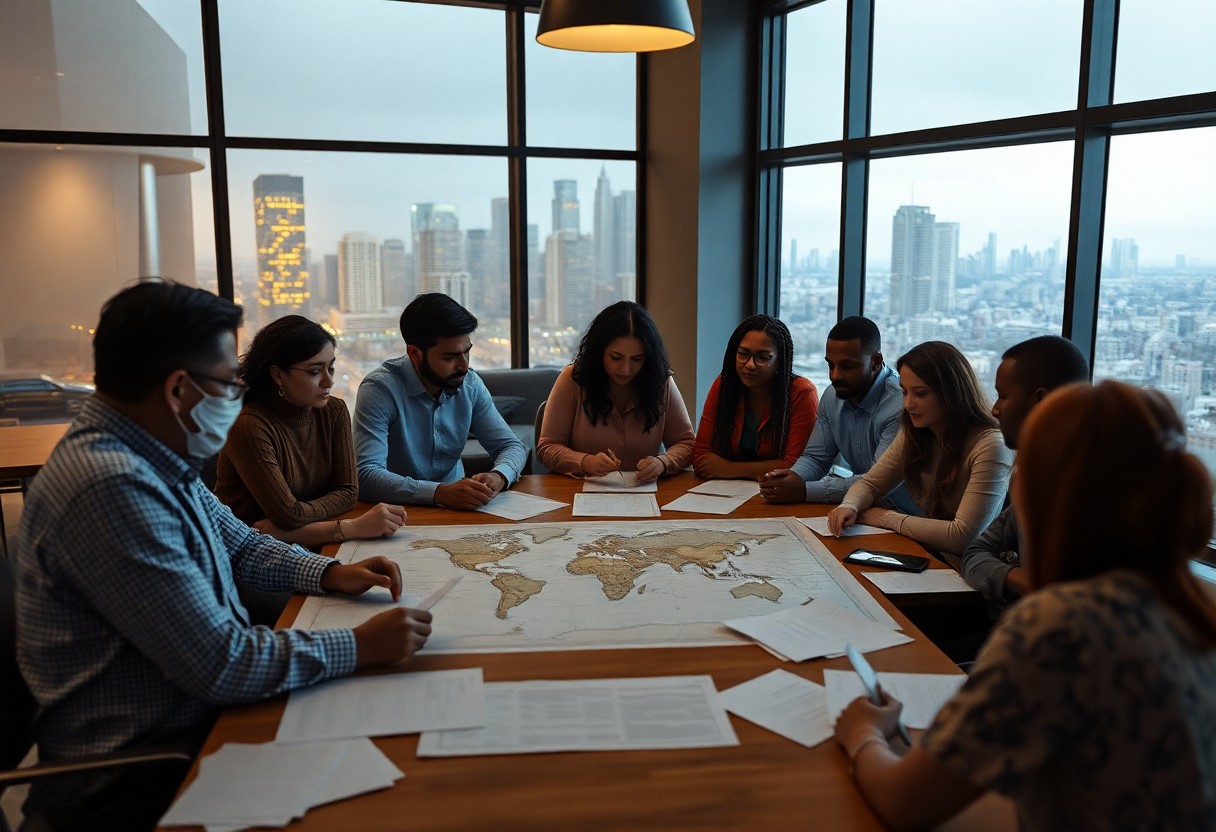
Gender disparities often widen in times of crisis, affecting your rights, health, and economic stability. As you navigate the implications of global instability, it is crucial to understand how discrimination against genders intensifies during such periods. Addressing these challenges demands collective action and awareness. For insights on elevating women’s health amidst crises, check out this Global Call to Action: Addressing Women’s Health Amidst …. Engage with these pressing issues to foster equitable solutions for all.

Understanding Gender Equality
For anyone striving to create a balanced society, understanding gender equality is vital. It encompasses the equal treatment of individuals, regardless of their gender, ensuring that everyone has the same opportunities, rights, and resources. Achieving gender equality is not just a matter of fairness; it is vital for driving social progress and improving community health and economic stability during times of crisis.
The Concept of Gender Equality
After all, the essence of gender equality lies in the belief that all genders should have equal rights, responsibilities, and opportunities. It promotes a vision where your choices are not limited or influenced by your gender, allowing everyone to thrive in personal and professional spheres. This foundational principle drives efforts towards building inclusive societies, where every individual can contribute meaningfully.
Historical Context of Discrimination
Equality has historically been undermined by systemic discrimination, affecting various genders differently across cultures and epochs. Understanding this context helps you recognize persistent inequalities and injustices that current generations still grapple with, paving the way for meaningful discussions and actionable solutions.
With deep roots in societal structures, discrimination has often manifested through laws, traditions, and practices that privileged certain genders over others. This historical backdrop reveals how power dynamics shaped your experiences and opportunities. By acknowledging the injustices of the past, you can better appreciate the ongoing challenges in achieving gender equality today, fostering a commitment to rectifying these inequalities in your community.
1. Crisis amplifies existing gender inequalities globally.
2. Women often bear the brunt of instability impacts.
3. Discrimination must be combated through targeted policies.
4. Inclusive decision-making enhances resilience during crises.
5. Economic recovery relies on empowering marginalized genders.
6. Advocacy is necessary for sustaining gender equality efforts.

Impacts of Global Crises on Gender Inequality
One of the most alarming consequences of global crises is the exacerbation of existing gender inequalities. According to the SIGI 2023 Global Report: Gender Equality in Times …, crises such as pandemics, conflicts, and economic downturns tend to disproportionately affect women, leading to increased violence, economic instability, and limited access to vital resources. You may find that societal structures often become more rigid, making it harder for you to advocate for gender equality during these turbulent times.
Economic Instability
Before a crisis, economic disparities often exist, but during turbulent times, these disparities can deepen significantly. You may notice that job losses tend to hit women harder, particularly in sectors like hospitality and retail. Additionally, with increased financial strain, many families may prioritize education for male children, thereby limiting opportunities for girls and women.
Social and Political Factors
The social and political landscape during crises typically reflects heightened discrimination against women. You might witness increases in gender-based violence and decreased political representation. Factors contributing to this include:
- Disruption of support networks
- Policy decisions that overlook women’s needs
- Increased workload for women at home
Thou can see that the pandemic and other crises can push gender issues further down the agenda, making it even more challenging for you to effect change.
Further analysis shows that the intersection of socio-political factors and global crises magnifies gender inequality. You may observe governments focusing resources on economic recovery while neglecting initiatives addressing gender-based issues. The omitted aspects include:
- Overlooking women’s voices in decision-making
- Failure to address legislative gaps
- Inadequate support for women’s rights organizations
Thou can take actionable steps by advocating for inclusive policies that consider gender perspectives during recovery efforts.

Case Studies of Gender Discrimination During Crises
Not only do crises magnify existing inequalities, but they also expose alarming patterns of gender discrimination. Some significant case studies highlight these issues:
- In conflicts like Syria, 70% of women reported increased levels of violence.
- Post-Hurricane Katrina, women faced a 40% higher risk of sexual assault in shelters.
- During the Ebola outbreak, women’s healthcare access was reduced by 80% in affected regions.
- COVID-19 lockdowns led to a 25% rise in domestic violence reports in several countries.
Impact of COVID-19 Pandemic
Beside the health crisis, the COVID-19 pandemic has disproportionately affected women in the workforce, leading to a 5% increase in unemployment among women compared to 3% for men. Your experience during this time might have involved stark changes, such as job loss or increased caregiving burdens, reflecting the ongoing gender disparity in various sectors.
Natural Disasters and Gender Dynamics
An examination of natural disasters reveals that women often face unequal challenges during recovery efforts. Their roles as primary caregivers and the lack of representation in decision-making processes exacerbate vulnerabilities in post-disaster scenarios.
Also, studies show that women are more likely to be affected by the socio-economic impacts of natural disasters. For instance, after the 2010 Haiti earthquake, reports indicated that 80% of displaced individuals were women and children. You may find it important to understand that in such situations, women’s access to resources, safety, and leadership opportunities are often severely limited, perpetuating a cycle of inequality.
Strategies for Promoting Gender Equality
Despite the numerous challenges that arise during times of crisis, there are effective strategies you can implement to promote gender equality within your community. By prioritizing inclusive practices and policies, you can foster an environment that not only addresses current disparities but also builds a foundation for long-term equality. Collaborative efforts among various stakeholders, including government, NGOs, and community members, will enhance the effectiveness of your initiatives.
Policy Frameworks and Initiatives
Frameworks that support gender equality need to be established and reinforced through comprehensive policies and initiatives. These policies should aim to eliminate discrimination and ensure that women and marginalized groups have equal access to resources, decision-making processes, and opportunities. By advocating for laws that protect against gender-based violence and promote economic empowerment, you can create a more equitable society.
Grassroots Movements and Activism
To drive change effectively, grassroots movements and activism play a vital role in raising awareness and mobilizing your community toward gender equality. These movements empower individuals to speak out against injustices and advocate for systemic change at local and national levels.
Consequently, grassroots movements can uniquely respond to the needs and concerns of underrepresented communities. By organizing local events, workshops, and campaigns, you can amplify voices that are often marginalized in mainstream discussions. These actions not only foster solidarity but also create a sense of ownership among participants, driving community-led solutions. Engaging with civil society and encouraging collaboration can further enhance the visibility and effectiveness of these movements, making a decisive impact on gender equality during times of crisis.
The Role of International Organizations
All international organizations play a significant role in promoting gender equality during times of crisis. By leveraging their resources, expertise, and influence, these organizations address various forms of discrimination, ensuring that women and marginalized communities receive support and protection. They are instrumental in shaping policies and practices that aim to reduce gender disparities, particularly in areas severely affected by global instability.
UN and Gender Equality Mandates
Behind its numerous resolutions and frameworks, the United Nations embodies a commitment to gender equality. The UN’s various agencies, like UN Women and the Human Rights Council, focus on eliminating discrimination against women and promote women’s empowerment, creating a foundation for addressing gender inequality, especially in conflict and crisis situations.
Collaborative Efforts for Change
Before sustainable progress can be achieved, collaboration among international entities is vital. Global networks and partnerships enable diverse stakeholders—including governments, NGOs, and grassroots organizations—to pool resources and knowledge, crafting effective interventions that address the unique challenges posed by crises, ultimately fostering gender equality.
For instance, joint initiatives between UN agencies and local organizations often provide much-needed resources, capacity-building, and advocacy efforts tailored to specific contexts. These collaborations facilitate the sharing of best practices and innovation in addressing gender-specific issues, while also amplifying marginalized voices. By combining efforts, you can contribute to a more holistic approach that not only addresses gender inequality during crises but also builds resilience against future challenges.
Future Directions for Gender Equality
After analyzing the impacts of crises on gender equality, it is imperative to chart a path forward. You should advocate for policies that prioritize equitable opportunities in all sectors. By engaging in dialogues that amplify women’s voices and experiences, you can contribute to building a foundation for sustainable gender equality that empowers individuals and communities alike.
Addressing Systemic Barriers
One of the first steps you can take is to identify and dismantle systemic barriers that hinder progress. These barriers are often deeply ingrained in social, economic, and political structures. You can work towards achieving this by promoting inclusive policies and practices that offer equal access and opportunities across all domains of society.
Building Resilience Through Gender Inclusivity
Future efforts in building resilience must focus on gender inclusivity as a strategic approach. By integrating diverse perspectives, you can foster a more adaptive and resourceful community capable of withstanding crises.
But embracing gender inclusivity is not just a response to immediate challenges; it’s a proactive strategy for long-term societal stability. When you ensure that all voices are included in decision-making processes, you create a foundation that allows for innovative solutions and comprehensive support systems. This inclusivity helps cultivate resilience, enabling communities—and you—to navigate future uncertainties with strength and solidarity.
To wrap up
To wrap up, it’s crucial for you to recognize that achieving gender equality during times of crisis demands your active participation and commitment. As global instability exacerbates gender discrimination, your efforts can help illuminate pathways for inclusive solutions. Engaging with resources such as the Gender Equality Strategy 2022-2025 | UNDP can equip you with the knowledge and tools necessary to advocate effectively for equality in your community and beyond. Your voice is significant in fostering a more equitable world for everyone.