Can Education Serve As A Catalyst For Gender Equality In The Face Of Poverty?

Education stands as a powerful tool that can reshape lives and dismantle barriers to gender equality, particularly in impoverished settings. You may wonder how enhancing access to quality education can empower both girls and boys while addressing the cycle of poverty. By understanding the impact of education on social norms and economic opportunities, you can see how it plays a pivotal role in fostering gender equality and improving the overall well-being of communities. Explore how education not only uplifts individuals but also promotes a more equitable society for all.
Understanding Gender Equality

To address the pressing issues of gender inequality, you must grasp its fundamental concepts. Gender equality refers to the fair treatment and equal opportunities for individuals of all genders, ensuring their rights and access to resources. Education plays a significant role in promoting this equality and addressing disparities, as highlighted in Education, a catalyst for changing gender inequalities. By understanding gender equality, you become equipped to recognize and challenge the social norms that perpetuate inequality.

Definitions and Concepts

With a clear understanding of gender equality, various definitions and concepts emerge. It encompasses the belief in equality across genders, highlighting the importance of your role in advocating for balance in opportunities and rights. This foundation enables you to identify the structures that contribute to inequality and actively participate in fostering change within your community.

The Impact of Gender Inequality on Poverty

Beside perpetuating economic disparities, gender inequality directly influences poverty levels. When women and marginalized genders lack access to education and employment opportunities, you witness a cycle of poverty that is difficult to break. Discriminatory practices lead to lower wages and limited financial independence, ultimately reducing the quality of life and opportunities for future generations.

At the same time, the impact of gender inequality on poverty extends beyond individual suffering; it shapes entire communities and economies. When half of the population is denied equal access to education and employment, you see diminished economic growth and reduced innovation. Encouraging gender equality is not only a matter of social justice but also necessary for poverty alleviation. As you support initiatives that empower all genders, you contribute to building a more resilient economy and promoting sustainable development for everyone.

1. Education empowers women to challenge gender norms.
2. Increased literacy promotes economic opportunities for girls.
3. Educated women contribute to healthier families and communities.
4. Gender-sensitive curricula enhance awareness and advocacy.
5. Access to education reduces poverty levels overall.
6. Investment in girls’ education benefits societies long-term.
The Role of Education in Advancing Gender Equality

Even amidst challenges, education significantly contributes to advancing gender equality. Providing access to quality education empowers women and girls, fostering economic independence and social change. According to the Education Overview: Development news, research, data, gender disparities in education can be narrowed, benefiting entire communities.

Education as a Fundamental Right

Role of education as a fundamental right supports the notion that everyone deserves the opportunity to learn, regardless of gender. This principle underlines the importance of accessible educational resources and initiatives that promote equality in learning environments.

Case Studies of Successful Educational Interventions

Interventions designed to promote educational equality have yielded significant outcomes globally. Consider these impactful case studies:

  • Program in Bangladesh: A 2018 initiative increased girls’ school enrollment by 30%, resulting in higher graduation rates.
  • Kenya’s girl scholarship program: Doubled the number of girls completing secondary education over five years, boosting workforce participation.
  • Pakistan’s non-formal education programs: Increased literacy among girls by 50% within two years through community-based learning.

In addition to these examples, several other successful educational interventions illustrate the transformative power of education in promoting gender equality:

  • Malawi’s girls’ clubs: Led to a 40% increase in attendance and a positive shift in community attitudes towards girls’ education.
  • Rwanda’s gender-responsive curriculum: Enhanced girl participation in STEM subjects, resulting in a 60% rise in female student enrollment in technical fields.
  • India’s Beti Padhao Beti Bachao scheme: Improved access to education for girls, contributing to a 20% reduction in dropout rates in rural areas.

Challenges Faced in Education for Gender Equality

Despite the potential of education to promote gender equality, many challenges persist that hinder progress. Systemic inequalities rooted in cultural, social, and economic structures continue to marginalize women and girls, maintaining cycles of poverty and limiting access to education. You might encounter barriers ranging from inadequate infrastructure to societal norms that reinforce gender discrimination, all of which demand critical attention and action for change.

Cultural and Societal Barriers

Between deeply ingrained cultural norms and societal expectations, female education often faces significant hurdles. Many communities prioritize boys’ education over girls’, believing that a girl’s education is a lesser investment. These beliefs reinforce stereotypes that limit opportunities for women and girls. To challenge these norms effectively, you need to advocate for awareness and education around the importance of gender equality within your community.

Economic Constraints and Resource Allocation

By focusing on economic disparities, you will see how limited financial resources significantly impact educational access. Underfunded schools, poor infrastructure, and a lack of learning materials make it difficult for girls to secure an education. When families face economic pressures, they may prioritize boys’ education, viewing it as a more valuable investment. Addressing these economic constraints is crucial for creating equitable educational opportunities for all genders.

Faced with the realities of inadequate funding and resource allocation, you can advocate for policy changes that prioritize education for both genders. This involves ensuring that schools receive the necessary financial support and materials to provide quality education, promoting scholarships for girls, and fostering community initiatives aimed at highlighting the importance of female education. Each step plays a vital role in dismantling the financial barriers that currently exist.
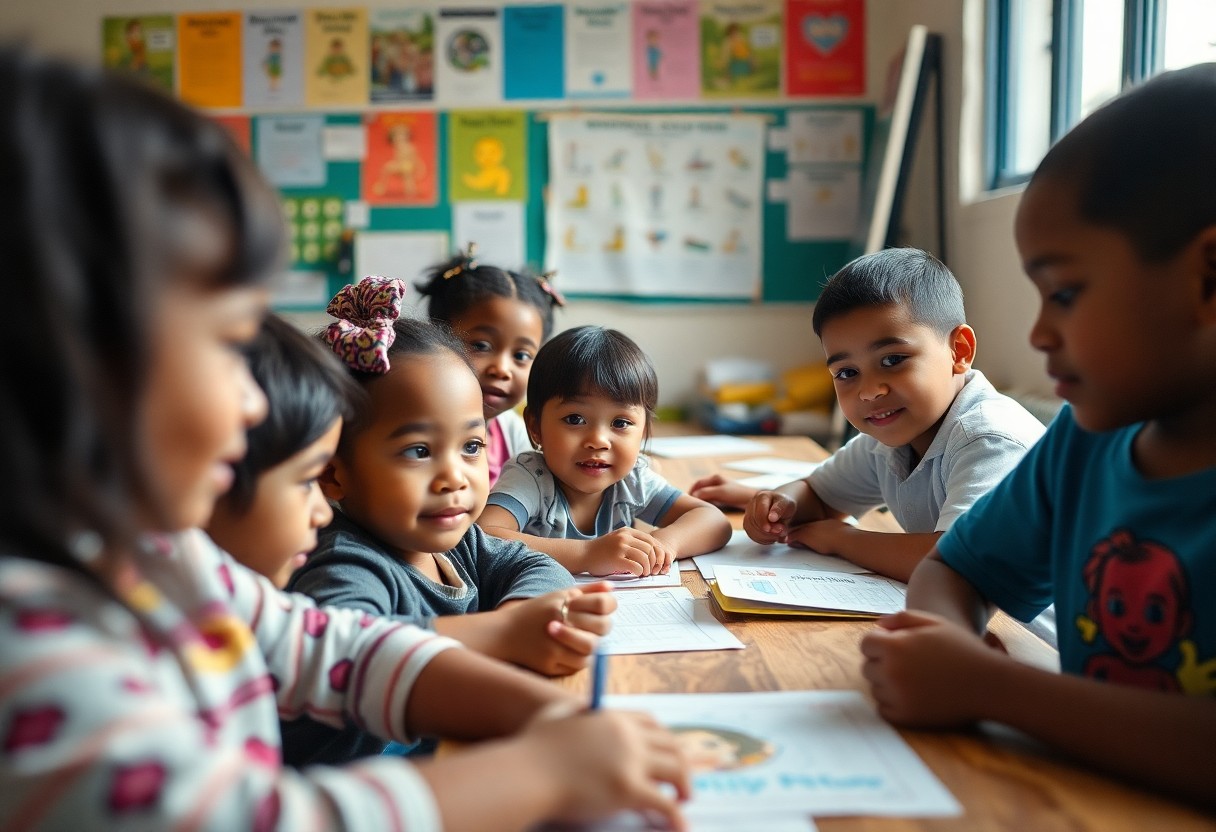
Strategies for Leveraging Education to Combat Gender Inequality

Keep in mind that education can be a powerful tool to challenge and dismantle gender inequality. By integrating gender-sensitive curricula, promoting female role models in educational settings, and facilitating access to technology, you can help ensure that education serves as an equalizer in society. Supporting programs that encourage girls’ involvement in STEM fields and vocational training can also expand their opportunities, paving the way for a more equitable future.

Policy Recommendations

Leveraging effective policies is imperative for addressing gender inequality in education. You should advocate for initiatives that promote equal access to educational resources and provide financial aid to vulnerable families. Ensuring teacher training programs emphasize gender sensitivity will further foster an inclusive environment. Finally, implementing laws that eliminate barriers to education for girls will empower them to pursue academic excellence and life opportunities.

Community Engagement and Empowerment Initiatives

Empowerment through community initiatives can reinforce the value of education for girls and women. You can engage community leaders to promote the importance of girls’ education, foster mentorship programs, and create safe learning environments. Providing workshops and training sessions that involve parents and guardians can also help shift attitudes towards gender roles, promoting a supportive ecosystem where girls can thrive in their educational pursuits.

The success of community engagement initiatives lies in their ability to create a culture that respects and values the education of girls. By involving local stakeholders, including parents, educators, and community leaders, you can form coalitions that advocate for gender equality. Hosting workshops that educate families about the long-term benefits of investing in girls’ education can lead to positive shifts in mindset. When surrounding communities understand and prioritize educational opportunities for young women, you will witness transformative impacts on gender equality and poverty alleviation.

The Future of Education and Gender Equality

All around the world, education is reshaping itself to embrace gender equality as a primary objective. As you explore the future of education, you’ll find that initiatives aiming to close the gender gap are becoming more widespread. From policy changes to innovative programs, educational institutions are striving to create inclusive environments where both girls and boys can thrive. This shift not only promises a better educational landscape but also holds the potential to transform societal norms, fostering a generation that values equality and mutual respect.

Emerging Trends and Innovations

Trends in education are increasingly geared towards promoting gender equality and empowering marginalized groups. You can observe a growing focus on digital learning platforms, which enhance accessibility for girls in underserved communities. Additionally, social-emotional learning programs are being implemented to address biases and stereotypes, aiding in the development of respectful and equitable relationships among students. Innovative teaching methods, such as project-based learning, are also gaining traction to foster collaboration, creativity, and critical thinking regardless of gender.

Global Cooperation and Partnerships

Among the most effective strategies for advancing gender equality in education is fostering global cooperation and partnerships. You will find that collaboration among governments, NGOs, and private sectors creates a multi-faceted approach that leverages resources and expertise. These alliances help in designing and implementing targeted programs that specifically address the barriers girls face in education, such as cultural norms and financial constraints. By participating in global initiatives, you can contribute to creating networks that advocate for equal opportunities and empower girls through education.

It is crucial to recognize how global cooperation solidifies the ability to tackle challenges that are often insurmountable for single entities. By pooling resources and sharing best practices, partnerships can effectively drive policies that promote gender-sensitive education frameworks. Engaging with communities worldwide not only amplifies the demand for gender equality but also enables the sharing of success stories and solutions that can inspire change across various contexts. Through ongoing collaboration, you can play a role in building an educational landscape that champions equality and inclusivity for all genders.

Summing up

Ultimately, education serves as a powerful tool for promoting gender equality, especially in impoverished settings. By prioritizing equal access to education for both girls and boys, you can empower communities to challenge societal norms and break the cycle of poverty. As you invest in education, you contribute to a brighter future where everyone has the opportunity to succeed, fostering a more equitable society for all. Thus, your commitment to education can create lasting change, transforming lives and enhancing opportunities across generations.

Can We Achieve Gender Parity In Education Within The Context Of A Changing Climate?

Many individuals are increasingly concerned about the intersection of education and climate change, particularly regarding gender parity. As you explore this pressing issue, consider how shifting environmental conditions may affect girls’ access to education and the implications for achieving gender equality in learning environments. In this blog post, you will gain insights into the challenges faced and the strategies that can help ensure that both girls and boys have equal educational opportunities in an evolving climate landscape.

Understanding Gender Parity in Education

The concept of gender parity in education refers to the equal access to educational opportunities for individuals of all genders. Achieving this parity is necessary for fostering inclusiveness and ensuring that everyone has the chance to participate fully in society. As you explore this topic, consider how various factors—cultural, economic, and environmental—can impact educational access and outcomes for different genders, especially in the context of a changing climate.

Historical Context

Education has long been influenced by societal norms and historical trends related to gender. In many cultures, traditional roles have shaped access to education, often privileging boys over girls. This disparity has roots in historical practices that assigned value and resources based on gender, leading to inequitable educational systems. Understanding this context allows you to appreciate the journey toward gender parity and the ongoing challenges faced in achieving equality in education.

Current Statistics and Trends

Alongside historical challenges, current statistics reveal both progress and ongoing disparities in gender parity within education. Worldwide, the Global Education Monitoring Report shows that while girl enrollment rates have improved, significant gaps in completion and quality of education remain in certain regions. You may find it surprising that issues such as early marriage, poverty, and climate change disproportionately affect girls’ education, illustrating the multifaceted obstacles still present today.

This ongoing trend of increased enrollment does not automatically equate to educational success for all genders. You may observe that in many regions, girls still face challenges such as higher dropout rates, particularly in secondary education. Climate change exacerbates these issues, as a growing body of evidence indicates that extreme weather events and resource scarcity can hinder educational access. Engaging with these statistics can provide you with a clearer understanding of the current landscape of educational gender parity and the work still needed to achieve true equality.

1. Climate change disproportionately impacts women’s education opportunities.
2. Gender-specific strategies are important in educational policies.
3. Sustainable practices can enhance educational access for girls.
4. Community involvement strengthens gender parity initiatives in education.
5. Investment in girls’ education supports climate resilience efforts.
6. Collaborative efforts are vital for achieving educational equity.

The Impact of Climate Change on Education

Some experts argue that climate change significantly disrupts educational access and quality. In areas affected by extreme weather, schools often close, leaving students without consistent learning environments. This disruption disproportionately impacts girls’ education, further exacerbating inequalities. For insights on this issue, explore Gender Equality and Climate Change Mitigation: How Can ….

Disruption of Educational Systems

Before addressing climate-related challenges, it is important to recognize that your educational system can suffer from extreme weather events and natural disasters. These disruptions can lead to prolonged school closures and reduced resources, making it difficult for students to continue their studies effectively.

Gender-Specific Challenges

Behind these broader disruptions, gender-specific challenges emerge that affect your educational landscape. As climate change places increasing pressure on communities, girls often face heightened barriers that restrict their access to education, including early marriage and increased household responsibilities.

Challenges arise from shifting priorities within households that prioritize male education over female education in times of crisis. In the wake of climate-related disasters, you may find that girls are more likely to drop out or never return to school, as families respond to economic instability by reallocating resources. Addressing these gender-specific challenges is vital for ensuring that both boys and girls have equal opportunities to pursue their education despite the obstacles presented by climate change.

Policies Promoting Gender Parity in Education

Now, it is vital to recognize that effective policies aimed at promoting gender parity in education need to be multifaceted. Governments, NGOs, and international organizations must collaborate to develop frameworks that prioritize equal access to education for all genders. Comprehensive legislation, funding initiatives, and community programs can help dismantle barriers and create an inclusive educational environment. By actively engaging stakeholders and ensuring policies are adaptable to changing contexts, you can contribute to achieving sustainable gender parity in education.

Global Initiatives

Gender equality in education has garnered significant attention through various global initiatives, including the United Nations’ Sustainable Development Goals (SDGs). These initiatives emphasize the need for equitable access to quality education and targeted investments in marginalized communities. By aligning your efforts with these global frameworks, you can amplify the impact of your work towards fostering gender parity in education.

Local Strategies and Success Stories

Across many communities worldwide, innovative local strategies have emerged to tackle gender disparities in education. These success stories often involve grassroots movements, educational scholarships, and mentorship programs that specifically benefit girls and marginalized groups. Such initiatives have demonstrated that tailored approaches can effectively address unique local challenges while promoting gender parity.

To further explore local strategies and success stories, consider examining specific examples from various regions where community-driven actions have led to increased enrollment and retention of girls in schools. Initiatives like after-school programs, advocacy campaigns, and partnerships with local businesses have proven effective. By sharing success stories, you can inspire others to implement similar strategies, fostering a network of support that strengthens community engagement and drives progress toward gender parity in education.

The Role of Technology in Bridging the Gap

Once again, technology emerges as a powerful tool in the quest for gender parity in education. By integrating digital resources, you can ensure that education reaches marginalized groups, enabling girls and women to participate in learning experiences often denied to them. Innovations, such as educational apps and online courses, help overcome traditional barriers and foster an inclusive environment, promoting equal opportunities to learn.

Digital Learning Opportunities

Learning through digital platforms allows you to access vast resources regardless of your location. Online courses and webinars not only break geographical barriers but also offer flexibility, enabling you to balance studies with other responsibilities. By harnessing these opportunities, students can engage in an interactive educational experience tailored to their needs.

Addressing Accessibility Issues

After recognizing the importance of inclusivity, it’s vital to address accessibility issues in the digital learning landscape. You must advocate for and implement solutions that can help ensure equitable access to technology for all learners, regardless of potential barriers like socio-economic status, disability, or geography.

For instance, provision of affordable internet access is vital for students in rural and underserved communities. Equipped with devices like tablets and smartphones, you can engage in online learning. Additionally, educational platforms should be designed with accessibility in mind, providing tools like screen readers and translated materials, enabling every learner to participate fully. Targeted programs that provide support and resources to those in need can be instrumental in overcoming these barriers and ensuring that no one is left behind. Through collaborative efforts, we can work towards a more inclusive educational environment.

Community Engagement and Advocacy

All stakeholders must collaborate to achieve gender parity in education amidst a changing climate. Engaging local communities and advocating for policies that promote gender equality can significantly leverage resources and support. For a deeper understanding of how these factors intertwine, refer to The association between gender equality and climate …. By fostering partnerships between governments, nonprofits, and locals, you can create a robust framework that empowers all individuals, especially women and girls.

Grassroots Movements

Above all, grassroots movements play a fundamental role in mobilizing communities towards gender equality in education. These initiatives often originate from local needs and perspectives, ensuring that strategies resonate with those directly affected. By participating in or supporting these movements, you can amplify voices advocating for sustainable change, making education more accessible to all genders.

Role of Parents and Educators

With an active role, both parents and educators significantly influence achieving gender parity in education. Your involvement can inspire students to pursue their academic dreams regardless of their gender. By promoting an inclusive environment in schools and at home, you foster educational achievements and challenge outdated stereotypes.

Parents are instrumental in shaping the educational landscape by encouraging equal opportunities for all their children. By engaging in conversations about gender roles and the importance of education, you can provide a supportive atmosphere that nurtures young minds. Educators also bear the responsibility of presenting diverse role models and curriculum content that reflects the contributions of all genders. When you actively support these initiatives, you cultivate an awareness of gender equity that extends beyond the classroom, influencing broader societal change.

Future Outlook: Opportunities and Challenges

Unlike previous eras, today presents a unique landscape where both opportunities and challenges intersect regarding gender parity in education amidst a changing climate. You may find that innovative approaches and collaborative efforts can pave the way for inclusivity. However, underlying barriers such as resource allocation and varying cultural norms can hinder progress. It’s imperative to navigate these complexities wisely, ensuring that all learners, regardless of gender, can thrive in an evolving educational environment.

Innovations in Education

On the horizon, emerging technologies and teaching methodologies are reshaping learning experiences, potentially bridging the gender divide in education. You can leverage digital platforms that provide access to quality resources, enabling equal opportunities for students regardless of location. These innovations invite you to explore interdisciplinary approaches that cater to diverse learning styles, making education more inclusive and adaptable to current and future needs.

Long-term Sustainability

Against the backdrop of climate change, ensuring long-term sustainability in educational initiatives requires you to consider environmental impacts and resource management. Collaborative policies can foster resilience in educational infrastructures, making them adaptable to shifting circumstances. By incorporating sustainability into educational frameworks, you can ensure a focus on equitable access for all genders, allowing future generations to thrive in both their studies and the environment.

With a commitment to long-term sustainability, you can foster educational environments that adapt to climate challenges while promoting gender parity. This means integrating sustainable practices into everyday learning, encouraging students to be environmentally conscious and socially responsible. By prioritizing sustainability, you help create a resilient educational ecosystem that elevates all voices, ensuring that everyone, regardless of gender, can access quality education now and in the future.

Final Words

Considering all points, achieving gender parity in education amidst climate change demands urgent action and collaborative efforts. You must advocate for policies that prioritize both educational access for girls and environmental sustainability. By understanding the interconnectedness of gender inequality and climate issues, as detailed in this Explainer: How gender inequality and climate change are, you can contribute to a future where every girl has the opportunity to learn, grow, and thrive in a sustainable world.

Are Sustainable Solutions To Poverty Inextricably Linked To Gender Equality And Health Outcomes?

With a growing understanding of the complexities surrounding poverty, it’s crucial to examine how sustainable solutions are intertwined with gender equality and health outcomes. You may be surprised to learn that addressing these interconnected issues can significantly enhance the effectiveness of development initiatives. By recognizing the vital role that gender equity plays in economic growth and health improvements, you can better appreciate how these factors contribute to long-term solutions to poverty. This post will explore the relationship between these elements and their collective impact on sustainable development.

The Intersection of Poverty, Gender Equality, and Health

Your understanding of poverty should involve its intertwined relationship with gender equality and health. Research shows that promoting gender equality across the sustainable development agenda is vital for breaking the cycle of poverty. Addressing these intersections fosters more inclusive policies that support the most vulnerable populations.

Understanding Poverty and Its Dimensions

Against the backdrop of global challenges, poverty transcends mere financial limitations; it encompasses a lack of access to necessary services, education, and opportunities. Recognizing these dimensions is fundamental in designing effective interventions that aim to uplift marginalized communities.

Gender Disparities in Economic Opportunities

One key area where inequality manifests is in economic opportunities, where women often face significant barriers. These disparities limit women’s access to jobs, resources, and decision-making processes, perpetuating cycles of poverty.

A comprehensive analysis reveals that gender disparities in economic opportunities not only hinder women’s financial independence but also stifle economic growth at large. As businesses miss out on diverse talent, communities suffer from reduced innovation and productivity. Addressing these gaps is not merely a matter of equity but necessary for sustainable development.

Health Inequities and Their Impact on Poverty

An necessary aspect of poverty is health inequity, which disproportionately affects marginalized groups, further entrenching poverty. Poor health outcomes reduce individuals’ capacity to work, thereby limiting their economic potential and quality of life.

Poverty exacerbates health inequities by restricting access to healthcare services, nutritious food, and clean living conditions. In turn, these health challenges hinder individuals’ ability to escape poverty. Addressing health disparities is vital for uplifting communities and fostering overall economic stability, making it impossible to isolate health from efforts aimed at poverty alleviation.

1. Gender equality enhances economic growth and poverty alleviation.
2. Health outcomes influence productivity and economic resilience.
3. Women’s health directly impacts family and community well-being.
4. Empowered women lead to better educational attainment for children.
5. Addressing health disparities boosts sustainable development efforts.
6. Integrated approaches yield better results in poverty solutions.

Case Studies: Successful Sustainable Solutions

Any effective sustainable solution to poverty demonstrates the undeniable connection between gender equality, health outcomes, and economic growth. Here are a few noteworthy case studies:

  • Bangladesh’s Grameen Bank: Microloans helped 97% of women borrowers, increasing household income by 36%.
  • Rwanda’s Gender-Based Services: Over 60% of women in leadership positions have contributed to a 10% increase in GDP.
  • India’s Self-Employed Women’s Association (SEWA): 2 million women workers improved their economic status, impacting their families’ health and education.
  • Kenya’s Champions of Health Program: 80% of women reported improved access to healthcare, contributing to a 20% increase in employment rates.

Empowering Women through Education and Training

Through innovative educational programs, you can empower women, offering them the skills needed to become active economic participants. Initiatives like vocational training and literacy workshops have shown significant success, with women gaining access to better job opportunities, ultimately boosting family well-being and community health.

Health Initiatives that Drive Economic Growth

Against the backdrop of poverty, investing in health initiatives can catalyze broader economic growth. By focusing on health access and education, communities can better utilize their human resources. Sustainable health programs ensure that you can thrive, as improved health outcomes lead to increased productivity, ultimately reducing poverty levels.

Even examining countries like Ethiopia, where maternal health programs have reduced infant mortality by 70%, you can see the substantial return on investment in health. Healthy populations are more capable of contributing to the economy. Access to healthcare not only saves lives but also generates income, creates jobs, and enhances community resilience, paving the way for sustainable poverty alleviation.

Policy Frameworks for Integrating Gender and Health

Despite the growing recognition of the interconnections between gender equality, health outcomes, and poverty alleviation, policy frameworks often remain fragmented. You can advocate for comprehensive strategies that ensure inclusive health policies are designed with a gender perspective, enabling equitable access to resources and services. By aligning gender and health policies, you contribute to a more holistic approach that tackles the root causes of poverty while promoting gender equity.

Global Strategies and Sustainable Development Goals

Along with a commitment to eradicate poverty, global strategies emphasize gender equality and health as interconnected goals that must be addressed. The Sustainable Development Goals (SDGs) explicitly link these issues, highlighting that you can drive progress by supporting initiatives that promote women’s rights and improve health outcomes. By investing in these areas, you help unlock the potential of communities and foster sustainable development.

Local Approaches to Promote Gender Equality

The integration of gender equality in local policies is crucial for sustainable development. You can engage with community leaders to implement grassroots programs that empower women, improve health access, and provide economic opportunities. These localized efforts can create supportive environments that uplift not just women, but entire communities.

It is important to understand that local approaches can often yield significant results by tailoring solutions to specific cultural contexts and community needs. You can support initiatives that ensure women’s participation in decision-making processes, thereby amplifying their voices. Additionally, fostering partnerships with local organizations can enhance the effectiveness of programs aimed at reducing gender disparities and improving health outcomes. By actively engaging your community in these efforts, you create an inclusive environment that drives meaningful change and promotes sustainable development.

Challenges in Implementation

For implementing sustainable solutions to poverty effectively, you encounter various challenges that can hinder progress. These obstacles range from insufficient infrastructure to inadequate policy frameworks that fail to prioritize gender equality and health. Addressing these issues demands a multifaceted approach that engages all stakeholders, ensuring that your initiatives are well-coordinated and impactful.

Cultural and Social Barriers

Barriers rooted in cultural and social norms often impede your efforts towards achieving gender equality and improving health outcomes. Traditional gender roles and stereotypes can limit women’s participation in economic activities, while societal stigma can marginalize health-related discussions, particularly around reproductive health. Tackling these barriers requires community engagement and education to shift perspectives and foster inclusive practices.

Funding and Resource Allocations

For sustainable solutions to effectively address poverty, adequate funding and appropriate resource allocations are vital. Your initiatives may struggle to gain traction without a robust financial backing, which can stymie efforts to implement gender-sensitive programs and health services.

In fact, inadequate funding often leads to fragmented solutions that fail to create lasting change. You may find that many initiatives are short-lived due to a lack of sustained financial support, which perpetuates cycles of poverty and health disparities. Ensuring your projects have reliable funding sources will enhance their potential to transform communities and promote gender equality, ultimately improving health outcomes. Prioritizing resource allocation in a manner that directly addresses your target needs is vital to achieving your long-term goals.

The Role of Community Engagement

All sustainable solutions to poverty must involve community engagement. By actively involving community members, initiatives can be tailored to fit the unique needs and cultural contexts of those being served. This participatory approach not only enhances the effectiveness of programs but also empowers individuals, particularly women, to take ownership of their health and economic well-being. Through meaningful engagement, communities can foster collective action that drives gender equality and health improvements.

Grassroots Movements and Advocacy

Role of grassroots movements and advocacy is fundamental in addressing the interconnectedness of poverty, gender equality, and health. These movements amplify the voices of marginalized groups, allowing you to identify local challenges and solutions. By bringing awareness to women’s issues and health disparities, grassroots advocacy can influence policy changes that lead to sustainable improvements in your community.

Partnerships Between Organizations

Any effort to alleviate poverty and promote gender equality is enhanced through partnerships between organizations. Collaborative efforts bring together diverse expertise and resources, enabling you to tackle complex issues more effectively. By joining forces with local NGOs, governmental bodies, and international organizations, your initiatives can achieve wider reach and greater impact.

Also, these partnerships allow for the sharing of best practices and innovation, driving more holistic approaches to poverty reduction. When organizations pool their strengths, you gain access to a broader network and funding opportunities, which can significantly enhance project sustainability. This collaborative spirit ultimately leads to more comprehensive solutions that consider health outcomes and gender equality as part of the broader poverty alleviation framework.

Future Directions for Research and Policy

Keep exploring the intricate connections between gender equality, health outcomes, and sustainable poverty solutions. Increased focus on these dimensions is important for framing effective policies and measurement tools. For insights into the significance of gender equality across all Sustainable Development Goals, check out WHY GENDER EQUALITY MATTERS ACROSS ALL SDGS. Engaging diverse stakeholders will help inform future research and drive impactful policy changes.

Measuring Impact and Success

Future measurement frameworks should encompass both quantitative and qualitative indicators that reflect the interconnected nature of gender equality, health, and poverty alleviation. By focusing on disaggregated data, you can better capture the varying experiences of different gender groups and assess the effectiveness of initiatives in real-time, leading to more informed decision-making.

Innovative Approaches to Gender and Health Integration

With emerging technologies and multidisciplinary strategies, innovative approaches to integrating gender and health are transforming how you address societal challenges. Such methods enable improved access to healthcare and enhance individuals’ overall well-being, particularly for women and marginalized groups.

Health initiatives that prioritize gender inclusivity can leverage technology to offer tailored solutions, from mobile health applications to community-based interventions. By engaging local communities, you support the design of programs that resonate with their specific needs and challenges. These strategies not only enhance health outcomes but also contribute to sustainable economic development by empowering women and fostering equality.

Conclusion

Now, you can see that sustainable solutions to poverty are deeply intertwined with gender equality and health outcomes. Addressing poverty effectively means recognizing that empowering women and improving health services can significantly enhance economic stability and community resilience. By understanding these connections, you can play a vital role in advocating for integrated policies that foster holistic development, ultimately leading to better quality of life for all.

Essential Strategies – How To Address Gender Equality In The Fight Against Discrimination

There’s a pressing need for you to engage in the conversation surrounding gender equality, as it is a fundamental aspect of combating discrimination in all its forms. As you navigate this complex landscape, adopting effective strategies will empower you to foster inclusivity and equality in your community. This guide provides you with actionable steps to advocate for gender equality, influence change, and address the barriers that perpetuate discrimination, ultimately leading you toward creating a more equitable society for all.

Understanding Gender Equality

Achieving gender equality involves ensuring that individuals of all genders have equal rights, responsibilities, and opportunities. You play an important role in fostering an environment where everyone can thrive, regardless of their gender identity. As you educate yourself and engage with others on this topic, you contribute to breaking the societal norms that perpetuate discrimination and inequality.

Defining Gender Equality

Even though the term ‘gender equality’ is widely used, it encompasses more than just equal representation. It signifies that all genders should enjoy the same rights and privileges in various aspects of life, including economic participation, decision-making, and access to resources. By understanding this definition, you set the foundation for promoting fairness and justice in your community.

Importance in Addressing Discrimination

Equality is vital for dismantling various forms of discrimination that individuals face based on their gender. When you advocate for gender equality, you challenge stereotypes and biases that inhibit progress. This not only empowers marginalized groups but also enriches society as a whole. Your active engagement in promoting gender fairness contributes to a healthier, more inclusive environment, benefiting everyone.

With a commitment to gender equality, you help create a society where individuals are not judged or limited by their gender. Fostering this environment allows diverse perspectives and talents to emerge, enhancing creativity and collaboration across all sectors. By promoting gender equality, you play a significant role in reducing discrimination, encouraging mutual respect, and cultivating a culture where every voice is valued. Your efforts can lead to transformative changes that resonate beyond your immediate community.

1. Assess current gender disparities in your organization.
2. Foster open dialogue about gender equality issues.
3. Implement policies promoting equal opportunities for all.
4. Provide training on gender sensitivity and inclusivity.
5. Encourage diverse representation in leadership roles.
6. Monitor progress and adjust strategies as needed.

Identifying Discrimination Factors

Any effort to achieve gender equality must first involve identifying the various factors contributing to discrimination. This helps you understand the roots of inequality and informs your strategies. Key discrimination factors may include:

  • Stereotypes and biases
  • Social norms and values
  • Legal frameworks
  • Institutional barriers

The awareness of these factors enables you to address the specific areas where improvement is needed.

Cultural Influences

Now, let’s explore the cultural influences that often shape perceptions of gender roles. These cultural narratives can reinforce stereotypes, making it necessary for you to challenge and reshape these societal norms. Engaging in conversations about gender roles and advocating for diverse representation can shift mindsets and promote equality.

Economic Barriers

Some economic barriers contribute significantly to gender inequality, making it difficult for women and marginalized groups to access the same opportunities as their male counterparts. These barriers can manifest in various forms, such as wage disparities, limited career advancement, and unequal access to financial resources.

The recognition of economic barriers is vital for creating an equitable environment. Understanding that systemic issues, such as unequal pay and fewer opportunities for professional development, affect your potential is key. By addressing these barriers through policy changes and advocacy, you can work towards a more inclusive economic landscape that benefits everyone.

How to Promote Gender Equality

Now, you can play a significant role in promoting gender equality by initiating conversations and raising awareness within your community. Engage in local groups and collaborate with organizations focused on this important issue to foster change. By combining efforts, you can create an inclusive environment that encourages gender equity and empowers individuals regardless of their gender identity.

Education and Training

The foundation of promoting gender equality lies in comprehensive education and training. By providing educational resources and workshops, you can equip individuals with the knowledge and awareness necessary to challenge stereotypes and discriminatory practices. You are not only helping to promote understanding but also empowering the next generation to build a more equitable society.

Advocacy and Policy Change

Training advocates and decision-makers can significantly influence gender equality in policies and practices. It’s necessary to develop campaigns that address gender parity and push for reforms in legislation. By actively engaging with policymakers and demonstrating the importance of gender equality, you are helping to ensure impactful changes that benefit everyone.

Promote advocacy initiatives by collaborating with local organizations and community leaders to highlight the need for policy revisions that support gender equality. Use social media and public forums to raise awareness and encourage others to join the cause. Fostering a united front can accelerate the push for systemic changes, making your community a more inclusive space for everyone.

Tips for Effective Communication

Your approach to communication can significantly influence the dialogue surrounding gender equality. To enhance your effectiveness, consider the following tips:

  • Use inclusive language that respects all gender identities.
  • Listen actively to both women’s and men’s perspectives.
  • Be open to feedback and adjust your messaging accordingly.
  • Utilize data and statistics to support your arguments.
  • Share stories to make your points relatable and impactful.

Assume that fostering an open dialogue is the key to addressing concerns about discrimination effectively. For more insights, check out How Can We Stop Gender Discrimination?.

Engaging Stakeholders

Even the most well-intentioned efforts may fall short without the involvement of key stakeholders. Prioritize collaboration by identifying and including individuals and groups who are affected by gender disparities. Their insights will enrich your strategies, making them more relevant and effective.

Leveraging Social Media

Any effective campaign for gender equality should utilize social media platforms for outreach. This modern tool allows you to engage a diverse audience and spread your message widely and quickly.

Media channels such as Twitter, Instagram, and Facebook enable you to amplify your concerns and mobilize community support. Use these platforms to share informative content, highlight success stories, and create discussions that resonate with a broad audience, ultimately fostering a collective commitment to gender equality.

Implementing Action Plans

After developing a comprehensive understanding of gender equality, it is imperative to implement action plans tailored to address specific discrimination issues. These plans should include an array of initiatives aimed at promoting inclusiveness and ensuring equal opportunities across your organization. Engaging stakeholders, allocating resources, and establishing timelines will support timely execution and help foster a workplace culture that champions diversity and equality.

Setting Goals

Clearly defined goals are the foundation of your action plan. Establishing measurable, realistic, and time-bound objectives will guide your efforts to achieve gender equality. Focus on specific areas where inequities exist, and ensure that these goals resonate with the overall mission of your organization. By doing so, you will create a clear framework that motivates your team and drives positive change.

Measuring Progress

If you want to ensure the effectiveness of your action plans, it is important to measure progress regularly. This involves collecting data on key performance indicators related to gender equality, such as representation, pay equity, and promotion rates. Analyzing this information will provide valuable insights into the impact of your initiatives and identify areas that require further attention.

This process of measurement is vital for establishing accountability within your organization. By consistently reviewing data and evaluating outcomes, you can adjust your strategies to enhance their effectiveness. Furthermore, sharing progress updates with your team cultivates an inclusive atmosphere that encourages commitment towards collective goals. Engaging in transparent reporting also strengthens trust and signifies your dedication to gender equality, demonstrating to all stakeholders that you value their contributions to this imperative cause.

Building Partnerships for Change

Not tackling gender equality in isolation can limit your impact. Embrace collaboration by forming strategic alliances with various stakeholders. To learn more, explore Goal 5: Gender equality. Together, you can amplify your efforts and drive systemic change.

Collaborating with Organizations

An effective approach to gender equality involves partnering with organizations dedicated to this cause. By aligning your mission with those who share your vision, you can pool resources, knowledge, and influence to create a more significant impact on policies and practices.

Engaging Community Leaders

Assuming an active role in engaging community leaders is important to foster local support and empower grassroots movements. Their insights and influence will help you tailor initiatives that resonate within your community.

With community leaders on your side, you can foster meaningful dialogue and build trust among diverse groups. Their established presence can mobilize resources and inspire collective action, creating a supportive environment for gender equality initiatives. By working together, you pave the way for sustainable changes that resonate across the community, ensuring that efforts to eliminate discrimination are not only heard but also embraced and sustained.

Summing up

So, as you navigate the complexities of gender equality in the fight against discrimination, it is vital that you adopt a multi-faceted approach. Focus on education, awareness, and advocacy while engaging with communities and organizations invested in this cause. Advocate for policy changes and ensure inclusive practices in your own environment. By empowering both yourself and others, you can contribute to meaningful change and create a more equitable society for all genders. Your efforts can spark conversations and inspire actions that pave the way for a fairer future.

Holistic Framework – How To Foster Climate Change Awareness Through Gender-Sensitive Education

Most individuals recognize the impact of climate change, yet few understand the importance of integrating gender-sensitive approaches to enhance awareness and action. In this guide, you will discover how to develop a holistic framework that incorporates gender perspectives into climate education. By fostering inclusivity and addressing the unique experiences of different genders, you can empower your community to engage more effectively with climate issues. Explore practical strategies to implement gender-sensitive education, ensuring that your efforts contribute to deeper understanding and transformative action against climate change.

How to Understand the Connection Between Gender and Climate Change

Your understanding of the link between gender and climate change is important for creating effective climate policies and educational programs. Gender roles significantly influence how individuals and communities experience and respond to environmental challenges. Women and men may have different levels of access to resources, decision-making power, and vulnerability to climate impacts, which can shape their abilities to adapt to climate change. Recognizing these differences will help you engage in more inclusive and effective climate action that addresses the needs of all genders.

Exploring Gender Roles in Environmental Impact

Some gender roles can dictate how individuals engage with their environment, affecting their contribution to both environmental degradation and sustainability. Women often play key roles in managing natural resources, but they may face barriers such as limited access to education and resources. Conversely, men may have greater access to decision-making opportunities but are often less involved in daily environmental management. Understanding these dynamics allows you to see the full picture of how gender affects environmental impact.

Recognizing Vulnerable Communities

On the topic of vulnerable communities, analyzing the interplay between gender, climate change, and socio-economic factors is vital. Certain groups, particularly women, indigenous peoples, and low-income households, are disproportionately affected by climate impacts due to existing social inequalities. These communities often lack the resources to adapt effectively, making it crucial for you to advocate for their needs and perspectives in climate discussions and policy-making processes. By recognizing the unique challenges faced by these groups, you can promote a more equitable approach to addressing climate change.

This understanding is fundamental to fostering more inclusive solutions that ensure everyone has a voice in climate policies. Vulnerable communities must be actively engaged in discussions about climate change to validate their experiences and challenges. Supporting grassroots initiatives led by these communities can empower them, allowing for locally-tailored strategies that address specific needs while also fostering resilience. As you work towards climate awareness, remembering to include and amplify marginalized voices can lead to more effective action and sustainable outcomes.

1. Integrate climate change topics into gender-sensitive curricula.
2. Use inclusive teaching materials reflecting diverse perspectives.
3. Organize workshops focused on women’s roles in solutions.
4. Encourage participatory activities highlighting community involvement.
5. Promote discussions linking gender equality and environmental impact.
6. Assess and adapt programs based on participant feedback.

Tips for Designing Gender-Sensitive Educational Programs

Some strategies to craft effective gender-sensitive educational programs include:

  • Assessing the current curriculum for gender biases.
  • Incorporating diverse voices and experiences in lesson plans.
  • Providing training for educators on gender sensitivity.
  • Encouraging student participation and feedback.

The integration of these elements can significantly enhance learning outcomes and awareness around climate change.

Incorporating Gender Perspectives into Curriculum

Incorporating gender perspectives into your curriculum helps address the specific needs and experiences of all students. This might involve including case studies that reflect women’s roles in environmental movements or highlighting how climate change disproportionately impacts marginalized communities. By embedding these topics within the broader educational framework, you foster a more inclusive understanding of climate issues.

Engaging Diverse Stakeholders

Now, engaging diverse stakeholders in your educational program is vital for creating an inclusive approach. This includes bringing together community members, parents, and local organizations to enrich the learning experience. Their unique perspectives can inform curricula, identify local environmental challenges, and establish mentorship opportunities for students.

A well-rounded approach to stakeholder engagement ensures that your educational program accurately reflects the community’s diverse demographics. By inviting collaboration from individuals of various backgrounds, you not only enhance the curriculum’s relevance but also boost the sense of ownership and investment in climate action among students. This collaborative environment fosters respect for differing viewpoints and strengthens the educational response to climate change.

Factors to Consider in Climate Change Awareness Campaigns

Unlike traditional campaigns, successful climate change awareness initiatives require careful consideration of diverse factors. Tailoring your message to effectively engage and resonate with different audiences is vital. Key factors include:

  • Target Audience Characteristics
  • Local Environmental Issues
  • Cultural Norms and Values
  • Available Resources
  • Partnership Opportunities

Assume that your campaign integrates these elements, ensuring a more relevant and impactful approach to climate change education.

Understanding Local Contexts and Needs

On engaging with communities, it’s vital to understand the specific local contexts and needs associated with climate change. Each community may face unique environmental challenges, influenced by culture, geography, and socio-economic factors. By prioritizing local voices and insights, you can craft educational initiatives that align with the community’s values and promote sustainable practices effectively.

Measuring the Impact of Gender-Sensitive Approaches

Climate change education efforts can greatly benefit from adopting gender-sensitive approaches. By focusing on how different genders experience and respond to climate challenges, you can create tailored educational programs that empower underrepresented voices.

Factors influencing the measurement of these impacts include identifying specific metrics related to knowledge retention, behavioral changes, and community engagements. You can utilize surveys, interviews, and direct observations to gather data. This understanding will enable you to refine your strategies, ensuring that gender-sensitive approaches lead to greater awareness and more effective adaptation measures. It is vital to continually assess and adjust your methods, embracing both qualitative and quantitative feedback for real-world improvements.

How to Implement Effective Training for Educators

After developing a solid understanding of the intersection between gender and climate change, it is important to provide comprehensive training for educators. This training should equip you with the necessary tools and resources to impart this knowledge effectively. You can explore insights about Gender Equality and Climate Change Mitigation: How Can … to enhance your teaching approach and encourage awareness in your students.

Developing Inclusive Teaching Strategies

The adoption of inclusive teaching strategies will ensure that diverse perspectives are integrated into your curriculum. This can include incorporating various cultural narratives and emphasizing the role of women in climate action. It’s important for you to facilitate an environment where all voices are valued, fostering a sense of belonging among your students.

Fostering Critical Thinking and Collaboration

Educators play an imperative role in cultivating critical thinking skills and encouraging collaboration among students. By designing activities that require group discussions and problem-solving, you promote engagement with climate issues. Collaborative projects can also help students draw connections between gender and environmental challenges.

Training sessions can provide you with practical strategies to create these collaborative learning opportunities. You should focus on integrating project-based learning that requires students to tackle real-world problems. This will not only enhance their analytical skills but also empower them to work together to devise inclusive solutions that reflect diverse perspectives, ultimately fostering a holistic understanding of climate change.

Tips for Collaborating with NGOs and Community Organizations

Despite the challenges faced in fostering climate change awareness, collaborating with NGOs and community organizations can enhance your efforts significantly. You should consider the following approaches:

  • Identify organizations aligned with your mission.
  • Engage in regular communication and share updates.
  • Participate in joint events and workshops.
  • Advocate for co-developing resources and curricula.
  • Evaluate and celebrate the impact of your collaborations.

The synergy created through collaboration can deepen the reach of your educational initiatives.

Building Partnerships for Greater Impact

Some partnerships can pave the way for innovative programs that tackle climate change through a gender-sensitive lens. By joining forces with like-minded organizations, you enhance your capacity to educate and engage communities effectively.

Sharing Resources and Best Practices

Tips to share resources among organizations can facilitate effective learning and implementation of gender-sensitive education on climate change. Encourage resource sharing through meetings, webinars, and online platforms.

Practices of sharing not only distribute workload but also create a collective pool of knowledge. You can compile toolkits, educational materials, and case studies that reflect successful strategies. This cooperation encourages a culture of continuous improvement, where lessons learned in one setting can inspire adaptations in another, ultimately amplifying your impact on climate change awareness.

How to Evaluate the Success of Awareness Programs

To effectively evaluate the success of awareness programs, you should set clear objectives from the beginning. Utilize existing resources like the Gender and Climate Change Guidelines & Tools to incorporate measurable elements that reflect both climate and gender dimensions. Regular assessments will help you understand the impact of your initiatives and refine future strategies.

Defining Success Metrics

Some key success metrics may include participant engagement levels, changes in knowledge, and behavioral shifts regarding climate action within target communities. By identifying specific indicators relevant to your program’s objectives, you can create a framework that allows for more nuanced evaluations over time.

Collecting and Analyzing Feedback

The collection and analysis of feedback are vital for understanding the impact of your awareness programs. Engaging your audience through surveys, interviews, or focus groups provides valuable insights into their perceptions and experiences.

Collecting data on participant feedback helps you gauge the effectiveness of your programs. By analyzing this information, you can identify patterns and areas for improvement, allowing you to adjust your approach. This ongoing engagement not only reinforces your commitment to the community but also enhances the educational content, ensuring it resonates with the intended audience in a meaningful way.

Conclusion

With these considerations, you can effectively foster climate change awareness through a gender-sensitive educational approach. By integrating diverse perspectives and addressing specific needs, you empower your learners to become informed advocates for environmental sustainability. This holistic framework not only enhances understanding but also promotes gender equality, creating a more inclusive dialogue around climate action. Your role in implementing these strategies can lead to a more resilient and equitable society, where both men and women contribute meaningfully to combating climate change.

Gender Equality In Times Of Crisis – Addressing Discrimination Amidst Global Instability

Gender disparities often widen in times of crisis, affecting your rights, health, and economic stability. As you navigate the implications of global instability, it is crucial to understand how discrimination against genders intensifies during such periods. Addressing these challenges demands collective action and awareness. For insights on elevating women’s health amidst crises, check out this Global Call to Action: Addressing Women’s Health Amidst …. Engage with these pressing issues to foster equitable solutions for all.

Understanding Gender Equality

For anyone striving to create a balanced society, understanding gender equality is vital. It encompasses the equal treatment of individuals, regardless of their gender, ensuring that everyone has the same opportunities, rights, and resources. Achieving gender equality is not just a matter of fairness; it is vital for driving social progress and improving community health and economic stability during times of crisis.

The Concept of Gender Equality

After all, the essence of gender equality lies in the belief that all genders should have equal rights, responsibilities, and opportunities. It promotes a vision where your choices are not limited or influenced by your gender, allowing everyone to thrive in personal and professional spheres. This foundational principle drives efforts towards building inclusive societies, where every individual can contribute meaningfully.

Historical Context of Discrimination

Equality has historically been undermined by systemic discrimination, affecting various genders differently across cultures and epochs. Understanding this context helps you recognize persistent inequalities and injustices that current generations still grapple with, paving the way for meaningful discussions and actionable solutions.

With deep roots in societal structures, discrimination has often manifested through laws, traditions, and practices that privileged certain genders over others. This historical backdrop reveals how power dynamics shaped your experiences and opportunities. By acknowledging the injustices of the past, you can better appreciate the ongoing challenges in achieving gender equality today, fostering a commitment to rectifying these inequalities in your community.

1. Crisis amplifies existing gender inequalities globally.
2. Women often bear the brunt of instability impacts.
3. Discrimination must be combated through targeted policies.
4. Inclusive decision-making enhances resilience during crises.
5. Economic recovery relies on empowering marginalized genders.
6. Advocacy is necessary for sustaining gender equality efforts.

Impacts of Global Crises on Gender Inequality

One of the most alarming consequences of global crises is the exacerbation of existing gender inequalities. According to the SIGI 2023 Global Report: Gender Equality in Times …, crises such as pandemics, conflicts, and economic downturns tend to disproportionately affect women, leading to increased violence, economic instability, and limited access to vital resources. You may find that societal structures often become more rigid, making it harder for you to advocate for gender equality during these turbulent times.

Economic Instability

Before a crisis, economic disparities often exist, but during turbulent times, these disparities can deepen significantly. You may notice that job losses tend to hit women harder, particularly in sectors like hospitality and retail. Additionally, with increased financial strain, many families may prioritize education for male children, thereby limiting opportunities for girls and women.

Social and Political Factors

The social and political landscape during crises typically reflects heightened discrimination against women. You might witness increases in gender-based violence and decreased political representation. Factors contributing to this include:

  • Disruption of support networks
  • Policy decisions that overlook women’s needs
  • Increased workload for women at home

Thou can see that the pandemic and other crises can push gender issues further down the agenda, making it even more challenging for you to effect change.

Further analysis shows that the intersection of socio-political factors and global crises magnifies gender inequality. You may observe governments focusing resources on economic recovery while neglecting initiatives addressing gender-based issues. The omitted aspects include:

  • Overlooking women’s voices in decision-making
  • Failure to address legislative gaps
  • Inadequate support for women’s rights organizations

Thou can take actionable steps by advocating for inclusive policies that consider gender perspectives during recovery efforts.

Case Studies of Gender Discrimination During Crises

Not only do crises magnify existing inequalities, but they also expose alarming patterns of gender discrimination. Some significant case studies highlight these issues:

  • In conflicts like Syria, 70% of women reported increased levels of violence.
  • Post-Hurricane Katrina, women faced a 40% higher risk of sexual assault in shelters.
  • During the Ebola outbreak, women’s healthcare access was reduced by 80% in affected regions.
  • COVID-19 lockdowns led to a 25% rise in domestic violence reports in several countries.

Impact of COVID-19 Pandemic

Beside the health crisis, the COVID-19 pandemic has disproportionately affected women in the workforce, leading to a 5% increase in unemployment among women compared to 3% for men. Your experience during this time might have involved stark changes, such as job loss or increased caregiving burdens, reflecting the ongoing gender disparity in various sectors.

Natural Disasters and Gender Dynamics

An examination of natural disasters reveals that women often face unequal challenges during recovery efforts. Their roles as primary caregivers and the lack of representation in decision-making processes exacerbate vulnerabilities in post-disaster scenarios.

Also, studies show that women are more likely to be affected by the socio-economic impacts of natural disasters. For instance, after the 2010 Haiti earthquake, reports indicated that 80% of displaced individuals were women and children. You may find it important to understand that in such situations, women’s access to resources, safety, and leadership opportunities are often severely limited, perpetuating a cycle of inequality.

Strategies for Promoting Gender Equality

Despite the numerous challenges that arise during times of crisis, there are effective strategies you can implement to promote gender equality within your community. By prioritizing inclusive practices and policies, you can foster an environment that not only addresses current disparities but also builds a foundation for long-term equality. Collaborative efforts among various stakeholders, including government, NGOs, and community members, will enhance the effectiveness of your initiatives.

Policy Frameworks and Initiatives

Frameworks that support gender equality need to be established and reinforced through comprehensive policies and initiatives. These policies should aim to eliminate discrimination and ensure that women and marginalized groups have equal access to resources, decision-making processes, and opportunities. By advocating for laws that protect against gender-based violence and promote economic empowerment, you can create a more equitable society.

Grassroots Movements and Activism

To drive change effectively, grassroots movements and activism play a vital role in raising awareness and mobilizing your community toward gender equality. These movements empower individuals to speak out against injustices and advocate for systemic change at local and national levels.

Consequently, grassroots movements can uniquely respond to the needs and concerns of underrepresented communities. By organizing local events, workshops, and campaigns, you can amplify voices that are often marginalized in mainstream discussions. These actions not only foster solidarity but also create a sense of ownership among participants, driving community-led solutions. Engaging with civil society and encouraging collaboration can further enhance the visibility and effectiveness of these movements, making a decisive impact on gender equality during times of crisis.

The Role of International Organizations

All international organizations play a significant role in promoting gender equality during times of crisis. By leveraging their resources, expertise, and influence, these organizations address various forms of discrimination, ensuring that women and marginalized communities receive support and protection. They are instrumental in shaping policies and practices that aim to reduce gender disparities, particularly in areas severely affected by global instability.

UN and Gender Equality Mandates

Behind its numerous resolutions and frameworks, the United Nations embodies a commitment to gender equality. The UN’s various agencies, like UN Women and the Human Rights Council, focus on eliminating discrimination against women and promote women’s empowerment, creating a foundation for addressing gender inequality, especially in conflict and crisis situations.

Collaborative Efforts for Change

Before sustainable progress can be achieved, collaboration among international entities is vital. Global networks and partnerships enable diverse stakeholders—including governments, NGOs, and grassroots organizations—to pool resources and knowledge, crafting effective interventions that address the unique challenges posed by crises, ultimately fostering gender equality.

For instance, joint initiatives between UN agencies and local organizations often provide much-needed resources, capacity-building, and advocacy efforts tailored to specific contexts. These collaborations facilitate the sharing of best practices and innovation in addressing gender-specific issues, while also amplifying marginalized voices. By combining efforts, you can contribute to a more holistic approach that not only addresses gender inequality during crises but also builds resilience against future challenges.

Future Directions for Gender Equality

After analyzing the impacts of crises on gender equality, it is imperative to chart a path forward. You should advocate for policies that prioritize equitable opportunities in all sectors. By engaging in dialogues that amplify women’s voices and experiences, you can contribute to building a foundation for sustainable gender equality that empowers individuals and communities alike.

Addressing Systemic Barriers

One of the first steps you can take is to identify and dismantle systemic barriers that hinder progress. These barriers are often deeply ingrained in social, economic, and political structures. You can work towards achieving this by promoting inclusive policies and practices that offer equal access and opportunities across all domains of society.

Building Resilience Through Gender Inclusivity

Future efforts in building resilience must focus on gender inclusivity as a strategic approach. By integrating diverse perspectives, you can foster a more adaptive and resourceful community capable of withstanding crises.

But embracing gender inclusivity is not just a response to immediate challenges; it’s a proactive strategy for long-term societal stability. When you ensure that all voices are included in decision-making processes, you create a foundation that allows for innovative solutions and comprehensive support systems. This inclusivity helps cultivate resilience, enabling communities—and you—to navigate future uncertainties with strength and solidarity.

To wrap up

To wrap up, it’s crucial for you to recognize that achieving gender equality during times of crisis demands your active participation and commitment. As global instability exacerbates gender discrimination, your efforts can help illuminate pathways for inclusive solutions. Engaging with resources such as the Gender Equality Strategy 2022-2025 | UNDP can equip you with the knowledge and tools necessary to advocate effectively for equality in your community and beyond. Your voice is significant in fostering a more equitable world for everyone.

The Intersection Of Gender Equality And Climate Action – Why It Matters

You may not realize the profound connection between gender equality and climate action. Understanding this intersection is vital for fostering a more sustainable future for everyone. Women are often disproportionately affected by climate change, yet they play a vital role in creating solutions. By empowering women in climate strategies, you can contribute to more effective and equitable outcomes. Explore how these issues intertwine by reading about What does gender equality have to do with climate change?

Understanding Gender Equality

Your understanding of gender equality is important for fostering a fair and just society. It encompasses the idea that individuals should have equal rights, responsibilities, and opportunities, regardless of their gender. Gender equality is not just a women’s issue; it benefits everyone by promoting social and economic advancements, creating diverse workplaces, and ensuring inclusive decision-making processes that reflect the needs of all community members.

Definition and Importance

The significance of gender equality lies in its potential to drive progress across all sectors of society. When men and women participate equally in shaping policies, economies, and communities, it leads to more innovative solutions to pressing challenges, including climate change. Gender equality enhances resilience and sustainability, ensuring that everyone has a voice in shaping the future.

Historical Context

With a long history of gender inequality, societal norms have often placed men in dominant positions, sidelining women and other marginalized genders. This imbalance has influenced access to education, employment, and resource distribution—factors that are vital for effective climate action and sustainable development.

Considering the historical context, you can observe how traditional gender roles have shaped societies and contributed to systemic inequities. Women have been predominantly excluded from decision-making processes, particularly in environmental governance. This past marginalization underscores the need for inclusive approaches today. By integrating gender perspectives into climate action, you can help dismantle these historical barriers and empower women to make significant contributions to sustainability. Acknowledging this context not only informs present actions, but it also promotes a more equitable future for all genders.

1. Gender equality enhances effective climate action strategies.
2. Women often bear brunt of climate impacts globally.
3. Empowering women leads to sustainable environmental practices.
4. Diverse perspectives foster innovative solutions for climate challenges.
5. Inclusive policies strengthen resilience against climate change effects.
6. Education for girls amplifies community climate resilience efforts.

Climate Change and Its Impact

You may not realize it, but climate change is a pressing issue that exacerbates existing environmental and social challenges. As temperatures rise and weather patterns become increasingly unpredictable, you might experience heightened risks, such as more frequent natural disasters, food insecurity, and health issues. These changes affect not only ecosystems but also the lives of people worldwide, making it critical for everyone to understand the severity and implications of climate change.

Overview of Climate Change

At its core, climate change refers to long-term alterations in temperature and typical weather patterns. Influenced primarily by human activities—such as burning fossil fuels and deforestation—these changes lead to global warming and associated environmental consequences. The profound impact of these shifts requires awareness and action from individuals, communities, and policymakers alike.

Vulnerable Populations and Disparities

One of the most concerning aspects of climate change is its disproportionate impact on vulnerable populations. These groups, often marginalized and under-resourced, face the greatest risks from environmental degradation. Factors such as socioeconomic status, location, and ethnicity can determine how climate-affected communities respond to and recover from these challenges.

Change in climate can deepen existing inequalities, as vulnerable populations may lack access to resources needed to cope with its effects. For instance, communities in developing countries often depend on agriculture for their livelihoods and are particularly susceptible to changing weather conditions. Moreover, women, children, and low-income households frequently face additional barriers that hinder their adaptive capacity. Addressing these disparities is necessary for effective climate action, ensuring that solutions are equitable and inclusive for all.

The Link Between Gender Equality and Climate Action

Despite the growing recognition of the interconnection between gender equality and climate action, these issues remain largely siloed. Climate change disproportionately impacts women, particularly in developing regions, exacerbating existing inequalities. You must understand that empowering women and addressing gender disparities can lead to more effective climate solutions. When women participate in decision-making processes, they bring diverse perspectives and solutions that deepen community resilience against climate impacts.

Women as Agents of Change

Women have proven to be powerful agents of change in environmental sustainability and climate advocacy. By actively participating in local and global initiatives, they contribute unique insights and resources that lead to effective climate actions. Your recognition of women’s roles in conservation and climate resilience is vital, promoting their leadership within communities can foster innovations that advance sustainable practices while addressing gender disparities.

Gender-responsive Climate Policies

Agents of change can only thrive in environments that embrace gender-responsive climate policies. Such policies recognize the different impacts of climate change on various genders and ensure that women’s voices are included in all climate discussions. You have the opportunity to advocate for initiatives that prioritize gender equality, as this will enhance the effectiveness and sustainability of climate solutions.

To develop and implement gender-responsive climate policies, it is vital to integrate gender analysis into climate action frameworks. This means understanding how climate change uniquely impacts women and men, as well as recognizing the critical contributions women make to environmental stewardship. By ensuring that policies reflect these dynamics, you can help create solutions that not only mitigate climate change but also empower women, thereby fostering greater social equity and environmental resilience.

Case Studies of Gender and Climate Initiatives

Once again, the interplay between gender equality and climate action is vividly illustrated through practical case studies. The following initiatives highlight this intersection:

  • 1. The Women’s Climate Center in Rwanda: Empowered 300 women farmers, leading to a 40% increase in crop yields.
  • 2. Malawi’s Climate Change Adaptation Program: Involved 200 female farmers, resulting in a 30% reduction in food insecurity.
  • 3. India’s Solar Mamas: Trained over 750 women in solar energy installation, improving local access to electricity by 60%.
  • 4. Peru’s Gender-responsive Climate Policies: Integrated gender perspectives, enhancing community resilience in 150+ locales.

You can explore more about these intersections in the resource on Gender and climate: 6 points of intersection.

Successful Examples Globally

One notable success comes from the Philippines, where a project successfully trained 1,000 women in sustainable agriculture practices, resulting in a 25% increase in household incomes while promoting environmental stewardship. This initiative underscores the positive ripple effects that gender-inclusive climate action can produce globally.

Lessons Learned and Best Practices

Between various initiatives, you can draw critical insights on effective practices and strategies. Collaboration with local communities and integrating gender perspectives into climate policy has proven imperative in amplifying the impact of your initiatives.

Lessons learned from these programs highlight the importance of inclusive decision-making. Engaging women in climate action not only leads to equitable outcomes but also enhances environmental sustainability. Your commitment to incorporating gender considerations can greatly strengthen the effectiveness of climate initiatives, maximize resource utilization, and foster community resilience.

Strategies for Integrating Gender in Climate Action

For effective climate action, you must integrate gender considerations at every level of decision-making. Understanding the unique experiences and challenges faced by different genders allows for a more inclusive approach, which can lead to more sustainable and equitable outcomes. Implementing gender-responsive strategies in climate policies, programs, and initiatives will not only address the specific needs of diverse populations but can also enhance the overall effectiveness of climate solutions.

Policy Recommendations

Action is required to implement gender-responsive policies that recognize the unique roles and needs of different genders in climate resilience and adaptation. You should advocate for guidelines that incorporate gender analysis into climate policies, ensuring equitable resource distribution and access. By doing this, you can support initiatives that empower women and other marginalized groups, leading to more comprehensive and effective climate action.

Community Engagement and Education

Along with developing policies, educating and engaging your community on gender and climate issues is vital for fostering a more inclusive approach. Through workshops, forums, and collaborative projects, you can facilitate discussions that highlight the interconnections between gender equality and climate action.

With innovative community engagement strategies, you can create spaces for marginalized voices to be heard, ensuring that diverse perspectives shape climate solutions. Programs that educate on the impact of climate change on different gender groups can empower individuals to take action within their local settings. Fostering partnerships with local organizations and leveraging community knowledge will enhance your efforts, creating a collective understanding of the steps needed for effective climate action that prioritizes gender equality.

Challenges to Overcome

Not all initiatives for gender equality and climate action succeed without facing significant challenges. Both systemic issues and societal biases create obstacles that impede progress. As you explore these challenges, you’ll recognize the urgency of addressing institutional barriers and shifting cultural attitudes, which are crucial to achieving sustainable solutions for everyone.

Institutional Barriers

At the heart of the struggle for gender equality in climate action are institutional barriers that persist across various levels of governance. These obstacles can manifest as lack of funding, insufficient policy frameworks, and limited representation of women in decision-making roles. You may find that tackling these barriers requires a concerted effort to reform existing structures and establish equitable practices that prioritize inclusivity.

Cultural Attitudes and Perceptions

Perceptions of gender roles and environmental responsibility are deeply intertwined, often affecting the effectiveness of climate action strategies. You may notice that traditional views can undermine women’s contributions and perspectives in environmental discussions, resulting in gendered disparities in both responsibility and impact.

With diverse cultural norms influencing gender perceptions, it’s vital to address how these attitudes shape your understanding of environmental challenges. When women are sidelined or stereotyped in climate discussions, you not only lose valuable insights but also hinder meaningful solutions. Challenging these cultural norms will empower women, fostering a more holistic approach to climate action that recognizes everyone’s potential to contribute. You will discover that embracing these shifts leads to innovative strategies and a fuller, richer dialogue surrounding climate solutions.

Summing up

Ultimately, understanding the intersection of gender equality and climate action is necessary for you to fully grasp the complexities of both issues. By recognizing how gender disparities impact vulnerability and resilience in the face of climate change, you can advocate for more inclusive policies that benefit everyone. The empowerment of women in sustainable development not only fosters equitable solutions but also enhances environmental outcomes. For a deeper dive, explore The Intersection of Climate Change and Gender Equity to see how these areas intersect and impact our collective future.