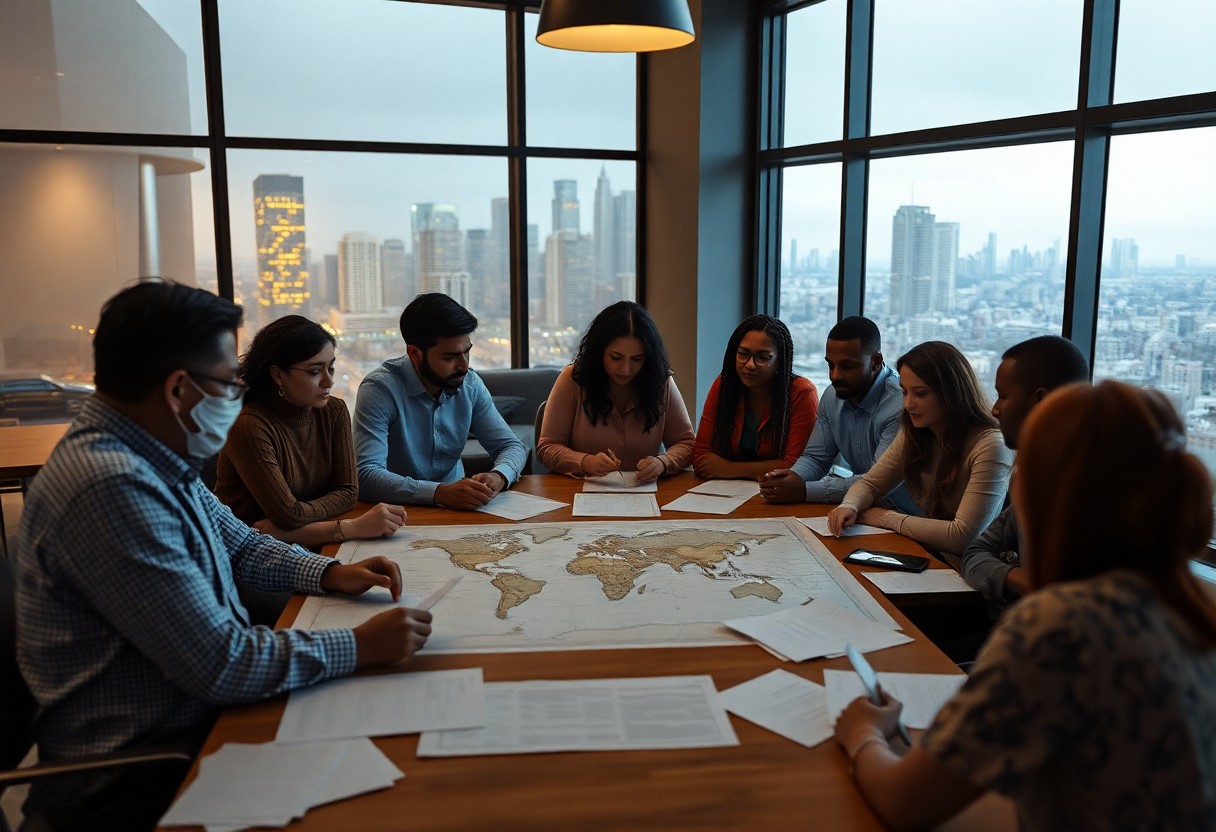

Essential Strategies – How To Address Gender Equality In The Fight Against Discrimination

There’s a pressing need for you to engage in the conversation surrounding gender equality, as it is a fundamental aspect of combating discrimination in all its forms. As you navigate this complex landscape, adopting effective strategies will empower you to foster inclusivity and equality in your community. This guide provides you with actionable steps to advocate for gender equality, influence change, and address the barriers that perpetuate discrimination, ultimately leading you toward creating a more equitable society for all.

Understanding Gender Equality

Achieving gender equality involves ensuring that individuals of all genders have equal rights, responsibilities, and opportunities. You play an important role in fostering an environment where everyone can thrive, regardless of their gender identity. As you educate yourself and engage with others on this topic, you contribute to breaking the societal norms that perpetuate discrimination and inequality.

Defining Gender Equality

Even though the term ‘gender equality’ is widely used, it encompasses more than just equal representation. It signifies that all genders should enjoy the same rights and privileges in various aspects of life, including economic participation, decision-making, and access to resources. By understanding this definition, you set the foundation for promoting fairness and justice in your community.

Importance in Addressing Discrimination

Equality is vital for dismantling various forms of discrimination that individuals face based on their gender. When you advocate for gender equality, you challenge stereotypes and biases that inhibit progress. This not only empowers marginalized groups but also enriches society as a whole. Your active engagement in promoting gender fairness contributes to a healthier, more inclusive environment, benefiting everyone.

With a commitment to gender equality, you help create a society where individuals are not judged or limited by their gender. Fostering this environment allows diverse perspectives and talents to emerge, enhancing creativity and collaboration across all sectors. By promoting gender equality, you play a significant role in reducing discrimination, encouraging mutual respect, and cultivating a culture where every voice is valued. Your efforts can lead to transformative changes that resonate beyond your immediate community.

1. Assess current gender disparities in your organization.
2. Foster open dialogue about gender equality issues.
3. Implement policies promoting equal opportunities for all.
4. Provide training on gender sensitivity and inclusivity.
5. Encourage diverse representation in leadership roles.
6. Monitor progress and adjust strategies as needed.

Identifying Discrimination Factors

Any effort to achieve gender equality must first involve identifying the various factors contributing to discrimination. This helps you understand the roots of inequality and informs your strategies. Key discrimination factors may include:

  • Stereotypes and biases
  • Social norms and values
  • Legal frameworks
  • Institutional barriers

The awareness of these factors enables you to address the specific areas where improvement is needed.

Cultural Influences

Now, let’s explore the cultural influences that often shape perceptions of gender roles. These cultural narratives can reinforce stereotypes, making it necessary for you to challenge and reshape these societal norms. Engaging in conversations about gender roles and advocating for diverse representation can shift mindsets and promote equality.

Economic Barriers

Some economic barriers contribute significantly to gender inequality, making it difficult for women and marginalized groups to access the same opportunities as their male counterparts. These barriers can manifest in various forms, such as wage disparities, limited career advancement, and unequal access to financial resources.

The recognition of economic barriers is vital for creating an equitable environment. Understanding that systemic issues, such as unequal pay and fewer opportunities for professional development, affect your potential is key. By addressing these barriers through policy changes and advocacy, you can work towards a more inclusive economic landscape that benefits everyone.

How to Promote Gender Equality

Now, you can play a significant role in promoting gender equality by initiating conversations and raising awareness within your community. Engage in local groups and collaborate with organizations focused on this important issue to foster change. By combining efforts, you can create an inclusive environment that encourages gender equity and empowers individuals regardless of their gender identity.

Education and Training

The foundation of promoting gender equality lies in comprehensive education and training. By providing educational resources and workshops, you can equip individuals with the knowledge and awareness necessary to challenge stereotypes and discriminatory practices. You are not only helping to promote understanding but also empowering the next generation to build a more equitable society.

Advocacy and Policy Change

Training advocates and decision-makers can significantly influence gender equality in policies and practices. It’s necessary to develop campaigns that address gender parity and push for reforms in legislation. By actively engaging with policymakers and demonstrating the importance of gender equality, you are helping to ensure impactful changes that benefit everyone.

Promote advocacy initiatives by collaborating with local organizations and community leaders to highlight the need for policy revisions that support gender equality. Use social media and public forums to raise awareness and encourage others to join the cause. Fostering a united front can accelerate the push for systemic changes, making your community a more inclusive space for everyone.

Tips for Effective Communication

Your approach to communication can significantly influence the dialogue surrounding gender equality. To enhance your effectiveness, consider the following tips:

  • Use inclusive language that respects all gender identities.
  • Listen actively to both women’s and men’s perspectives.
  • Be open to feedback and adjust your messaging accordingly.
  • Utilize data and statistics to support your arguments.
  • Share stories to make your points relatable and impactful.

Assume that fostering an open dialogue is the key to addressing concerns about discrimination effectively. For more insights, check out How Can We Stop Gender Discrimination?.

Engaging Stakeholders

Even the most well-intentioned efforts may fall short without the involvement of key stakeholders. Prioritize collaboration by identifying and including individuals and groups who are affected by gender disparities. Their insights will enrich your strategies, making them more relevant and effective.

Leveraging Social Media

Any effective campaign for gender equality should utilize social media platforms for outreach. This modern tool allows you to engage a diverse audience and spread your message widely and quickly.

Media channels such as Twitter, Instagram, and Facebook enable you to amplify your concerns and mobilize community support. Use these platforms to share informative content, highlight success stories, and create discussions that resonate with a broad audience, ultimately fostering a collective commitment to gender equality.

Implementing Action Plans

After developing a comprehensive understanding of gender equality, it is imperative to implement action plans tailored to address specific discrimination issues. These plans should include an array of initiatives aimed at promoting inclusiveness and ensuring equal opportunities across your organization. Engaging stakeholders, allocating resources, and establishing timelines will support timely execution and help foster a workplace culture that champions diversity and equality.

Setting Goals

Clearly defined goals are the foundation of your action plan. Establishing measurable, realistic, and time-bound objectives will guide your efforts to achieve gender equality. Focus on specific areas where inequities exist, and ensure that these goals resonate with the overall mission of your organization. By doing so, you will create a clear framework that motivates your team and drives positive change.

Measuring Progress

If you want to ensure the effectiveness of your action plans, it is important to measure progress regularly. This involves collecting data on key performance indicators related to gender equality, such as representation, pay equity, and promotion rates. Analyzing this information will provide valuable insights into the impact of your initiatives and identify areas that require further attention.

This process of measurement is vital for establishing accountability within your organization. By consistently reviewing data and evaluating outcomes, you can adjust your strategies to enhance their effectiveness. Furthermore, sharing progress updates with your team cultivates an inclusive atmosphere that encourages commitment towards collective goals. Engaging in transparent reporting also strengthens trust and signifies your dedication to gender equality, demonstrating to all stakeholders that you value their contributions to this imperative cause.

Building Partnerships for Change

Not tackling gender equality in isolation can limit your impact. Embrace collaboration by forming strategic alliances with various stakeholders. To learn more, explore Goal 5: Gender equality. Together, you can amplify your efforts and drive systemic change.

Collaborating with Organizations

An effective approach to gender equality involves partnering with organizations dedicated to this cause. By aligning your mission with those who share your vision, you can pool resources, knowledge, and influence to create a more significant impact on policies and practices.

Engaging Community Leaders

Assuming an active role in engaging community leaders is important to foster local support and empower grassroots movements. Their insights and influence will help you tailor initiatives that resonate within your community.

With community leaders on your side, you can foster meaningful dialogue and build trust among diverse groups. Their established presence can mobilize resources and inspire collective action, creating a supportive environment for gender equality initiatives. By working together, you pave the way for sustainable changes that resonate across the community, ensuring that efforts to eliminate discrimination are not only heard but also embraced and sustained.

Summing up

So, as you navigate the complexities of gender equality in the fight against discrimination, it is vital that you adopt a multi-faceted approach. Focus on education, awareness, and advocacy while engaging with communities and organizations invested in this cause. Advocate for policy changes and ensure inclusive practices in your own environment. By empowering both yourself and others, you can contribute to meaningful change and create a more equitable society for all genders. Your efforts can spark conversations and inspire actions that pave the way for a fairer future.

Innovative Tactics – How To Promote Gender Equality In Health And Wellness Programs

Most health and wellness programs can significantly benefit from innovative strategies aimed at promoting gender equality. By implementing targeted initiatives, you can create a more inclusive environment that appreciates and addresses the unique health needs of all genders. In this post, you’ll discover effective tactics to enhance your programs, making them not only more equitable but also more impactful. These insights will empower you to foster a health and wellness landscape where everyone feels valued and supported.

Understanding Gender Equality in Health and Wellness

Before addressing the importance of promoting gender equality in health and wellness programs, it’s vital to grasp the concept itself. Gender equality means ensuring that both men and women have equal access to health resources, opportunities, and decision-making processes affecting their health and wellness. You can learn more about this dynamic by exploring What Role Do Workplace Wellness Programs Play in ….

Importance of Gender Equality

Even the most progressive societies can struggle with gender disparities in health. Promoting gender equality in health and wellness programs helps eliminate discrimination and enhances community well-being. This approach leads to healthier outcomes for everyone, creating a balanced environment where all individuals thrive.

Key Factors Affecting Access to Health and Wellness Programs

Some of the significant factors that can influence your access to health and wellness programs include:

  • Socioeconomic status
  • Cultural beliefs and attitudes
  • Education level
  • Availability of resources

Perceiving these obstacles is the first step toward advocating for more inclusive health programs.

Importance of addressing key factors affecting access cannot be overstated. It’s vital to consider the barriers individuals face which include:

  • Limited transportation options
  • Workplace flexibility
  • Lack of representation in health programming
  • Addressing stigma and discrimination

Perceiving these challenges can empower you to seek solutions that promote better health equity for everyone.

1. Assess current health programs for gender disparities present.
2. Engage diverse stakeholders for collaborative program development.
3. Tailor services to meet unique needs of all genders.
4. Implement educational campaigns to raise awareness and understanding.
5. Measure program impact and adjust strategies as needed.
6. Share success stories to inspire further community involvement.

How to Assess Current Programs for Gender Inclusivity

Some organizations overlook the importance of evaluating existing health and wellness programs for gender inclusivity. To create an equitable environment, you must first analyze how well your programs cater to the diverse needs of all genders. This means not only assessing participation rates but also understanding how different groups experience your offerings. By conducting a thorough assessment, you can identify gaps and opportunities for improvement in your programs.

Evaluation Techniques

Now, incorporate various evaluation techniques to draw meaningful insights from your assessments. Use quantitative approaches, such as surveys and metrics on program participation, alongside qualitative methods like focus groups and interviews. This dual approach helps you gather a comprehensive view of the effectiveness of your gender inclusivity efforts and pinpoint specific areas for enhancement.

Feedback Mechanisms

Inclusivity in your health and wellness programs greatly relies on effective feedback mechanisms. Take the time to solicit input from all participants, ensuring that everyone feels comfortable sharing their experiences and challenges. By establishing anonymous surveys, suggestion boxes, or engaging in open discussions, you create a space where individuals can voice their opinions without hesitation, allowing you to better understand the effectiveness of your programs.

Evaluation insights you garner from feedback mechanisms should be regularly reviewed and acted upon. You may find patterns in the responses that highlight specific needs or barriers faced by different gender groups. Implementing changes based on this feedback not only demonstrates your commitment to inclusivity but also fosters a sense of trust and belonging among participants. Engaging with their perspectives provides you with valuable information to refine your programs continually.

Innovative Promotional Strategies for Gender Equality

Many organizations are finding creative ways to promote gender equality in health and wellness programs. By utilizing innovative promotional strategies, they can effectively engage diverse audiences and foster positive change. Tailoring messages to resonate with different demographics ensures that initiatives are inclusive and impactful. Incorporating storytelling, partnerships, and resources aligned with gender equality principles further amplifies these efforts, creating a supportive environment for all participants.

Community Engagement

You can enhance gender equality in health and wellness programs through active community engagement. Hosting local workshops, health fairs, or panel discussions allows for meaningful conversations around gender-specific health concerns. By leveraging the strengths and voices of community members, you foster an environment where everyone feels valued and heard, ultimately leading to greater awareness and support for gender equality initiatives.

Social Media Campaigns

There’s a significant opportunity to promote gender equality through well-crafted social media campaigns. By leveraging platforms like Instagram, Twitter, and Facebook, you can reach broad audiences and spark conversations around gender issues in health and wellness. Thought-provoking content, shareable posts, and engaging visuals can help to raise awareness and encourage participation in your programs.

Engagement on social media allows for real-time feedback and interaction, which can deepen your connection with the audience. Use hashtags that promote gender equality and encourage users to share their experiences. Collaborating with influencers or community leaders can amplify your message and increase visibility. Regularly updating your content with educational posts, success stories, and informative resources not only fosters community but also reinforces your commitment to gender equality in health and wellness. This approach will cultivate an empowered audience that supports and spreads your initiatives.

Tips for Collaborating with Stakeholders

Keep effective communication at the forefront of your strategy to foster successful collaboration with stakeholders. Prioritize these actions:

  • Identify common goals and objectives.
  • Establish clear roles and responsibilities.
  • Regularly share updates and progress reports.
  • Encourage feedback and open dialogue.
  • Recognize and celebrate achievements together.

Thou should always strive to build strong relationships that propel your initiatives forward. If you’re looking for strategies, check out How to Promote Health and Wellness for Women in the Workplace.

Building Partnerships

Some partnerships can significantly enhance your health and wellness programs. By aligning with like-minded organizations, you can share resources and knowledge, ultimately improving your approach to gender equality. Building these connections fosters a network of support and innovation.

Leveraging Resources

Any effective program utilizes available resources to maximize impact. Pooling resources from various stakeholders allows you to create comprehensive health and wellness initiatives tailored for both men and women.

For instance, you might collaborate with local health providers, nutritionists, or fitness experts to offer workshops or health screenings. By leveraging existing programs, you can enhance your offerings while avoiding redundancy. Combine your efforts with community organizations that focus on similar goals, enabling you to share costs and expertise, which significantly increases the accessibility and impact of your initiatives.

Implementing Gender-Sensitive Approaches

Not only should programs be tailored to accommodate varying health needs, but they must also embrace gender-sensitive methodologies that recognize and address the specific barriers faced by different genders. By incorporating gender analysis into planning and delivery, you ensure that your health and wellness initiatives are holistic and equitable, ultimately fostering a more inclusive environment for all participants.

Training and Education

Little attention is often given to the importance of training staff in gender sensitivity. Providing your team with educational resources equips them with the understanding necessary to engage effectively with diverse populations. This training can lead to improved communication and trust, making your health programs more approachable and supportive.

Policy Development

With a well-structured policy framework, you can promote gender equality and guide consistent practices within your health and wellness programs. Establishing clear guidelines ensures that all staff members understand their roles in addressing gender disparities, thus fostering a culture of accountability. These policies should be regularly reviewed and updated to reflect evolving societal norms and the specific needs of your target demographics.

Approaches to policy development should involve stakeholder engagement, ensuring that perspectives from all gender identities are represented. By actively seeking input from diverse community members, you create policies that are both inclusive and impactful. This collaborative process not only enhances the relevance of your programs but also encourages ownership and commitment from participants, making gender equality a shared goal.

Measuring Impact and Success

After implementing innovative tactics in your health and wellness programs, it’s vital to measure their impact on promoting gender equality. Utilizing comprehensive evaluation tools enables you to analyze the effectiveness and identify areas for improvement. For more insights, explore Promoting Gender Equality through Health | Global Health.

Metrics for Evaluation

Measuring the effectiveness of your programs requires specific, quantitative metrics that reflect gender equality outcomes. Use metrics such as participation rates, health outcomes, and satisfaction surveys to gauge success and track improvements over time.

Continuous Improvement Strategies

Evaluation of your programs should lead to actionable strategies for continuous improvement. By regularly assessing your metrics, you can adapt and refine your initiatives to better serve both genders and ensure that your health and wellness programs remain effective and inclusive.

Success in promoting gender equality relies on your ability to embrace feedback and adapt to emerging needs. Conducting periodic assessments and engaging stakeholders in discussions about program effectiveness allows you to optimize strategies, ensuring that your wellness initiatives effectively address the diverse needs of all participants. By fostering a culture of learning and adaptation, you reinforce the commitment to gender equality in health and wellness.

Conclusion

Conclusively, promoting gender equality in health and wellness programs requires innovative tactics that actively engage you and your community. By incorporating diverse perspectives, ensuring accessibility, and fostering inclusive environments, you can create programs that cater to the unique needs of all genders. It’s important for you to advocate for policies that address disparities and to participate in initiatives that emphasize equal representation in health-related fields. Your commitment to these practices not only enhances well-being but also cultivates a more equitable society for everyone.

Gender Equality In Times Of Crisis – Addressing Discrimination Amidst Global Instability

Gender disparities often widen in times of crisis, affecting your rights, health, and economic stability. As you navigate the implications of global instability, it is crucial to understand how discrimination against genders intensifies during such periods. Addressing these challenges demands collective action and awareness. For insights on elevating women’s health amidst crises, check out this Global Call to Action: Addressing Women’s Health Amidst …. Engage with these pressing issues to foster equitable solutions for all.

Understanding Gender Equality

For anyone striving to create a balanced society, understanding gender equality is vital. It encompasses the equal treatment of individuals, regardless of their gender, ensuring that everyone has the same opportunities, rights, and resources. Achieving gender equality is not just a matter of fairness; it is vital for driving social progress and improving community health and economic stability during times of crisis.

The Concept of Gender Equality

After all, the essence of gender equality lies in the belief that all genders should have equal rights, responsibilities, and opportunities. It promotes a vision where your choices are not limited or influenced by your gender, allowing everyone to thrive in personal and professional spheres. This foundational principle drives efforts towards building inclusive societies, where every individual can contribute meaningfully.

Historical Context of Discrimination

Equality has historically been undermined by systemic discrimination, affecting various genders differently across cultures and epochs. Understanding this context helps you recognize persistent inequalities and injustices that current generations still grapple with, paving the way for meaningful discussions and actionable solutions.

With deep roots in societal structures, discrimination has often manifested through laws, traditions, and practices that privileged certain genders over others. This historical backdrop reveals how power dynamics shaped your experiences and opportunities. By acknowledging the injustices of the past, you can better appreciate the ongoing challenges in achieving gender equality today, fostering a commitment to rectifying these inequalities in your community.

1. Crisis amplifies existing gender inequalities globally.
2. Women often bear the brunt of instability impacts.
3. Discrimination must be combated through targeted policies.
4. Inclusive decision-making enhances resilience during crises.
5. Economic recovery relies on empowering marginalized genders.
6. Advocacy is necessary for sustaining gender equality efforts.

Impacts of Global Crises on Gender Inequality

One of the most alarming consequences of global crises is the exacerbation of existing gender inequalities. According to the SIGI 2023 Global Report: Gender Equality in Times …, crises such as pandemics, conflicts, and economic downturns tend to disproportionately affect women, leading to increased violence, economic instability, and limited access to vital resources. You may find that societal structures often become more rigid, making it harder for you to advocate for gender equality during these turbulent times.

Economic Instability

Before a crisis, economic disparities often exist, but during turbulent times, these disparities can deepen significantly. You may notice that job losses tend to hit women harder, particularly in sectors like hospitality and retail. Additionally, with increased financial strain, many families may prioritize education for male children, thereby limiting opportunities for girls and women.

Social and Political Factors

The social and political landscape during crises typically reflects heightened discrimination against women. You might witness increases in gender-based violence and decreased political representation. Factors contributing to this include:

  • Disruption of support networks
  • Policy decisions that overlook women’s needs
  • Increased workload for women at home

Thou can see that the pandemic and other crises can push gender issues further down the agenda, making it even more challenging for you to effect change.

Further analysis shows that the intersection of socio-political factors and global crises magnifies gender inequality. You may observe governments focusing resources on economic recovery while neglecting initiatives addressing gender-based issues. The omitted aspects include:

  • Overlooking women’s voices in decision-making
  • Failure to address legislative gaps
  • Inadequate support for women’s rights organizations

Thou can take actionable steps by advocating for inclusive policies that consider gender perspectives during recovery efforts.

Case Studies of Gender Discrimination During Crises

Not only do crises magnify existing inequalities, but they also expose alarming patterns of gender discrimination. Some significant case studies highlight these issues:

  • In conflicts like Syria, 70% of women reported increased levels of violence.
  • Post-Hurricane Katrina, women faced a 40% higher risk of sexual assault in shelters.
  • During the Ebola outbreak, women’s healthcare access was reduced by 80% in affected regions.
  • COVID-19 lockdowns led to a 25% rise in domestic violence reports in several countries.

Impact of COVID-19 Pandemic

Beside the health crisis, the COVID-19 pandemic has disproportionately affected women in the workforce, leading to a 5% increase in unemployment among women compared to 3% for men. Your experience during this time might have involved stark changes, such as job loss or increased caregiving burdens, reflecting the ongoing gender disparity in various sectors.

Natural Disasters and Gender Dynamics

An examination of natural disasters reveals that women often face unequal challenges during recovery efforts. Their roles as primary caregivers and the lack of representation in decision-making processes exacerbate vulnerabilities in post-disaster scenarios.

Also, studies show that women are more likely to be affected by the socio-economic impacts of natural disasters. For instance, after the 2010 Haiti earthquake, reports indicated that 80% of displaced individuals were women and children. You may find it important to understand that in such situations, women’s access to resources, safety, and leadership opportunities are often severely limited, perpetuating a cycle of inequality.

Strategies for Promoting Gender Equality

Despite the numerous challenges that arise during times of crisis, there are effective strategies you can implement to promote gender equality within your community. By prioritizing inclusive practices and policies, you can foster an environment that not only addresses current disparities but also builds a foundation for long-term equality. Collaborative efforts among various stakeholders, including government, NGOs, and community members, will enhance the effectiveness of your initiatives.

Policy Frameworks and Initiatives

Frameworks that support gender equality need to be established and reinforced through comprehensive policies and initiatives. These policies should aim to eliminate discrimination and ensure that women and marginalized groups have equal access to resources, decision-making processes, and opportunities. By advocating for laws that protect against gender-based violence and promote economic empowerment, you can create a more equitable society.

Grassroots Movements and Activism

To drive change effectively, grassroots movements and activism play a vital role in raising awareness and mobilizing your community toward gender equality. These movements empower individuals to speak out against injustices and advocate for systemic change at local and national levels.

Consequently, grassroots movements can uniquely respond to the needs and concerns of underrepresented communities. By organizing local events, workshops, and campaigns, you can amplify voices that are often marginalized in mainstream discussions. These actions not only foster solidarity but also create a sense of ownership among participants, driving community-led solutions. Engaging with civil society and encouraging collaboration can further enhance the visibility and effectiveness of these movements, making a decisive impact on gender equality during times of crisis.

The Role of International Organizations

All international organizations play a significant role in promoting gender equality during times of crisis. By leveraging their resources, expertise, and influence, these organizations address various forms of discrimination, ensuring that women and marginalized communities receive support and protection. They are instrumental in shaping policies and practices that aim to reduce gender disparities, particularly in areas severely affected by global instability.

UN and Gender Equality Mandates

Behind its numerous resolutions and frameworks, the United Nations embodies a commitment to gender equality. The UN’s various agencies, like UN Women and the Human Rights Council, focus on eliminating discrimination against women and promote women’s empowerment, creating a foundation for addressing gender inequality, especially in conflict and crisis situations.

Collaborative Efforts for Change

Before sustainable progress can be achieved, collaboration among international entities is vital. Global networks and partnerships enable diverse stakeholders—including governments, NGOs, and grassroots organizations—to pool resources and knowledge, crafting effective interventions that address the unique challenges posed by crises, ultimately fostering gender equality.

For instance, joint initiatives between UN agencies and local organizations often provide much-needed resources, capacity-building, and advocacy efforts tailored to specific contexts. These collaborations facilitate the sharing of best practices and innovation in addressing gender-specific issues, while also amplifying marginalized voices. By combining efforts, you can contribute to a more holistic approach that not only addresses gender inequality during crises but also builds resilience against future challenges.

Future Directions for Gender Equality

After analyzing the impacts of crises on gender equality, it is imperative to chart a path forward. You should advocate for policies that prioritize equitable opportunities in all sectors. By engaging in dialogues that amplify women’s voices and experiences, you can contribute to building a foundation for sustainable gender equality that empowers individuals and communities alike.

Addressing Systemic Barriers

One of the first steps you can take is to identify and dismantle systemic barriers that hinder progress. These barriers are often deeply ingrained in social, economic, and political structures. You can work towards achieving this by promoting inclusive policies and practices that offer equal access and opportunities across all domains of society.

Building Resilience Through Gender Inclusivity

Future efforts in building resilience must focus on gender inclusivity as a strategic approach. By integrating diverse perspectives, you can foster a more adaptive and resourceful community capable of withstanding crises.

But embracing gender inclusivity is not just a response to immediate challenges; it’s a proactive strategy for long-term societal stability. When you ensure that all voices are included in decision-making processes, you create a foundation that allows for innovative solutions and comprehensive support systems. This inclusivity helps cultivate resilience, enabling communities—and you—to navigate future uncertainties with strength and solidarity.

To wrap up

To wrap up, it’s crucial for you to recognize that achieving gender equality during times of crisis demands your active participation and commitment. As global instability exacerbates gender discrimination, your efforts can help illuminate pathways for inclusive solutions. Engaging with resources such as the Gender Equality Strategy 2022-2025 | UNDP can equip you with the knowledge and tools necessary to advocate effectively for equality in your community and beyond. Your voice is significant in fostering a more equitable world for everyone.

The Intersection Of Gender Equality And Climate Action – Why It Matters

You may not realize the profound connection between gender equality and climate action. Understanding this intersection is vital for fostering a more sustainable future for everyone. Women are often disproportionately affected by climate change, yet they play a vital role in creating solutions. By empowering women in climate strategies, you can contribute to more effective and equitable outcomes. Explore how these issues intertwine by reading about What does gender equality have to do with climate change?

Understanding Gender Equality

Your understanding of gender equality is important for fostering a fair and just society. It encompasses the idea that individuals should have equal rights, responsibilities, and opportunities, regardless of their gender. Gender equality is not just a women’s issue; it benefits everyone by promoting social and economic advancements, creating diverse workplaces, and ensuring inclusive decision-making processes that reflect the needs of all community members.

Definition and Importance

The significance of gender equality lies in its potential to drive progress across all sectors of society. When men and women participate equally in shaping policies, economies, and communities, it leads to more innovative solutions to pressing challenges, including climate change. Gender equality enhances resilience and sustainability, ensuring that everyone has a voice in shaping the future.

Historical Context

With a long history of gender inequality, societal norms have often placed men in dominant positions, sidelining women and other marginalized genders. This imbalance has influenced access to education, employment, and resource distribution—factors that are vital for effective climate action and sustainable development.

Considering the historical context, you can observe how traditional gender roles have shaped societies and contributed to systemic inequities. Women have been predominantly excluded from decision-making processes, particularly in environmental governance. This past marginalization underscores the need for inclusive approaches today. By integrating gender perspectives into climate action, you can help dismantle these historical barriers and empower women to make significant contributions to sustainability. Acknowledging this context not only informs present actions, but it also promotes a more equitable future for all genders.

1. Gender equality enhances effective climate action strategies.
2. Women often bear brunt of climate impacts globally.
3. Empowering women leads to sustainable environmental practices.
4. Diverse perspectives foster innovative solutions for climate challenges.
5. Inclusive policies strengthen resilience against climate change effects.
6. Education for girls amplifies community climate resilience efforts.

Climate Change and Its Impact

You may not realize it, but climate change is a pressing issue that exacerbates existing environmental and social challenges. As temperatures rise and weather patterns become increasingly unpredictable, you might experience heightened risks, such as more frequent natural disasters, food insecurity, and health issues. These changes affect not only ecosystems but also the lives of people worldwide, making it critical for everyone to understand the severity and implications of climate change.

Overview of Climate Change

At its core, climate change refers to long-term alterations in temperature and typical weather patterns. Influenced primarily by human activities—such as burning fossil fuels and deforestation—these changes lead to global warming and associated environmental consequences. The profound impact of these shifts requires awareness and action from individuals, communities, and policymakers alike.

Vulnerable Populations and Disparities

One of the most concerning aspects of climate change is its disproportionate impact on vulnerable populations. These groups, often marginalized and under-resourced, face the greatest risks from environmental degradation. Factors such as socioeconomic status, location, and ethnicity can determine how climate-affected communities respond to and recover from these challenges.

Change in climate can deepen existing inequalities, as vulnerable populations may lack access to resources needed to cope with its effects. For instance, communities in developing countries often depend on agriculture for their livelihoods and are particularly susceptible to changing weather conditions. Moreover, women, children, and low-income households frequently face additional barriers that hinder their adaptive capacity. Addressing these disparities is necessary for effective climate action, ensuring that solutions are equitable and inclusive for all.

The Link Between Gender Equality and Climate Action

Despite the growing recognition of the interconnection between gender equality and climate action, these issues remain largely siloed. Climate change disproportionately impacts women, particularly in developing regions, exacerbating existing inequalities. You must understand that empowering women and addressing gender disparities can lead to more effective climate solutions. When women participate in decision-making processes, they bring diverse perspectives and solutions that deepen community resilience against climate impacts.

Women as Agents of Change

Women have proven to be powerful agents of change in environmental sustainability and climate advocacy. By actively participating in local and global initiatives, they contribute unique insights and resources that lead to effective climate actions. Your recognition of women’s roles in conservation and climate resilience is vital, promoting their leadership within communities can foster innovations that advance sustainable practices while addressing gender disparities.

Gender-responsive Climate Policies

Agents of change can only thrive in environments that embrace gender-responsive climate policies. Such policies recognize the different impacts of climate change on various genders and ensure that women’s voices are included in all climate discussions. You have the opportunity to advocate for initiatives that prioritize gender equality, as this will enhance the effectiveness and sustainability of climate solutions.

To develop and implement gender-responsive climate policies, it is vital to integrate gender analysis into climate action frameworks. This means understanding how climate change uniquely impacts women and men, as well as recognizing the critical contributions women make to environmental stewardship. By ensuring that policies reflect these dynamics, you can help create solutions that not only mitigate climate change but also empower women, thereby fostering greater social equity and environmental resilience.

Case Studies of Gender and Climate Initiatives

Once again, the interplay between gender equality and climate action is vividly illustrated through practical case studies. The following initiatives highlight this intersection:

  • 1. The Women’s Climate Center in Rwanda: Empowered 300 women farmers, leading to a 40% increase in crop yields.
  • 2. Malawi’s Climate Change Adaptation Program: Involved 200 female farmers, resulting in a 30% reduction in food insecurity.
  • 3. India’s Solar Mamas: Trained over 750 women in solar energy installation, improving local access to electricity by 60%.
  • 4. Peru’s Gender-responsive Climate Policies: Integrated gender perspectives, enhancing community resilience in 150+ locales.

You can explore more about these intersections in the resource on Gender and climate: 6 points of intersection.

Successful Examples Globally

One notable success comes from the Philippines, where a project successfully trained 1,000 women in sustainable agriculture practices, resulting in a 25% increase in household incomes while promoting environmental stewardship. This initiative underscores the positive ripple effects that gender-inclusive climate action can produce globally.

Lessons Learned and Best Practices

Between various initiatives, you can draw critical insights on effective practices and strategies. Collaboration with local communities and integrating gender perspectives into climate policy has proven imperative in amplifying the impact of your initiatives.

Lessons learned from these programs highlight the importance of inclusive decision-making. Engaging women in climate action not only leads to equitable outcomes but also enhances environmental sustainability. Your commitment to incorporating gender considerations can greatly strengthen the effectiveness of climate initiatives, maximize resource utilization, and foster community resilience.

Strategies for Integrating Gender in Climate Action

For effective climate action, you must integrate gender considerations at every level of decision-making. Understanding the unique experiences and challenges faced by different genders allows for a more inclusive approach, which can lead to more sustainable and equitable outcomes. Implementing gender-responsive strategies in climate policies, programs, and initiatives will not only address the specific needs of diverse populations but can also enhance the overall effectiveness of climate solutions.

Policy Recommendations

Action is required to implement gender-responsive policies that recognize the unique roles and needs of different genders in climate resilience and adaptation. You should advocate for guidelines that incorporate gender analysis into climate policies, ensuring equitable resource distribution and access. By doing this, you can support initiatives that empower women and other marginalized groups, leading to more comprehensive and effective climate action.

Community Engagement and Education

Along with developing policies, educating and engaging your community on gender and climate issues is vital for fostering a more inclusive approach. Through workshops, forums, and collaborative projects, you can facilitate discussions that highlight the interconnections between gender equality and climate action.

With innovative community engagement strategies, you can create spaces for marginalized voices to be heard, ensuring that diverse perspectives shape climate solutions. Programs that educate on the impact of climate change on different gender groups can empower individuals to take action within their local settings. Fostering partnerships with local organizations and leveraging community knowledge will enhance your efforts, creating a collective understanding of the steps needed for effective climate action that prioritizes gender equality.

Challenges to Overcome

Not all initiatives for gender equality and climate action succeed without facing significant challenges. Both systemic issues and societal biases create obstacles that impede progress. As you explore these challenges, you’ll recognize the urgency of addressing institutional barriers and shifting cultural attitudes, which are crucial to achieving sustainable solutions for everyone.

Institutional Barriers

At the heart of the struggle for gender equality in climate action are institutional barriers that persist across various levels of governance. These obstacles can manifest as lack of funding, insufficient policy frameworks, and limited representation of women in decision-making roles. You may find that tackling these barriers requires a concerted effort to reform existing structures and establish equitable practices that prioritize inclusivity.

Cultural Attitudes and Perceptions

Perceptions of gender roles and environmental responsibility are deeply intertwined, often affecting the effectiveness of climate action strategies. You may notice that traditional views can undermine women’s contributions and perspectives in environmental discussions, resulting in gendered disparities in both responsibility and impact.

With diverse cultural norms influencing gender perceptions, it’s vital to address how these attitudes shape your understanding of environmental challenges. When women are sidelined or stereotyped in climate discussions, you not only lose valuable insights but also hinder meaningful solutions. Challenging these cultural norms will empower women, fostering a more holistic approach to climate action that recognizes everyone’s potential to contribute. You will discover that embracing these shifts leads to innovative strategies and a fuller, richer dialogue surrounding climate solutions.

Summing up

Ultimately, understanding the intersection of gender equality and climate action is necessary for you to fully grasp the complexities of both issues. By recognizing how gender disparities impact vulnerability and resilience in the face of climate change, you can advocate for more inclusive policies that benefit everyone. The empowerment of women in sustainable development not only fosters equitable solutions but also enhances environmental outcomes. For a deeper dive, explore The Intersection of Climate Change and Gender Equity to see how these areas intersect and impact our collective future.