
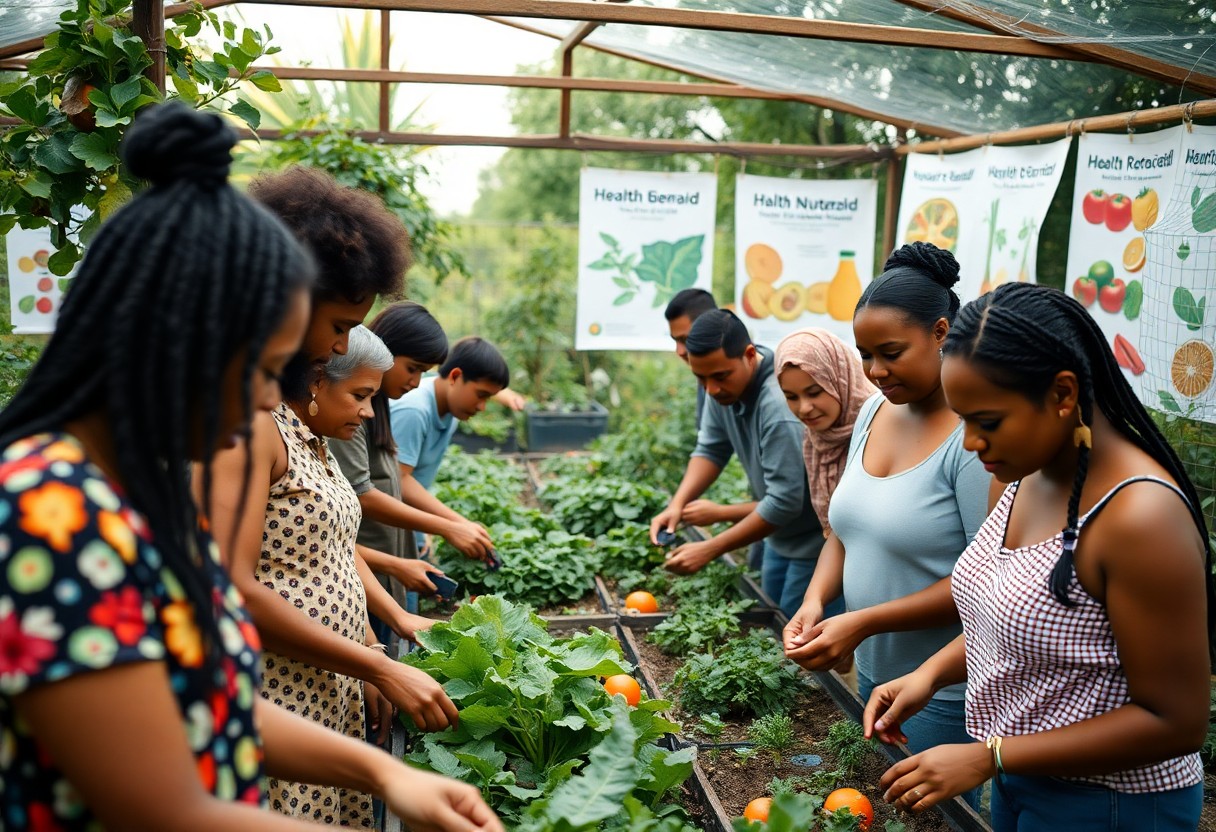
This guide offers you effective strategies to address poverty while simultaneously enhancing health and well-being in your community. By understanding the interconnectedness of economic stability and health outcomes, you can implement practical solutions that make a significant difference. From supporting local food initiatives to advocating for accessible healthcare, you’ll discover approaches that empower you and those around you. Together, we can create a healthier, more equitable society that uplifts everyone.
Understanding Poverty
To fully grasp the complexities of poverty, you must consider its multifaceted nature, as it encompasses not only lack of income but also limited access to crucial services and opportunities. According to the role of health promotion in poverty reduction, improving health outcomes is vital in breaking the cycle of poverty, as healthy individuals are better positioned to work, learn, and contribute to society.
Defining Poverty
To define poverty, you need to recognize that it extends beyond mere financial scarcity. It often includes the inability to access basic needs such as food, shelter, and healthcare, which significantly impacts your quality of life.
Key Factors Contributing to Poverty
On exploring the underlying causes of poverty, you will find that various factors significantly influence its persistence. These include:
- Limited education and skills
- Lack of employment opportunities
- Health issues and limited access to healthcare
- Social inequality and discrimination
- Political instability and conflict
Any of these factors can severely limit your chances of escaping poverty.
This understanding highlights the need for a targeted approach to address the specific causes of poverty. Focusing on the following areas can make a notable difference:
- Investing in education and vocational training
- Creating job opportunities through local businesses
- Improving access to healthcare services
- Promoting social equity and empowerment
- Strengthening political and social institutions
Any comprehensive strategy must include these elements to effectively alleviate poverty and promote well-being.
1. Assess community needs through surveys and focus groups.
2. Develop accessible health programs tailored to local populations.
3. Establish job training initiatives to enhance employment opportunities.
4. Promote nutritious food access through local farming initiatives.
5. Create partnerships with nonprofits for resource sharing and support.
6. Encourage financial literacy workshops to empower individuals economically.
Health and Wellbeing in Relation to Poverty
Any discussion on poverty must include its profound impact on health and wellbeing. Lower-income individuals often face higher rates of chronic diseases, mental health issues, and limited access to healthcare services, all of which perpetuate the cycle of poverty. Your wellbeing is closely tied to your economic situation; improving one can significantly benefit the other, making it crucial to address both issues collectively.
The Impact of Poverty on Health
With poverty comes limited access to necessities such as nutritious food, clean water, and healthcare, leading to adverse health outcomes. People living in impoverished conditions are more likely to experience higher rates of malnutrition, untreated illnesses, and mental health challenges, significantly lowering their quality of life.
Factors Influencing Overall Wellbeing
Clearly, various factors shape your overall wellbeing, including socioeconomic status, education, environment, and access to healthcare. Addressing these elements can help break the cycle of poverty and enhance your physical and mental health.
- Socioeconomic Status
- Education Level
- Access to Healthcare
- Social Connections
The interplay of these factors significantly influences your daily life, necessitating a comprehensive approach to improve your wellbeing and reduce poverty simultaneously.
Overall, focusing on individual factors can help you identify strategies to promote your wellbeing effectively. By understanding the specifics, you can take actionable steps toward improving your life circumstances.
- Personal Health Practices
- Safe Living Environment
- Support Systems
The synergy between these aspects can empower you to cultivate a healthier and more fulfilling life, ultimately working toward alleviating poverty.

Practical Strategies for Alleviating Poverty
Many communities face the challenge of poverty, but implementing practical strategies can make a significant difference. You can support initiatives aimed at increasing economic opportunities, promoting education, and enhancing access to healthcare. By understanding and applying these strategies, you can actively contribute to lifting individuals and families out of poverty while also fostering overall health and wellbeing in your community.
Economic Empowerment Initiatives
While addressing poverty, economic empowerment initiatives allow individuals to gain financial independence. You can participate in programs that provide microloans, vocational training, and entrepreneurship support to help others develop sustainable income sources. By empowering individuals through these initiatives, your community can create a more resilient economic landscape.
Access to Education and Skill Development
To effectively alleviate poverty, providing access to education and skill development is imperative. You can support local organizations that focus on improving educational facilities, offering scholarships, and delivering vocational training. These opportunities not only equip individuals with knowledge but also enhance their employability, enabling them to secure better job prospects.
Development of education and skill development programs is vital for enduring poverty alleviation. You can advocate for learning initiatives that focus on both formal education and vocational training, tailored to the needs of your community. By fostering partnerships with local businesses and educational institutions, you can help create programs that equip individuals with practical skills. This tailored approach ensures that participants are prepared to thrive in the job market, reducing reliance on temporary assistance and encouraging self-sufficiency.
Promoting Health and Wellbeing
Unlike common misconceptions, promoting health and wellbeing is not solely the responsibility of healthcare systems. It is a collective effort that requires active participation from communities. By fostering environments that prioritize health education, accessible healthcare, and mental wellness, you can contribute to a significant reduction in poverty levels. This holistic approach creates a thriving community where individuals feel supported, leading to improved overall health outcomes and a reduction in health disparities.
Community Health Programs
Now, you can engage in community health programs that provide necessary services and resources to underserved populations. These programs often focus on preventive care, health education, and mental health support, enabling individuals to better manage their health. By actively participating in or supporting local initiatives, you can help create a healthier community that empowers individuals to make informed decisions about their wellbeing.
Nutrition and Food Security Initiatives
There’s a strong link between nutrition, food security, and overall health. Many individuals living in poverty face challenges accessing healthy and sufficient food. Addressing these issues not only improves nutritional outcomes but also bolsters community health and reduces healthcare costs.
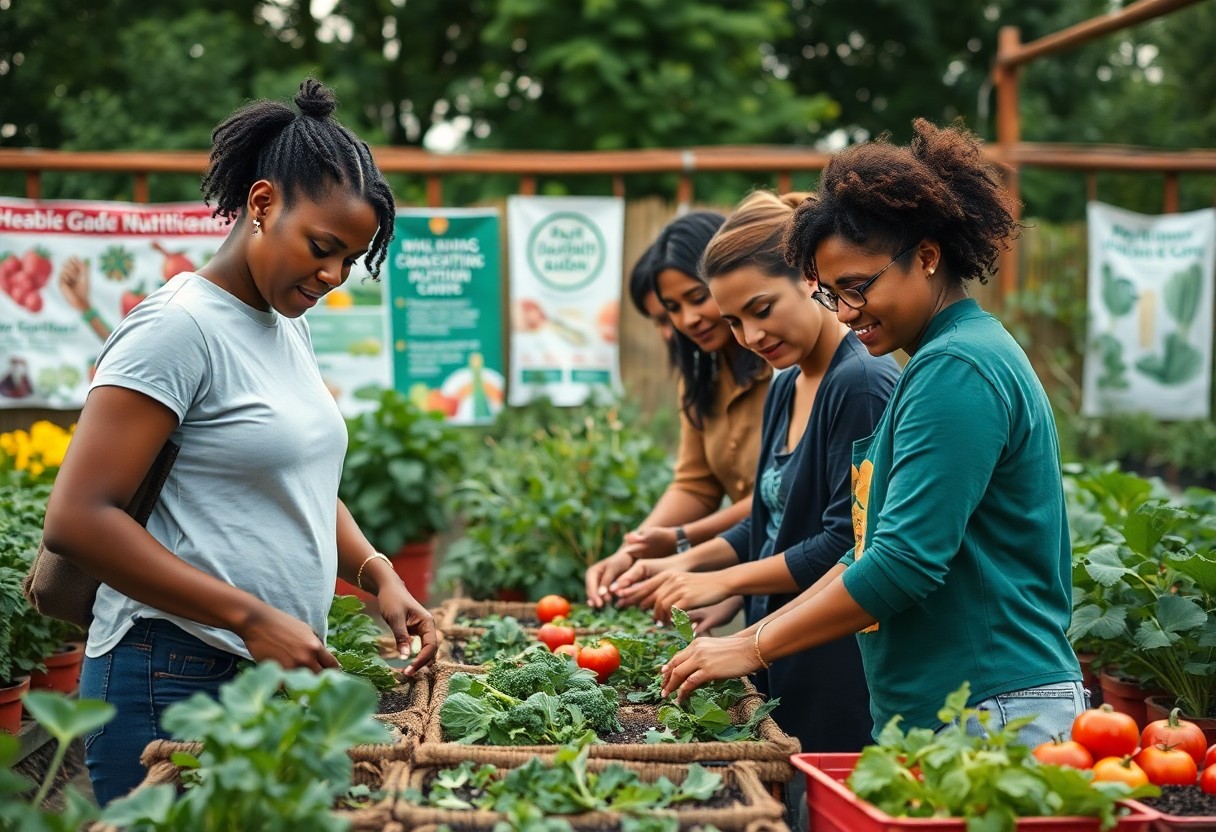
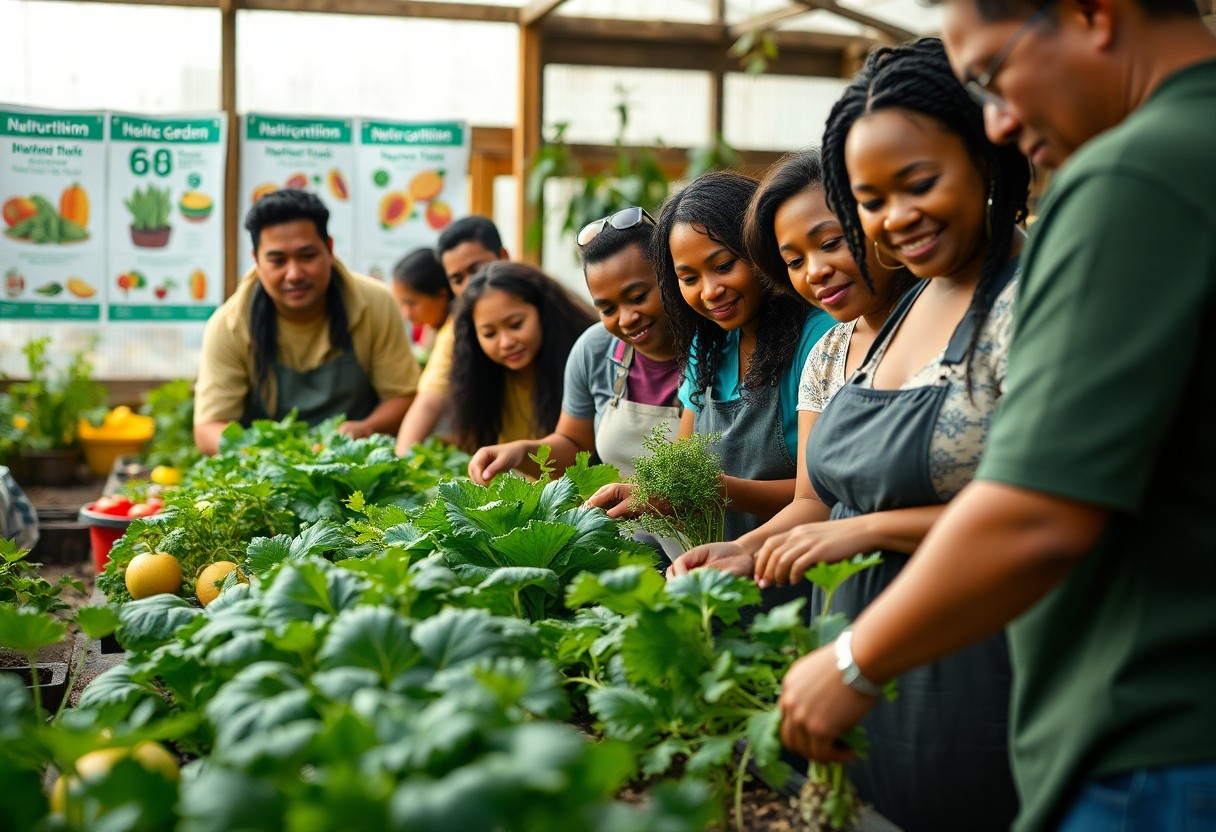
For instance, by supporting nutrition and food security initiatives, such as community gardens and food pantries, you play a vital role in ensuring that everyone has access to nutritious meals. These programs can also include education on healthy eating and cooking, empowering individuals to make better food choices. By participating in these initiatives, you’re helping to create a sustainable food environment that positively impacts health and wellness for all members of your community.
How-To Tips for Sustainable Change
Once again, sustainable change requires commitment and strategic action. Here are some tips to help guide your efforts:
- Empower individuals through education and skills training.
- Promote access to healthcare services and resources.
- Encourage community engagement and collaboration.
- Implement sustainable agricultural practices to enhance food security.
Thou must strive for continuous improvement to ensure lasting impact. Learn more about the connection between Poverty and Health.
Engaging Local Communities
Even the most well-intentioned programs will fall short without the active involvement of local communities. It’s vital for you to reach out and understand the unique needs and resources within your community. This collaborative approach fosters ownership and ensures that initiatives are relevant and effective.
Collaborating with Organizations and Stakeholders
Change often occurs faster and more effectively through powerful partnerships. By working with organizations and stakeholders, you can pool resources, knowledge, and expertise to tackle poverty and health issues more comprehensively. Engage with nonprofits, government agencies, and local businesses to create a support network that amplifies your impact.
Understanding the strengths and weaknesses of your collaborators will enhance your ability to address poverty and health concerns efficiently. Facilitate open communication, set shared goals, and build trust among partners to create an effective coalition. This synergy not only improves program outcomes but also fosters a sense of community ownership, paving the way for sustainable development.
Monitoring and Evaluating Impact
All effective poverty alleviation efforts require ongoing monitoring and evaluation to measure their impact on health and wellbeing. By systematically collecting data and analyzing outcomes, you can ascertain which initiatives are beneficial and identify areas for improvement. This process not only helps in understanding the efficacy of current strategies but also aids in ensuring accountability and transparency to stakeholders involved in your initiatives.
Setting Metrics for Success
While defining metrics for success, it is necessary to establish clear, measurable indicators that align with your goals. These metrics should be specific, relevant, and attainable, allowing you to track progress accurately. Consider both qualitative and quantitative measures, such as the number of individuals served, improvements in health outcomes, and feedback from participants to fully capture the impact of your programs.
Adjusting Strategies Based on Feedback
Even with well-defined metrics, it’s crucial to remain adaptable. Collecting and analyzing feedback from participants helps you understand the real-world effectiveness of your initiatives. As you gain insights from this feedback, you can make informed adjustments to your strategies, ensuring that your programs remain effective and aligned with the evolving needs of the community you serve.
Setting aside time to regularly review the feedback you receive is necessary. This not only allows you to correct any course deviations but also fosters community trust and engagement. By being responsive to your participants’ needs and concerns, you can refine your approaches, enhance program effectiveness, and ultimately achieve greater impact in alleviating poverty and promoting health and wellbeing.
Final Words
Hence, by implementing practical solutions that address both poverty and health, you can contribute to a more equitable society. Whether it’s through advocating for policy changes, supporting community programs, or improving access to health services, your efforts can make a significant impact. You can also educate yourself further on the relationship between poverty and mental well-being, such as in the article on Poverty and Mental Health: How Counselors Can Help. Your initiatives can lead to lasting change and improved quality of life for those affected by these interconnected issues.


