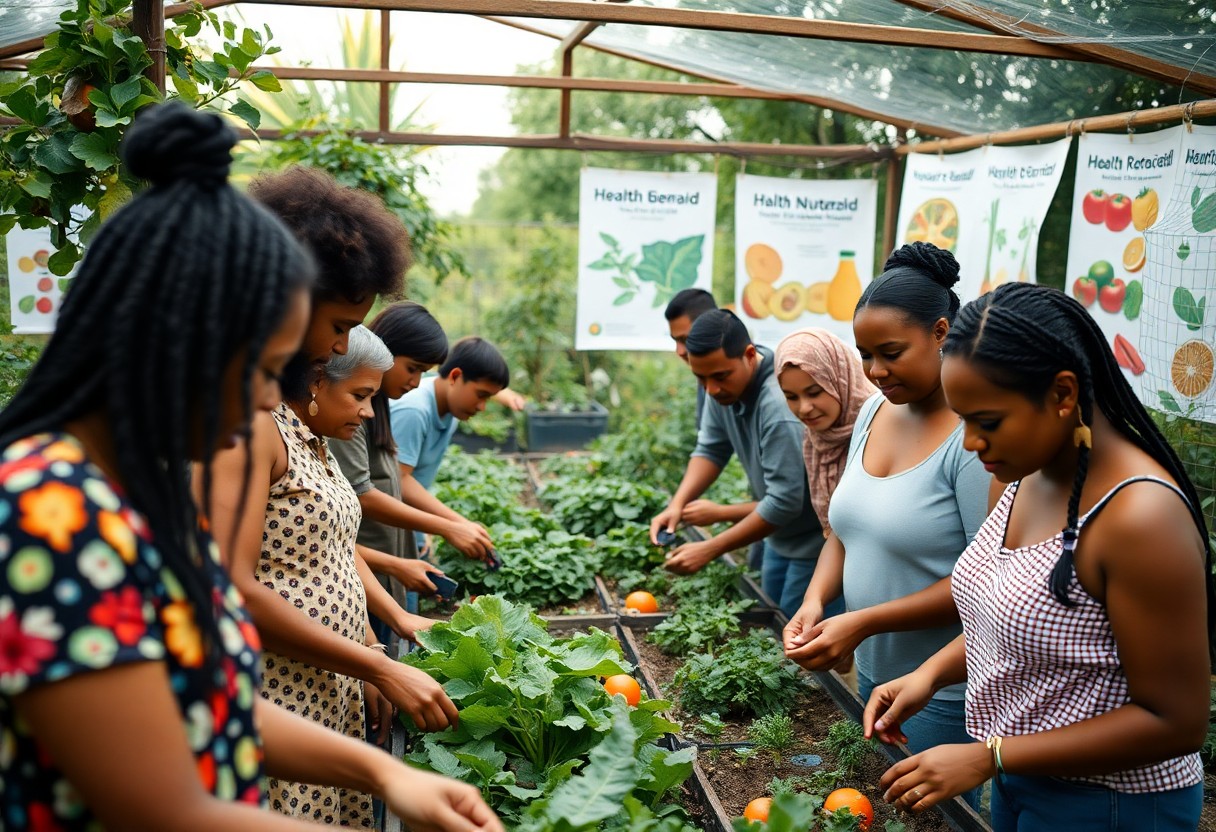

Over the years, the impacts of climate change have dramatically altered the landscape of global food systems, affecting your ability to secure reliable nourishment. In this guide, you’ll discover practical strategies to enhance your food security while navigating these environmental hurdles. By understanding the interplay between climate and agriculture, as well as implementing sustainable practices, you can better protect your food supply and ensure that your nutritional needs are met, even in uncertain times.

Understanding Food Security
The challenges posed by climate change have a direct impact on food security, highlighting the necessity for sustainable practices. Understanding these dynamics is vital for developing effective solutions. For a comprehensive exploration of food security challenges towards more resilient systems, you can refer to this resource.
Definition and Importance
To address food security, you need to grasp its definition: the state where all people have physical, social, and economic access to sufficient, safe, and nutritious food. Achieving this is fundamental for ensuring health, well-being, and the ability to thrive in communities affected by diverse challenges, including economic instability and environmental changes.
Key Challenges in Food Security
Little progress can be made if you overlook the key challenges in food security, which include climate change, political instability, and economic barriers. Each of these factors can hinder access to adequate food, impacting not only individual livelihoods but also community resilience.
For instance, climate change disrupts agricultural production through extreme weather events and shifting growing seasons, making it increasingly difficult for farmers to cultivate sufficient crops. Political conflict can lead to disrupted supply chains and inaccessible markets, while economic hardships can limit your purchasing power, making nutritious food unaffordable. Together, these challenges create a complex scenario that demands a multifaceted approach to ensure that you and your community maintain food security amidst changing conditions.
1. Assess local climate impacts on agriculture and food supply.
2. Diversify crops to withstand environmental fluctuations and pests.
3. Implement sustainable farming practices for soil and water conservation.
4. Support local food systems and community-based agriculture initiatives.
5. Educate communities on nutrition and sustainable food choices.
6. Advocate for policies promoting resilient food security strategies.
Climate Change and Its Impact
It’s undeniable that climate change significantly alters global weather patterns, leading to more extreme temperatures, fluctuating precipitation levels, and intense natural disasters. These changes threaten ecosystems and the balance of food production, sparking urgent conversations about food security. As you navigate these challenges, understanding the intricacies of climate change will empower you to seek sustainable solutions for your food systems.
Effects on Agriculture
To mitigate the impacts of climate change on agriculture, you must recognize that shifting weather conditions can lead to reduced crop yields, disrupted planting seasons, and increased pest and disease prevalence. This directly affects your ability to grow food sustainably, emphasizing the importance of adopting resilient agricultural practices to ensure food availability.
Socio-Economic Implications
Climate change impacts your socio-economic landscape by exacerbating food insecurity, increasing costs, and creating disparities in access to nutritious food. Vulnerable populations often bear the brunt of these changes, facing heightened risks of displacement and decreased livelihood opportunities.
This disruption means that your community may experience higher food prices and limited access to necessary resources, resulting in increased vulnerability for low-income households. As climate change intensifies, you could witness greater competition for resources, further straining socio-economic relations and impacting local economies. Understanding these implications can guide you to advocate for policies that prioritize food equity and sustainable practices in your region.
How to Build Resilient Food Systems
Unlike traditional food systems that can falter under climate pressures, building resilient food systems involves adapting to environmental changes while enhancing sustainability. By prioritizing innovative practices and technologies, you can develop robust frameworks that not only withstand climate variability but also ensure consistent food availability for your community. Engaging local stakeholders and investing in resource-efficient methods will further fortify your food systems against future uncertainties.
Sustainable Agricultural Practices
Some sustainable agricultural practices you can implement include organic farming, crop rotation, and permaculture. These methods not only enhance soil health but also boost biodiversity and reduce dependency on chemical fertilizers and pesticides. By cultivating these practices, you contribute to a healthier ecosystem while improving the efficiency and productivity of your agricultural activities.
Diversifying Food Sources
Practices such as diversifying food sources can help you mitigate risks associated with climate change and market fluctuations. By growing a variety of crops and integrating livestock raising, you create a more stable food supply chain. This approach enhances nutritional value, fosters resilience, and encourages adaptive management strategies that can better respond to environmental stresses.
Food diversification not only promotes sustainability but also prevents over-reliance on a single crop, which can be vulnerable to pests, diseases, or climate extremes. By introducing various species in your diet and farming practices, you enhance the resilience of your food systems. This approach ensures nutritional balance while enabling you to adapt to changes in market demand and environmental conditions, thus safeguarding your food security in the long term.
Tips for Individuals to Contribute
Not only can you make a difference in food security, but your actions also matter. Here are some simple tips to get started:
- Support local farmers and markets
- Grow your own food, even in small spaces
- Educate yourself on food production and sustainability
- Advocate for policies that support food equity
The more you engage, the greater the impact you can have. For more insights, check out Nourishing Change: Transforming Food Systems for Health ….
Supporting Local Farmers
Contribute by purchasing directly from local farmers or visiting farmers’ markets. By doing so, you not only support the economy but also reduce the carbon footprint associated with long-distance food transportation. Eating seasonally and locally ensures fresh produce and fosters community relationships, enhancing food security.
Reducing Food Waste
Clearly, reducing food waste is vital in the fight for food security. You can adopt practices like meal planning, proper food storage, and composting to minimize waste in your home.
Food waste contributes significantly to greenhouse gas emissions and represents a vast loss of resources. By being mindful of portion sizes, using leftovers creatively, and understanding food labels, you help preserve valuable food resources. Each small action can lead to significant positive change, conserving the environment and supporting food availability for all.

Factors Influencing Food Security
Now, understanding the various factors influencing food security is vital for addressing the challenges you face today. These factors can include:
- Climate change and its impact on agricultural productivity
- Economic stability and access to resources
- Social equity and community engagement
- Infrastructure and distribution systems
This collective insight enables you to develop strategies that enhance food security.
Policy and Governance
Assuming strong policy and governance frameworks are in place, they play a significant role in promoting food security. Effective policies can support sustainable agricultural practices, enhance access to food, and ensure that vulnerable populations are prioritized. Collaborative efforts between governments and communities can create resilient systems to combat food insecurity.
Technological Innovations
For advancing food security, leveraging technological innovations is vital. These advancements can improve agricultural efficiency and productivity while reducing environmental impact.
Food systems today are increasingly reliant on technological solutions such as precision agriculture, genetically modified organisms, and vertical farming. These innovations enable you to cultivate crops more sustainably and increase yields, even in adverse climate conditions. By adopting smart technologies, you can automate processes, reduce waste, and ensure that resources are utilized efficiently. In doing so, you contribute to a more resilient food system that can adapt to climate challenges and secure food for future generations.

How to Advocate for Change
After understanding the impact of climate change on food security, you can take meaningful steps to advocate for change. Engaging with policy makers and using resources like Climate change and food security: risks and responses can help amplify your voice. Share your insights with local communities, encouraging discussions and actions that address urgent food security issues. Your advocacy can influence policies that prioritize sustainable agricultural practices and environmental resilience.
Community Engagement
To create impactful change, you should engage your community to raise awareness of food security challenges linked to climate change. Organize workshops, discussions, or events to educate others about sustainable practices and the importance of local food systems. By fostering a collective understanding and urgency, you can inspire collaborative efforts that lead to concrete actions within your community.
Partnering with NGOs
Now, consider partnering with non-governmental organizations (NGOs) that focus on food security and climate resilience. These organizations often have the expertise, resources, and networks to help amplify your advocacy efforts. By collaborating, you can access valuable information and support initiatives that promote sustainable agricultural practices and greater food access.
Plus, working alongside NGOs offers the opportunity to leverage their established community connections and experience. Many organizations provide training and tools that empower communities to address food security issues effectively. This partnership allows you not only to enhance your advocacy impact but also to engage a broader audience in understanding the critical intersection of climate change and food security.
Final Words
Taking this into account, you can enhance food security by adopting sustainable practices that mitigate the effects of climate change. By diversifying your food sources, supporting local agriculture, and reducing food waste, you contribute to a resilient food system. Staying informed about climate impacts and engaging in community efforts further empowers you to advocate for changes that promote food security for everyone. Your proactive involvement can make a significant difference in creating a sustainable future amidst these challenges.