

With rising temperatures, increased air pollution, and extreme weather events, you may not realize how deeply climate change is affecting your health. As our environment shifts, it leads to more frequent respiratory issues, heat-related illnesses, and vector-borne diseases, all of which can impact your well-being. In this post, you will learn about the direct and indirect ways climate change poses challenges to public health, empowering you to better navigate the risks and make informed choices for yourself and your community.
The Direct Effects of Climate Change on Health
To understand the direct effects of climate change on health, it is vital to recognize how environmental shifts are contributing to new and exacerbated health challenges. Rising temperatures, more frequent natural disasters, and changing ecosystems create conditions that can lead to a variety of health issues. These effects are not only immediate but can also have long-term consequences on your well-being.
Heat-Related Illnesses
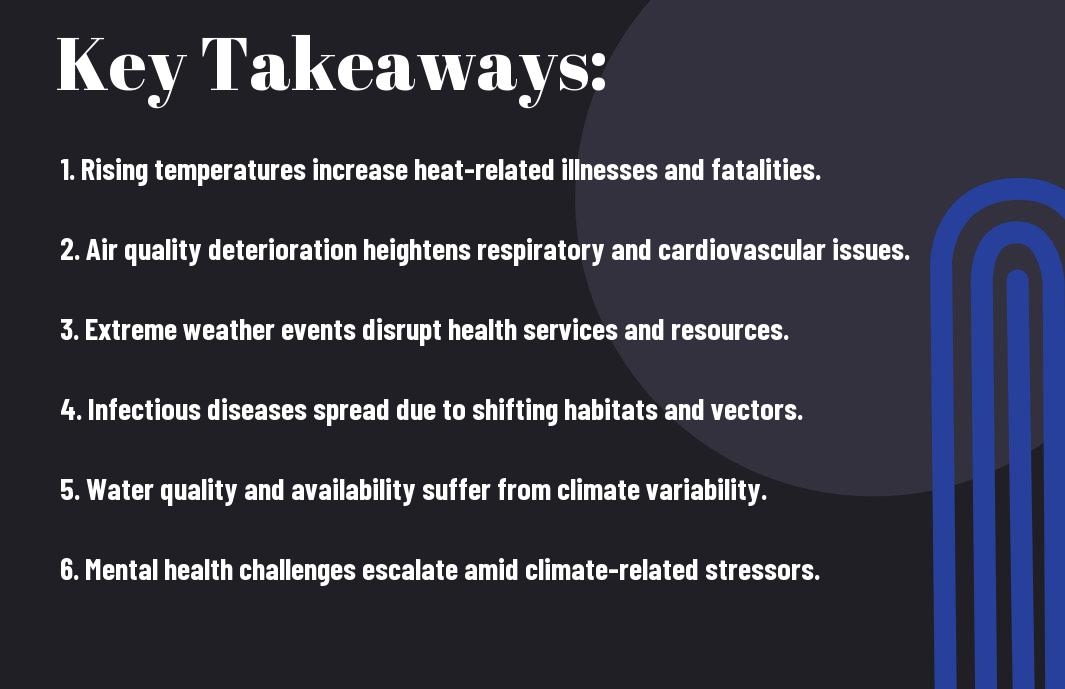
About 70,000 people in the United States died from heat-related causes between 1999 and 2010. As climate change accelerates, you’re likelier to experience heatwaves lasting longer and becoming more intense, increasing the risk of heat exhaustion and heatstroke. It’s important to stay hydrated and seek shade or cooler spaces during extreme heat events to maintain your health.
Respiratory Issues Due to Air Quality Deterioration
Quality of air plays a significant role in your respiratory health. Climate change contributes to the rise of allergens and pollutants that can worsen asthma and other respiratory illnesses. Increased temperatures facilitate the formation of ground-level ozone, a harmful air pollutant that can exacerbate lung conditions and lead to decreased lung function.
Climate change also intensifies wildfires and natural disasters, which produce smoke and particulate matter that further degrade air quality. You may find yourself facing more frequent respiratory issues as these pollutants become more prevalent in your environment. It is vital to stay informed about local air quality and take preventative measures, like using air purifiers or wearing masks during high pollution days, to protect your health.

The Impact on Infectious Diseases
While climate change alters weather patterns and ecosystems, it significantly affects the transmission and prevalence of infectious diseases. You may notice that rising temperatures and increased rainfall create favorable conditions for pathogens and vectors, contributing to the emergence and spread of diseases. Understanding these changes can help you take proactive steps in safeguarding your health and that of your community.
Vector-Borne Diseases
Diseases transmitted by vectors, such as mosquitoes and ticks, are increasingly prevalent as climate change creates ideal conditions for their proliferation. You might find that illnesses like Lyme disease and West Nile virus become more common in your area as warmer temperatures and changing habitats expand the range of these carriers. Staying informed about these trends is important for protecting yourself against potential outbreaks.
Waterborne Pathogens
On the other hand, waterborne pathogens pose a significant health risk as extreme weather events become more frequent due to climate change. Flooding and heavy rainfall can lead to contaminated drinking water sources, putting you at risk of diseases like cholera and giardiasis. Being aware of the local water quality and taking preventative measures can help you avoid these health threats.
To effectively mitigate the risks posed by waterborne pathogens, it’s important to stay informed about potential sources of contamination and local public health advisories. You should consider using water filtration systems, boiling tap water during advisories, and ensuring proper sewage management in your neighborhood. By taking these actions, you can protect yourself and your family against the harmful effects of climate change on water quality and public health.
Mental Health Challenges
Once again, climate change is not just an environmental crisis; it also poses significant mental health challenges. As extreme weather events and environmental degradation become more frequent, you may find yourself grappling with feelings of anxiety, sadness, and helplessness. The cumulative stress of fearing future climate impacts can strain your mental well-being, leading to increased rates of mental health issues in communities around the globe.
Anxiety and Depression Related to Climate Events
By witnessing the devastation caused by climate events, you may experience heightened anxiety and depression. Events like natural disasters, prolonged droughts, and rising sea levels can create feelings of fear and uncertainty about the future, affecting your emotional stability and overall quality of life.
Community Resilience and Mental Health
The support of a resilient community can have a profound impact on your mental health during these challenging times. When communities band together to address the effects of climate change, you are likely to feel a sense of belonging and collective strength that can bolster your emotional well-being.
Community resilience can foster a sense of purpose and connection, providing you with valuable social support during trying times. Engaging in neighborhood initiatives, support groups, or volunteer opportunities enables you to share your experiences and coping strategies, enhancing your ability to face climate-related stressors. This collective action not only strengthens bonds but also builds a shared narrative of hope and adaptation, promoting your mental wellness in the face of adversity.

Vulnerable Populations and Health Disparities
Many communities face heightened health risks due to climate change, exacerbating existing health disparities. Vulnerable populations, such as low-income families, the elderly, and individuals with pre-existing health conditions, are disproportionately affected by environmental changes. These groups may experience a range of health issues, including respiratory illnesses, heat-related conditions, and mental health challenges. As climate-related events increase, addressing these disparities becomes imperative to protect public health.
Socioeconomic Factors
One significant factor is the socioeconomic status of individuals and communities. You may find that those with lower income often live in areas with higher pollution and fewer health resources. Additionally, social determinants of health play a vital role, such as limited access to healthcare and education. You can consider the following points:
- Higher exposure to environmental toxins
- Inadequate access to nutritious food
- Limited healthcare services
Knowing these factors can empower you to advocate for equitable health solutions.
Geographical Vulnerabilities
Among the many challenges posed by climate change, geographical vulnerabilities can significantly impact your community’s health. Regions prone to natural disasters, such as floods or wildfires, often see an increase in health problems following such events. Vulnerable locations may lack infrastructure to handle extreme weather, exposing residents to health risks from contaminated water or air quality issues.
Due to the interplay of geography and climate change, some areas are more susceptible to health challenges than others. Coastal communities, for example, may experience rising sea levels that threaten both homes and access to clean water. Similarly, rural areas faced with heatwaves may see agricultural impacts that influence food security. Your awareness of these geographical disparities can play a vital role in addressing and mitigating their health impacts.

Public Health Infrastructure and Preparedness
Your public health infrastructure plays a vital role in anticipating and responding to the challenges posed by climate change. As extreme weather events become more frequent, communities must adapt their health systems to ensure resilience. Building your local capacity to handle these crises is imperative for safeguarding health and minimizing disaster-related morbidity and mortality. This includes enhancing surveillance systems, integrating climate considerations into public health planning, and establishing effective communication channels to keep residents informed and engaged during climate-related events.
Health System Challenges
An increasing array of health system challenges are surfacing as climate change impacts public health. You may experience heightened pressures on healthcare delivery, increased prevalence of climate-related illnesses, and a growing demand for services during environmental emergencies. Insufficient funding and resources can hinder your health systems’ ability to adapt, leaving community members vulnerable during times when robust care is needed most.
Strategies for Mitigation and Adaptation
Below are effective strategies that can help mitigate the impacts of climate change on public health and assist your community in adapting to these emerging challenges. Educating the public about health risks associated with climate change, implementing sustainable practices, and improving surveillance systems are imperative. Strengthening partnerships between health and environmental sectors can foster resource-sharing and enhance preparedness, ultimately leading to a more resilient health infrastructure.
Health organizations can implement strategies such as creating climate-resilient healthcare facilities, investing in research to better understand health impacts, and developing community programs focused on education and preventive measures. You can play a proactive role by participating in local initiatives that promote public awareness and advocacy, thus creating a more informed society prepared to confront the realities of climate change on health.
Policy Implications and Future Directions
Unlike prior environmental concerns, the intersection of climate change and public health necessitates comprehensive policy frameworks that prioritize human well-being. You must advocate for multidisciplinary approaches integrating healthcare, urban planning, and environmental sustainability. Proactive measures can mitigate health risks, promote resilience, and address the underlying social determinants of health influenced by climate change.
Climate Policy and Public Health
Against the backdrop of escalating climate-related health challenges, integrating public health considerations into climate policy frameworks is imperative. By enacting policies that prioritize clean air, safe water, and resilient healthcare systems, you can contribute to a healthier future. Effective climate policies must align with public health goals, ensuring that efforts to combat climate change also foster improved health outcomes.
Advocacy for Equity and Sustainability
Before engaging with climate policy, it is important to understand the disparities that exist in how climate change impacts communities. There is a pressing need for advocacy that ensures equitable access to resources and protection from environmental hazards, particularly for vulnerable populations. You can play a role in fostering solidarity and support sustainable practices that address these inequalities.
This advocacy not only promotes social justice but also plays a pivotal role in enhancing long-term sustainability. You should champion initiatives that empower marginalized communities, providing them with the tools and resources they need to adapt to climate change. By prioritizing equity in climate strategies, you are not only addressing immediate health concerns but also creating a more resilient and just society for the future.
To wrap up
Summing up, you should be aware that climate change significantly impacts public health, leading to increased respiratory diseases, heat-related illnesses, and mental health issues. These changes can disrupt your access to clean air, water, and nutritious food. As the planet warms, extreme weather events are likely to become more frequent, posing additional risks to your well-being. Understanding these links enables you to make informed choices about your health and advocate for policies that can mitigate these effects for yourself and your community.


