Mental health is an integral part of your overall well-being and deserves your attention. As societal pressures and challenges escalate, understanding the importance of mental health support has never been more critical. You may find yourself or someone you know grappling with mental health issues, making awareness and access to resources imperative. This blog post explores the growing need for support and highlights how you can take proactive steps in fostering mental well-being for yourself and your community.
Understanding Mental Health
Before you can address your mental health, it’s important to gain a deeper understanding of what it entails. Mental health encompasses your emotional, psychological, and social well-being, influencing how you think, feel, and act. It also plays a significant role in your ability to cope with stress, relate to others, and make choices. By prioritizing mental health awareness, you can support yourself and others in navigating life’s challenges more effectively.
Definition and Importance
Definition: Mental health refers to your emotional and psychological state, affecting how you think, feel, and behave. It is important because it impacts multiple areas of your life, including relationships, work performance, and overall well-being. A strong foundation in mental health enables you to cope with challenges, manage stress, and maintain a fulfilling life.
Common Mental Health Disorders
Health professionals recognize various common mental health disorders that can affect individuals, including anxiety disorders, depression, bipolar disorder, and schizophrenia. Each of these conditions has its own set of symptoms and challenges, making it imperative for you to be informed about them to seek appropriate help when needed.
In addition to the primary disorders mentioned, you may encounter symptoms such as excessive worry, mood swings, or withdrawal from social activities. By understanding these common mental health disorders, you can identify when you or someone you care about may need support. Early intervention and treatment can lead to improved outcomes and a better quality of life. Ultimately, prioritizing awareness of these conditions enables you to foster an environment where mental well-being is openly discussed and addressed.

The Current Landscape
Assuming you are aware of the rising concerns surrounding mental health, it’s important to acknowledge that more people than ever are seeking support. As awareness grows, the stigma associated with mental health issues is slowly diminishing, allowing individuals to feel more comfortable discussing their challenges. However, access to necessary resources and support systems remains uneven, highlighting the urgent need to address this ongoing crisis and ensure that everyone has access to appropriate mental health care.
Statistics on Mental Health Issues
Among the many alarming statistics, recent studies indicate that approximately 1 in 5 adults experience mental illness each year. This equates to millions struggling with conditions that impact their daily lives, yet only a fraction receives the treatment they need. Additionally, rates of anxiety and depression have significantly increased over the past decade, signaling a pressing need for enhanced mental health support and resources.
The Impact of the Pandemic
About 1 in 4 individuals have reported new or worsening mental health challenges due to the COVID-19 pandemic. The isolation, uncertainty, and stress brought on by this global crisis have greatly intensified feelings of anxiety and depression for many, making it clear that mental health support is more important than ever.
Health experts have noted that the pandemic has not only exacerbated existing mental health issues but has also led to the emergence of new concerns. The isolation experienced during lockdowns, the loss of loved ones, and the uncertainty about the future have taken a profound toll on your emotional well-being. Furthermore, as communities begin to recover, the long-term effects of this trauma may persist, emphasizing the necessity for accessible mental health resources and support systems tailored to your needs. It’s vital for you to seek help and stay informed during these challenging times.

Barriers to Support
Now that you are aware of the importance of mental health support, it’s important to look at the barriers that prevent individuals from seeking help. Many people struggle with societal norms and personal challenges that can complicate their journey towards mental well-being. Addressing these barriers is necessary to fostering a supportive environment where everyone feels encouraged to seek the help they need.
Stigma and Misconceptions
Support for mental health issues is often hindered by stigma and misconceptions. You may feel hesitant to reach out due to the fear of judgment or misunderstanding from others. These negative perceptions can create a barrier that prevents you from accessing the care you deserve, making it vital to challenge and shift these societal narratives.
Accessibility of Resources
By understanding the accessibility of resources, you can better navigate your options for mental health support. Geographic location, cost, and availability of services can all affect your ability to access help when needed.
This issue of accessibility is more complex than it seems. Many individuals live in areas with limited mental health services or cannot afford treatment, which can deter you from seeking the support you need. Additionally, online resources and teletherapy have emerged as valuable options, but not everyone has the technology or internet access to utilize them. It’s necessary to explore all available options and advocate for yourself, so you can secure the help that best fits your circumstances.
The Role of Community
Your community plays a vital role in promoting mental health awareness and providing support to those in need. Whether through informal social networks or organized efforts, these connections foster a sense of belonging and ensure that people feel supported in their mental health journeys. Engaging with local groups can enhance your understanding of mental health issues, reduce stigma, and encourage open conversations, making it easier for individuals to seek help without fear of judgment.
Building Support Networks
By recognizing the importance of building strong support networks, you can create a safety net that promotes mental well-being. Engaging with friends, family, and community organizations can help you cultivate relationships that provide emotional support and practical assistance during challenging times. Having these connections allows you to share your experiences and feelings, fostering a collective space of understanding and compassion.
Community Initiatives and Programs
Community-based initiatives and programs are designed to enhance mental health awareness and provide additional layers of support for individuals. These can include workshops, support groups, and awareness events that empower you to learn about mental health and connect with others facing similar challenges.
To strengthen community involvement, many towns and cities offer a variety of mental health-related initiatives. These programs often focus on education, outreach, and accessibility, ensuring that information about mental health resources reaches all community members. By participating in or supporting these initiatives, you can play a part in reducing stigma and promoting a culture of understanding that encourages individuals to seek help and support when needed.
The Importance of Education
For enhancing mental health awareness, education plays a significant role in equipping individuals with the knowledge they need to navigate challenges effectively. By fostering understanding around mental health issues, you can help destigmatize them, promoting a supportive environment where conversations can thrive. This can empower you and others to seek help when necessary, making education a vital pillar in mental health support systems.
Mental Health Literacy
Along your journey, increasing mental health literacy is vital. This means gaining knowledge about various mental health conditions, recognizing their symptoms, and understanding the effects on individuals and communities. By educating yourself, you can create a more informed society that prioritizes mental well-being and encourages open discussions about mental health, ultimately leading to greater acceptance and support.
Training for Professionals
Around the world, training for professionals in mental health is fundamental. This ensures that counselors, educators, and healthcare workers are well-equipped to identify and address mental health issues effectively. Continuous education enhances their skills, enabling them to provide appropriate support and resources to those in need.
For instance, incorporating mental health training into curricula for educators and healthcare providers can significantly improve responses to mental health crises. By participating in workshops and certifications, you can stay informed on the latest strategies for interacting with individuals experiencing distress. This not only benefits the professionals but also enhances your community’s overall mental health resources, making a lasting impact on the well-being of those around you.

Steps Toward Improvement
Unlike previous generations, the importance of addressing mental health is gaining the recognition it deserves. You can take significant steps toward improvement by integrating supportive practices in your daily life, such as mindfulness, physical activity, and seeking professional help. These approaches not only foster personal growth but also contribute to a more understanding and resilient community.
Encouraging Open Conversations
Above all, fostering an environment where open conversations about mental health are welcomed is important. You should feel empowered to initiate discussions with friends, family, or colleagues. Doing so can help reduce stigma and create a supportive network that encourages vulnerability and understanding.
Promoting Mental Health Days
After recognizing the importance of mental well-being, many organizations are adopting the practice of promoting mental health days. You can benefit from taking time off to recharge and reflect, which enhances your overall productivity and emotional resilience.
In fact, integrating mental health days into your routine can significantly impact your well-being. These days provide you with the opportunity to step back from daily stressors and engage in self-care activities that recharge your mind and body. Whether it’s indulging in a hobby, enjoying nature, or simply resting, prioritizing these moments is vital for your long-term mental health and overall happiness.
Conclusion
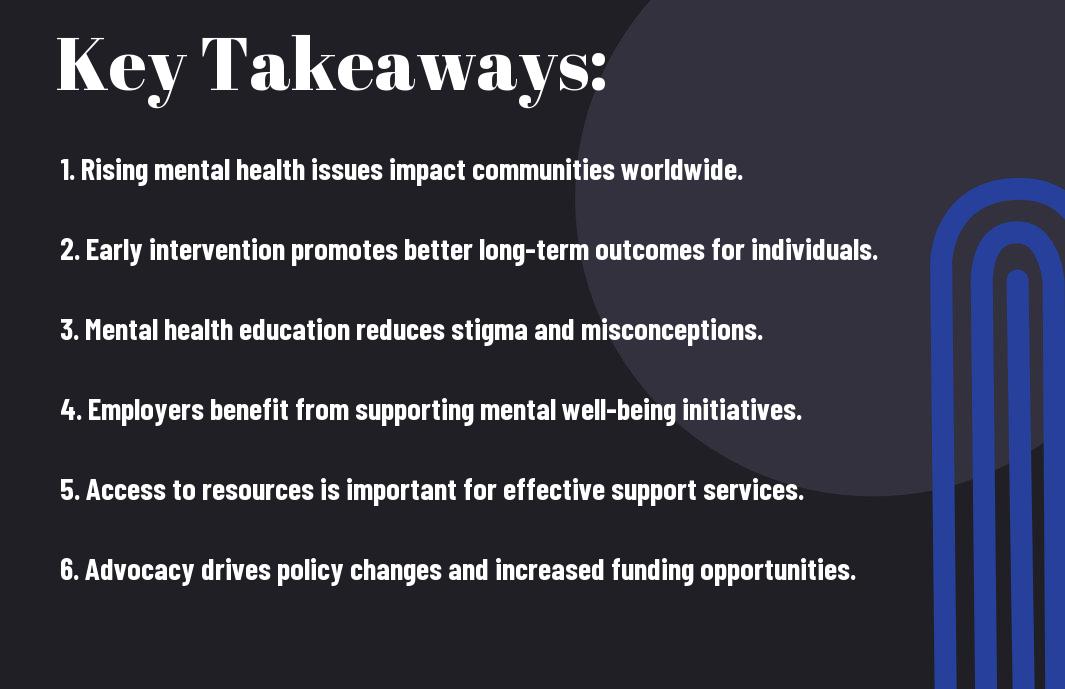
Drawing together the importance of mental health awareness and support, you play a vital role in fostering a culture where open conversations about mental well-being can flourish. Understanding the signs of mental health challenges not only benefits you but also empowers those around you to seek help when needed. By advocating for support systems and breaking the stigma, you contribute to a healthier and more connected community. Embrace the conversation and take action; your involvement can make a significant difference in the lives of others.