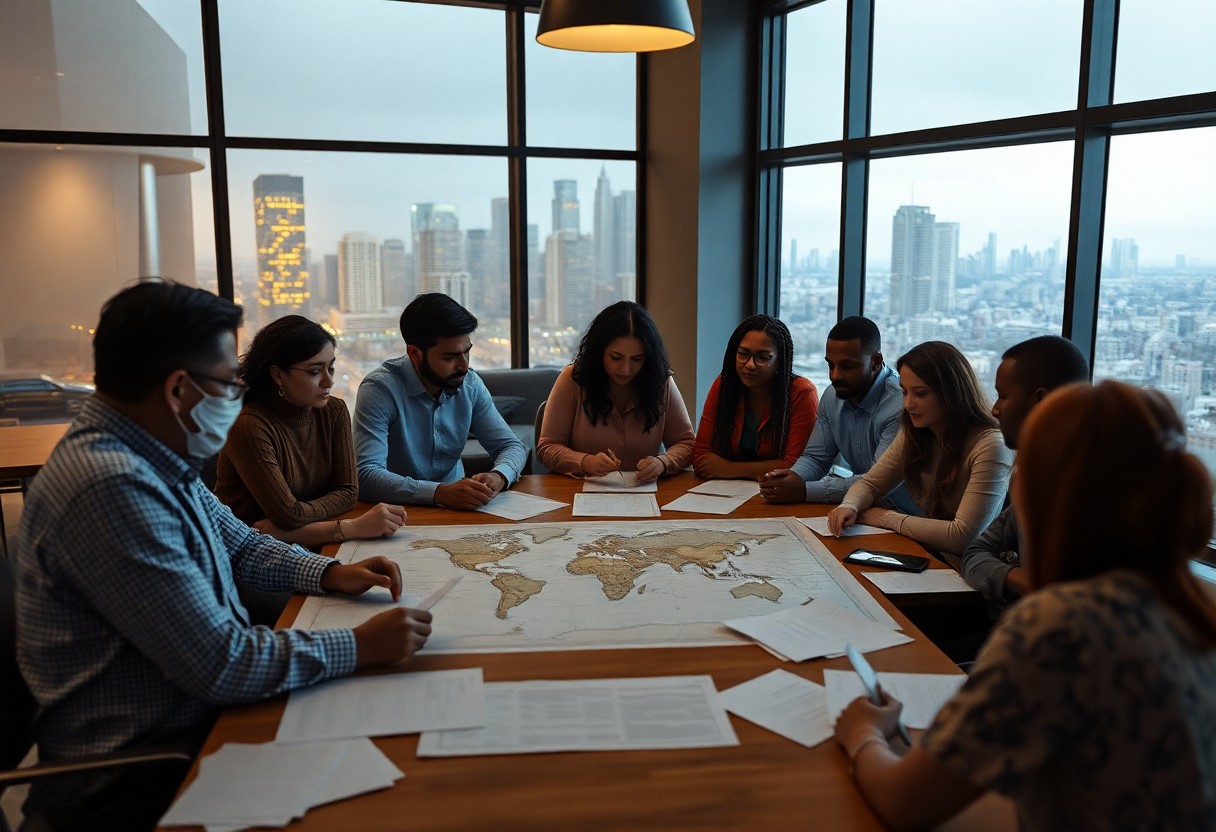

Over time, the effects of climate change have become intertwined with existing social inequities, impacting vulnerable communities more severely than others. You may not realize how environmental shifts, like rising temperatures and extreme weather, intensify social discrimination, disproportionately affecting marginalized groups in both developed and developing nations. In this blog post, you will explore the intricate connections between climate change and social inequities, shedding light on the ways in which vulnerable populations face heightened challenges that stem from both environmental crises and systemic discrimination.
Understanding Climate Change
Your understanding of climate change is imperative as it represents a significant and lasting shift in weather patterns and global temperatures. This phenomenon is primarily driven by human activities, such as burning fossil fuels and deforestation, leading to increased greenhouse gas emissions. The impact of climate change is vast, influencing natural disasters, food security, and even social dynamics. In fact, climate change exacerbates violence against women and …, highlighting its disproportionate effects on marginalized communities.
Definition and Causes
With a growing body of evidence, climate change is defined as the long-term alteration of temperature and typical weather patterns in a place. The primary causes include industrial activities, land-use changes, and agricultural practices, which release greenhouse gases into the atmosphere. These changes disrupt the climate system and lead to extreme weather events.
Global Impact and Trends
Across the globe, climate change has initiated widespread trends that affect economies, ecosystems, and societies. Countries experience altered rainfall patterns, rising sea levels, and increased frequency of natural disasters, which often disproportionately impacts vulnerable populations. Your awareness of these trends can help you understand the urgent need for adaptation and mitigation efforts.
For instance, developing nations face severe challenges due to inadequate resources to contend with climatic changes, leading to increased poverty and social inequality. Urban areas are particularly vulnerable as infrastructure struggles to cope with extreme weather, causing displacement and exacerbating existing social disparities. As you consider these global trends, it becomes evident how climate change intertwines with social justice, requiring a collaborative approach to address the urgent needs of affected communities.
1. Vulnerable communities bear the brunt of climate impacts.
2. Resource scarcity heightens existing inequalities and tensions.
3. Marginalized groups face higher health risks from climate change.
4. Displacement exacerbates social stigmas and discrimination.
5. Economic instability disproportionately affects disadvantaged populations.
6. Climate policies often overlook marginalized voices and needs.
The Intersection of Climate Change and Social Discrimination
Clearly, the intersection of climate change and social discrimination is a growing concern that requires urgent attention. As environmental shifts continue to disrupt ecosystems and communities worldwide, marginalized groups often bear the brunt of these changes. You may notice that social inequalities amplify the challenges faced by already vulnerable populations, making it vital to explore these interconnected issues to foster an equitable response to climate change.
Vulnerable Populations
About 1.2 billion people live in extreme poverty, often in regions most affected by climate change. These vulnerable populations include women, children, and indigenous communities who are disproportionately impacted by environmental hazards. You can observe how lack of resources limits their ability to adapt, increasing their vulnerability to climate-related disasters and social inequities.
Historical Context of Discrimination
Along the timeline of human civilization, discrimination has woven itself into the fabric of societies worldwide, influencing how communities respond to climate change. You should understand that historical injustices often dictate access to resources, political power, and social standing, making certain populations more susceptible to the adverse effects of climate shifts.
A further examination of this historical context reveals that systemic injustices have been longstanding, affecting the rights and livelihoods of marginalized groups. You may find that colonialism, slavery, and other forms of institutional discrimination have led to significant disparities in wealth and resource allocation. Consequently, as climate change intensifies, those with historically unfair advantages often experience less impact, while those already marginalized face increased risks and challenges. This interconnected backdrop highlights the importance of addressing past inequalities as you advocate for an equitable response to climate change.

Economic Impacts of Climate Change
Keep in mind, the economic effects of climate change extend far beyond environmental degradation. As natural disasters and extreme weather patterns become more frequent, various sectors, especially agriculture and tourism, experience significant disruptions. These shifts result in inflation, rising costs for crucial goods, and strained government budgets, all of which can lead to increased social inequality and exacerbate existing discrimination.
Job Loss and Economic Disparities
One of the most immediate effects of climate change is the loss of jobs in vulnerable sectors. Industries such as fishing, agriculture, and tourism often bear the brunt of environmental shifts, forcing workers out of stable employment. Consequently, this leads to increased economic disparities, particularly for marginalized communities that rely on these jobs for their livelihoods.
Access to Resources and Inequalities
Access to crucial resources becomes increasingly unequal due to climate change. Vulnerable populations often lack the means to adapt to changing conditions, making it difficult to secure water, food, and shelter. This unequal access further entrenches social divides, as those already facing discrimination may find their situations worsened by resource scarcity driven by climate impacts.
In fact, these inequalities often manifest in locations where socio-economic conditions are already strained. Communities with limited financial resources struggle to respond to climate-related challenges like droughts or floods, leaving them without adequate food, water, or shelter. This lack of access not only perpetuates existing social hierarchies but can also hinder long-term resilience, making it harder for affected individuals to recover from climate events and leading to a cycle of poverty and discrimination that is hard to break.
Health Implications
Not only does climate change impact environments, but it also affects health systems globally, intensifying existing social discrimination. Vulnerable communities often bear the brunt of these implications due to limited access to healthcare resources and support. For an in-depth understanding of this issue, check out this Explainer: How gender inequality and climate change are ….
Increased Vulnerability to Diseases
One significant consequence of climate change is the increased vulnerability to diseases, particularly in marginalized communities. These groups are more likely to suffer from health challenges as climate change intensifies factors such as air quality and the spread of infectious diseases.
Mental Health Effects on Disadvantaged Groups
Effects of climate change on mental health are particularly pronounced for disadvantaged groups. The stress induced by extreme weather events, displacement, and loss of livelihood can exacerbate pre-existing mental health issues, leading to higher rates of anxiety, depression, and trauma.
It is necessary to recognize that these mental health effects are not just individual struggles but reflect broader societal issues. Your local community may see increased rates of mental health disorders as climate-related disruptions become more frequent. Vulnerable populations, who often lack access to mental health resources, may find themselves isolated and without the necessary support systems to cope with these challenges. Addressing these disparities in mental health care becomes vital as climate change continues to unfold.

Policy Responses and Social Justice
All communities must advocate for policy responses that integrate social justice principles into climate action. When you address climate change, it’s vital to consider how your solutions impact various social groups differently, particularly marginalized populations. Effective policies should not only aim to mitigate environmental impacts but also promote equality and accessibility, ensuring that everyone has the opportunity to thrive in a changing climate.
Climate Change Mitigation Strategies
Social equity should be a cornerstone of climate change mitigation strategies. As you develop and implement these strategies, consider how they affect different demographics. This approach helps ensure that your efforts not only reduce greenhouse gas emissions but also support those who are most vulnerable to environmental changes.
Equitable Policies for Disadvantaged Communities
Any effective climate policy must include equitable measures for disadvantaged communities. It’s imperative that your initiatives address the specific needs and challenges faced by these groups, ensuring that the benefits of climate action are distributed fairly and justly.
Disadvantaged communities often bear the brunt of climate change impacts, from more severe weather events to increased health risks. Your focus should include targeted investments in infrastructure, access to clean energy, and support programs that empower these populations. By prioritizing equitable policies, you help create a more inclusive approach to climate resilience that recognizes and addresses systemic inequalities, enabling marginalized voices to influence climate action effectively.

Case Studies of Discrimination Exacerbated by Climate Change
Once again, climate change serves as a catalyst for social discrimination, as evidenced by these pressing case studies:
- In Bangladesh, climate-related flooding displaces over 1 million people annually, disproportionately impacting women and marginalized communities.
- The 2020 Australian bushfires disproportionately affected Indigenous lands and communities, leading to greater economic and health challenges.
- In the U.S., studies show that low-income neighborhoods suffer more from extreme heat, highlighting societal inequalities associated with climate challenges.
- In sub-Saharan Africa, climate change affects food security, pushing vulnerable populations into further poverty and increasing conflict over resources.
For a more detailed examination of these effects, refer to the article on the unequal effects of climate change and pre-existing vulnerabilities.
Global Perspectives
Above all, it is necessary to recognize that climate change does not affect everyone equally; on a global scale, marginalized communities face the brunt of its impact. As changes in climate intensify, so do the socioeconomic divides that enhance discrimination, particularly in developing countries where resources are limited.
Localized Effects and Responses
To address these localized effects, communities often develop grassroots responses to climate adversity. This can include partnerships that seek to provide assistance to marginalized groups facing heightened vulnerability due to climate shifts.
But the responses can highlight discrepancies in resources and support. In urban areas, local governments may prioritize affluent communities for climate adaptation projects, leaving low-income households and minority populations without adequate support, thus deepening the cycle of inequality. As you consider climate change’s impact, think about how these disparities affect your community and recognize the need for inclusive solutions that consider all voices.
To wrap up
Considering all points, it is clear that climate change does not impact everyone equally; it intensifies existing social disparities worldwide. As you witness rising temperatures, extreme weather events, and resource shortages, marginalized communities often bear the brunt of these changes, leading to increased poverty and social discrimination. You must recognize how interconnected these issues are, as addressing climate change also means fostering social equity to ensure a more just and resilient society for all. By understanding these relationships, you can advocate for solutions that benefit both the environment and disadvantaged populations.