
How Local Storytelling Creates National Impact

Many local stories begin in small towns, community gatherings, or family kitchens, yet they carry themes that resonate far beyond their origins. You recognize yourself in these narratives-struggles, triumphs, traditions-and that connection fuels wider conversations. When shared widely, personal or regional stories shape national values, influence policy, and redefine cultural identity.

The Microscopic Roots of Universal Truths

You uncover broader human experiences by focusing on the smallest details of local life. A single conversation in a diner, a child’s drawing taped to a shop window-these fragments carry emotional weight that transcends geography. When you honor the specificity of place, you don’t limit your story; you expand its reach.

Small Town Echoes

Life in a quiet town often mirrors struggles and joys felt across the country. You hear echoes of national themes in a farmer’s worry over drought, a teacher’s pride in her students. These moments, though local in setting, resonate far beyond county lines.

The Intimacy of the Porch

Stories shared on a front porch carry a quiet power. You listen closely when someone speaks from their home, voice low, hands moving with memory. That closeness builds trust, and trust invites truth.

There’s something unmatched about the porch as a storytelling space-it’s informal, yet sacred in its familiarity. You’re not in a theater or a studio; you’re where people laugh, argue, and grieve. The creak of a swing, the sound of crickets, the way light fades across the steps-all of it grounds the story in real life. When you collect narratives here, you’re not just recording words. You’re preserving rhythm, breath, and silence, the elements that make a story feel lived-in and true. This authenticity travels, shaping how entire communities are seen and understood.

Scaling the Personal Narrative

You begin with a single voice-a story told at a kitchen table, in a community center, or through a local podcast. When shared with authenticity, that voice resonates beyond its origin. You amplify personal truth not by exaggerating it, but by staying faithful to its details, allowing others to see their lives reflected. This is how intimacy gains influence.

From Neighborhood Pulse to National Rhythm

You’ve felt it when a local protest chant becomes a national slogan, or when a regional dialect enters mainstream media. Stories rooted in specific places carry rhythms that, when heard widely, sync with broader societal beats. Your neighborhood’s struggle or joy becomes part of a shared cultural tempo.

The Bridge of Shared Experience

You cross this bridge every time you hear a story that mirrors your own, even if it happened hundreds of miles away. It’s built not from grand declarations, but from honest, specific moments-a parent’s worry, a worker’s frustration, a child’s hope. These details create connection without requiring agreement.

That bridge holds because it’s made of recognizable human moments. When you hear someone describe waiting for a bus in the rain, worrying about rent, or celebrating a small win, you don’t need context to feel it. These are not abstract issues-they’re lived seconds. Your recognition of them validates both the teller and yourself, forming a quiet but powerful alignment that can shift public perception over time.

The Tipping Point of Local Lore

Every national movement begins with a whisper, often rooted in a story told in a village square or passed down through generations in a remote town. You’ve seen how a single folktale, when shared widely, shifts perspectives across regions. These local narratives gain momentum when they reflect universal truths through a specific cultural lens, turning regional identity into shared national understanding.

Why Regional Dialects Resonate

Dialects carry the rhythm of lived experience. When you hear a story in a regional tongue, it feels less like performance and more like invitation. The cadence, the idioms, the subtle humor-they signal authenticity. That’s what makes audiences lean in. You don’t just understand the words; you feel the world behind them.

Viral Empathy Across Borders

Empathy spreads fastest when it’s rooted in specificity. A farmer’s lament from Punjab, when shared in Tamil Nadu, doesn’t lose meaning-it gains emotional depth. You recognize the struggle not because it’s explained, but because it’s felt. These moments bypass translation and speak directly to shared human experience.

When a fisherman in Kerala recounts losing his boat to rising tides, his words echo in a shepherd’s home in Rajasthan facing drought. You don’t need policy briefs to grasp the stakes. The story does the work. It names fear, hope, resilience-without abstraction. This is how empathy becomes action, how local pain becomes national priority, not through scale, but through sincerity.

Architects of the Community Voice

You shape the narrative of your town not through grand gestures but through consistent, honest storytelling. Every interview with a local elder, every photo essay of a neighborhood festival, every recorded account of a small business’s journey adds a brick to a larger cultural foundation. These stories, rooted in authenticity, ripple outward, informing national conversations with grounded perspectives.

The Role of the Hometown Chronicler

You hold space for voices that might otherwise vanish-capturing the rhythm of daily life in your streets, schools, and storefronts. Your pen or microphone becomes a witness, not just to events, but to emotions, struggles, and triumphs that define a place. In doing so, you anchor identity in truth.

Preserving Heritage for the Masses

You turn fading memories into accessible records, transforming personal histories into shared assets. Oral histories, digitized photos, and community archives make heritage tangible. These materials don’t gather dust-they educate classrooms, inspire artists, and inform policymakers far beyond your zip code.

Heritage preservation through local storytelling breaks down the idea that history belongs only to textbooks or distant institutions. When you document a family’s migration story or the evolution of a neighborhood diner, you create entry points for others to see themselves in the broader national narrative. These records become reference points not just for nostalgia, but for understanding social patterns, cultural shifts, and regional identity. Your work ensures that heritage isn’t locked away-it’s lived, shared, and continuously reinterpreted by new audiences across the country.

Digital Campfires and Global Reach

You gather around screens instead of flames, but the pull of story remains the same. Today’s digital campfires-social media, podcasts, viral videos-carry local voices far beyond their origins. Your narrative, once confined to a single town or tradition, can now spark recognition in someone thousands of miles away.

Algorithms Favoring the Authentic

Platforms reward what feels real. When you share stories rooted in genuine experience, algorithms detect engagement and push them further. Your honesty becomes your reach-no staging, no exaggeration, just truth resonating with strangers who recognize themselves in your words.

Breaking the Geographic Barrier

Distance no longer determines impact. A poem recorded in a rural kitchen can trend in cities you’ve never visited. Your voice escapes borders not through force, but through connection-listeners find you because emotion needs no translation.

Once limited by proximity, storytelling now flows freely across regions thanks to accessible recording tools and global platforms. You don’t need a studio or a publisher; a phone and a moment of courage are enough. When a grandmother in New Mexico shares a family legend on a community podcast, it might inspire a teacher in Oslo to adapt it for her classroom. These moments bypass traditional gatekeepers, allowing cultural nuances to travel intact. Your local truth becomes part of a wider conversation, not because it’s diluted, but because it’s preserved with clarity and intent. Geography shaped storytelling for centuries-now, it’s just the starting point.

The Ripple Effect of Specificity

Every powerful national narrative begins somewhere small. You’ve seen it happen-a story rooted in a single town, a personal struggle, or a local tradition-gains attention not because it’s broad, but because it’s precise. That specificity creates authenticity, and authenticity draws people in.

Why Detail Trumps Generality

Detail pulls listeners closer. When you describe the cracked paint on a diner booth or the rhythm of a grandmother’s lullaby, you’re not just sharing a moment-you’re inviting others into it. Generalities inform, but specifics resonate, making your story unforgettable.

Shaping the National Identity

Local stories act as cultural fingerprints. When you share a regional custom or a community’s quiet resilience, you contribute a unique thread to the national fabric. These narratives don’t just reflect identity-they help define it over time.

Think of the diner in rural Nebraska that became a symbol of Midwestern perseverance during hard times, or the fisherman’s tale from coastal Maine that quietly reshaped how Americans view sustainable livelihoods. These aren’t grand speeches or policy papers-they’re lived experiences that, when shared, shift public perception. You don’t need a platform of millions to influence a nation; you need truth, clarity, and the courage to speak from where you stand. Each authentic local story becomes a quiet architect of the broader identity, proving that belonging is built not from slogans, but from shared moments, told well.

Summing up

From above, you see how local storytelling shapes national identity. Each regional tale carries values, struggles, and truths that resonate beyond borders. When shared widely, these stories influence public thought, inspire movements, and unify diverse populations. You don’t just hear a voice from a village or city-you hear the pulse of a nation in formation.

The Impact of New Policies on Everyday Life

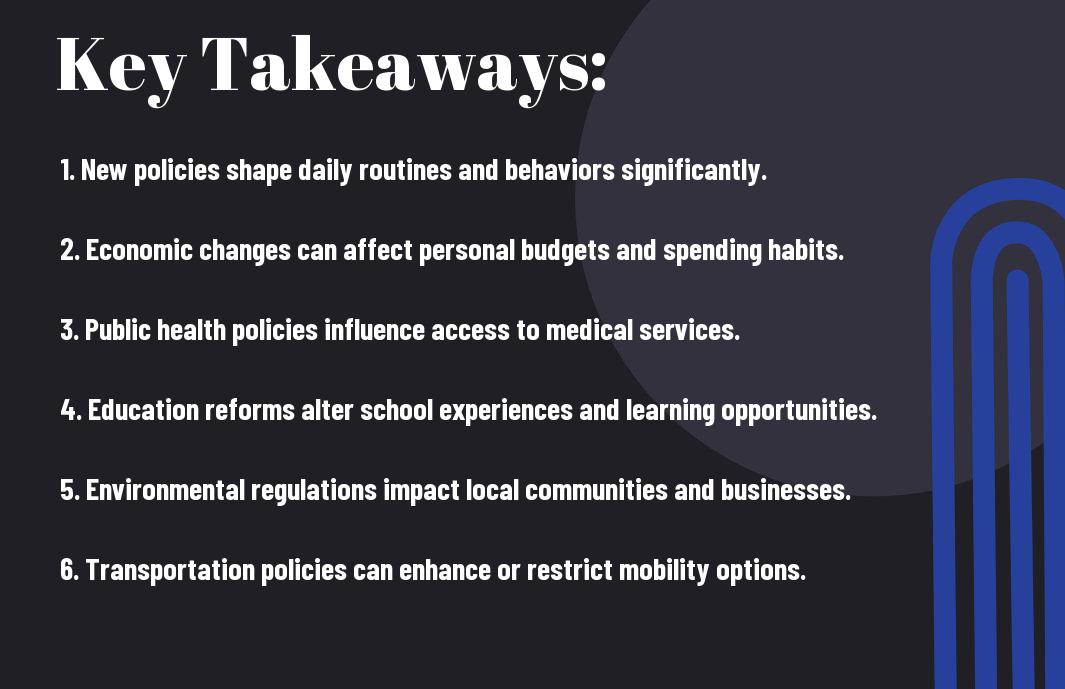
Impacting various aspects of your daily life, new policies can reshape how you work, commute, and interact within your community. These changes can affect everything from your financial obligations to your healthcare access, prompting necessary adjustments in your routines and priorities. Understanding how these policies influence your life is imperative for navigating potential challenges and embracing new opportunities. In this post, we will explore the implications of recent policy changes and how they resonate in practical terms for you and your community.

Overview of Recent Policies

Your understanding of new policies can significantly shape your daily life. Recent changes have been rolled out across various sectors, impacting everything from economic stability to social welfare. As you navigate this landscape, you’ll find that these policies can directly influence your interactions, financial decisions, and community engagement.

Economic Policies

The current economic policies have introduced measures aimed at stimulating growth and addressing inflation. These changes may affect your job prospects, purchasing power, and overall financial health. Be aware that shifts in taxation, subsidies, and government spending can create ripples in your everyday economic interactions.

Social Policies

To enhance quality of life, the latest social policies focus on education, healthcare, and social justice. These initiatives aim to decrease inequalities and provide better resources for marginalized communities, impacting your community and social landscape.

Considering the breadth of social policies, they affect various aspects of your life, from access to healthcare services to educational opportunities for your children. These changes not only aim to uplift disadvantaged groups but also create a more interconnected society. As you engage with these policies, you may find opportunities for community involvement, advocacy, and support for local programs that resonate with your values.

Changes in Employment Trends

Even as new policies emerge, the landscape of employment trends is shifting significantly. You may find that industries are adapting to new regulations, affecting job availability and required skills. Staying informed about these changes can help you navigate your career path more effectively in this evolving environment.

Job Creation

Above all, job creation has been a focal point of recent policies aimed at stimulating economic growth. You might notice new opportunities arising in sectors that prioritize innovation and sustainable practices, which can benefit your job search and career longevity.

Workforce Displacement

Beside the creation of new jobs, workforce displacement is a major concern in this changing employment landscape. You could experience shifts in job security and must be prepared to adapt your skills to align with market demands.

Also, workforce displacement often occurs as automation and technological advancements replace traditional roles. You may find yourself needing to upskill or reskill to remain competitive in this fast-paced environment. Understanding the sectors most affected can help you proactively seek training programs or opportunities to diversify your skill set, ensuring you stay relevant and employable despite these challenges.

Impact on Healthcare Access

Once again, new policies are reshaping the landscape of healthcare access in your community. As regulations evolve, you may notice both positive and negative consequences, influencing how easily you can obtain medical services. These changes can impact your access to various providers and the affordability of care, ultimately affecting your overall well-being. Understanding these shifts is vital for navigating your healthcare journey.

Insurance Coverage

Access to quality healthcare services often begins with your insurance coverage. Recent policy changes may alter the types of plans available to you, affecting your premiums, co-pays, and out-of-pocket expenses. Depending on these adjustments, you might find yourself needing to reassess your options and understand how they impact your financial responsibilities and access to necessary treatments.

Quality of Care

By focusing on the quality of care, you can better understand how new healthcare policies might influence your treatment experiences. Changes in reimbursement models and provider incentives can lead to varying levels of care across different facilities.

In addition, the quality of care you receive may also depend on how healthcare providers adapt to new guidelines and regulations. Some facilities may implement improved practices and technologies aimed at enhancing patient outcomes. Conversely, others might struggle with resource allocation and staffing, leading to potential disparities. It’s vital to stay informed and proactive in seeking the best possible care as policies continue to evolve.

Educational Reforms

Not all educational reforms are welcomed with open arms; however, they can lead to significant changes in your daily academic life. These policies often aim to improve the quality of education and better prepare students for their future careers. As a student or a parent, it’s necessary to stay informed about how various reforms may affect your educational environment and resources.

Funding Allocations

For many educational institutions, funding allocations have shifted dramatically due to new policies aimed at enhancing resource distribution. These changes can directly impact the quality of education your child receives, influencing everything from class sizes to access to technology and extracurricular programs. Understanding how funds are allocated helps you grasp the potential benefits and limitations of the reforms you’re dealing with.

Curriculum Changes

One major aspect of educational reforms revolves around curriculum changes, which are designed to keep pace with modern job market demands. These updates often include a greater emphasis on STEM education, critical thinking, and soft skills, thus broadening the scope of learning in your educational setting. Keeping an eye on these changes can help you adapt to the evolving academic landscape.

Consequently, these curriculum changes not only alter what is taught, but also how students engage with the material. You may find that traditional rote learning is being replaced by project-based assessments and collaborative group work. This shift encourages you to develop necessary life skills, such as teamwork and problem-solving, which are increasingly valuable in the workforce. Engaging with these new methods can enhance your overall learning experience and prepare you better for future challenges.

Effects on Housing Market

Despite the new policies aimed at stabilizing the housing market, you may notice a complex shift in trends affecting your daily life. With regulations designed to promote affordability and increase housing supply, the market could be experiencing fluctuations in prices and availability. These changes can have a significant impact on your options when it comes to buying or renting a home.

Affordability Issues

By implementing stricter regulations, policymakers are attempting to tackle rising housing costs, yet these actions may inadvertently lead to new affordability challenges for you. Increased demand for affordable housing often outpaces the supply, resulting in higher prices that might strain your budget. It’s important to stay informed about these developments as they directly influence your options.

Urban Development

Issues surrounding urban development have become increasingly prominent in the wake of new housing policies. Development projects can face delays due to regulatory changes, impacting the availability of housing in your area. This might lead to a slowdown in new construction, which can exacerbate the housing shortage you experience and increase competition for available homes.

A closer examination of urban development reveals that the focus on sustainable and community-centric growth can also affect your living environment. As cities attempt to adapt to new regulations, you may observe shifts towards mixed-use developments, green spaces, and improved public transportation. While these changes aim to enhance your quality of life, they often require time and investment, making it vital for you to engage with your local authorities to understand how these developments can benefit you in the long run.

Public Response and Adaptation

All around you, communities are experiencing varied responses to recent policy changes. Some individuals quickly adapt their routines, while others express concerns regarding potential implications. As a result, public opinion diverges, reflecting both support and apprehension regarding these policies. You may notice an increasing emphasis on dialogue and cooperation as your neighbors come together to navigate the challenges presented by new regulations.

Community Initiatives

After the implementation of new policies, you may see local organizations take proactive steps to foster understanding and resolve challenges. Community initiatives often aim to provide resources, create awareness, and support those most affected by the changes. These grassroots efforts enable you and your fellow citizens to connect, share experiences, and collaboratively develop strategies to adapt effectively.

Advocacy and Activism

Against the backdrop of policy changes, a wave of advocacy and activism is often sparked. You might find passionate individuals and groups rallying for the rights and needs of affected communities. This heightened awareness leads to calls for more equitable solutions, pushing policymakers to reconsider the impact of their decisions.

But advocacy and activism go beyond mere vocal opposition; they often serve as platforms for education and informed dialogue. You may witness workshops, community meetings, and social media campaigns geared towards raising awareness and fostering a collective voice. Engaging with initiatives like these can empower you to contribute to a movement that influences positive change in your community and beyond.

Conclusion

On the whole, the impact of new policies on your everyday life can be significant, shaping various aspects such as your financial situation, healthcare access, and environmental quality. By understanding these policy changes, you can better navigate their effects and make informed decisions that enhance your well-being. Staying engaged with policy developments enables you to adapt proactively and to advocate for changes that align with your values and needs. Ultimately, being aware of how these policies influence your life empowers you to take action and contribute positively to your community.

How Climate Change Is Impacting Public Health

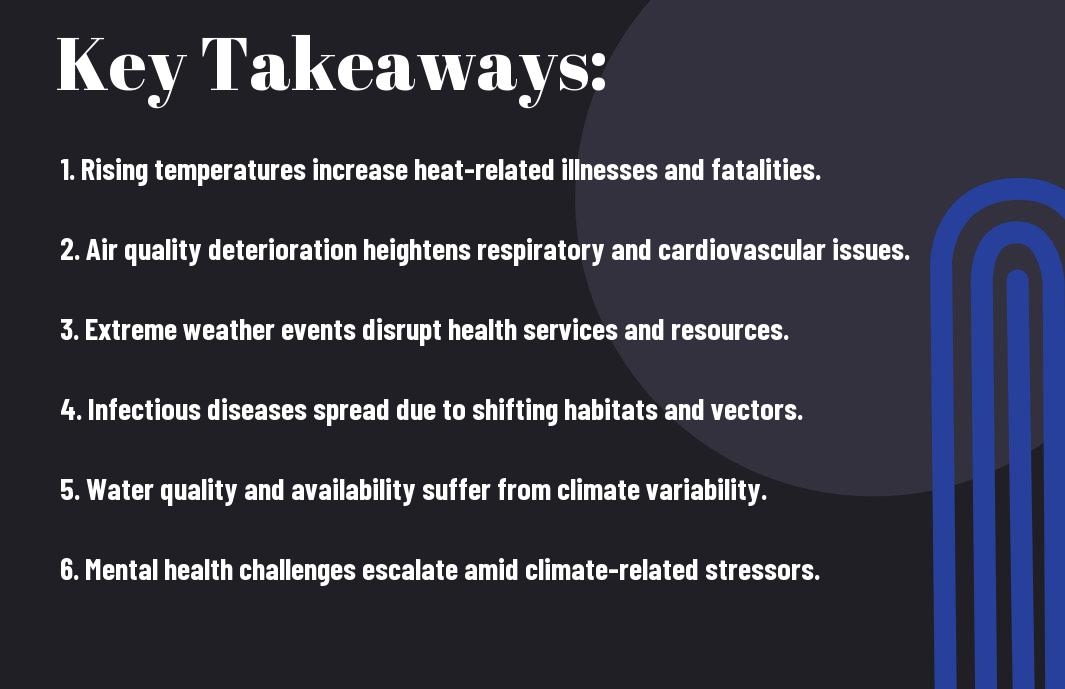
With rising temperatures, increased air pollution, and extreme weather events, you may not realize how deeply climate change is affecting your health. As our environment shifts, it leads to more frequent respiratory issues, heat-related illnesses, and vector-borne diseases, all of which can impact your well-being. In this post, you will learn about the direct and indirect ways climate change poses challenges to public health, empowering you to better navigate the risks and make informed choices for yourself and your community.

The Direct Effects of Climate Change on Health

To understand the direct effects of climate change on health, it is vital to recognize how environmental shifts are contributing to new and exacerbated health challenges. Rising temperatures, more frequent natural disasters, and changing ecosystems create conditions that can lead to a variety of health issues. These effects are not only immediate but can also have long-term consequences on your well-being.

Heat-Related Illnesses

About 70,000 people in the United States died from heat-related causes between 1999 and 2010. As climate change accelerates, you’re likelier to experience heatwaves lasting longer and becoming more intense, increasing the risk of heat exhaustion and heatstroke. It’s important to stay hydrated and seek shade or cooler spaces during extreme heat events to maintain your health.

Respiratory Issues Due to Air Quality Deterioration

Quality of air plays a significant role in your respiratory health. Climate change contributes to the rise of allergens and pollutants that can worsen asthma and other respiratory illnesses. Increased temperatures facilitate the formation of ground-level ozone, a harmful air pollutant that can exacerbate lung conditions and lead to decreased lung function.

Climate change also intensifies wildfires and natural disasters, which produce smoke and particulate matter that further degrade air quality. You may find yourself facing more frequent respiratory issues as these pollutants become more prevalent in your environment. It is vital to stay informed about local air quality and take preventative measures, like using air purifiers or wearing masks during high pollution days, to protect your health.

The Impact on Infectious Diseases

While climate change alters weather patterns and ecosystems, it significantly affects the transmission and prevalence of infectious diseases. You may notice that rising temperatures and increased rainfall create favorable conditions for pathogens and vectors, contributing to the emergence and spread of diseases. Understanding these changes can help you take proactive steps in safeguarding your health and that of your community.

Vector-Borne Diseases

Diseases transmitted by vectors, such as mosquitoes and ticks, are increasingly prevalent as climate change creates ideal conditions for their proliferation. You might find that illnesses like Lyme disease and West Nile virus become more common in your area as warmer temperatures and changing habitats expand the range of these carriers. Staying informed about these trends is important for protecting yourself against potential outbreaks.

Waterborne Pathogens

On the other hand, waterborne pathogens pose a significant health risk as extreme weather events become more frequent due to climate change. Flooding and heavy rainfall can lead to contaminated drinking water sources, putting you at risk of diseases like cholera and giardiasis. Being aware of the local water quality and taking preventative measures can help you avoid these health threats.

To effectively mitigate the risks posed by waterborne pathogens, it’s important to stay informed about potential sources of contamination and local public health advisories. You should consider using water filtration systems, boiling tap water during advisories, and ensuring proper sewage management in your neighborhood. By taking these actions, you can protect yourself and your family against the harmful effects of climate change on water quality and public health.

Mental Health Challenges

Once again, climate change is not just an environmental crisis; it also poses significant mental health challenges. As extreme weather events and environmental degradation become more frequent, you may find yourself grappling with feelings of anxiety, sadness, and helplessness. The cumulative stress of fearing future climate impacts can strain your mental well-being, leading to increased rates of mental health issues in communities around the globe.

Anxiety and Depression Related to Climate Events

By witnessing the devastation caused by climate events, you may experience heightened anxiety and depression. Events like natural disasters, prolonged droughts, and rising sea levels can create feelings of fear and uncertainty about the future, affecting your emotional stability and overall quality of life.

Community Resilience and Mental Health

The support of a resilient community can have a profound impact on your mental health during these challenging times. When communities band together to address the effects of climate change, you are likely to feel a sense of belonging and collective strength that can bolster your emotional well-being.

Community resilience can foster a sense of purpose and connection, providing you with valuable social support during trying times. Engaging in neighborhood initiatives, support groups, or volunteer opportunities enables you to share your experiences and coping strategies, enhancing your ability to face climate-related stressors. This collective action not only strengthens bonds but also builds a shared narrative of hope and adaptation, promoting your mental wellness in the face of adversity.

Vulnerable Populations and Health Disparities

Many communities face heightened health risks due to climate change, exacerbating existing health disparities. Vulnerable populations, such as low-income families, the elderly, and individuals with pre-existing health conditions, are disproportionately affected by environmental changes. These groups may experience a range of health issues, including respiratory illnesses, heat-related conditions, and mental health challenges. As climate-related events increase, addressing these disparities becomes imperative to protect public health.

Socioeconomic Factors

One significant factor is the socioeconomic status of individuals and communities. You may find that those with lower income often live in areas with higher pollution and fewer health resources. Additionally, social determinants of health play a vital role, such as limited access to healthcare and education. You can consider the following points:

  • Higher exposure to environmental toxins
  • Inadequate access to nutritious food
  • Limited healthcare services

Knowing these factors can empower you to advocate for equitable health solutions.

Geographical Vulnerabilities

Among the many challenges posed by climate change, geographical vulnerabilities can significantly impact your community’s health. Regions prone to natural disasters, such as floods or wildfires, often see an increase in health problems following such events. Vulnerable locations may lack infrastructure to handle extreme weather, exposing residents to health risks from contaminated water or air quality issues.

Due to the interplay of geography and climate change, some areas are more susceptible to health challenges than others. Coastal communities, for example, may experience rising sea levels that threaten both homes and access to clean water. Similarly, rural areas faced with heatwaves may see agricultural impacts that influence food security. Your awareness of these geographical disparities can play a vital role in addressing and mitigating their health impacts.

Public Health Infrastructure and Preparedness

Your public health infrastructure plays a vital role in anticipating and responding to the challenges posed by climate change. As extreme weather events become more frequent, communities must adapt their health systems to ensure resilience. Building your local capacity to handle these crises is imperative for safeguarding health and minimizing disaster-related morbidity and mortality. This includes enhancing surveillance systems, integrating climate considerations into public health planning, and establishing effective communication channels to keep residents informed and engaged during climate-related events.

Health System Challenges

An increasing array of health system challenges are surfacing as climate change impacts public health. You may experience heightened pressures on healthcare delivery, increased prevalence of climate-related illnesses, and a growing demand for services during environmental emergencies. Insufficient funding and resources can hinder your health systems’ ability to adapt, leaving community members vulnerable during times when robust care is needed most.

Strategies for Mitigation and Adaptation

Below are effective strategies that can help mitigate the impacts of climate change on public health and assist your community in adapting to these emerging challenges. Educating the public about health risks associated with climate change, implementing sustainable practices, and improving surveillance systems are imperative. Strengthening partnerships between health and environmental sectors can foster resource-sharing and enhance preparedness, ultimately leading to a more resilient health infrastructure.

Health organizations can implement strategies such as creating climate-resilient healthcare facilities, investing in research to better understand health impacts, and developing community programs focused on education and preventive measures. You can play a proactive role by participating in local initiatives that promote public awareness and advocacy, thus creating a more informed society prepared to confront the realities of climate change on health.

Policy Implications and Future Directions

Unlike prior environmental concerns, the intersection of climate change and public health necessitates comprehensive policy frameworks that prioritize human well-being. You must advocate for multidisciplinary approaches integrating healthcare, urban planning, and environmental sustainability. Proactive measures can mitigate health risks, promote resilience, and address the underlying social determinants of health influenced by climate change.

Climate Policy and Public Health

Against the backdrop of escalating climate-related health challenges, integrating public health considerations into climate policy frameworks is imperative. By enacting policies that prioritize clean air, safe water, and resilient healthcare systems, you can contribute to a healthier future. Effective climate policies must align with public health goals, ensuring that efforts to combat climate change also foster improved health outcomes.

Advocacy for Equity and Sustainability

Before engaging with climate policy, it is important to understand the disparities that exist in how climate change impacts communities. There is a pressing need for advocacy that ensures equitable access to resources and protection from environmental hazards, particularly for vulnerable populations. You can play a role in fostering solidarity and support sustainable practices that address these inequalities.

This advocacy not only promotes social justice but also plays a pivotal role in enhancing long-term sustainability. You should champion initiatives that empower marginalized communities, providing them with the tools and resources they need to adapt to climate change. By prioritizing equity in climate strategies, you are not only addressing immediate health concerns but also creating a more resilient and just society for the future.

To wrap up

Summing up, you should be aware that climate change significantly impacts public health, leading to increased respiratory diseases, heat-related illnesses, and mental health issues. These changes can disrupt your access to clean air, water, and nutritious food. As the planet warms, extreme weather events are likely to become more frequent, posing additional risks to your well-being. Understanding these links enables you to make informed choices about your health and advocate for policies that can mitigate these effects for yourself and your community.