Are Sustainable Solutions To Poverty Inextricably Linked To Gender Equality And Health Outcomes?

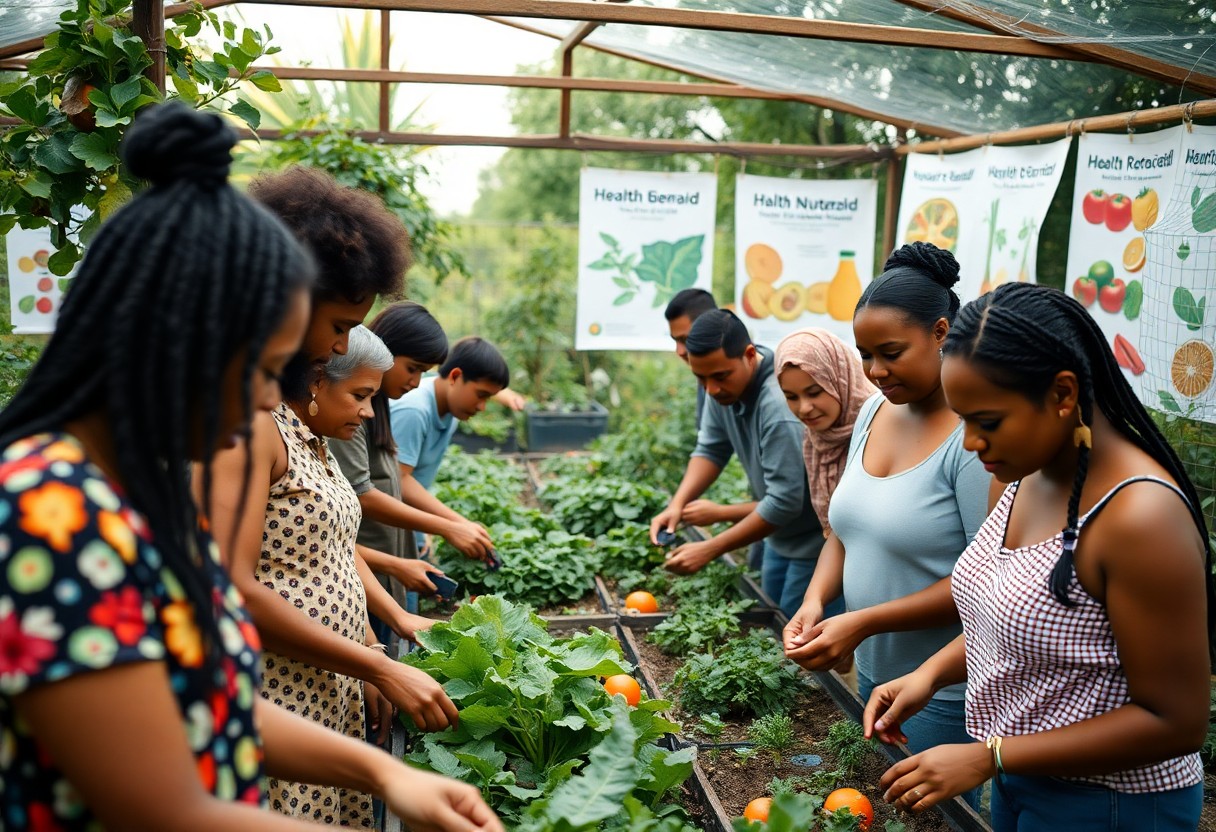
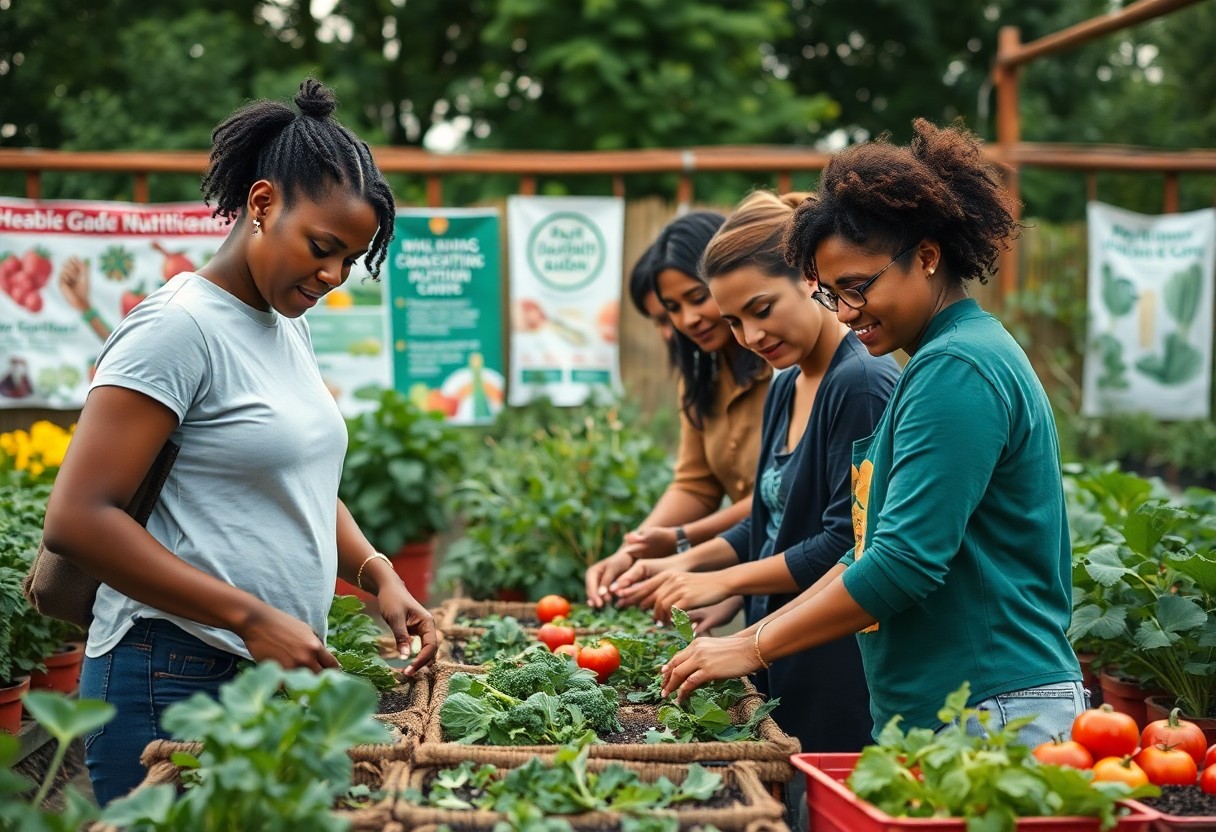
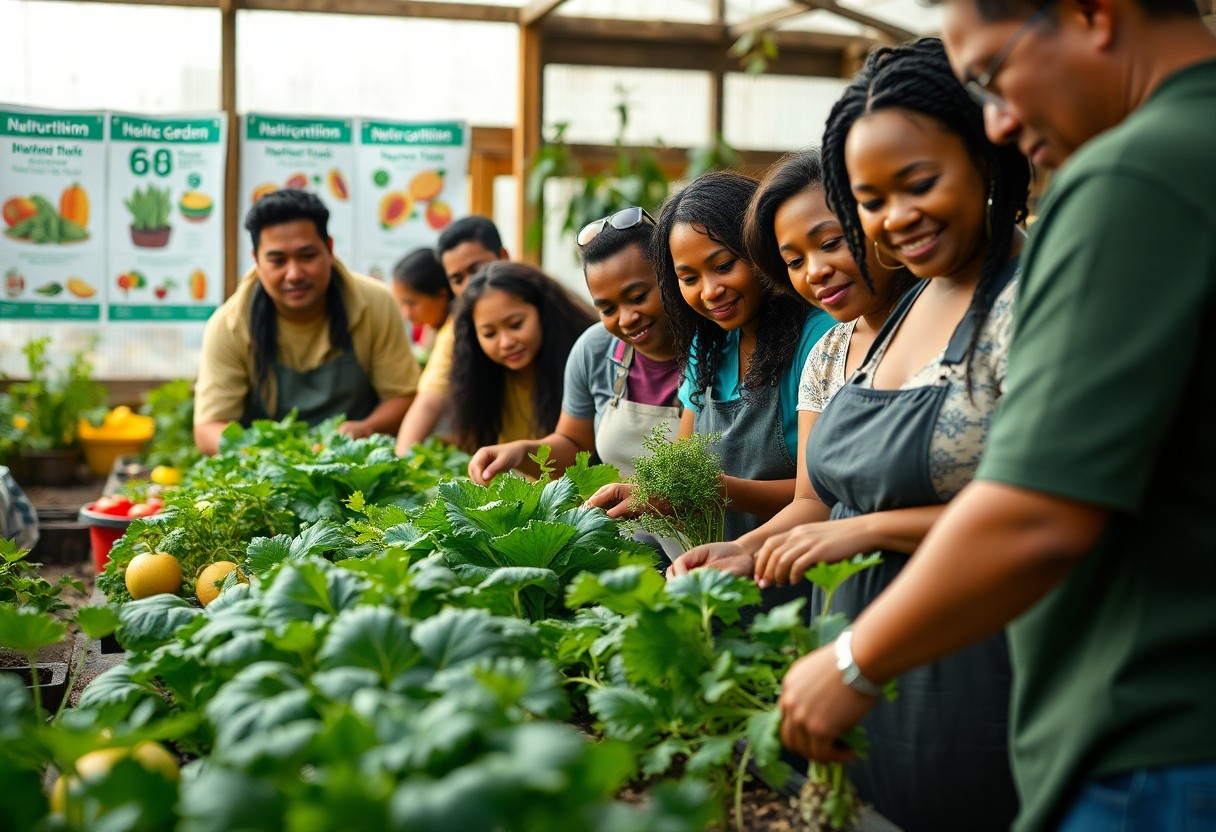
With a growing understanding of the complexities surrounding poverty, it’s crucial to examine how sustainable solutions are intertwined with gender equality and health outcomes. You may be surprised to learn that addressing these interconnected issues can significantly enhance the effectiveness of development initiatives. By recognizing the vital role that gender equity plays in economic growth and health improvements, you can better appreciate how these factors contribute to long-term solutions to poverty. This post will explore the relationship between these elements and their collective impact on sustainable development.

The Intersection of Poverty, Gender Equality, and Health

Your understanding of poverty should involve its intertwined relationship with gender equality and health. Research shows that promoting gender equality across the sustainable development agenda is vital for breaking the cycle of poverty. Addressing these intersections fosters more inclusive policies that support the most vulnerable populations.

Understanding Poverty and Its Dimensions

Against the backdrop of global challenges, poverty transcends mere financial limitations; it encompasses a lack of access to necessary services, education, and opportunities. Recognizing these dimensions is fundamental in designing effective interventions that aim to uplift marginalized communities.

Gender Disparities in Economic Opportunities

One key area where inequality manifests is in economic opportunities, where women often face significant barriers. These disparities limit women’s access to jobs, resources, and decision-making processes, perpetuating cycles of poverty.

A comprehensive analysis reveals that gender disparities in economic opportunities not only hinder women’s financial independence but also stifle economic growth at large. As businesses miss out on diverse talent, communities suffer from reduced innovation and productivity. Addressing these gaps is not merely a matter of equity but necessary for sustainable development.

Health Inequities and Their Impact on Poverty

An necessary aspect of poverty is health inequity, which disproportionately affects marginalized groups, further entrenching poverty. Poor health outcomes reduce individuals’ capacity to work, thereby limiting their economic potential and quality of life.

Poverty exacerbates health inequities by restricting access to healthcare services, nutritious food, and clean living conditions. In turn, these health challenges hinder individuals’ ability to escape poverty. Addressing health disparities is vital for uplifting communities and fostering overall economic stability, making it impossible to isolate health from efforts aimed at poverty alleviation.

1. Gender equality enhances economic growth and poverty alleviation.
2. Health outcomes influence productivity and economic resilience.
3. Women’s health directly impacts family and community well-being.
4. Empowered women lead to better educational attainment for children.
5. Addressing health disparities boosts sustainable development efforts.
6. Integrated approaches yield better results in poverty solutions.

Case Studies: Successful Sustainable Solutions

Any effective sustainable solution to poverty demonstrates the undeniable connection between gender equality, health outcomes, and economic growth. Here are a few noteworthy case studies:

  • Bangladesh’s Grameen Bank: Microloans helped 97% of women borrowers, increasing household income by 36%.
  • Rwanda’s Gender-Based Services: Over 60% of women in leadership positions have contributed to a 10% increase in GDP.
  • India’s Self-Employed Women’s Association (SEWA): 2 million women workers improved their economic status, impacting their families’ health and education.
  • Kenya’s Champions of Health Program: 80% of women reported improved access to healthcare, contributing to a 20% increase in employment rates.

Empowering Women through Education and Training

Through innovative educational programs, you can empower women, offering them the skills needed to become active economic participants. Initiatives like vocational training and literacy workshops have shown significant success, with women gaining access to better job opportunities, ultimately boosting family well-being and community health.

Health Initiatives that Drive Economic Growth

Against the backdrop of poverty, investing in health initiatives can catalyze broader economic growth. By focusing on health access and education, communities can better utilize their human resources. Sustainable health programs ensure that you can thrive, as improved health outcomes lead to increased productivity, ultimately reducing poverty levels.

Even examining countries like Ethiopia, where maternal health programs have reduced infant mortality by 70%, you can see the substantial return on investment in health. Healthy populations are more capable of contributing to the economy. Access to healthcare not only saves lives but also generates income, creates jobs, and enhances community resilience, paving the way for sustainable poverty alleviation.

Policy Frameworks for Integrating Gender and Health

Despite the growing recognition of the interconnections between gender equality, health outcomes, and poverty alleviation, policy frameworks often remain fragmented. You can advocate for comprehensive strategies that ensure inclusive health policies are designed with a gender perspective, enabling equitable access to resources and services. By aligning gender and health policies, you contribute to a more holistic approach that tackles the root causes of poverty while promoting gender equity.

Global Strategies and Sustainable Development Goals

Along with a commitment to eradicate poverty, global strategies emphasize gender equality and health as interconnected goals that must be addressed. The Sustainable Development Goals (SDGs) explicitly link these issues, highlighting that you can drive progress by supporting initiatives that promote women’s rights and improve health outcomes. By investing in these areas, you help unlock the potential of communities and foster sustainable development.

Local Approaches to Promote Gender Equality

The integration of gender equality in local policies is crucial for sustainable development. You can engage with community leaders to implement grassroots programs that empower women, improve health access, and provide economic opportunities. These localized efforts can create supportive environments that uplift not just women, but entire communities.

It is important to understand that local approaches can often yield significant results by tailoring solutions to specific cultural contexts and community needs. You can support initiatives that ensure women’s participation in decision-making processes, thereby amplifying their voices. Additionally, fostering partnerships with local organizations can enhance the effectiveness of programs aimed at reducing gender disparities and improving health outcomes. By actively engaging your community in these efforts, you create an inclusive environment that drives meaningful change and promotes sustainable development.

Challenges in Implementation

For implementing sustainable solutions to poverty effectively, you encounter various challenges that can hinder progress. These obstacles range from insufficient infrastructure to inadequate policy frameworks that fail to prioritize gender equality and health. Addressing these issues demands a multifaceted approach that engages all stakeholders, ensuring that your initiatives are well-coordinated and impactful.

Cultural and Social Barriers

Barriers rooted in cultural and social norms often impede your efforts towards achieving gender equality and improving health outcomes. Traditional gender roles and stereotypes can limit women’s participation in economic activities, while societal stigma can marginalize health-related discussions, particularly around reproductive health. Tackling these barriers requires community engagement and education to shift perspectives and foster inclusive practices.

Funding and Resource Allocations

For sustainable solutions to effectively address poverty, adequate funding and appropriate resource allocations are vital. Your initiatives may struggle to gain traction without a robust financial backing, which can stymie efforts to implement gender-sensitive programs and health services.

In fact, inadequate funding often leads to fragmented solutions that fail to create lasting change. You may find that many initiatives are short-lived due to a lack of sustained financial support, which perpetuates cycles of poverty and health disparities. Ensuring your projects have reliable funding sources will enhance their potential to transform communities and promote gender equality, ultimately improving health outcomes. Prioritizing resource allocation in a manner that directly addresses your target needs is vital to achieving your long-term goals.

The Role of Community Engagement

All sustainable solutions to poverty must involve community engagement. By actively involving community members, initiatives can be tailored to fit the unique needs and cultural contexts of those being served. This participatory approach not only enhances the effectiveness of programs but also empowers individuals, particularly women, to take ownership of their health and economic well-being. Through meaningful engagement, communities can foster collective action that drives gender equality and health improvements.

Grassroots Movements and Advocacy

Role of grassroots movements and advocacy is fundamental in addressing the interconnectedness of poverty, gender equality, and health. These movements amplify the voices of marginalized groups, allowing you to identify local challenges and solutions. By bringing awareness to women’s issues and health disparities, grassroots advocacy can influence policy changes that lead to sustainable improvements in your community.

Partnerships Between Organizations

Any effort to alleviate poverty and promote gender equality is enhanced through partnerships between organizations. Collaborative efforts bring together diverse expertise and resources, enabling you to tackle complex issues more effectively. By joining forces with local NGOs, governmental bodies, and international organizations, your initiatives can achieve wider reach and greater impact.

Also, these partnerships allow for the sharing of best practices and innovation, driving more holistic approaches to poverty reduction. When organizations pool their strengths, you gain access to a broader network and funding opportunities, which can significantly enhance project sustainability. This collaborative spirit ultimately leads to more comprehensive solutions that consider health outcomes and gender equality as part of the broader poverty alleviation framework.
Future Directions for Research and Policy

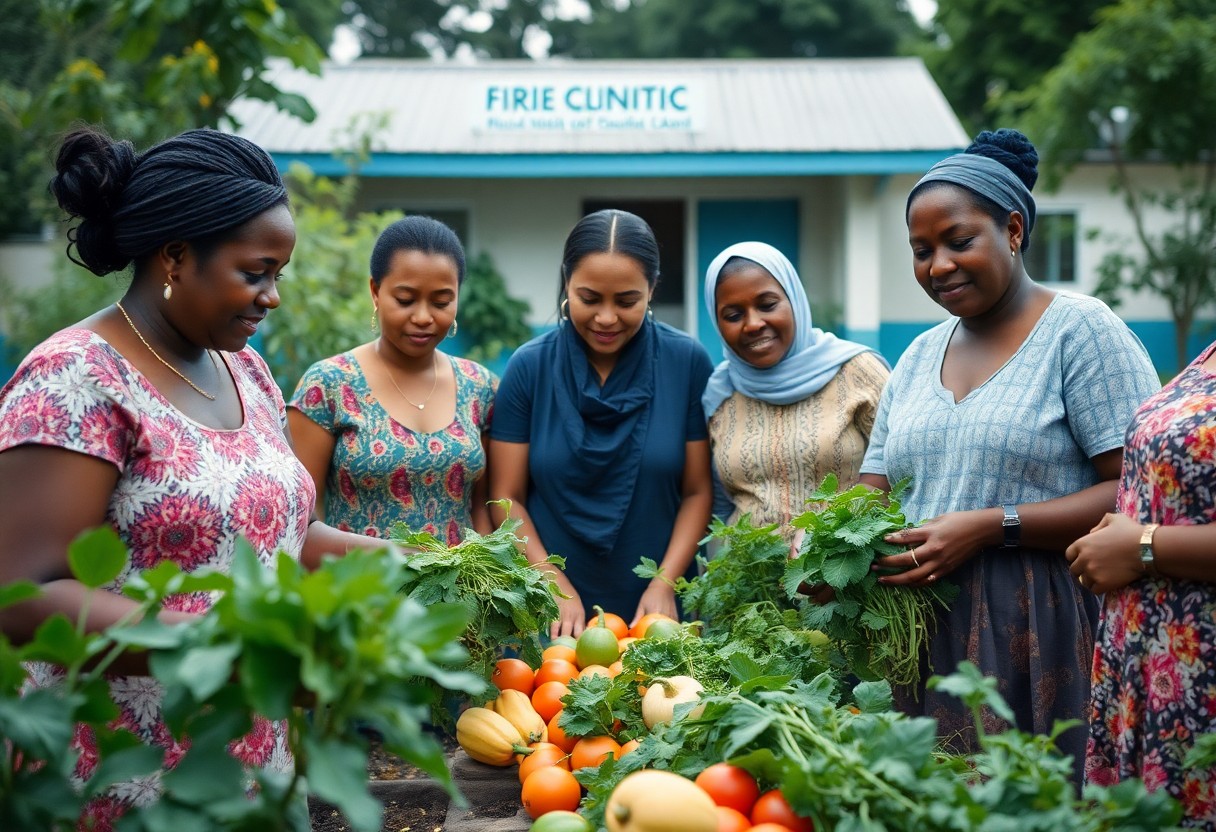
Keep exploring the intricate connections between gender equality, health outcomes, and sustainable poverty solutions. Increased focus on these dimensions is important for framing effective policies and measurement tools. For insights into the significance of gender equality across all Sustainable Development Goals, check out WHY GENDER EQUALITY MATTERS ACROSS ALL SDGS. Engaging diverse stakeholders will help inform future research and drive impactful policy changes.

Measuring Impact and Success

Future measurement frameworks should encompass both quantitative and qualitative indicators that reflect the interconnected nature of gender equality, health, and poverty alleviation. By focusing on disaggregated data, you can better capture the varying experiences of different gender groups and assess the effectiveness of initiatives in real-time, leading to more informed decision-making.

Innovative Approaches to Gender and Health Integration

With emerging technologies and multidisciplinary strategies, innovative approaches to integrating gender and health are transforming how you address societal challenges. Such methods enable improved access to healthcare and enhance individuals’ overall well-being, particularly for women and marginalized groups.

Health initiatives that prioritize gender inclusivity can leverage technology to offer tailored solutions, from mobile health applications to community-based interventions. By engaging local communities, you support the design of programs that resonate with their specific needs and challenges. These strategies not only enhance health outcomes but also contribute to sustainable economic development by empowering women and fostering equality.

Conclusion

Now, you can see that sustainable solutions to poverty are deeply intertwined with gender equality and health outcomes. Addressing poverty effectively means recognizing that empowering women and improving health services can significantly enhance economic stability and community resilience. By understanding these connections, you can play a vital role in advocating for integrated policies that foster holistic development, ultimately leading to better quality of life for all.

Empowering Guide – How To Combat Climate Change Through Education Initiatives

There’s a powerful way you can address climate change by harnessing the potential of education initiatives. By actively engaging in educational programs, you can not only inform yourself but also inspire others to take action. This guide will provide you with practical steps and strategies to leverage education as a tool for raising awareness and driving meaningful change. Dive in to discover how you can make a significant impact in your community and beyond through informative initiatives.

Understanding Climate Change

Before you can effectively address climate change, you must grasp its foundation. Climate change refers to significant, long-term shifts in temperatures and weather patterns, primarily driven by human activity. Its implications stretch from environmental degradation to socio-economic instability, impacting the world at large. With education initiatives, you can empower yourself and others to understand these dynamics and take meaningful action.

How Climate Change Affects Our World

Assuming you recognize the intricacies of climate change, it’s necessary to understand its profound effects. From rising sea levels to extreme weather, the consequences extend beyond nature, influencing human health and livelihoods, and creating societal disparities.

Key Factors Contributing to Climate Change

While you may be aware of climate change, delving deeper reveals various factors that accelerate this phenomenon. These include:

  • Greenhouse gas emissions from industrial activities
  • Deforestation and land-use changes
  • Increased reliance on fossil fuels
  • Waste generation and management issues

Perceiving these elements will illuminate the urgency of educational initiatives in fostering awareness and prompting action.

Plus, understanding these contributing factors can further enhance your knowledge and inspire change. Consider exploring additional influences, such as:

  • Transportation and its carbon footprint
  • Overconsumption and its impact on resources
  • Agricultural practices and land management
  • Population growth and urbanization

Perceiving these dimensions will enable you to advocate for sustainable practices and engage effectively in climate change discussions.

1. Assess local climate issues through discussions and research.
2. Develop educational programs tailored to community needs.
3. Collaborate with local organizations and schools for outreach.
4. Utilize engaging teaching methods like workshops and field trips.
5. Encourage students to undertake personal and community projects.
6. Measure progress and adapt initiatives based on feedback.

The Role of Education in Climate Action

You hold the key to combating climate change through education. You can inspire change by integrating climate education into your learning environments. Utilizing resources such as A Guide to Using Student-Centered Projects to Teach … can equip you to engage students actively. By fostering a deeper understanding of climate issues, you empower future generations to take meaningful action.

How Education Fosters Awareness

Role of education extends to raising awareness about climate change. Through comprehensive curricula, you can provide your students with factual knowledge and critical thinking skills. This awareness leads to informed citizens who understand the implications of their actions on the environment and society.

Empowering Communities Through Knowledge

An effective education system promotes not only individual learning but also a collective understanding of climate issues within communities. You can leverage this knowledge to inspire collaborative projects, workshops, and discussions. By creating a culture of shared learning, you encourage community members to explore sustainable practices and solutions together.

Education can serve as a powerful tool for community empowerment by facilitating discussions on climate-related challenges. Involving all demographics, from children to adults, broadens perspectives and fosters collaborations that spark innovative ideas. Recognizing the unique strengths of each community member encourages shared responsibility toward sustainability, ultimately enabling your community to thrive while reducing its ecological footprint.

Developing Effective Education Initiatives

Not only should educational initiatives focus on imparting knowledge about climate change, but they should also aim to inspire and empower students to take action. By integrating hands-on learning experiences, interdisciplinary approaches, and community involvement, you can create programs that resonate with students. Tailoring initiatives to meet the unique needs of your community can amplify their effectiveness and foster long-term commitment to combating climate change.

Tips for Creating Engaging Programs

Creating engaging educational programs involves a careful blend of creativity and practicality. Consider these tips:

  • Incorporate interactive activities like workshops and field trips.
  • Utilize storytelling to make climate issues relatable.
  • Encourage student-led projects to foster ownership.
  • Collaborate with local organizations for real-world connections.

Knowing your audience will allow you to tailor experiences that captivate their interest and motivate their participation.

How to Implement Strategies in Schools

For successful implementation of climate education strategies in schools, you should establish clear goals and a dedicated action plan. Engage educators, students, and parents alike to ensure everyone understands the program’s vision and goals. By incorporating climate themes into various subjects and promoting extracurricular activities, you position climate education as a central component of school culture.

Tips for executing these strategies effectively include developing training sessions for teachers, creating resourceful toolkits, and regularly assessing the impact of your programs. Encourage schools to host events like climate fairs and workshops that involve the entire community, fostering a shared sense of responsibility. Keep communication channels open to gather feedback and make adjustments as necessary, ensuring sustained engagement and progress toward your climate education objectives.

Collaborating with Stakeholders

Once again, collaboration is key in enhancing the effectiveness of education initiatives aimed at combatting climate change. Engaging with various stakeholders—from schools and local governments to non-profits and businesses—can amplify your efforts significantly. Seeking support from established organizations, like The Climate Initiative – Empowering youth for climate action, can provide valuable resources and insights for your educational programs.

Building Partnerships for Greater Impact

Clearly, building strong partnerships with diverse stakeholders can lead to innovative educational approaches that enhance awareness and activism. By pooling resources, sharing knowledge, and leveraging networks, you can create a more significant impact on climate change education.

How Communities Can Join Forces

There’s immense power in community collaboration. By coming together, local organizations, schools, and residents can share expertise and resources, creating a united front against climate challenges.

With various community groups aligning their goals, you can foster an environment where educational initiatives thrive. This collective approach enables you to address specific local climate issues while raising awareness and inspiring action. When communities unite, they can create tailored programs that resonate more deeply with participants, ultimately strengthening the commitment to educate and engage towards sustainable change.

Measuring the Impact of Education on Climate Awareness

Now, understanding how educational initiatives shape climate awareness is crucial for assessing their effectiveness. By measuring the impact, you can identify which methods resonate with your audience and promote lasting change. Engage your stakeholders in evaluating how awareness levels shift before and after the implementation of educational programs, ensuring that you gather relevant data to inform future initiatives.

Tips for Evaluating Success

While evaluating the success of your educational programs, consider the following tips:

  • Conduct surveys to gauge increased knowledge and awareness.
  • Track participation rates in climate-related events and initiatives.
  • Analyze changes in attitudes or behaviors related to sustainability.

Thou can use these insights to refine your approach and enhance your impact.

Factors to Consider for Improvement

On your journey to enhance climate education, various factors should be considered. These can significantly influence the effectiveness and reach of your initiatives. Feedback from participants can provide insights on the content, delivery, and engagement levels. Evaluate external circumstances, such as current events or policies, that may affect your audience’s perception of climate change.

  • Assess the accessibility of your educational resources.
  • Evaluate the diversity of topics covered within your programs.
  • Adjust your strategies based on community engagement and response.

Thou will find that continuous assessment leads to meaningful improvements.

For instance, analyzing participant feedback can guide you in tailoring content to suit diverse learning styles and preferences. Identifying gaps in knowledge enables you to expand upon crucial topics that resonate with your audience. Additionally, collaboration with local organizations may improve outreach, ensuring your message reaches a broader demographic. Examine how you communicate and present information, as this directly influences retention and understanding.

  • Revisit the engagement methods you employ.
  • Ensure that facilitators are well-trained and knowledgeable.
  • Incorporate interactive elements that encourage participation.

Thou can maximize your educational initiatives’ impact by applying these considerations strategically.

Advocacy and Outreach

For effective climate action, advocacy and outreach play a pivotal role in amplifying your voice. By engaging in community initiatives and promoting policies that support education and sustainability, you can drive change. Consider exploring Climate Education: Empowering Change to gain insights and strategies for your advocacy efforts.

How-to Raise Awareness Beyond the Classroom

Classroom teachings are just the beginning; extend your influence by organizing events and campaigns that promote climate education. Utilize social media platforms to share information, create engaging content, and foster discussions that reach wider audiences.

Tips for Mobilizing Community Action

Little actions can lead to significant impacts. Start by fostering relationships within your community and share ways to get involved. You can mobilize action by:

  • Organizing community clean-up events
  • Hosting informational workshops
  • Collaborating with local businesses for sustainability efforts

The combined efforts will bring more people into the fold and create a united front against climate change.

Community involvement is necessary for lasting change. Engage your neighbors and friends to participate in initiatives that promote sustainability. Encourage discussions about climate issues by facilitating gatherings or local forums where ideas can flow. You could:

  • Leverage local media to spread awareness
  • Partner with schools to integrate climate discussions
  • Establish community garden projects to promote healthy living

The goal is to create a ripple effect that encourages everyone to play their part in combating climate change.

Conclusion

Now that you understand the importance of education initiatives in combating climate change, you can take proactive steps in your community. By engaging with local programs, advocating for sustainable practices, and sharing knowledge with others, you contribute to a larger movement that fosters environmental awareness. Your efforts can lead to positive change, empowering individuals and communities to take action against climate change collectively. Embrace your role as a change-maker and inspire others to join you on this important journey.

Essential Strategies – How To Address Gender Equality In The Fight Against Discrimination

There’s a pressing need for you to engage in the conversation surrounding gender equality, as it is a fundamental aspect of combating discrimination in all its forms. As you navigate this complex landscape, adopting effective strategies will empower you to foster inclusivity and equality in your community. This guide provides you with actionable steps to advocate for gender equality, influence change, and address the barriers that perpetuate discrimination, ultimately leading you toward creating a more equitable society for all.

Understanding Gender Equality

Achieving gender equality involves ensuring that individuals of all genders have equal rights, responsibilities, and opportunities. You play an important role in fostering an environment where everyone can thrive, regardless of their gender identity. As you educate yourself and engage with others on this topic, you contribute to breaking the societal norms that perpetuate discrimination and inequality.

Defining Gender Equality

Even though the term ‘gender equality’ is widely used, it encompasses more than just equal representation. It signifies that all genders should enjoy the same rights and privileges in various aspects of life, including economic participation, decision-making, and access to resources. By understanding this definition, you set the foundation for promoting fairness and justice in your community.

Importance in Addressing Discrimination

Equality is vital for dismantling various forms of discrimination that individuals face based on their gender. When you advocate for gender equality, you challenge stereotypes and biases that inhibit progress. This not only empowers marginalized groups but also enriches society as a whole. Your active engagement in promoting gender fairness contributes to a healthier, more inclusive environment, benefiting everyone.

With a commitment to gender equality, you help create a society where individuals are not judged or limited by their gender. Fostering this environment allows diverse perspectives and talents to emerge, enhancing creativity and collaboration across all sectors. By promoting gender equality, you play a significant role in reducing discrimination, encouraging mutual respect, and cultivating a culture where every voice is valued. Your efforts can lead to transformative changes that resonate beyond your immediate community.

1. Assess current gender disparities in your organization.
2. Foster open dialogue about gender equality issues.
3. Implement policies promoting equal opportunities for all.
4. Provide training on gender sensitivity and inclusivity.
5. Encourage diverse representation in leadership roles.
6. Monitor progress and adjust strategies as needed.

Identifying Discrimination Factors

Any effort to achieve gender equality must first involve identifying the various factors contributing to discrimination. This helps you understand the roots of inequality and informs your strategies. Key discrimination factors may include:

  • Stereotypes and biases
  • Social norms and values
  • Legal frameworks
  • Institutional barriers

The awareness of these factors enables you to address the specific areas where improvement is needed.

Cultural Influences

Now, let’s explore the cultural influences that often shape perceptions of gender roles. These cultural narratives can reinforce stereotypes, making it necessary for you to challenge and reshape these societal norms. Engaging in conversations about gender roles and advocating for diverse representation can shift mindsets and promote equality.

Economic Barriers

Some economic barriers contribute significantly to gender inequality, making it difficult for women and marginalized groups to access the same opportunities as their male counterparts. These barriers can manifest in various forms, such as wage disparities, limited career advancement, and unequal access to financial resources.

The recognition of economic barriers is vital for creating an equitable environment. Understanding that systemic issues, such as unequal pay and fewer opportunities for professional development, affect your potential is key. By addressing these barriers through policy changes and advocacy, you can work towards a more inclusive economic landscape that benefits everyone.

How to Promote Gender Equality

Now, you can play a significant role in promoting gender equality by initiating conversations and raising awareness within your community. Engage in local groups and collaborate with organizations focused on this important issue to foster change. By combining efforts, you can create an inclusive environment that encourages gender equity and empowers individuals regardless of their gender identity.

Education and Training

The foundation of promoting gender equality lies in comprehensive education and training. By providing educational resources and workshops, you can equip individuals with the knowledge and awareness necessary to challenge stereotypes and discriminatory practices. You are not only helping to promote understanding but also empowering the next generation to build a more equitable society.

Advocacy and Policy Change

Training advocates and decision-makers can significantly influence gender equality in policies and practices. It’s necessary to develop campaigns that address gender parity and push for reforms in legislation. By actively engaging with policymakers and demonstrating the importance of gender equality, you are helping to ensure impactful changes that benefit everyone.

Promote advocacy initiatives by collaborating with local organizations and community leaders to highlight the need for policy revisions that support gender equality. Use social media and public forums to raise awareness and encourage others to join the cause. Fostering a united front can accelerate the push for systemic changes, making your community a more inclusive space for everyone.

Tips for Effective Communication

Your approach to communication can significantly influence the dialogue surrounding gender equality. To enhance your effectiveness, consider the following tips:

  • Use inclusive language that respects all gender identities.
  • Listen actively to both women’s and men’s perspectives.
  • Be open to feedback and adjust your messaging accordingly.
  • Utilize data and statistics to support your arguments.
  • Share stories to make your points relatable and impactful.

Assume that fostering an open dialogue is the key to addressing concerns about discrimination effectively. For more insights, check out How Can We Stop Gender Discrimination?.

Engaging Stakeholders

Even the most well-intentioned efforts may fall short without the involvement of key stakeholders. Prioritize collaboration by identifying and including individuals and groups who are affected by gender disparities. Their insights will enrich your strategies, making them more relevant and effective.

Leveraging Social Media

Any effective campaign for gender equality should utilize social media platforms for outreach. This modern tool allows you to engage a diverse audience and spread your message widely and quickly.

Media channels such as Twitter, Instagram, and Facebook enable you to amplify your concerns and mobilize community support. Use these platforms to share informative content, highlight success stories, and create discussions that resonate with a broad audience, ultimately fostering a collective commitment to gender equality.

Implementing Action Plans

After developing a comprehensive understanding of gender equality, it is imperative to implement action plans tailored to address specific discrimination issues. These plans should include an array of initiatives aimed at promoting inclusiveness and ensuring equal opportunities across your organization. Engaging stakeholders, allocating resources, and establishing timelines will support timely execution and help foster a workplace culture that champions diversity and equality.

Setting Goals

Clearly defined goals are the foundation of your action plan. Establishing measurable, realistic, and time-bound objectives will guide your efforts to achieve gender equality. Focus on specific areas where inequities exist, and ensure that these goals resonate with the overall mission of your organization. By doing so, you will create a clear framework that motivates your team and drives positive change.

Measuring Progress

If you want to ensure the effectiveness of your action plans, it is important to measure progress regularly. This involves collecting data on key performance indicators related to gender equality, such as representation, pay equity, and promotion rates. Analyzing this information will provide valuable insights into the impact of your initiatives and identify areas that require further attention.

This process of measurement is vital for establishing accountability within your organization. By consistently reviewing data and evaluating outcomes, you can adjust your strategies to enhance their effectiveness. Furthermore, sharing progress updates with your team cultivates an inclusive atmosphere that encourages commitment towards collective goals. Engaging in transparent reporting also strengthens trust and signifies your dedication to gender equality, demonstrating to all stakeholders that you value their contributions to this imperative cause.

Building Partnerships for Change

Not tackling gender equality in isolation can limit your impact. Embrace collaboration by forming strategic alliances with various stakeholders. To learn more, explore Goal 5: Gender equality. Together, you can amplify your efforts and drive systemic change.

Collaborating with Organizations

An effective approach to gender equality involves partnering with organizations dedicated to this cause. By aligning your mission with those who share your vision, you can pool resources, knowledge, and influence to create a more significant impact on policies and practices.

Engaging Community Leaders

Assuming an active role in engaging community leaders is important to foster local support and empower grassroots movements. Their insights and influence will help you tailor initiatives that resonate within your community.

With community leaders on your side, you can foster meaningful dialogue and build trust among diverse groups. Their established presence can mobilize resources and inspire collective action, creating a supportive environment for gender equality initiatives. By working together, you pave the way for sustainable changes that resonate across the community, ensuring that efforts to eliminate discrimination are not only heard but also embraced and sustained.

Summing up

So, as you navigate the complexities of gender equality in the fight against discrimination, it is vital that you adopt a multi-faceted approach. Focus on education, awareness, and advocacy while engaging with communities and organizations invested in this cause. Advocate for policy changes and ensure inclusive practices in your own environment. By empowering both yourself and others, you can contribute to meaningful change and create a more equitable society for all genders. Your efforts can spark conversations and inspire actions that pave the way for a fairer future.

Practical Solutions – How To Alleviate Poverty While Promoting Health And Wellbeing

This guide offers you effective strategies to address poverty while simultaneously enhancing health and well-being in your community. By understanding the interconnectedness of economic stability and health outcomes, you can implement practical solutions that make a significant difference. From supporting local food initiatives to advocating for accessible healthcare, you’ll discover approaches that empower you and those around you. Together, we can create a healthier, more equitable society that uplifts everyone.

Understanding Poverty

To fully grasp the complexities of poverty, you must consider its multifaceted nature, as it encompasses not only lack of income but also limited access to crucial services and opportunities. According to the role of health promotion in poverty reduction, improving health outcomes is vital in breaking the cycle of poverty, as healthy individuals are better positioned to work, learn, and contribute to society.

Defining Poverty

To define poverty, you need to recognize that it extends beyond mere financial scarcity. It often includes the inability to access basic needs such as food, shelter, and healthcare, which significantly impacts your quality of life.

Key Factors Contributing to Poverty

On exploring the underlying causes of poverty, you will find that various factors significantly influence its persistence. These include:

  • Limited education and skills
  • Lack of employment opportunities
  • Health issues and limited access to healthcare
  • Social inequality and discrimination
  • Political instability and conflict

Any of these factors can severely limit your chances of escaping poverty.

This understanding highlights the need for a targeted approach to address the specific causes of poverty. Focusing on the following areas can make a notable difference:

  • Investing in education and vocational training
  • Creating job opportunities through local businesses
  • Improving access to healthcare services
  • Promoting social equity and empowerment
  • Strengthening political and social institutions

Any comprehensive strategy must include these elements to effectively alleviate poverty and promote well-being.

1. Assess community needs through surveys and focus groups.
2. Develop accessible health programs tailored to local populations.
3. Establish job training initiatives to enhance employment opportunities.
4. Promote nutritious food access through local farming initiatives.
5. Create partnerships with nonprofits for resource sharing and support.
6. Encourage financial literacy workshops to empower individuals economically.

Health and Wellbeing in Relation to Poverty

Any discussion on poverty must include its profound impact on health and wellbeing. Lower-income individuals often face higher rates of chronic diseases, mental health issues, and limited access to healthcare services, all of which perpetuate the cycle of poverty. Your wellbeing is closely tied to your economic situation; improving one can significantly benefit the other, making it crucial to address both issues collectively.

The Impact of Poverty on Health

With poverty comes limited access to necessities such as nutritious food, clean water, and healthcare, leading to adverse health outcomes. People living in impoverished conditions are more likely to experience higher rates of malnutrition, untreated illnesses, and mental health challenges, significantly lowering their quality of life.

Factors Influencing Overall Wellbeing

Clearly, various factors shape your overall wellbeing, including socioeconomic status, education, environment, and access to healthcare. Addressing these elements can help break the cycle of poverty and enhance your physical and mental health.

  • Socioeconomic Status
  • Education Level
  • Access to Healthcare
  • Social Connections

The interplay of these factors significantly influences your daily life, necessitating a comprehensive approach to improve your wellbeing and reduce poverty simultaneously.

Overall, focusing on individual factors can help you identify strategies to promote your wellbeing effectively. By understanding the specifics, you can take actionable steps toward improving your life circumstances.

  • Personal Health Practices
  • Safe Living Environment
  • Support Systems

The synergy between these aspects can empower you to cultivate a healthier and more fulfilling life, ultimately working toward alleviating poverty.

Practical Strategies for Alleviating Poverty

Many communities face the challenge of poverty, but implementing practical strategies can make a significant difference. You can support initiatives aimed at increasing economic opportunities, promoting education, and enhancing access to healthcare. By understanding and applying these strategies, you can actively contribute to lifting individuals and families out of poverty while also fostering overall health and wellbeing in your community.

Economic Empowerment Initiatives

While addressing poverty, economic empowerment initiatives allow individuals to gain financial independence. You can participate in programs that provide microloans, vocational training, and entrepreneurship support to help others develop sustainable income sources. By empowering individuals through these initiatives, your community can create a more resilient economic landscape.

Access to Education and Skill Development

To effectively alleviate poverty, providing access to education and skill development is imperative. You can support local organizations that focus on improving educational facilities, offering scholarships, and delivering vocational training. These opportunities not only equip individuals with knowledge but also enhance their employability, enabling them to secure better job prospects.

Development of education and skill development programs is vital for enduring poverty alleviation. You can advocate for learning initiatives that focus on both formal education and vocational training, tailored to the needs of your community. By fostering partnerships with local businesses and educational institutions, you can help create programs that equip individuals with practical skills. This tailored approach ensures that participants are prepared to thrive in the job market, reducing reliance on temporary assistance and encouraging self-sufficiency.

Promoting Health and Wellbeing

Unlike common misconceptions, promoting health and wellbeing is not solely the responsibility of healthcare systems. It is a collective effort that requires active participation from communities. By fostering environments that prioritize health education, accessible healthcare, and mental wellness, you can contribute to a significant reduction in poverty levels. This holistic approach creates a thriving community where individuals feel supported, leading to improved overall health outcomes and a reduction in health disparities.

Community Health Programs

Now, you can engage in community health programs that provide necessary services and resources to underserved populations. These programs often focus on preventive care, health education, and mental health support, enabling individuals to better manage their health. By actively participating in or supporting local initiatives, you can help create a healthier community that empowers individuals to make informed decisions about their wellbeing.

Nutrition and Food Security Initiatives

There’s a strong link between nutrition, food security, and overall health. Many individuals living in poverty face challenges accessing healthy and sufficient food. Addressing these issues not only improves nutritional outcomes but also bolsters community health and reduces healthcare costs.

For instance, by supporting nutrition and food security initiatives, such as community gardens and food pantries, you play a vital role in ensuring that everyone has access to nutritious meals. These programs can also include education on healthy eating and cooking, empowering individuals to make better food choices. By participating in these initiatives, you’re helping to create a sustainable food environment that positively impacts health and wellness for all members of your community.

How-To Tips for Sustainable Change

Once again, sustainable change requires commitment and strategic action. Here are some tips to help guide your efforts:

  • Empower individuals through education and skills training.
  • Promote access to healthcare services and resources.
  • Encourage community engagement and collaboration.
  • Implement sustainable agricultural practices to enhance food security.

Thou must strive for continuous improvement to ensure lasting impact. Learn more about the connection between Poverty and Health.

Engaging Local Communities

Even the most well-intentioned programs will fall short without the active involvement of local communities. It’s vital for you to reach out and understand the unique needs and resources within your community. This collaborative approach fosters ownership and ensures that initiatives are relevant and effective.

Collaborating with Organizations and Stakeholders

Change often occurs faster and more effectively through powerful partnerships. By working with organizations and stakeholders, you can pool resources, knowledge, and expertise to tackle poverty and health issues more comprehensively. Engage with nonprofits, government agencies, and local businesses to create a support network that amplifies your impact.

Understanding the strengths and weaknesses of your collaborators will enhance your ability to address poverty and health concerns efficiently. Facilitate open communication, set shared goals, and build trust among partners to create an effective coalition. This synergy not only improves program outcomes but also fosters a sense of community ownership, paving the way for sustainable development.

Monitoring and Evaluating Impact

All effective poverty alleviation efforts require ongoing monitoring and evaluation to measure their impact on health and wellbeing. By systematically collecting data and analyzing outcomes, you can ascertain which initiatives are beneficial and identify areas for improvement. This process not only helps in understanding the efficacy of current strategies but also aids in ensuring accountability and transparency to stakeholders involved in your initiatives.

Setting Metrics for Success

While defining metrics for success, it is necessary to establish clear, measurable indicators that align with your goals. These metrics should be specific, relevant, and attainable, allowing you to track progress accurately. Consider both qualitative and quantitative measures, such as the number of individuals served, improvements in health outcomes, and feedback from participants to fully capture the impact of your programs.

Adjusting Strategies Based on Feedback

Even with well-defined metrics, it’s crucial to remain adaptable. Collecting and analyzing feedback from participants helps you understand the real-world effectiveness of your initiatives. As you gain insights from this feedback, you can make informed adjustments to your strategies, ensuring that your programs remain effective and aligned with the evolving needs of the community you serve.

Setting aside time to regularly review the feedback you receive is necessary. This not only allows you to correct any course deviations but also fosters community trust and engagement. By being responsive to your participants’ needs and concerns, you can refine your approaches, enhance program effectiveness, and ultimately achieve greater impact in alleviating poverty and promoting health and wellbeing.

Final Words

Hence, by implementing practical solutions that address both poverty and health, you can contribute to a more equitable society. Whether it’s through advocating for policy changes, supporting community programs, or improving access to health services, your efforts can make a significant impact. You can also educate yourself further on the relationship between poverty and mental well-being, such as in the article on Poverty and Mental Health: How Counselors Can Help. Your initiatives can lead to lasting change and improved quality of life for those affected by these interconnected issues.

Comprehensive Approach – How To Tackle Global Terrorism Through Community Empowerment

There’s a growing recognition that the fight against global terrorism must go beyond traditional security measures. By empowering your community, you can play an active role in addressing the underlying issues that contribute to radicalization and violence. In this post, you will discover effective strategies that focus on strengthening community ties, fostering dialogue, and creating a sense of belonging. These approaches not only work toward prevention but also promote resilience against extremist narratives. Let’s explore how you can be a catalyst for change in your community.

Understanding Global Terrorism

Your grasp of global terrorism begins with acknowledging its multifaceted nature. This phenomenon transcends borders and political ideologies, impacting societies and individuals at various levels. Understanding these dimensions is necessary for developing effective strategies to combat this pervasive threat.

Definition and Scope

Little do many realize that terrorism is not solely an act of violence; it is a calculated strategy employed by groups to instill fear, gain political power, or push an ideological agenda. Its scope is wide-ranging, encompassing various types of actors, including state-sponsored and non-state entities.

Key Factors Contributing to Terrorism

Scope of terrorism can be influenced by several key factors, which include:

  • Poverty and social exclusion
  • Political oppression
  • Religious extremism
  • Perceived injustices

Perceiving how these factors interplay provides deeper insights into the root causes of terrorism and can inform better community-based interventions.

It is necessary to probe deeper into the key drivers that contribute to the escalation of terrorist activities. These factors not only fuel individual motivations but also create environments where radical ideologies can thrive. Addressing these issues is fundamental to establishing peace and stability in communities. Among the various influences, consider:

  • Lack of education and awareness
  • Globalization and its discontents
  • Social media and hate speech
  • Perceived disenfranchisement

Perceiving these factors enables you to understand the broader context of terrorism, which is necessary for effective community empowerment initiatives.

1. Identify local community strengths and resources for empowerment.
2. Foster open dialogues about safety and security concerns.
3. Organize workshops on conflict resolution and tolerance-building.
4. Collaborate with local authorities for effective resource allocation.
5. Encourage youth engagement in positive, community-driven initiatives.
6. Monitor progress, adjusting strategies based on community feedback.

The Role of Community Empowerment

Clearly, community empowerment plays a vital role in mitigating the effects of global terrorism. By fostering a strong sense of community, you enable individuals to take ownership of their environments and actively participate in preventing radicalization. Empowered communities are better equipped to collaborate with local law enforcement and share information, ultimately creating a safer space for everyone.

Definition and Importance

Some might define community empowerment as the process by which individuals gain the confidence, skills, and resources necessary to address their challenges collectively. It’s important because empowered communities can effectively counteract the ideologies that fuel terrorism, fostering resilience and social cohesion that strengthens overall safety and well-being.

Strategies for Community Engagement

Role in community engagement strategies centers on building trust and encouraging communication among diverse groups. By creating platforms for dialogue, you enhance collaboration which can lead to innovative solutions that address local issues and reduce the appeal of extremist ideologies.

Plus, you can implement specific initiatives like workshops, community forums, and mentorship programs that engage multiple demographics. These efforts not only promote understanding and cooperation among community members but also serve as a proactive measure against radicalization. Leveraging local resources, you’ll create an environment where everyone feels valued and heard, making it harder for extremist ideologies to take root.

How to Identify Vulnerable Communities

Unlike static methodologies that overlook unique community dynamics, an effective approach to identifying vulnerable communities requires nuanced analyses. You can explore resources like Terrorism: France’s International Action to understand how various socio-economic factors can expose specific populations to extremist influences. Assessing these vulnerabilities enables the implementation of targeted initiatives that empower and protect at-risk groups.

Assessment Techniques

Communities can be assessed through various techniques, including qualitative surveys, community mapping, and stakeholder interviews. By actively engaging with local residents, you can gain insights into their perceptions, concerns, and experiences related to security and potential threats. Fostering open dialogue is important for identifying underlying issues that contribute to vulnerability.

Indicators of Vulnerability

Little attention is often given to the subtle signs that indicate community vulnerability. You should be alert to factors such as high unemployment rates, low educational attainment, social disintegration, and a significant presence of marginalized groups. Each of these indicators helps paint a clearer picture of which communities may be at risk of radicalization or violence.

To effectively address these vulnerabilities, consider the context of these indicators as part of a broader social fabric. Assessing access to resources, community cohesion, and trust in local authorities provides you with a comprehensive understanding of the factors that exacerbate risks. By prioritizing these elements, you can design and implement interventions that foster resilience and promote social stability within at-risk communities.

Tips for Building Resilient Communities

To build resilient communities, focus on fostering strong relationships and local networks. Consider these actionable tips:

  • Organize community events to enhance social interaction.
  • Encourage neighborhood watch programs to promote safety.
  • Facilitate workshops on conflict resolution and effective communication.
  • Support local initiatives and small businesses to strengthen the economy.

Thou can make a significant impact in your community by taking these steps.

Fostering Social Cohesion

The strength of a community lies in its ability to connect individuals from diverse backgrounds. By creating inclusive spaces where everyone feels welcome, you foster understanding and empathy, reducing the risk of extremism. Engage with community members through dialogue and collaborative projects to build trust and unite people around shared goals.

Promoting Economic Opportunities

Promoting economic opportunities is fundamental to creating resilient communities. By providing access to education and job training, you equip individuals with the skills needed to succeed. Encourage small business development by offering financial resources and mentorship programs that enable aspiring entrepreneurs to thrive. This economic empowerment not only strengthens individual families but also uplifts the entire community.

Understanding the linkage between economic stability and social harmony is vital. A community that prioritizes job creation and skill development significantly reduces the likelihood of individuals turning to violence or extremist ideologies. By investing in vocational training and supporting local enterprises, you enhance the overall prosperity and resilience of your community, enabling everyone to contribute positively to a safer environment.

How to Create Effective Community Programs

Now, effective community programs require a thoughtful approach to address the root causes of extremism. Fostering a sense of belonging, promoting education, and enhancing local resources helps build resilience against radicalization. Engaging community members in the design and implementation of these programs ensures they meet specific local needs, ultimately empowering individuals to take active roles in safeguarding their communities.

Program Development Steps

Create a structured plan that begins with assessing community needs and strengths. Engage stakeholders, including local leaders and residents, to gather insights. Design the program around these findings and develop clear objectives that encourage participation. Implement the program while ensuring effective communication channels to bolster community involvement and feedback.

Evaluation and Adaptation

You must continuously evaluate the effectiveness of your community programs. Regular assessments will help identify what works and what may need adjustment. By staying attuned to feedback from participants, you can adapt your initiatives, ensuring they remain relevant and impactful.

A responsive evaluation process involves gathering quantitative and qualitative data to measure outcomes. Analyze community feedback through surveys, focus groups, and discussions to pinpoint areas for improvement. Be open to making changes based on these insights, reinforcing the idea that program development is an ongoing cycle. By embracing adaptability, you enhance the potential for your initiatives to thrive and meet the ever-evolving challenges of global terrorism effectively.

Collaborating with Stakeholders

Once again, effective collaboration with diverse stakeholders is vital in combating global terrorism. By forging partnerships with community leaders, NGOs, and educational institutions, you can enhance awareness and collective action against radicalization. A valuable resource for understanding global strategies is the Countering Terrorism – United States Department of State, which outlines various approaches to sharing information and resources across borders.

Partnerships with Local Organizations

With your support, local organizations can build resilience in communities by fostering dialogue and providing education. These partnerships are pivotal for creating a sense of belonging and ensuring that every voice is heard. By collaborating on community-based programs, you enhance preventive measures against radicalization and violence.

Engaging Government and Law Enforcement

For effective community empowerment, engaging government and law enforcement agencies is crucial. By developing strong relationships with these entities, you can facilitate traditional and non-traditional responses to prevent and address terrorism, ensuring your community benefits from their expertise and resources.

Understanding the roles that government and law enforcement play in addressing terrorism can significantly impact your community’s safety. By involving these agencies in your local initiatives, you ensure that policies and strategies align with the community’s needs. Encourage dialogue between officials and community members to build trust and better anticipate potential threats. Additionally, your active participation in forums can help raise awareness about underlying issues that contribute to extremism, ultimately safeguarding your community’s future.

Summing up

Summing up, addressing global terrorism through community empowerment requires your active participation and commitment. By fostering local initiatives, promoting education, and building strong networks, you can create a robust environment that discourages extremist ideologies. Engage with diverse groups, support inclusivity, and advocate for resources aimed at addressing underlying social issues. Your leadership and involvement can transform communities, making them resilient against radicalization and violence, ultimately contributing to a safer world for everyone.

Nourishing Insights – How To Achieve Food Security Amidst Climate Change Challenges

Over the years, the impacts of climate change have dramatically altered the landscape of global food systems, affecting your ability to secure reliable nourishment. In this guide, you’ll discover practical strategies to enhance your food security while navigating these environmental hurdles. By understanding the interplay between climate and agriculture, as well as implementing sustainable practices, you can better protect your food supply and ensure that your nutritional needs are met, even in uncertain times.

Understanding Food Security

The challenges posed by climate change have a direct impact on food security, highlighting the necessity for sustainable practices. Understanding these dynamics is vital for developing effective solutions. For a comprehensive exploration of food security challenges towards more resilient systems, you can refer to this resource.

Definition and Importance

To address food security, you need to grasp its definition: the state where all people have physical, social, and economic access to sufficient, safe, and nutritious food. Achieving this is fundamental for ensuring health, well-being, and the ability to thrive in communities affected by diverse challenges, including economic instability and environmental changes.

Key Challenges in Food Security

Little progress can be made if you overlook the key challenges in food security, which include climate change, political instability, and economic barriers. Each of these factors can hinder access to adequate food, impacting not only individual livelihoods but also community resilience.

For instance, climate change disrupts agricultural production through extreme weather events and shifting growing seasons, making it increasingly difficult for farmers to cultivate sufficient crops. Political conflict can lead to disrupted supply chains and inaccessible markets, while economic hardships can limit your purchasing power, making nutritious food unaffordable. Together, these challenges create a complex scenario that demands a multifaceted approach to ensure that you and your community maintain food security amidst changing conditions.

1. Assess local climate impacts on agriculture and food supply.
2. Diversify crops to withstand environmental fluctuations and pests.
3. Implement sustainable farming practices for soil and water conservation.
4. Support local food systems and community-based agriculture initiatives.
5. Educate communities on nutrition and sustainable food choices.
6. Advocate for policies promoting resilient food security strategies.

Climate Change and Its Impact

It’s undeniable that climate change significantly alters global weather patterns, leading to more extreme temperatures, fluctuating precipitation levels, and intense natural disasters. These changes threaten ecosystems and the balance of food production, sparking urgent conversations about food security. As you navigate these challenges, understanding the intricacies of climate change will empower you to seek sustainable solutions for your food systems.

Effects on Agriculture

To mitigate the impacts of climate change on agriculture, you must recognize that shifting weather conditions can lead to reduced crop yields, disrupted planting seasons, and increased pest and disease prevalence. This directly affects your ability to grow food sustainably, emphasizing the importance of adopting resilient agricultural practices to ensure food availability.

Socio-Economic Implications

Climate change impacts your socio-economic landscape by exacerbating food insecurity, increasing costs, and creating disparities in access to nutritious food. Vulnerable populations often bear the brunt of these changes, facing heightened risks of displacement and decreased livelihood opportunities.

This disruption means that your community may experience higher food prices and limited access to necessary resources, resulting in increased vulnerability for low-income households. As climate change intensifies, you could witness greater competition for resources, further straining socio-economic relations and impacting local economies. Understanding these implications can guide you to advocate for policies that prioritize food equity and sustainable practices in your region.

How to Build Resilient Food Systems

Unlike traditional food systems that can falter under climate pressures, building resilient food systems involves adapting to environmental changes while enhancing sustainability. By prioritizing innovative practices and technologies, you can develop robust frameworks that not only withstand climate variability but also ensure consistent food availability for your community. Engaging local stakeholders and investing in resource-efficient methods will further fortify your food systems against future uncertainties.

Sustainable Agricultural Practices

Some sustainable agricultural practices you can implement include organic farming, crop rotation, and permaculture. These methods not only enhance soil health but also boost biodiversity and reduce dependency on chemical fertilizers and pesticides. By cultivating these practices, you contribute to a healthier ecosystem while improving the efficiency and productivity of your agricultural activities.

Diversifying Food Sources

Practices such as diversifying food sources can help you mitigate risks associated with climate change and market fluctuations. By growing a variety of crops and integrating livestock raising, you create a more stable food supply chain. This approach enhances nutritional value, fosters resilience, and encourages adaptive management strategies that can better respond to environmental stresses.

Food diversification not only promotes sustainability but also prevents over-reliance on a single crop, which can be vulnerable to pests, diseases, or climate extremes. By introducing various species in your diet and farming practices, you enhance the resilience of your food systems. This approach ensures nutritional balance while enabling you to adapt to changes in market demand and environmental conditions, thus safeguarding your food security in the long term.

Tips for Individuals to Contribute

Not only can you make a difference in food security, but your actions also matter. Here are some simple tips to get started:

  • Support local farmers and markets
  • Grow your own food, even in small spaces
  • Educate yourself on food production and sustainability
  • Advocate for policies that support food equity

The more you engage, the greater the impact you can have. For more insights, check out Nourishing Change: Transforming Food Systems for Health ….

Supporting Local Farmers

Contribute by purchasing directly from local farmers or visiting farmers’ markets. By doing so, you not only support the economy but also reduce the carbon footprint associated with long-distance food transportation. Eating seasonally and locally ensures fresh produce and fosters community relationships, enhancing food security.

Reducing Food Waste

Clearly, reducing food waste is vital in the fight for food security. You can adopt practices like meal planning, proper food storage, and composting to minimize waste in your home.

Food waste contributes significantly to greenhouse gas emissions and represents a vast loss of resources. By being mindful of portion sizes, using leftovers creatively, and understanding food labels, you help preserve valuable food resources. Each small action can lead to significant positive change, conserving the environment and supporting food availability for all.

Factors Influencing Food Security

Now, understanding the various factors influencing food security is vital for addressing the challenges you face today. These factors can include:

  • Climate change and its impact on agricultural productivity
  • Economic stability and access to resources
  • Social equity and community engagement
  • Infrastructure and distribution systems

This collective insight enables you to develop strategies that enhance food security.

Policy and Governance

Assuming strong policy and governance frameworks are in place, they play a significant role in promoting food security. Effective policies can support sustainable agricultural practices, enhance access to food, and ensure that vulnerable populations are prioritized. Collaborative efforts between governments and communities can create resilient systems to combat food insecurity.

Technological Innovations

For advancing food security, leveraging technological innovations is vital. These advancements can improve agricultural efficiency and productivity while reducing environmental impact.

Food systems today are increasingly reliant on technological solutions such as precision agriculture, genetically modified organisms, and vertical farming. These innovations enable you to cultivate crops more sustainably and increase yields, even in adverse climate conditions. By adopting smart technologies, you can automate processes, reduce waste, and ensure that resources are utilized efficiently. In doing so, you contribute to a more resilient food system that can adapt to climate challenges and secure food for future generations.

How to Advocate for Change

After understanding the impact of climate change on food security, you can take meaningful steps to advocate for change. Engaging with policy makers and using resources like Climate change and food security: risks and responses can help amplify your voice. Share your insights with local communities, encouraging discussions and actions that address urgent food security issues. Your advocacy can influence policies that prioritize sustainable agricultural practices and environmental resilience.

Community Engagement

To create impactful change, you should engage your community to raise awareness of food security challenges linked to climate change. Organize workshops, discussions, or events to educate others about sustainable practices and the importance of local food systems. By fostering a collective understanding and urgency, you can inspire collaborative efforts that lead to concrete actions within your community.

Partnering with NGOs

Now, consider partnering with non-governmental organizations (NGOs) that focus on food security and climate resilience. These organizations often have the expertise, resources, and networks to help amplify your advocacy efforts. By collaborating, you can access valuable information and support initiatives that promote sustainable agricultural practices and greater food access.

Plus, working alongside NGOs offers the opportunity to leverage their established community connections and experience. Many organizations provide training and tools that empower communities to address food security issues effectively. This partnership allows you not only to enhance your advocacy impact but also to engage a broader audience in understanding the critical intersection of climate change and food security.

Final Words

Taking this into account, you can enhance food security by adopting sustainable practices that mitigate the effects of climate change. By diversifying your food sources, supporting local agriculture, and reducing food waste, you contribute to a resilient food system. Staying informed about climate impacts and engaging in community efforts further empowers you to advocate for changes that promote food security for everyone. Your proactive involvement can make a significant difference in creating a sustainable future amidst these challenges.

Proactive Measures – How To Create Inclusive Education Systems To Combat Discrimination

Discrimination in education can hinder the potential of students, but you have the power to build inclusive systems that promote equality and respect. By implementing proactive measures, you can create an environment where every student feels valued and supported. This blog post will guide you through specific strategies and approaches that can transform your educational setting. For deeper insights, explore A Collective Approach to Inclusive Education to enhance your methods further.

Understanding Inclusive Education

While many education systems strive for excellence, the incorporation of inclusive education remains vital. Inclusive education ensures that all students, regardless of their backgrounds or abilities, have equal access to quality learning experiences. By fostering an accommodating environment, you can create a culture that benefits not only individuals but also the entire educational community.

Definition and Importance

Now, inclusive education is defined as the practice of educating all students together, regardless of their unique needs or characteristics. Its importance lies in its ability to promote diversity, equity, and a sense of belonging among students. When you embrace inclusive education, you empower every student to thrive academically and socially, fostering a rich learning environment.

Key Principles of Inclusivity

If you want to create an inclusive education system, you must understand its key principles, which include valuing diversity, promoting participation, and supporting individualized learning. These principles guide you in fostering environments where all learners feel respected and valued within their educational journey.

Inclusivity requires a commitment to understanding and addressing the diverse needs of each student. By prioritizing effective communication, collaboration among educators, and specialized resources, you can ensure that every learner, regardless of their abilities, has access to quality education. Creating an environment where all students are welcomed and supported not only enhances their academic success but also nurtures their overall well-being.

1. Assess current educational policies for inclusivity gaps.
2. Engage diverse communities in the decision-making process.
3. Implement anti-bias training for educators and staff.
4. Develop accessible learning resources for all students.
5. Foster a culture of respect and acceptance school-wide.
6. Regularly evaluate progress and adjust strategies as needed.

Identifying Barriers to Inclusion

One of the first steps in creating an inclusive education system is identifying the barriers that hinder participation for all students. These barriers can manifest in various forms, and understanding their nature can help you take actionable steps in implementing effective changes. Addressing these challenges involves looking beyond individual circumstances to encompass broader systemic issues that can impact educational equity.

Social and Cultural Factors

The barriers to inclusion often stem from social and cultural contexts that can marginalize certain groups. These factors may include:

  • Negative stereotypes and biases
  • Lack of awareness or understanding of diverse backgrounds
  • Socioeconomic disparities
  • Language barriers

Recognizing these social and cultural factors is imperative for developing strategies aimed at fostering a more inclusive educational environment.

Institutional Challenges

There’s a range of institutional challenges that can impede the inclusivity of education systems. These may include bureaucratic inefficiencies, insufficient training for staff on diversity issues, and policies that inadvertently perpetuate exclusion. You may find that educational institutions often lack the resources or frameworks necessary to support a diverse student body effectively.

This challenge requires a comprehensive assessment of existing policies and practices to ensure they align with inclusive objectives. By reviewing institutional structures and engaging in open dialogue with stakeholders, you can identify gaps in support and areas for improvement. Taking a proactive approach allows you to create a responsive educational environment sensitive to the needs of all students.

How to Foster a Culture of Inclusion

Once again, creating a culture of inclusion requires commitment and authentic engagement from all members of the educational community. This means actively promoting Inclusive Education: What It Is and How to Implement It principles in your classrooms and spaces. By valuing diversity and ensuring equitable opportunities, you can help mitigate discrimination while fostering an environment where every student feels welcomed and supported.

Encouraging Open Dialogue

If you want to build an inclusive environment, encouraging open dialogue is crucial. Create safe spaces where students and staff can express their views, share experiences, and discuss challenges candidly. This practice not only fosters understanding but also promotes collaborative problem-solving and strengthens relationships within your learning community.

Training Educators and Staff

With tailored training programs, you can better equip yourself and your colleagues to recognize and address biases. Training should cover effective communication, awareness of cultural differences, and strategies for implementing inclusive practices. This will help create a more equitable environment for all students.

Dialogue among educators is key to enhancing your training efforts. Actively engaging with colleagues about their experiences and challenges in fostering inclusion enables you to share insights and develop effective strategies collectively. Regular professional development workshops focused on inclusion can help keep the conversation alive while ensuring everyone is equipped with the skills needed to create a welcoming environment.

Tips for Developing Inclusive Curriculum

For effective inclusive curriculum design, focus on creating content that resonates with all learners. Consider these strategies:

  • Foster collaborative learning opportunities.
  • Utilize various teaching materials catering to different learning styles.
  • Integrate technology to enhance accessibility.
  • Encourage student feedback to continuously improve curriculum.

This comprehensive approach ensures that all students feel represented and engaged in their learning journey. For more guidance, explore Inclusive Education: Creating an Environment that Welcomes and Supports All Students.

Differentiated Instruction Strategies

Differentiated instruction involves tailoring your teaching methods to accommodate diverse student needs. By assessing students’ strengths and challenges, you can adjust your strategies to provide meaningful learning experiences that engage everyone. This might include offering varied assignments, flexible grouping, or different resources to ensure equitable access to the curriculum.

Incorporating Diverse Perspectives

Little thought is often given to the importance of including various cultural, historical, and social perspectives in your curriculum. By ensuring that different viewpoints and experiences are represented, you enrich the learning environment and promote empathy among students. This practice not only benefits marginalized groups but also enhances the learning experience for all.

Incorporating diverse perspectives means actively seeking out resources and materials that reflect the richness of various cultures and experiences. You might include authors from different backgrounds, discussions of historical events from multiple angles, or case studies that highlight global issues. This approach not only educates students about diversity but also equips them with critical thinking skills necessary for navigating an increasingly complex world.

Building Supportive Communities

Now is the time to foster supportive communities that promote inclusivity in education. By creating a network of understanding and cooperation among educators, families, and community members, discrimination can be effectively addressed. You can nurture a culture of respect and empathy that not only uplifts marginalized voices but also strengthens the educational environment for all students. Together, you can build communities where everyone feels valued and supported in their educational journey.

Engaging Families and Caregivers

The involvement of families and caregivers is necessary in building inclusive education systems. You should take steps to engage them as partners in their children’s education, ensuring their voices are heard and valued. Providing resources and tools to help them understand and advocate for inclusivity will empower them to contribute positively to the school community, making a lasting impact on their children’s educational experience.

Collaborating with Community Organizations

The partnership with community organizations can significantly enhance the inclusivity of education systems. Establishing these collaborations opens doors for additional resources, support, and diverse perspectives that can enrich the learning environment. These organizations often have expertise in addressing specific issues related to discrimination and can provide valuable training for educators and staff.

Engaging with community organizations enhances your efforts toward inclusivity by leveraging their resources and knowledge. You can tap into their initiatives, programs, and advocacy campaigns to create a more robust support network for students from diverse backgrounds. This collaboration may also lead to joint events, workshops, and discussions, fostering a shared commitment to combatting discrimination and promoting equity in education. By working together, you can create a culture that values diversity and encourages all students to thrive.

Implementing Policy Changes

Unlike reactive approaches that address discrimination after it occurs, implementing policy changes proactively establishes a framework for inclusive education systems. This involves revising existing policies and creating new ones that prioritize equity and inclusion. By working with educators and stakeholders, you can ensure that these changes align with the diverse needs of all students, paving the way for a more equitable educational landscape.

Assessing Current Policies

You should start by examining your current policies to identify gaps and areas that perpetuate discrimination. This assessment involves gathering input from various stakeholders, including students, parents, and educators. An honest evaluation will help you pinpoint where changes are needed to create a more inclusive educational environment.

Advocating for Systemic Reform

Advocating for systemic reform involves mobilizing stakeholders and leveraging data to drive meaningful changes in educational policy. Such advocacy not only raises awareness but also emphasizes the necessity for comprehensive reforms that address disparities in access and outcomes among different student groups.

Another effective strategy for advocating systemic reform is to collaborate with local organizations and community leaders to amplify your voice. Engaging in discussions, attending school board meetings, and presenting data-driven arguments can enhance your impact. By fostering a coalition of support, you can create pressure on decision-makers to prioritize inclusive practices and ensure all students receive equitable educational opportunities.

Final Words

Following this, you have the opportunity to implement proactive measures that foster inclusive education systems and combat discrimination. By prioritizing diversity, implementing comprehensive training programs for educators, and actively involving all stakeholders—including students’ families—you can create a more equitable learning environment. Ensure that your policies and practices reflect a commitment to inclusivity, allowing every student to thrive without barriers. Your dedication to these efforts will not only enhance educational outcomes but also promote a more just society for everyone.

Innovative Tactics – How To Promote Gender Equality In Health And Wellness Programs

Most health and wellness programs can significantly benefit from innovative strategies aimed at promoting gender equality. By implementing targeted initiatives, you can create a more inclusive environment that appreciates and addresses the unique health needs of all genders. In this post, you’ll discover effective tactics to enhance your programs, making them not only more equitable but also more impactful. These insights will empower you to foster a health and wellness landscape where everyone feels valued and supported.

Understanding Gender Equality in Health and Wellness

Before addressing the importance of promoting gender equality in health and wellness programs, it’s vital to grasp the concept itself. Gender equality means ensuring that both men and women have equal access to health resources, opportunities, and decision-making processes affecting their health and wellness. You can learn more about this dynamic by exploring What Role Do Workplace Wellness Programs Play in ….

Importance of Gender Equality

Even the most progressive societies can struggle with gender disparities in health. Promoting gender equality in health and wellness programs helps eliminate discrimination and enhances community well-being. This approach leads to healthier outcomes for everyone, creating a balanced environment where all individuals thrive.

Key Factors Affecting Access to Health and Wellness Programs

Some of the significant factors that can influence your access to health and wellness programs include:

  • Socioeconomic status
  • Cultural beliefs and attitudes
  • Education level
  • Availability of resources

Perceiving these obstacles is the first step toward advocating for more inclusive health programs.

Importance of addressing key factors affecting access cannot be overstated. It’s vital to consider the barriers individuals face which include:

  • Limited transportation options
  • Workplace flexibility
  • Lack of representation in health programming
  • Addressing stigma and discrimination

Perceiving these challenges can empower you to seek solutions that promote better health equity for everyone.

1. Assess current health programs for gender disparities present.
2. Engage diverse stakeholders for collaborative program development.
3. Tailor services to meet unique needs of all genders.
4. Implement educational campaigns to raise awareness and understanding.
5. Measure program impact and adjust strategies as needed.
6. Share success stories to inspire further community involvement.

How to Assess Current Programs for Gender Inclusivity

Some organizations overlook the importance of evaluating existing health and wellness programs for gender inclusivity. To create an equitable environment, you must first analyze how well your programs cater to the diverse needs of all genders. This means not only assessing participation rates but also understanding how different groups experience your offerings. By conducting a thorough assessment, you can identify gaps and opportunities for improvement in your programs.

Evaluation Techniques

Now, incorporate various evaluation techniques to draw meaningful insights from your assessments. Use quantitative approaches, such as surveys and metrics on program participation, alongside qualitative methods like focus groups and interviews. This dual approach helps you gather a comprehensive view of the effectiveness of your gender inclusivity efforts and pinpoint specific areas for enhancement.

Feedback Mechanisms

Inclusivity in your health and wellness programs greatly relies on effective feedback mechanisms. Take the time to solicit input from all participants, ensuring that everyone feels comfortable sharing their experiences and challenges. By establishing anonymous surveys, suggestion boxes, or engaging in open discussions, you create a space where individuals can voice their opinions without hesitation, allowing you to better understand the effectiveness of your programs.

Evaluation insights you garner from feedback mechanisms should be regularly reviewed and acted upon. You may find patterns in the responses that highlight specific needs or barriers faced by different gender groups. Implementing changes based on this feedback not only demonstrates your commitment to inclusivity but also fosters a sense of trust and belonging among participants. Engaging with their perspectives provides you with valuable information to refine your programs continually.

Innovative Promotional Strategies for Gender Equality

Many organizations are finding creative ways to promote gender equality in health and wellness programs. By utilizing innovative promotional strategies, they can effectively engage diverse audiences and foster positive change. Tailoring messages to resonate with different demographics ensures that initiatives are inclusive and impactful. Incorporating storytelling, partnerships, and resources aligned with gender equality principles further amplifies these efforts, creating a supportive environment for all participants.

Community Engagement

You can enhance gender equality in health and wellness programs through active community engagement. Hosting local workshops, health fairs, or panel discussions allows for meaningful conversations around gender-specific health concerns. By leveraging the strengths and voices of community members, you foster an environment where everyone feels valued and heard, ultimately leading to greater awareness and support for gender equality initiatives.

Social Media Campaigns

There’s a significant opportunity to promote gender equality through well-crafted social media campaigns. By leveraging platforms like Instagram, Twitter, and Facebook, you can reach broad audiences and spark conversations around gender issues in health and wellness. Thought-provoking content, shareable posts, and engaging visuals can help to raise awareness and encourage participation in your programs.

Engagement on social media allows for real-time feedback and interaction, which can deepen your connection with the audience. Use hashtags that promote gender equality and encourage users to share their experiences. Collaborating with influencers or community leaders can amplify your message and increase visibility. Regularly updating your content with educational posts, success stories, and informative resources not only fosters community but also reinforces your commitment to gender equality in health and wellness. This approach will cultivate an empowered audience that supports and spreads your initiatives.

Tips for Collaborating with Stakeholders

Keep effective communication at the forefront of your strategy to foster successful collaboration with stakeholders. Prioritize these actions:

  • Identify common goals and objectives.
  • Establish clear roles and responsibilities.
  • Regularly share updates and progress reports.
  • Encourage feedback and open dialogue.
  • Recognize and celebrate achievements together.

Thou should always strive to build strong relationships that propel your initiatives forward. If you’re looking for strategies, check out How to Promote Health and Wellness for Women in the Workplace.

Building Partnerships

Some partnerships can significantly enhance your health and wellness programs. By aligning with like-minded organizations, you can share resources and knowledge, ultimately improving your approach to gender equality. Building these connections fosters a network of support and innovation.

Leveraging Resources

Any effective program utilizes available resources to maximize impact. Pooling resources from various stakeholders allows you to create comprehensive health and wellness initiatives tailored for both men and women.

For instance, you might collaborate with local health providers, nutritionists, or fitness experts to offer workshops or health screenings. By leveraging existing programs, you can enhance your offerings while avoiding redundancy. Combine your efforts with community organizations that focus on similar goals, enabling you to share costs and expertise, which significantly increases the accessibility and impact of your initiatives.

Implementing Gender-Sensitive Approaches

Not only should programs be tailored to accommodate varying health needs, but they must also embrace gender-sensitive methodologies that recognize and address the specific barriers faced by different genders. By incorporating gender analysis into planning and delivery, you ensure that your health and wellness initiatives are holistic and equitable, ultimately fostering a more inclusive environment for all participants.

Training and Education

Little attention is often given to the importance of training staff in gender sensitivity. Providing your team with educational resources equips them with the understanding necessary to engage effectively with diverse populations. This training can lead to improved communication and trust, making your health programs more approachable and supportive.

Policy Development

With a well-structured policy framework, you can promote gender equality and guide consistent practices within your health and wellness programs. Establishing clear guidelines ensures that all staff members understand their roles in addressing gender disparities, thus fostering a culture of accountability. These policies should be regularly reviewed and updated to reflect evolving societal norms and the specific needs of your target demographics.

Approaches to policy development should involve stakeholder engagement, ensuring that perspectives from all gender identities are represented. By actively seeking input from diverse community members, you create policies that are both inclusive and impactful. This collaborative process not only enhances the relevance of your programs but also encourages ownership and commitment from participants, making gender equality a shared goal.

Measuring Impact and Success

After implementing innovative tactics in your health and wellness programs, it’s vital to measure their impact on promoting gender equality. Utilizing comprehensive evaluation tools enables you to analyze the effectiveness and identify areas for improvement. For more insights, explore Promoting Gender Equality through Health | Global Health.

Metrics for Evaluation

Measuring the effectiveness of your programs requires specific, quantitative metrics that reflect gender equality outcomes. Use metrics such as participation rates, health outcomes, and satisfaction surveys to gauge success and track improvements over time.

Continuous Improvement Strategies

Evaluation of your programs should lead to actionable strategies for continuous improvement. By regularly assessing your metrics, you can adapt and refine your initiatives to better serve both genders and ensure that your health and wellness programs remain effective and inclusive.

Success in promoting gender equality relies on your ability to embrace feedback and adapt to emerging needs. Conducting periodic assessments and engaging stakeholders in discussions about program effectiveness allows you to optimize strategies, ensuring that your wellness initiatives effectively address the diverse needs of all participants. By fostering a culture of learning and adaptation, you reinforce the commitment to gender equality in health and wellness.

Conclusion

Conclusively, promoting gender equality in health and wellness programs requires innovative tactics that actively engage you and your community. By incorporating diverse perspectives, ensuring accessibility, and fostering inclusive environments, you can create programs that cater to the unique needs of all genders. It’s important for you to advocate for policies that address disparities and to participate in initiatives that emphasize equal representation in health-related fields. Your commitment to these practices not only enhances well-being but also cultivates a more equitable society for everyone.

Insightful Tips – How To Address Food Insecurity To Reduce Global Poverty Rates

There’s a pressing need for innovative solutions to combat food insecurity, which significantly contributes to global poverty rates. You have the power to make a difference by understanding the root causes and exploring actionable strategies. In this post, we will examine into practical tips that enable you to address food scarcity effectively, fostering a more sustainable future for communities around the world. By taking these steps, you can not only improve food access but also uplift lives and empower individuals to break free from the cycle of poverty.

Understanding Food Insecurity

Addressing food insecurity requires a comprehensive understanding of the issue, including its definitions, causes, and impacts. By redefining the concept of food access, you can better grasp how lack of availability and affordability affects millions. Awareness allows you to engage more effectively in efforts aimed at alleviating this global concern, ultimately contributing to a reduction in poverty rates.

Defining Food Insecurity

With food insecurity, people lack consistent access to enough food for an active and healthy life. It encompasses various facets, including physical availability, affordability, and quality of food. This condition not only jeopardizes individual well-being but also has far-reaching implications on communities and economies worldwide.

Exploring the Factors Contributing to Food Insecurity

With many complexities involved, food insecurity can be attributed to several key factors. These include economic instability, climate change, conflict, and poor infrastructure. Each contributes to the inability to access sufficient food. A clear understanding of these factors can empower you to advocate for systemic changes that address the roots of the issue. Here are some contributing factors:

  • Economic disparities and low income
  • Seasonal and climatic variations affecting crops
  • Social and political unrest hindering distribution
  • Lack of transportation and logistics support

Insecurity often manifests differently depending on regional contexts and individual circumstances. To truly tackle food scarcity, you must consider the interplay of these factors. Identifying them can help you strategize effective interventions that foster long-term solutions. Here are some underlying aspects:

  • Limited access to education and employment opportunities
  • Health issues that affect productivity
  • Food waste and mismanagement in supply chains
  • Systemic inequalities and marginalized populations

1. Assess local food needs and availability through community surveys.
2. Promote sustainable agriculture practices to enhance food production.
3. Support food education programs to improve nutrition awareness.
4. Establish community gardens to encourage local food sharing.
5. Collaborate with organizations to distribute surplus food effectively.
6. Advocate for policies that strengthen food security initiatives.

Impact of Food Insecurity on Global Poverty

Some studies highlight the correlation between food insecurity and global poverty levels, demonstrating that millions face economic hardship due to inadequate access to nutritious food. For further insights, you can explore Food for People: Insights to Combat Food Insecurity. This reality illustrates how the inability to secure sufficient food not only affects health but also widens the poverty gap, perpetuating a cycle that is hard to break.

The Link Between Food Access and Poverty Rates

The lack of reliable food access dramatically influences poverty rates, as insufficient nutrition can impair individuals’ ability to work, learn, and thrive. This disruption leads to decreased economic productivity and hampers overall community development, further entrenching poverty levels.

How Food Insecurity Affects Vulnerable Populations

Link individuals experiencing food insecurity often include children, the elderly, and marginalized communities. These groups tend to face heightened risks such as malnutrition and chronic health issues, which can significantly curtail their ability to escape the poverty cycle.

Rates of food insecurity disproportionately impact vulnerable populations, leading to a host of negative outcomes. Children deprived of sufficient nutrients may struggle academically and develop chronic health conditions, while elderly individuals may face worsening health, limiting their independence. By addressing food insecurity, you can help uplift these communities, break the cycle of poverty, and foster a healthier, more equitable society.

Effective Strategies to Address Food Insecurity

Unlike temporary measures, long-term strategies are imperative for addressing food insecurity effectively. You need to consider the multifaceted aspects of food systems, including agricultural practices, economic accessibility, and community involvement. Sustainable farming techniques paired with investment in local food markets can significantly enhance food availability. Additionally, educational programs that promote nutritional knowledge empower individuals to make informed food choices, helping to reduce poverty rates effectively.

Community-Based Approaches

With a focus on local engagement, community-based approaches are vital for driving meaningful change in food insecurity. You can facilitate partnerships among local farmers, food banks, and community organizations to create networks that improve access to nutritious food. These initiatives not only strengthen local economies but also foster a sense of ownership and responsibility within communities, ensuring that food resources are better utilized and distributed.

Policy Recommendations

Recommendations for addressing food insecurity at the policy level involve strategic interventions that foster systemic change. You should advocate for policies that promote food sovereignty, such as land access for marginalized farmers and financial support for local food systems. Additionally, investing in infrastructure, like transportation and storage facilities, can alleviate food waste and enhance distribution channels, ultimately supporting effective food access for all.

Strategies such as these create a strong foundation for comprehensive policy implementation. You can engage with government leaders to promote funding for food assistance programs and incentivize sustainable practices among agricultural producers. Collaborate with advocacy groups to push for regulations that protect local food sources and contribute to food security initiatives. By aligning your efforts with community needs and values, you can drive policies that profoundly impact food insecurity and combat global poverty.

How to Implement Sustainable Food Programs

Keep in mind that developing sustainable food programs requires a holistic approach. Emphasizing community involvement ensures that initiatives are tailored to local needs, improving effectiveness. You can learn more about the importance of addressing food accessibility through Food Accessibility, Insecurity and Health Outcomes. Implementing such programs can empower communities and foster lasting change.

Integrating Local Resources

Now, integrating local resources into your sustainable food programs is vital for success. You can make use of local farms, community gardens, and food co-ops to promote self-sufficiency and ensure that fresh produce is accessible. Collaborating with local operators helps build a resilient food system, addressing both availability and nutritional needs.

Building Partnerships with NGOs and Governments

On the other hand, building partnerships with NGOs and governments enhances the impact of your initiatives. Through collaboration, you can leverage additional resources, expertise, and networks that expand your reach and scale of your food programs. These partnerships are instrumental in establishing supportive policies and securing funding that aids in long-term sustainability.

With a focus on mutual goals and shared values, you can foster effective partnerships that streamline efforts to address food insecurity. Engaging with NGOs brings innovation and community insight, while government collaboration can enhance policy alignment and resource allocation. Working together, you create a robust network that not only supports your food programs but also contributes to reducing global poverty rates.

Educating Communities on Nutrition and Resources

After understanding the link between food insecurity and poverty, you can take action by educating your community about nutrition and available resources. Providing knowledge empowers individuals to make healthier choices and utilize local services, ultimately fostering a healthier, more resilient environment. Engage local leaders and organizations to facilitate workshops and discussions aimed at enhancing nutrition awareness and resource utilization, promoting a healthier lifestyle for all community members.

Raising Awareness

With effective communication strategies, you can raise awareness about nutrition and food resources within your community. Use social media, community forums, and newsletters to disseminate information about healthy eating habits, food programs, and available assistance. Collaborating with local influencers and health workers can amplify your message, ensuring it reaches those in need.

Providing Training and Support

To deepen the impact in your community, focus on providing training and support to individuals and families. This involves hands-on workshops that teach cooking skills, budgeting techniques, and proper food storage methods. By offering these important skills, you can empower your community to make informed choices that lead to better dietary habits, ultimately reducing food insecurity.

Awareness of available resources is vital for empowering individuals. The more informed your community members are about local food assistance programs, nutrition education classes, and cooking workshops, the better equipped they will be to combat food insecurity. Establish partnerships with local organizations to provide ongoing training sessions and support groups, creating a sustainable network that encourages healthy lifestyles and food security for all. Investing time and resources in these initiatives leads to lasting improvements in community health and well-being.

Measuring Success and Impact

All efforts to combat food insecurity require effective measurement to ensure progress and impact. Applying metrics allows you to assess the degree to which your initiatives foster food security: sufficient safe and healthy food for everyone. This ensures that your strategies not only alleviate hunger but also contribute to long-term poverty reduction.

Key Indicators of Food Security Improvement

You can gauge the effectiveness of your initiatives through key indicators, such as changes in dietary diversity, access to nutritious food, and household food consumption scores. Tracking these metrics reveals how well your programs are addressing the underlying causes of food insecurity and generates valuable data for future project planning.

Evaluating Program Effectiveness

On the path to understanding your impact, evaluating program effectiveness involves both quantitative and qualitative assessments. Metrics such as the number of beneficiaries served, percentage of food secure households, and improvements in nutritional status provide a comprehensive view of your initiatives’ success.

Another important aspect of evaluating program effectiveness includes gathering feedback from participants and stakeholders. This qualitative data sheds light on perceived barriers and successes, allowing you to refine your approach. Combining statistical analyses with stakeholder insights ensures your programs remain relevant and responsive to the needs of vulnerable populations.

Final Words

Ultimately, addressing food insecurity is vital for reducing global poverty rates and fostering sustainable development. You can contribute by supporting local agricultural initiatives, advocating for equitable food distribution, and raising awareness about food waste. Engaging with community programs and policymakers ensures that food resources are accessible to those in need. By taking these steps, you empower yourself and others, fostering a collective effort toward a world where everyone can enjoy reliable access to nutritious food.

Resilient Strategies – How To Enhance Health Outcomes For Vulnerable Populations Affected By Terrorism

Many health professionals and community leaders seek effective approaches to improve health outcomes for vulnerable populations impacted by terrorism. In this post, you will discover actionable strategies that focus on resilience, emphasizing the importance of understanding specific community needs and building supportive networks. By implementing these methods, you can help foster a healthier environment that empowers individuals and communities to recover and thrive in the face of adversity.

Understanding Vulnerable Populations

The landscape of vulnerability in the context of terrorism is multifaceted, encompassing a range of individuals and communities who may be disproportionately affected. Factors such as socioeconomic status, race, ethnicity, disability, and age can define vulnerability. You must recognize that these populations not only face physical threats but also psychological and social repercussions, necessitating targeted interventions to promote resilience and recovery.

Identifying Key Characteristics

Little attention is often given to the specific traits that define vulnerable populations. By understanding characteristics such as limited access to healthcare, lack of social support, and unique cultural contexts, you can better address their needs in the aftermath of terrorism.

Recognizing Unique Health Challenges

One of the most significant aspects of working with vulnerable populations is addressing their unique health challenges. These challenges often stem from pre-existing conditions, trauma exposure, and barriers to accessing appropriate care.

Unique health challenges can manifest in various ways, such as increased rates of anxiety, depression, and physical ailments following a terrorist event. For instance, individuals with prior health issues may find their conditions exacerbated due to stress and displacement. You should also consider that cultural stigma may prevent some from seeking help, thereby prolonging their suffering. Addressing these unique health challenges requires a comprehensive understanding of individual experiences and thoughtful, community-centered health initiatives.

1. Assess specific needs of vulnerable populations affected by terrorism.
2. Collaborate with local organizations to share resources effectively.
3. Develop tailored health programs addressing unique community challenges.
4. Promote mental health support services within affected populations.
5. Train healthcare providers in trauma-informed care approaches.
6. Monitor health outcomes and adjust strategies as needed.

How to Assess Health Needs

It is vital to understand the unique health needs of vulnerable populations affected by terrorism. This involves a systematic evaluation of their physical, mental, and social health challenges. By gathering accurate data on the specific issues these communities face, you can develop targeted interventions that effectively address gaps in care and improve overall health outcomes.

Conducting Effective Surveys

Effective surveys allow you to gather valuable information directly from the populations you aim to assist. By designing questions that are clear and tailored to the community’s context, you can ensure that the data collected accurately reflects their health needs and concerns. Utilizing anonymous surveys can further encourage honest feedback, enhancing the quality of the information you receive.

Engaging with Community Leaders

Assuming active engagement with community leaders can significantly enhance your assessment efforts. These leaders often possess deep insights into the specific needs and concerns of their communities, and their support can facilitate trust-building.

With a focus on collaboration, engaging community leaders helps you gain access to a wealth of local knowledge and resources. By involving these key individuals in the assessment process, you can foster a sense of ownership and empowerment within the community. This partnership not only enhances your understanding of the health needs but also lays the groundwork for implementing sustainable interventions that resonate with those most affected by terrorism.

Strategies for Enhancing Resilience

Unlike traditional approaches, implementing resilient strategies requires a comprehensive understanding of the unique challenges faced by vulnerable populations. Effective strategies involve collaboration between communities and organizations to create adaptive systems. By utilizing resources from the Recovery and Resilience Resource Library, you can explore innovative practices that support long-term resilience and health outcomes.

Building Mental Health Support Systems

While addressing mental health is integral to enhancing resilience, establishing accessible support systems in your community is imperative. These systems should include trained professionals and peer support networks that can provide ongoing assistance, encouraging individuals to seek help without stigma.

Fostering Social Connections

Clearly, social connections play a vital role in building resilience among vulnerable populations. By strengthening relationships within your community, you can create a sense of belonging that enhances overall well-being and mitigates feelings of isolation often exacerbated by traumatic experiences.

Another effective way to foster social connections is by organizing community events and support groups. These gatherings allow individuals to share their experiences while promoting solidarity. Engaging in volunteer opportunities can further strengthen bonds, as you work alongside others to address shared challenges. Building networks fosters collaboration and creates an environment where individuals feel supported, appreciated, and less alone in their struggles.

Tips for Community Engagement

Keep your community informed and involved by implementing these effective engagement strategies:

  • Host regular community meetings to discuss concerns.
  • Implement feedback surveys to understand community needs.
  • Collaborate with local organizations for resources.
  • Create informative brochures and accessible online content.

Assume that active participation leads to greater resilience. For more insights, visit Building Resilience Against Terrorism: Canada’s Counter- ….

Utilizing Local Resources

For effective community engagement, utilize local resources such as schools, health centers, and community organizations. These can provide valuable support, foster collaboration, and enhance outreach efforts to vulnerable populations. Leveraging these resources ensures that you are utilizing existing infrastructures that can amplify your impact and effectiveness in addressing health outcomes.

Encouraging Participation in Health Initiatives

Clearly, participation in health initiatives can significantly improve health outcomes in your community. Engaging leaders and advocates can create a supportive environment where individuals feel motivated to take part. Consistent outreach and personalized communication can help in breaking down barriers to participation. Making initiatives more accessible and tailored to the needs of your community will lead to better overall health outcomes.

Initiatives aimed at increasing participation should focus on addressing the unique challenges faced by vulnerable populations. You can achieve this by organizing workshops tailored to community interests, offering incentives for participation, and providing resources that inform about the benefits of engagement. Establishing partnerships with trusted local figures can drastically improve turnout and spur community ownership of health initiatives.

Factors Influencing Health Outcomes

For effective intervention in vulnerable populations, numerous factors influence health outcomes, especially in the context of terrorism. Consider these key elements:

  • Psychological trauma
  • Social support systems
  • Community resilience
  • Economic stability

The impact of these factors can be profound and understanding them is vital for tailored health strategies. You can learn more about this in the context of Preparing for the Psychological Consequences of Terrorism.

Socioeconomic Determinants

There’s a direct correlation between socioeconomic status and health outcomes in populations affected by terrorism. Individuals with lower income often experience heightened stress and limited access to resources, significantly impacting their overall well-being.

Access to Healthcare Services

Even in times of crisis, access to healthcare services remains a fundamental element affecting health outcomes. Vulnerable populations often face barriers that hinder their ability to secure necessary medical assistance.

Services such as mental health care are particularly vital post-terrorism, yet many may lack coverage or face long wait times. Geographic location can limit your options, while cultural stigma may prevent you from seeking help. Addressing such barriers through community outreach and policy reforms is vital for ensuring that all individuals can access the healthcare services they need for recovery and resilience.

How to Implement Effective Policies

Once again, creating effective policies requires a comprehensive understanding of the needs and experiences of vulnerable populations affected by terrorism. You must prioritize data collection and analysis to identify gaps in existing health systems, ensuring that your policies are evidence-based. Engaging with community leaders and stakeholders is necessary, as their insights can guide the development of tailored programs that address unique challenges faced by affected groups.

Advocating for Policy Changes

Advocating for policy changes is necessary in addressing the needs of vulnerable populations. You should strive to raise awareness among policymakers and stakeholders about the unique challenges these groups face post-terrorism. Utilizing personal stories and data can effectively illustrate the necessity for change and help build a compelling case for new or improved policies that support health and recovery.

Collaborating with Organizations

The collaboration with organizations that specialize in disaster response and public health can amplify your impact. You can pool resources, share knowledge, and leverage each other’s networks to develop comprehensive strategies that target the specific needs of affected populations. This synergy fosters a more robust response and creates a unified approach to addressing health disparities in the aftermath of terrorism.

Policy collaboration can enhance the overall effectiveness of health interventions targeting vulnerable populations. You should seek partnerships with local NGOs, government agencies, and healthcare providers who have experience managing the complexities involved in post-terrorism recovery. By aligning your efforts, you stand to create a more cohesive strategy, integrating various perspectives and expertise that address immediate health needs while promoting long-term resilience and recovery pathways.

Summing up

Upon reflecting on resilient strategies to enhance health outcomes for vulnerable populations affected by terrorism, you must recognize the importance of tailored interventions and community support systems. By fostering collaboration among healthcare providers, policymakers, and community leaders, you can help create an environment that prioritizes mental and physical well-being. Additionally, empowering individuals through education and resources will equip them to better cope with the long-term effects of trauma. Ultimately, your efforts can significantly contribute to building resilience and improving health outcomes in these at-risk communities.