
This Week in News – What You Need to Know Now

You need to stay informed about the key events and developments shaping our world this week. From political shifts to economic updates and cultural happenings, understanding these topics is vital for navigating your daily life and making informed decisions. In this post, you’ll discover the most significant news highlights, ensuring you remain up-to-date with what’s happening locally and globally. Let’s explore the facts that matter most to you this week.

The Financial Markets’ Rollercoaster Ride

Recent weeks have seen the financial markets experiencing significant fluctuations. Investors are grappling with uncertainty as new information pours in from various sectors. Stock prices have been swinging wildly, creating both challenges and opportunities as savvy traders try to capitalize on the volatility. With geopolitical tensions, inflation concerns, and shifting economic indicators, you must stay alert to navigate this turbulent landscape effectively.

Factors Fuelling Market Volatility

Several key elements are influencing the current market turmoil, making it imperative for you to understand their impact. Rising interest rates, inflationary pressures, and the subsequent reactions from central banks are some of the primary drivers. The ongoing conflict in Eastern Europe has also added to the instability.

  • Surging energy prices
  • Supply chain disruptions
  • Investor sentiment shifts
  • Technological advancements

Thou must keep these factors in mind as they can sway market movements in an instant.

Analysts Predict Future Trends

Financial analysts are offering mixed predictions about the future trajectories of the markets. Some forecast a continued upward trend, while others caution about potential downturns. As inflation shows signs of stabilizing, experts suggest that certain sectors, like technology and renewable energy, may rebound. They emphasize the importance of sector-specific strategies in the coming months while remaining vigilant about external shocks that could derail progress.

Anticipating market behavior requires you to probe deeper into these predictions. Analysts are using advanced modeling techniques to project the potential outcomes of current trends. For instance, if inflation slows while consumer spending increases, this could result in a bullish market phase. Understanding these dynamics can help you make informed decisions and optimize your investment strategy going forward.

Key Legislative Moves: What Congress is Debating

This week, Congress finds itself at a crossroads, debating several key pieces of legislation that could reshape policy in important areas. Negotiations are heating up over the federal budget, with a looming deadline that could result in a government shutdown if an agreement isn’t reached. Additionally, lawmakers are discussing a bill aimed at addressing climate change, alongside proposals regarding healthcare reform and infrastructure funding.

Major Bills on the Table

Among the major bills currently being debated in Congress is the proposed Climate Action Act, which seeks to allocate $500 billion for renewable energy investments over the next decade. Concurrently, the Healthcare Accessibility Act aims to expand Medicare coverage, impacting millions of Americans. These bills highlight pressing issues that resonate with your everyday concerns and priorities.

Implications for the Upcoming Election Cycle

The outcomes of these legislative debates could significantly influence the upcoming election cycle, as voters become increasingly aware of how congressional decisions impact their lives. Candidates will likely leverage these debates to frame their platforms and rally support from constituents who feel passionately about these issues.

This legislative agenda isn’t just a backdrop; it’s a pivotal point for candidates on both sides of the aisle. As you approach the polls, consider how these proposed changes, particularly around climate initiatives and healthcare, could sway your vote. Candidates who fail to address the implications of these debates may find themselves at a disadvantage, while those who proactively engage with voters and align with popular sentiment will likely gain ground. The dialogue of your community, shaped by these legislative moves, will be instrumental in determining which policies gain traction in the lead-up to the elections.

Climate Crisis: Breaking Down This Week’s Environmental Headlines

This week, environmental headlines highlighted the ongoing climate crisis, with reports indicating that global temperatures are on track to exceed critical thresholds. The latest data from the global climate monitoring initiative revealed an alarming uptick in greenhouse gas emissions, emphasizing the urgent need for innovative solutions and immediate action. You may find your local weather impacted by extreme conditions when considering these scientific projections.

New Scientific Findings and Their Impact

This week, a team of researchers published new findings that suggest rapidly melting ice sheets in Antarctica are contributing to rising sea levels faster than previously predicted. These changes could result in a two-foot rise in ocean levels within a few decades, threatening coastal communities worldwide. You should be particularly aware of how this data can influence future climate policy and planning efforts in your area.

Government and Global Responses

Governments worldwide are ramping up their climate initiatives in response to the daunting evidence presented by scientists. Countries are increasingly committing to ambitious carbon-neutral targets, with the European Union pledging to reduce emissions by at least 55% by 2030. The recent COP28 summit saw nations discussing collaborative strategies to combat climate change, particularly in vulnerable regions impacted by extreme weather events. You might notice the impact of these discussions in your community as local governments move towards implementing sustainable practices and policies.

In recent weeks, several nations have announced significant investments in renewable energy, including a $1 trillion commitment from the U.S. aimed at transforming its energy infrastructure. Global agreements have also seen the G7 countries working together to phase out unabated coal-powered energy sources by 2030, aligning with broader sustainability goals. As these initiatives gain traction, local governance may reflect these international commitments, pushing for greener solutions that could directly affect your lifestyle and environment.

Health Alerts: The Return of Familiar Illnesses

This week, health officials have reported a notable resurgence of illnesses that many considered primarily historical. Rising case numbers indicate a potential for increased transmission of both seasonal flu and COVID-19. Concerns are heightened as healthcare systems begin reacting to a dual threat that could strain resources during a critical time of year.

Rise in Flu and COVID-19 Cases: A Statistical Look

Recent data reveals that flu cases have surged, with reported incidences increasing by 45% compared to last year. At the same time, COVID-19 cases have seen a 30% rise in various regions, particularly among unvaccinated populations. This combination is alarming, as healthcare facilities could soon be overwhelmed if the trends continue.

Public Health Recommendations and Responses

In response to rising case numbers, public health authorities are urging vaccinations for both flu and COVID-19 to mitigate severity and transmission. Mask mandates are being re-evaluated in high-risk areas, and some communities are reinstating social distancing measures. Collaboration between local health departments and hospitals aims for a proactive approach to manage potential outbreaks.

Local health departments are ramping up awareness campaigns, encouraging you to get vaccinated as soon as possible. Community vaccination clinics are scheduled in various locations, making it easy for you to access preventive measures. Additionally, public health officials emphasize staying informed about updates in case numbers and recommendations. If you’re feeling unwell, testing facilities are ready to address concerns quickly, ensuring that you play your part in controlling these emerging threats.

Technological Innovations Shaping Our Future

Innovations in technology are rapidly transforming the way we live and work, driving significant changes across multiple sectors. From smart homes powered by IoT devices to advancements in renewable energy sources like solar and wind, these developments not only enhance our daily routines but also prioritize sustainability. As you engage with these technologies, the potential for a more interconnected and efficient world becomes evident, promising a future where convenience and environmental consciousness coexist harmoniously.

Breakthroughs in AI and Robotics

Recent discoveries in artificial intelligence and robotics are setting new standards for efficiency and productivity. Companies are utilizing machine learning algorithms to streamline operations, while robotics are taking on tasks ranging from assembly lines to complex surgery. Notably, AI-driven chatbots are revolutionizing customer service, providing immediate assistance and improving user experiences across various platforms.

Impacts on Industries and Workforce Dynamics

The integration of AI and robotics into industries is reshaping workforce dynamics, necessitating new skills and job roles. Automation is expected to replace routine tasks, leading to a transition in employment towards more complex problem-solving jobs. This shift requires you and your colleagues to adapt, seeking continuous education and reskilling to remain competitive in a rapidly evolving job market.

For instance, in the manufacturing sector, the implementation of automated robotics has led to a 20% increase in productivity while simultaneously displacing jobs that were once manual. Conversely, this disruption creates demand for specialists in AI technologies and maintenance of robotic systems. You may find yourself entering roles focused on data analysis or programming, which offer better career growth prospects. As industries re-evaluate their operational models, the emphasis on upskilling programs and workforce adaptability becomes paramount, ensuring your relevance in this transformative landscape.

Summing up

Presently, you should stay informed about the key events that have shaped this week. With ongoing developments in politics, economy, and science, your understanding will enhance your awareness of how these issues directly impact your life. By keeping track of these significant stories, you empower yourself to engage in conversations and make informed decisions. Don’t miss out on the updates that matter most to you now.

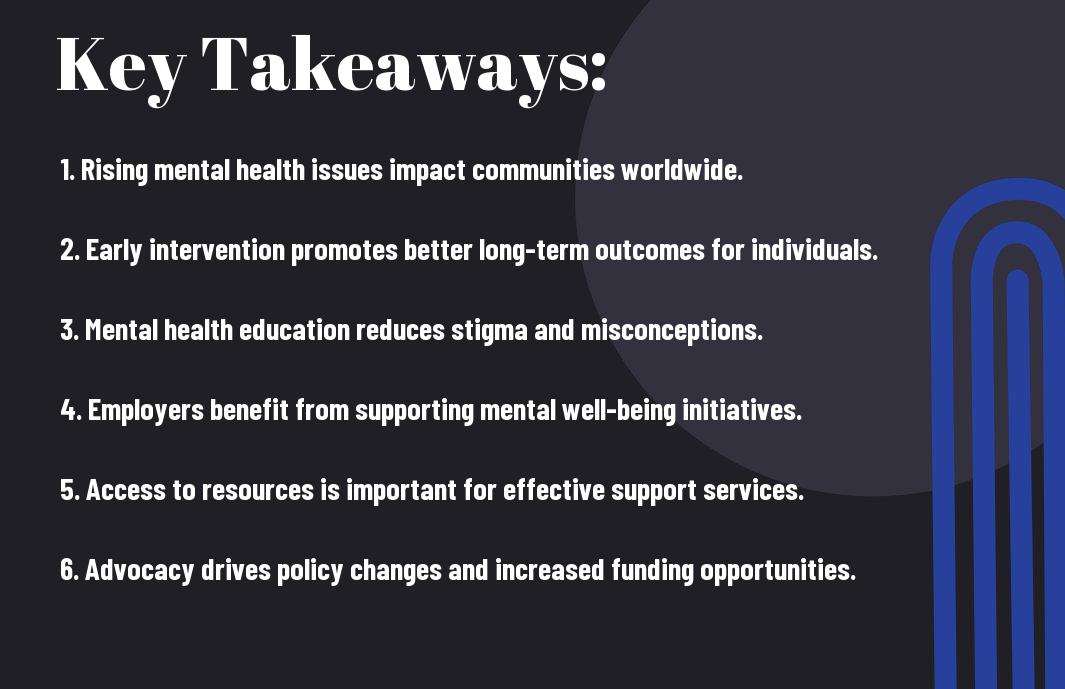
Mental Health Awareness – The Growing Need for Support

Mental health is an integral part of your overall well-being and deserves your attention. As societal pressures and challenges escalate, understanding the importance of mental health support has never been more critical. You may find yourself or someone you know grappling with mental health issues, making awareness and access to resources imperative. This blog post explores the growing need for support and highlights how you can take proactive steps in fostering mental well-being for yourself and your community.

Understanding Mental Health

Before you can address your mental health, it’s important to gain a deeper understanding of what it entails. Mental health encompasses your emotional, psychological, and social well-being, influencing how you think, feel, and act. It also plays a significant role in your ability to cope with stress, relate to others, and make choices. By prioritizing mental health awareness, you can support yourself and others in navigating life’s challenges more effectively.

Definition and Importance

Definition: Mental health refers to your emotional and psychological state, affecting how you think, feel, and behave. It is important because it impacts multiple areas of your life, including relationships, work performance, and overall well-being. A strong foundation in mental health enables you to cope with challenges, manage stress, and maintain a fulfilling life.

Common Mental Health Disorders

Health professionals recognize various common mental health disorders that can affect individuals, including anxiety disorders, depression, bipolar disorder, and schizophrenia. Each of these conditions has its own set of symptoms and challenges, making it imperative for you to be informed about them to seek appropriate help when needed.

In addition to the primary disorders mentioned, you may encounter symptoms such as excessive worry, mood swings, or withdrawal from social activities. By understanding these common mental health disorders, you can identify when you or someone you care about may need support. Early intervention and treatment can lead to improved outcomes and a better quality of life. Ultimately, prioritizing awareness of these conditions enables you to foster an environment where mental well-being is openly discussed and addressed.

The Current Landscape

Assuming you are aware of the rising concerns surrounding mental health, it’s important to acknowledge that more people than ever are seeking support. As awareness grows, the stigma associated with mental health issues is slowly diminishing, allowing individuals to feel more comfortable discussing their challenges. However, access to necessary resources and support systems remains uneven, highlighting the urgent need to address this ongoing crisis and ensure that everyone has access to appropriate mental health care.

Statistics on Mental Health Issues

Among the many alarming statistics, recent studies indicate that approximately 1 in 5 adults experience mental illness each year. This equates to millions struggling with conditions that impact their daily lives, yet only a fraction receives the treatment they need. Additionally, rates of anxiety and depression have significantly increased over the past decade, signaling a pressing need for enhanced mental health support and resources.

The Impact of the Pandemic

About 1 in 4 individuals have reported new or worsening mental health challenges due to the COVID-19 pandemic. The isolation, uncertainty, and stress brought on by this global crisis have greatly intensified feelings of anxiety and depression for many, making it clear that mental health support is more important than ever.

Health experts have noted that the pandemic has not only exacerbated existing mental health issues but has also led to the emergence of new concerns. The isolation experienced during lockdowns, the loss of loved ones, and the uncertainty about the future have taken a profound toll on your emotional well-being. Furthermore, as communities begin to recover, the long-term effects of this trauma may persist, emphasizing the necessity for accessible mental health resources and support systems tailored to your needs. It’s vital for you to seek help and stay informed during these challenging times.

Barriers to Support

Now that you are aware of the importance of mental health support, it’s important to look at the barriers that prevent individuals from seeking help. Many people struggle with societal norms and personal challenges that can complicate their journey towards mental well-being. Addressing these barriers is necessary to fostering a supportive environment where everyone feels encouraged to seek the help they need.

Stigma and Misconceptions

Support for mental health issues is often hindered by stigma and misconceptions. You may feel hesitant to reach out due to the fear of judgment or misunderstanding from others. These negative perceptions can create a barrier that prevents you from accessing the care you deserve, making it vital to challenge and shift these societal narratives.

Accessibility of Resources

By understanding the accessibility of resources, you can better navigate your options for mental health support. Geographic location, cost, and availability of services can all affect your ability to access help when needed.

This issue of accessibility is more complex than it seems. Many individuals live in areas with limited mental health services or cannot afford treatment, which can deter you from seeking the support you need. Additionally, online resources and teletherapy have emerged as valuable options, but not everyone has the technology or internet access to utilize them. It’s necessary to explore all available options and advocate for yourself, so you can secure the help that best fits your circumstances.

The Role of Community

Your community plays a vital role in promoting mental health awareness and providing support to those in need. Whether through informal social networks or organized efforts, these connections foster a sense of belonging and ensure that people feel supported in their mental health journeys. Engaging with local groups can enhance your understanding of mental health issues, reduce stigma, and encourage open conversations, making it easier for individuals to seek help without fear of judgment.

Building Support Networks

By recognizing the importance of building strong support networks, you can create a safety net that promotes mental well-being. Engaging with friends, family, and community organizations can help you cultivate relationships that provide emotional support and practical assistance during challenging times. Having these connections allows you to share your experiences and feelings, fostering a collective space of understanding and compassion.

Community Initiatives and Programs

Community-based initiatives and programs are designed to enhance mental health awareness and provide additional layers of support for individuals. These can include workshops, support groups, and awareness events that empower you to learn about mental health and connect with others facing similar challenges.

To strengthen community involvement, many towns and cities offer a variety of mental health-related initiatives. These programs often focus on education, outreach, and accessibility, ensuring that information about mental health resources reaches all community members. By participating in or supporting these initiatives, you can play a part in reducing stigma and promoting a culture of understanding that encourages individuals to seek help and support when needed.

The Importance of Education

For enhancing mental health awareness, education plays a significant role in equipping individuals with the knowledge they need to navigate challenges effectively. By fostering understanding around mental health issues, you can help destigmatize them, promoting a supportive environment where conversations can thrive. This can empower you and others to seek help when necessary, making education a vital pillar in mental health support systems.

Mental Health Literacy

Along your journey, increasing mental health literacy is vital. This means gaining knowledge about various mental health conditions, recognizing their symptoms, and understanding the effects on individuals and communities. By educating yourself, you can create a more informed society that prioritizes mental well-being and encourages open discussions about mental health, ultimately leading to greater acceptance and support.

Training for Professionals

Around the world, training for professionals in mental health is fundamental. This ensures that counselors, educators, and healthcare workers are well-equipped to identify and address mental health issues effectively. Continuous education enhances their skills, enabling them to provide appropriate support and resources to those in need.

For instance, incorporating mental health training into curricula for educators and healthcare providers can significantly improve responses to mental health crises. By participating in workshops and certifications, you can stay informed on the latest strategies for interacting with individuals experiencing distress. This not only benefits the professionals but also enhances your community’s overall mental health resources, making a lasting impact on the well-being of those around you.

Steps Toward Improvement

Unlike previous generations, the importance of addressing mental health is gaining the recognition it deserves. You can take significant steps toward improvement by integrating supportive practices in your daily life, such as mindfulness, physical activity, and seeking professional help. These approaches not only foster personal growth but also contribute to a more understanding and resilient community.

Encouraging Open Conversations

Above all, fostering an environment where open conversations about mental health are welcomed is important. You should feel empowered to initiate discussions with friends, family, or colleagues. Doing so can help reduce stigma and create a supportive network that encourages vulnerability and understanding.

Promoting Mental Health Days

After recognizing the importance of mental well-being, many organizations are adopting the practice of promoting mental health days. You can benefit from taking time off to recharge and reflect, which enhances your overall productivity and emotional resilience.

In fact, integrating mental health days into your routine can significantly impact your well-being. These days provide you with the opportunity to step back from daily stressors and engage in self-care activities that recharge your mind and body. Whether it’s indulging in a hobby, enjoying nature, or simply resting, prioritizing these moments is vital for your long-term mental health and overall happiness.

Conclusion

Drawing together the importance of mental health awareness and support, you play a vital role in fostering a culture where open conversations about mental well-being can flourish. Understanding the signs of mental health challenges not only benefits you but also empowers those around you to seek help when needed. By advocating for support systems and breaking the stigma, you contribute to a healthier and more connected community. Embrace the conversation and take action; your involvement can make a significant difference in the lives of others.