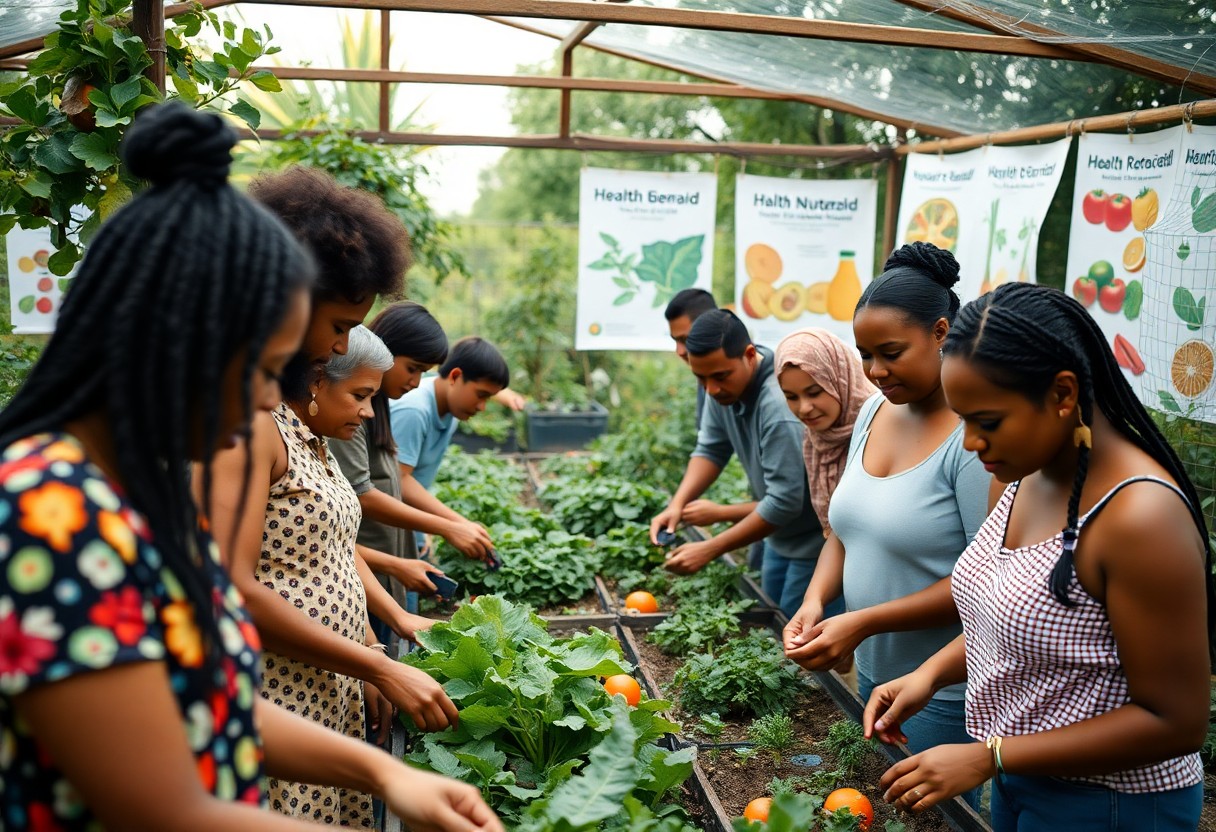
Innovative pedagogical approaches can be a game-changer in addressing economic disparities prevalent in urban areas. By actively engaging students and fostering inclusive learning environments, these methods can empower you and your community to break the cycle of poverty. Techniques such as project-based learning, technology integration, and collaborative teaching not only enhance educational outcomes but also equip you with the skills needed for economic advancement. Explore how implementing these educational strategies can create pathways for success and equity, ultimately transforming your urban environment.
The Context of Economic Disparities in Urban Areas
The economic disparities in urban areas are evident in the striking contrasts between affluent neighborhoods and those facing poverty. These differences affect access to quality education, healthcare, and employment opportunities. As cities grow, the gap between the haves and have-nots widens, making it imperative to explore solutions that can level the playing field and ensure equitable access to resources, particularly in education.
Understanding Economic Inequality
Context plays a significant role in helping you understand economic inequality. It encompasses the historical, social, and political factors that contribute to wealth distribution and the systemic barriers faced by marginalized communities. By grasping these complexities, you can better appreciate the challenges that disadvantaged urban populations encounter in achieving financial stability and educational success.
The Impact of Location on Educational Opportunities
Across urban landscapes, the location of your residence significantly influences educational prospects. Schools in high-income neighborhoods often receive more funding, access to advanced curricula, and better facilities compared to those in low-income areas. This disparity leads to unequal educational outcomes, limiting your opportunities for personal and professional growth.
Considering the impact of location on educational opportunities, you will find that proximity to well-resourced schools can provide a significant advantage. Local funding models frequently tie school budgets to property taxes, which disproportionately benefits wealthier neighborhoods. As a result, students in affluent areas often enjoy smaller class sizes, experienced teachers, and advanced placement programs. Conversely, students in low-income neighborhoods may face overcrowded classrooms and inadequate learning resources, further entrenching the cycle of disadvantage. Recognizing these spatial inequities is crucial in implementing pedagogical approaches that can truly make a difference.

Innovative Pedagogical Approaches
While traditional teaching methods often fall short in addressing the needs of economically disadvantaged students, innovative pedagogical approaches offer new possibilities for enhancing learning outcomes. In this context, Innovation and Urban Inequality Go Hand in Hand, suggesting that tailored educational strategies can directly combat urban economic disparities.
Overview of Innovative Strategies
Innovative educational strategies include project-based learning, flipped classrooms, and culturally responsive teaching, all of which aim to engage students more deeply. These methods not only address different learning styles but also include community involvement, which is necessary for fostering a supportive educational environment.
Case Studies in Urban Education
Above all, analyzing specific case studies can demonstrate the tangible impacts of these innovative approaches. Here are some notable examples:
- The Chicago Math and Science Academy reported a 30% increase in student performance after implementing project-based learning.
- In Baltimore, schools that adopted flipped classrooms saw a 25% rise in student engagement metrics.
- The Los Angeles Unified School District, using culturally responsive teaching, improved parent involvement by 40% in under-resourced communities.
Education in urban areas presents unique challenges, but case studies like those mentioned can provide valuable insights. The collective data points underscore the effectiveness of innovative pedagogical approaches in transforming educational landscapes. By focusing on strategies that cater to diverse needs, you can help pave the way for a more equitable educational experience for all students.

The Role of Community Engagement
You can help bridge the gap between education and economic disparities through community engagement. By fostering collaboration among schools, families, and local organizations, you create a supportive ecosystem that promotes student success. Engaging with community resources enhances educational experiences and empowers learners, ultimately leading to a more equitable educational landscape.
Partnerships with Local Organizations
The synergy created through partnerships with local organizations enhances educational initiatives. By collaborating with community groups, businesses, and non-profits, you can leverage resources and expertise to support student learning. These partnerships can provide mentorship, internships, and other opportunities, ensuring that students gain practical skills relevant to their communities.
Engaging Families and Communities
Before implementing innovative pedagogical approaches, it’s important to consider the role of families and communities in supporting educational success. Schools should prioritize open communication and collaborative initiatives that involve parents and local stakeholders, creating an inclusive environment that encourages participation.
Even small steps can lead to significant impact when engaging families and communities. Establishing regular communication channels, hosting family-oriented events, and providing resources in multiple languages can help strengthen this partnership. By actively involving families in the educational process, you empower them to advocate for their children’s needs while fostering a supportive network that enhances overall student achievement.
Technology as a Catalyst for Change
Unlike traditional educational methods, integrating innovative technology in urban classrooms promotes engagement and equity. By harnessing digital platforms, you can provide diverse learning experiences that reach all students effectively. Research indicates that can social innovation in schools mitigate educational inequalities, paving the way for a more inclusive learning environment in urban settings.
Leveraging Digital Tools for Learning
Before you can unlock the potential of digital learning tools, it’s important to understand their role in transforming educational experiences. You can utilize various platforms to tailor lessons that suit diverse learning styles, making content more accessible for all students. This targeted approach helps to engage learners who may otherwise feel disconnected from traditional curricula.
Addressing the Digital Divide
Addressing the digital divide requires a strategic focus on ensuring equal access to technology for all learners. Without equitable access, innovations in learning may widen existing gaps rather than close them. You must advocate for infrastructure improvements and resources that allow every student to participate fully in digital learning environments.
At the heart of confronting the digital divide is the commitment to providing every student with the necessary technological tools and internet access. This initiative not only involves enhancing school resources but also extends to working with community partners to improve connectivity at home. By actively participating in these efforts, you contribute to a more equitable education landscape where all students can thrive in our technology-driven world.

Measuring the Impact of Innovative Practices
To truly assess the effectiveness of innovative pedagogical approaches in mitigating economic disparities, you must establish clear metrics that reflect both educational outcomes and social mobility. This involves analyzing various data points such as student performance, retention rates, and community engagement. By leveraging a combination of quantitative and qualitative research methods, you can better understand the transformative effects these practices have on students in urban settings.
Success Metrics and Evaluation Methods
Any effective evaluation process should incorporate a range of success metrics, including standardized test scores, graduation rates, and student feedback. In addition, formative assessments and longitudinal studies can provide deeper insights into the lasting impact of innovative practices. By adopting a multifaceted evaluation approach, you can paint a more comprehensive picture of your program’s success.
Real-World Outcomes and Case Analysis
Before implementing innovative teaching strategies, it’s vital to analyze existing case studies that demonstrate tangible outcomes. Understanding how other urban institutions have successfully integrated these approaches can provide valuable insights. By examining both successes and challenges, you can tailor your efforts to meet the specific needs of your educational environment.
Indeed, exploring real-world outcomes from various case studies allows you to see the direct implications of innovative pedagogical strategies in action. These analyses showcase not only measurable improvements in academic performance but also enhancements in student engagement and community collaboration. By looking at success stories and potential pitfalls, you can better navigate the complexities of implementing these approaches in your own context, ensuring a greater likelihood of fostering equity in urban education.
Policy Implications and Recommendations
Keep in mind that innovative pedagogical approaches must be supported by robust policies that address systemic inequalities. You can explore Education inequalities at the school starting gate: Gaps, … to better understand how policy changes can help level the educational playing field in urban areas.
Supporting Educators in Urban Areas
By providing targeted training and resources for educators working in urban environments, you can enhance their capacity to deliver effective instruction. Investing in professional development can empower teachers to apply innovative methods that address the unique challenges faced by their students.
Funding and Resource Allocation
Any effective strategy to reduce economic disparities requires careful consideration of funding and resource allocation. Ensuring equitable distribution of resources across urban schools is vital for creating an inclusive educational environment.
Hence, you must advocate for policies that prioritize funding for underserved schools, enabling them to access the necessary tools and materials. By aligning financial resources with specific community needs, you can contribute to a more equitable education system and improve student outcomes in urban settings.
Final Words
With these considerations, you can see how innovative pedagogical approaches hold the potential to significantly reduce economic disparities in urban areas. By embracing creative teaching methods tailored to diverse learning needs, you can empower students from various backgrounds to achieve academic success. This empowerment not only enhances individual futures but also contributes to the overall economic vitality of your community. As you explore these approaches, you can play a vital role in fostering equitable educational opportunities, ultimately bridging the gap in economic disparity where it matters most.