Education stands as a powerful tool that can reshape lives and dismantle barriers to gender equality, particularly in impoverished settings. You may wonder how enhancing access to quality education can empower both girls and boys while addressing the cycle of poverty. By understanding the impact of education on social norms and economic opportunities, you can see how it plays a pivotal role in fostering gender equality and improving the overall well-being of communities. Explore how education not only uplifts individuals but also promotes a more equitable society for all.
Understanding Gender Equality
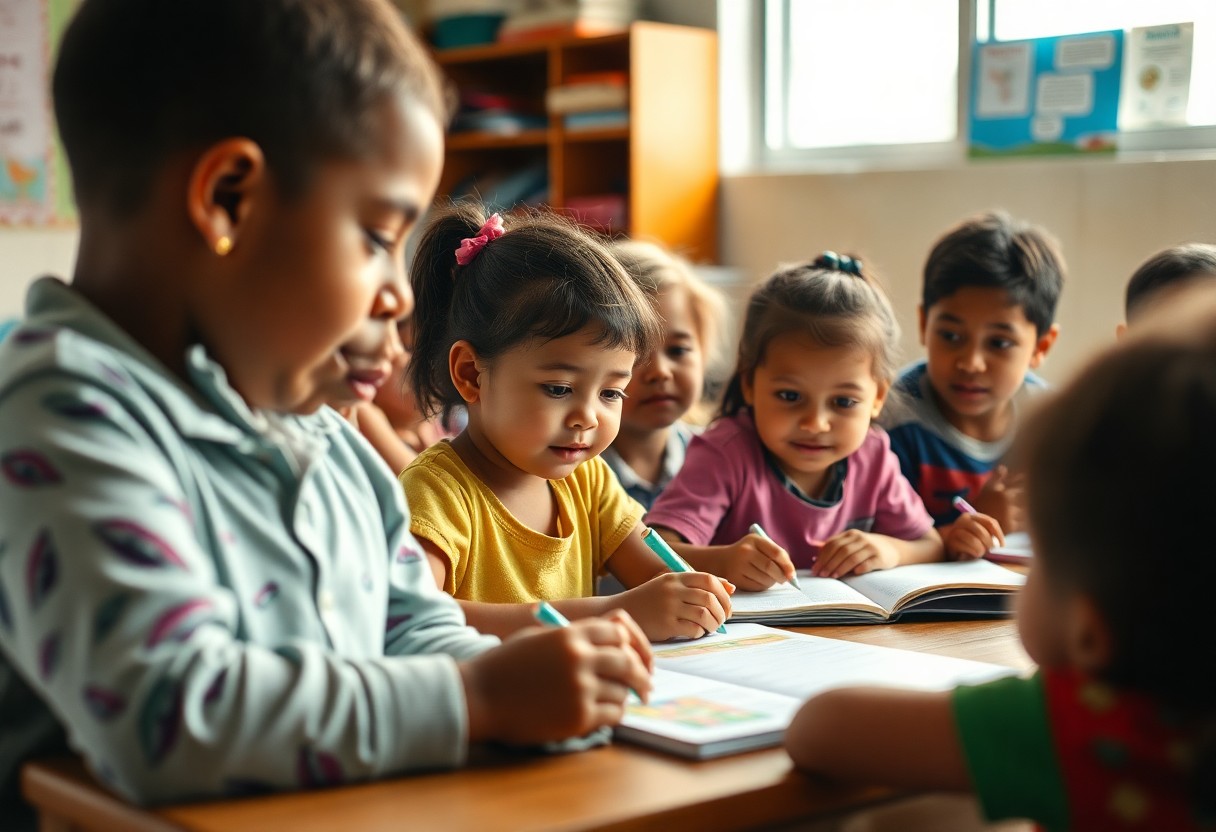
To address the pressing issues of gender inequality, you must grasp its fundamental concepts. Gender equality refers to the fair treatment and equal opportunities for individuals of all genders, ensuring their rights and access to resources. Education plays a significant role in promoting this equality and addressing disparities, as highlighted in Education, a catalyst for changing gender inequalities. By understanding gender equality, you become equipped to recognize and challenge the social norms that perpetuate inequality.
Definitions and Concepts
With a clear understanding of gender equality, various definitions and concepts emerge. It encompasses the belief in equality across genders, highlighting the importance of your role in advocating for balance in opportunities and rights. This foundation enables you to identify the structures that contribute to inequality and actively participate in fostering change within your community.
The Impact of Gender Inequality on Poverty
Beside perpetuating economic disparities, gender inequality directly influences poverty levels. When women and marginalized genders lack access to education and employment opportunities, you witness a cycle of poverty that is difficult to break. Discriminatory practices lead to lower wages and limited financial independence, ultimately reducing the quality of life and opportunities for future generations.
At the same time, the impact of gender inequality on poverty extends beyond individual suffering; it shapes entire communities and economies. When half of the population is denied equal access to education and employment, you see diminished economic growth and reduced innovation. Encouraging gender equality is not only a matter of social justice but also necessary for poverty alleviation. As you support initiatives that empower all genders, you contribute to building a more resilient economy and promoting sustainable development for everyone.
1. Education empowers women to challenge gender norms.
2. Increased literacy promotes economic opportunities for girls.
3. Educated women contribute to healthier families and communities.
4. Gender-sensitive curricula enhance awareness and advocacy.
5. Access to education reduces poverty levels overall.
6. Investment in girls’ education benefits societies long-term.
The Role of Education in Advancing Gender Equality
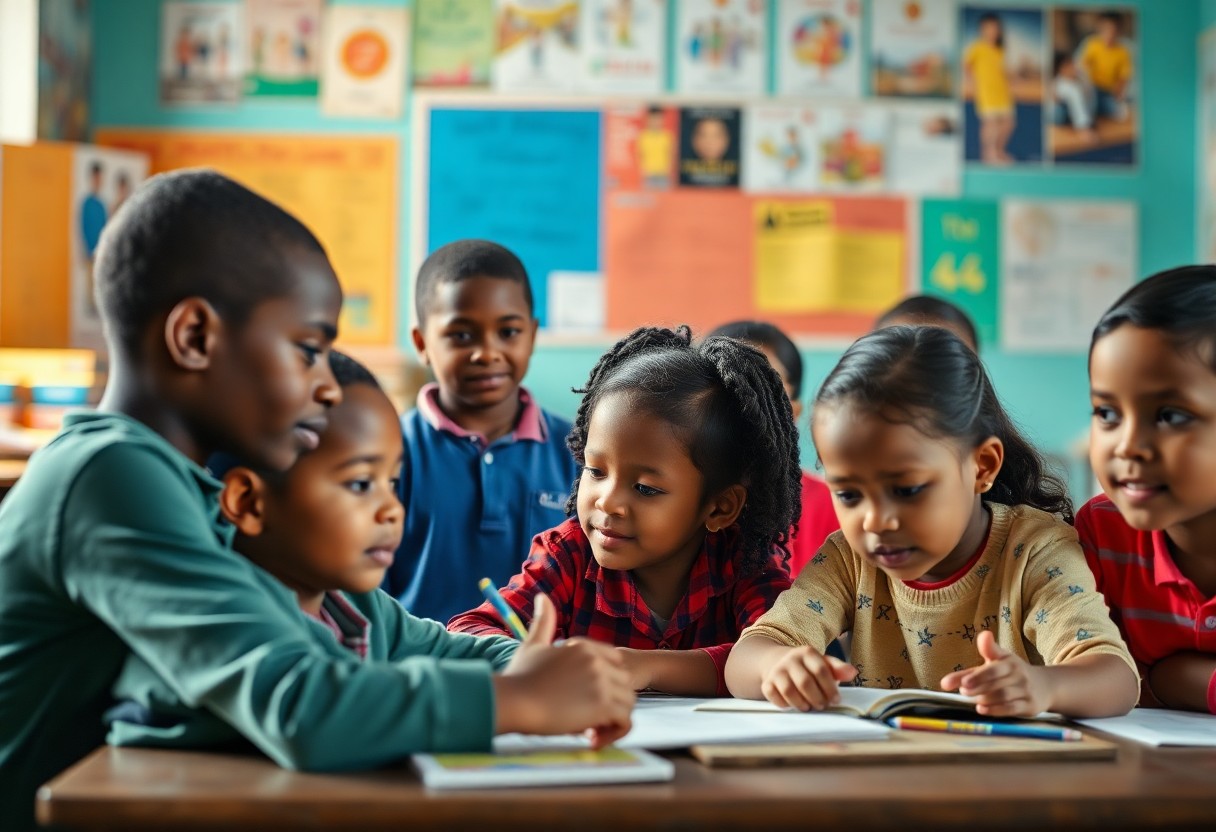
Even amidst challenges, education significantly contributes to advancing gender equality. Providing access to quality education empowers women and girls, fostering economic independence and social change. According to the Education Overview: Development news, research, data, gender disparities in education can be narrowed, benefiting entire communities.
Education as a Fundamental Right
Role of education as a fundamental right supports the notion that everyone deserves the opportunity to learn, regardless of gender. This principle underlines the importance of accessible educational resources and initiatives that promote equality in learning environments.
Case Studies of Successful Educational Interventions
Interventions designed to promote educational equality have yielded significant outcomes globally. Consider these impactful case studies:
- Program in Bangladesh: A 2018 initiative increased girls’ school enrollment by 30%, resulting in higher graduation rates.
- Kenya’s girl scholarship program: Doubled the number of girls completing secondary education over five years, boosting workforce participation.
- Pakistan’s non-formal education programs: Increased literacy among girls by 50% within two years through community-based learning.
In addition to these examples, several other successful educational interventions illustrate the transformative power of education in promoting gender equality:
- Malawi’s girls’ clubs: Led to a 40% increase in attendance and a positive shift in community attitudes towards girls’ education.
- Rwanda’s gender-responsive curriculum: Enhanced girl participation in STEM subjects, resulting in a 60% rise in female student enrollment in technical fields.
- India’s Beti Padhao Beti Bachao scheme: Improved access to education for girls, contributing to a 20% reduction in dropout rates in rural areas.
Challenges Faced in Education for Gender Equality
Despite the potential of education to promote gender equality, many challenges persist that hinder progress. Systemic inequalities rooted in cultural, social, and economic structures continue to marginalize women and girls, maintaining cycles of poverty and limiting access to education. You might encounter barriers ranging from inadequate infrastructure to societal norms that reinforce gender discrimination, all of which demand critical attention and action for change.
Cultural and Societal Barriers
Between deeply ingrained cultural norms and societal expectations, female education often faces significant hurdles. Many communities prioritize boys’ education over girls’, believing that a girl’s education is a lesser investment. These beliefs reinforce stereotypes that limit opportunities for women and girls. To challenge these norms effectively, you need to advocate for awareness and education around the importance of gender equality within your community.
Economic Constraints and Resource Allocation
By focusing on economic disparities, you will see how limited financial resources significantly impact educational access. Underfunded schools, poor infrastructure, and a lack of learning materials make it difficult for girls to secure an education. When families face economic pressures, they may prioritize boys’ education, viewing it as a more valuable investment. Addressing these economic constraints is crucial for creating equitable educational opportunities for all genders.
Faced with the realities of inadequate funding and resource allocation, you can advocate for policy changes that prioritize education for both genders. This involves ensuring that schools receive the necessary financial support and materials to provide quality education, promoting scholarships for girls, and fostering community initiatives aimed at highlighting the importance of female education. Each step plays a vital role in dismantling the financial barriers that currently exist.
Strategies for Leveraging Education to Combat Gender Inequality
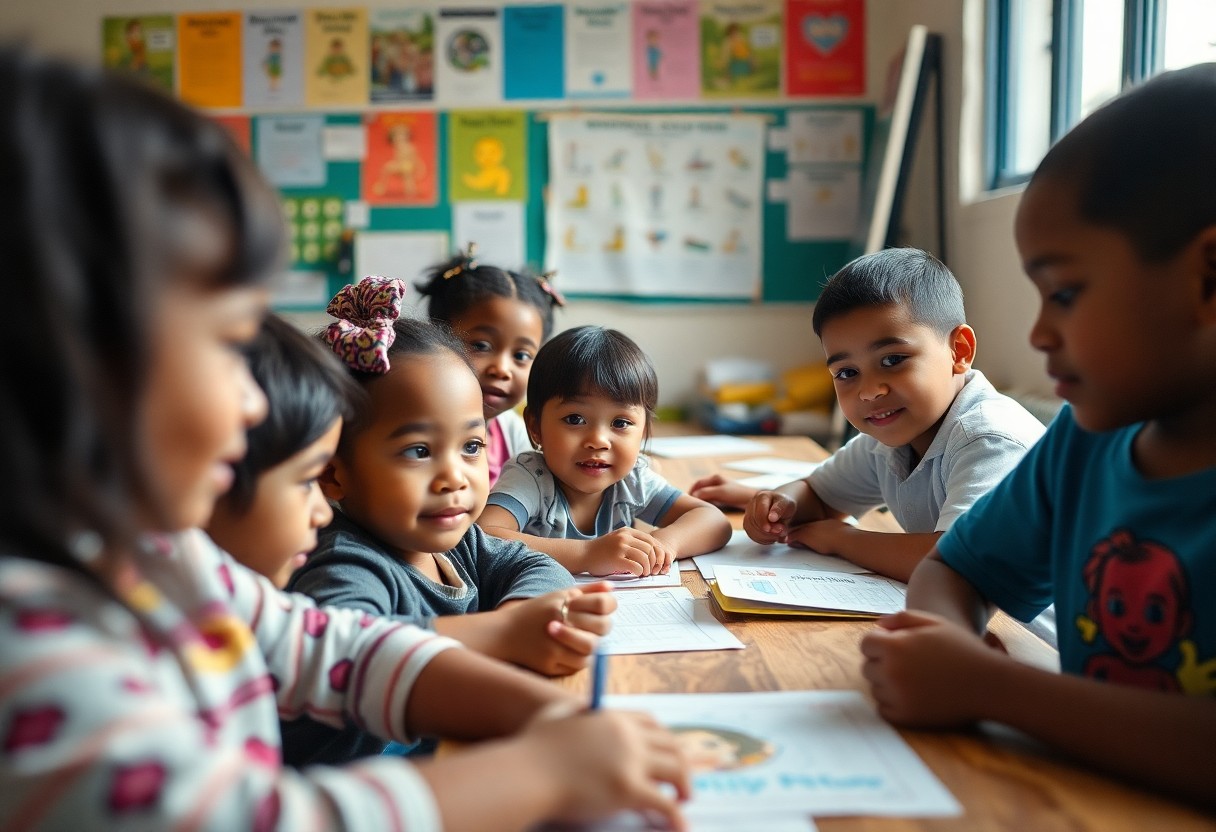
Keep in mind that education can be a powerful tool to challenge and dismantle gender inequality. By integrating gender-sensitive curricula, promoting female role models in educational settings, and facilitating access to technology, you can help ensure that education serves as an equalizer in society. Supporting programs that encourage girls’ involvement in STEM fields and vocational training can also expand their opportunities, paving the way for a more equitable future.
Policy Recommendations
Leveraging effective policies is imperative for addressing gender inequality in education. You should advocate for initiatives that promote equal access to educational resources and provide financial aid to vulnerable families. Ensuring teacher training programs emphasize gender sensitivity will further foster an inclusive environment. Finally, implementing laws that eliminate barriers to education for girls will empower them to pursue academic excellence and life opportunities.
Community Engagement and Empowerment Initiatives
Empowerment through community initiatives can reinforce the value of education for girls and women. You can engage community leaders to promote the importance of girls’ education, foster mentorship programs, and create safe learning environments. Providing workshops and training sessions that involve parents and guardians can also help shift attitudes towards gender roles, promoting a supportive ecosystem where girls can thrive in their educational pursuits.
The success of community engagement initiatives lies in their ability to create a culture that respects and values the education of girls. By involving local stakeholders, including parents, educators, and community leaders, you can form coalitions that advocate for gender equality. Hosting workshops that educate families about the long-term benefits of investing in girls’ education can lead to positive shifts in mindset. When surrounding communities understand and prioritize educational opportunities for young women, you will witness transformative impacts on gender equality and poverty alleviation.
The Future of Education and Gender Equality
All around the world, education is reshaping itself to embrace gender equality as a primary objective. As you explore the future of education, you’ll find that initiatives aiming to close the gender gap are becoming more widespread. From policy changes to innovative programs, educational institutions are striving to create inclusive environments where both girls and boys can thrive. This shift not only promises a better educational landscape but also holds the potential to transform societal norms, fostering a generation that values equality and mutual respect.
Emerging Trends and Innovations
Trends in education are increasingly geared towards promoting gender equality and empowering marginalized groups. You can observe a growing focus on digital learning platforms, which enhance accessibility for girls in underserved communities. Additionally, social-emotional learning programs are being implemented to address biases and stereotypes, aiding in the development of respectful and equitable relationships among students. Innovative teaching methods, such as project-based learning, are also gaining traction to foster collaboration, creativity, and critical thinking regardless of gender.
Global Cooperation and Partnerships
Among the most effective strategies for advancing gender equality in education is fostering global cooperation and partnerships. You will find that collaboration among governments, NGOs, and private sectors creates a multi-faceted approach that leverages resources and expertise. These alliances help in designing and implementing targeted programs that specifically address the barriers girls face in education, such as cultural norms and financial constraints. By participating in global initiatives, you can contribute to creating networks that advocate for equal opportunities and empower girls through education.
It is crucial to recognize how global cooperation solidifies the ability to tackle challenges that are often insurmountable for single entities. By pooling resources and sharing best practices, partnerships can effectively drive policies that promote gender-sensitive education frameworks. Engaging with communities worldwide not only amplifies the demand for gender equality but also enables the sharing of success stories and solutions that can inspire change across various contexts. Through ongoing collaboration, you can play a role in building an educational landscape that champions equality and inclusivity for all genders.
Summing up
Ultimately, education serves as a powerful tool for promoting gender equality, especially in impoverished settings. By prioritizing equal access to education for both girls and boys, you can empower communities to challenge societal norms and break the cycle of poverty. As you invest in education, you contribute to a brighter future where everyone has the opportunity to succeed, fostering a more equitable society for all. Thus, your commitment to education can create lasting change, transforming lives and enhancing opportunities across generations.