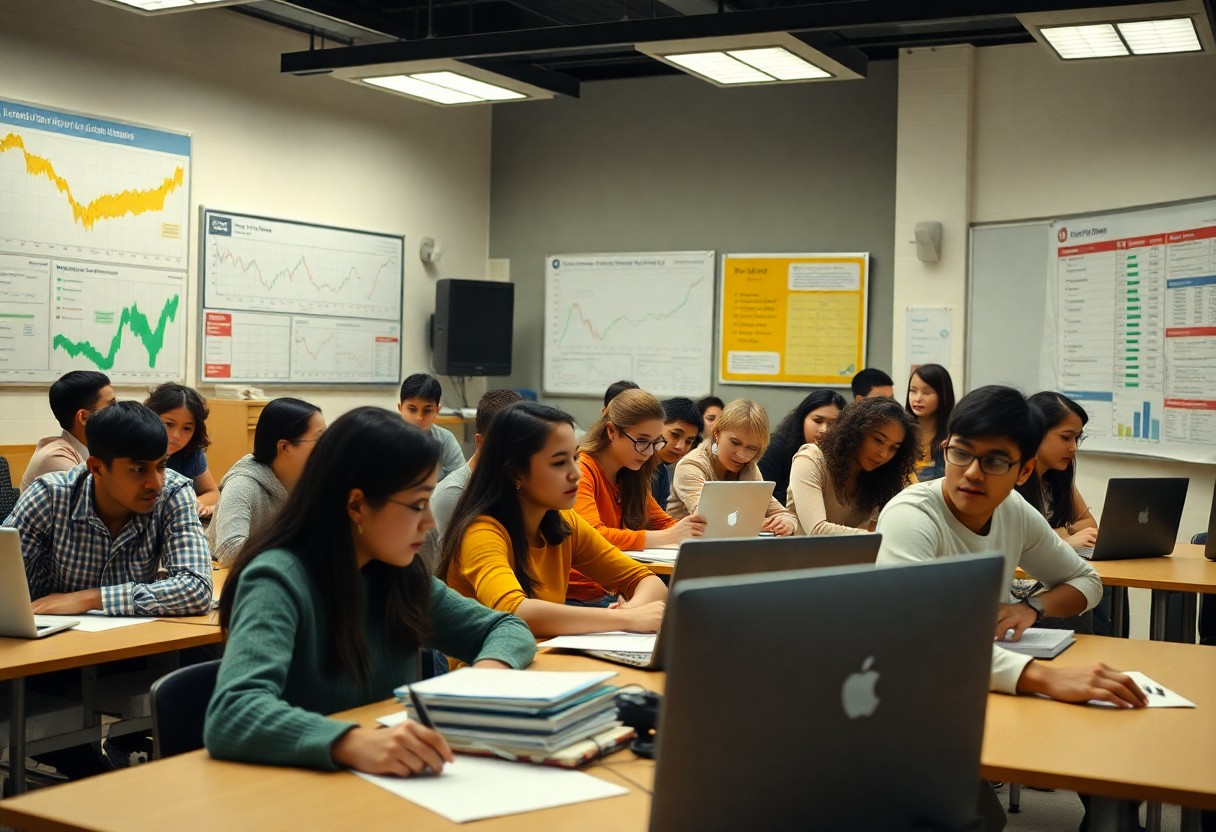
Are Emerging Technologies Revolutionizing Learning Outcomes In American Classrooms?

You may have noticed a significant shift in how education is delivered in American classrooms, largely due to the emergence of innovative technologies. These advancements are reshaping traditional learning environments, allowing for more personalized and interactive experiences. As you explore this topic, consider how these tools are enhancing student engagement, fostering collaboration, and improving overall learning outcomes. Join us as we explore into the impact of these technologies on education and their potential to redefine your child’s learning journey.

Understanding Emerging Technologies

The rapid advancement of technology has transformed various sectors, and education is no exception. Emerging technologies are versatile tools that play a significant role in enhancing learning experiences and outcomes in American classrooms. By integrating these innovative solutions, educators and students can access new avenues for personalized learning, engage with interactive content, and foster collaboration like never before.

Definition and Types of Emerging Technologies

About emerging technologies, they can be defined as new and innovative tools that are in the early stages of adoption but have the potential to reshape education significantly. The following list outlines some common types:

  • Artificial Intelligence (AI)
  • Virtual Reality (VR)
  • Augmented Reality (AR)
  • Gamification
  • Blockchain Technology

The integration of these technologies can enhance classroom dynamics and improve engagement levels.

Current Trends in Educational Technology

At present, educational technology is rapidly evolving, with trends continually shaping how you teach and learn. Some key trends include the rise of personalized learning, increased use of mobile devices, the integration of gamification, and the implementation of AI-driven tools in the classroom.

Types of technologies that are trending include Learning Management Systems (LMS), which allow you to manage educational courses remotely, and online collaboration tools that foster teamwork among students. Moreover, adaptive learning technologies can customize educational experiences based on your individual learning pace. With these technologies, your educational journey can become more engaging, efficient, and tailored to your specific needs.

Impact on Student Engagement

It is evident that emerging technologies are significantly enhancing student engagement in American classrooms. By incorporating interactive tools and platforms, educators can captivate students’ attention and foster a desire to learn. For instance, The future of learning: AI is revolutionizing education 4.0 explores how artificial intelligence and digital resources create immersive learning environments that captivate students and encourage active participation.

Enhancing Interaction and Participation

Between interactive simulations, gamified learning experiences, and collaborative platforms, you can see a substantial increase in student interaction and participation. These tools allow you to engage with course material in innovative ways, promoting deeper understanding and enthusiasm for learning.

Case Studies on Improved Learning Motivation

Learning about real-world examples can provide insights into how technology positively influences student motivation. Numerous studies highlight successful cases where innovative practices have led to remarkable improvements in student engagement and performance:

  • 1. A school district in California reported a 30% increase in student participation after implementing gamified learning platforms.
  • 2. An Illinois high school documented a 25% rise in attendance through the introduction of virtual reality in their science curriculum.
  • 3. A Texas elementary school noted a 40% improvement in reading scores after utilizing interactive eBooks for engaging students.

Hence, these case studies underscore how integrating technology into your learning environment can elevate student motivation and participation. The quantitative improvements demonstrate the potential of emerging technologies to transform educational experiences, making learning more engaging and effective for you as a student.

Personalized Learning Experiences

Some educational strategies are now focusing on personalized learning experiences, which cater to the individual needs, strengths, and preferences of each student. This approach encourages more engagement and motivation in your classroom, as students take greater ownership of their learning journeys. With the help of emerging technologies, educators can provide tailored pathways that adapt to the unique learning styles of each student, ultimately enhancing learning outcomes and ensuring a more effective educational environment.

Adaptive Learning Systems

Personalized learning is significantly enhanced by adaptive learning systems, which leverage algorithms and data to modify the educational content and experiences based on your progress and understanding. These systems assess your performance in real-time, offering you individualized resources and learning activities that match your proficiency level. By focusing on where you excel and where you may need extra support, adaptive learning systems foster a more efficient and effective learning experience, encouraging mastery of concepts at your own pace.

Data-Driven Personalized Instruction

Above those systems, data-driven personalized instruction utilizes a wealth of information collected from assessments and assignments to shape your educational experience. This approach ensures that instruction is not only tailored to your personal needs but also dynamically responsive to your changing performance over time.

Even more importantly, data-driven personalized instruction allows educators to identify trends and patterns in your learning, enabling you to receive timely feedback and interventions. By harnessing this data, educators can design flexible lessons that cater to diverse learning styles and needs. This ultimately leads to improved academic achievement and a deeper understanding of the material, as your specific strengths and weaknesses are addressed in a targeted manner.

Challenges and Considerations

All educators must confront various challenges when integrating emerging technologies into classrooms. These include infrastructural limitations, resistance to change, and the need for ongoing support. Addressing these issues is vital to maximizing benefits for student learning. For further details, explore The Impact of Smart Classroom Technologies on Student Learning Outcomes.

Equity and Access Issues

One of the significant challenges in adopting new technologies is ensuring equitable access for all students. Disparities in resources can hinder the ability for some learners to benefit fully from innovative tools, leading to an increased educational gap. Addressing these access issues is imperative for fostering an inclusive learning environment.

Teacher Training and Professional Development

By implementing emerging technologies, you must also prioritize sufficient teacher training and professional development programs. These initiatives empower you with the skills and knowledge needed to effectively incorporate innovative tools into your teaching practices.

For instance, effective professional development should not only focus on technical skills but also on pedagogical strategies that complement technological integration. Engaging in workshops, collaborative learning sessions, and continual feedback mechanisms can significantly enhance your confidence and competence in using these tools. Ensuring that you feel supported and knowledgeable can foster a more productive and enriching learning environment for your students.

Evaluating Learning Outcomes

Unlike traditional assessment methods, the integration of emerging technologies in classrooms enables you to evaluate learning outcomes more effectively. These tools offer real-time feedback and analytics, allowing you to identify students’ strengths and weaknesses swiftly. By leveraging adaptive learning platforms and data-driven assessments, you can personalize instruction based on individual student needs, fostering improved academic performance and engagement. This shift marks a significant transformation in how educational success is quantified and addressed.

Metrics for Success

Along with qualitative measures, quantifying learning outcomes through precise metrics is vital for assessing educational effectiveness. You should consider factors such as engagement levels, knowledge retention, and skill acquisition when evaluating success. Metrics like standardized test scores, formative assessments, and digital footprints from online learning platforms provide valuable insights. By analyzing these data points, you can determine the impact of technology on student achievement and refine your teaching strategies accordingly.

Research Findings on Educational Effectiveness

Below, various studies highlight the effectiveness of emerging technologies in enhancing educational outcomes. You will discover that these findings reveal significant improvements in student engagement, achievement, and overall learning experiences when technology is incorporated into your classroom. As you explore these resources, you will recognize how the right tools can transform pedagogical approaches.

Findings from multiple research studies consistently indicate that the integration of technology in classrooms leads to enhanced educational effectiveness. For instance, educators incorporating interactive learning tools and simulations report higher levels of student engagement and motivation. Moreover, assessments show that students using adaptive learning technologies often outperform their peers in traditional settings. These insights emphasize the transformative potential of technology, enabling you to create adaptable learning environments that cater to diverse educational needs and ultimately drive better learning outcomes.

Future Directions in Educational Technology

Many educators and technologists are exploring how emerging technologies can further transform American classrooms. Innovations like artificial intelligence, virtual reality, and adaptive learning systems are anticipated to enhance student engagement and tailor educational experiences. You can read more about this shift in “Revolutionizing Education: The Impact of Emerging …”, which discusses their potential impact on learning outcomes.

Anticipated Innovations

Any advancements in technology that promote personalized learning and creativity are expected to reshape your learning environment. Tools powered by artificial intelligence can assess student performance in real-time, helping to create a customized curriculum that aligns with each learner’s strengths and weaknesses.

Long-Term Impact on Education Systems

One of the most significant changes you might witness is the transformation of traditional education systems to more flexible, student-centered models. As technology continues to advance, educational policies may need to adapt to embrace these innovations fully.

Systems that integrate technology effectively can lead to more equitable access to quality education, bridging gaps for diverse learner populations. You can expect school curricula to evolve, incorporating digital literacy as a fundamental skill alongside critical thinking and collaboration. This long-term impact not only improves individual learning outcomes but could also redefine the entire educational landscape, ensuring that you are equipped with the necessary skills for a rapidly changing world.

Conclusion

Now that you understand how emerging technologies are reshaping learning outcomes in American classrooms, it’s clear that these tools can enhance your educational experience. By integrating innovations like artificial intelligence, virtual reality, and interactive learning platforms, you can engage more deeply with the material and personalize your education. As technology continues to evolve, staying informed and adaptable will empower you to leverage these advancements for your academic success.

The Future Of Learning – How Economic Factors Shape Educational Policies Nationwide

Economics plays a fundamental role in determining the direction of educational policies across the country. As you navigate the complexities of the education system, understanding how economic factors influence funding, resource allocation, and curriculum development can empower you to engage with and advocate for change. From budget constraints to the effects of socioeconomic disparities, the landscape of education is constantly shifting. In this blog post, you will explore the intricate relationship between economic conditions and educational policy decisions that shape the future of learning for students nationwide.

The Impact of Economic Factors on Education

To understand how economic factors influence education, consider several dimensions of this connection:

  • The availability of public funding
  • State and local tax revenues
  • Income inequality
  • Investment in infrastructure and technology
  • Employment opportunities for graduates

Thou can see that economic conditions have a direct correlation with educational opportunities and outcomes nationwide.

The Role of Funding in Educational Quality

Across the United States, funding levels play a significant role in determining the quality of education students receive. Insufficient resources can limit access to advanced curricula, technology, and experienced educators, directly affecting student performance and engagement.

Economic Disparities and Access to Resources

Across various communities, economic disparities create significant differences in educational resources, with affluent areas often receiving more support than underprivileged ones. This lack of investment can adversely affect the learning environment and student success.

Understanding the relationship between economic disparities and access to resources is critical for assessing educational equity. As you explore into this topic, you will identify that low-income districts frequently struggle with outdated textbooks, insufficient technology, and inadequate facilities, directly hindering student achievement. Furthermore, these disparities perpetuate cycles of poverty, as students in under-resourced schools may lack crucial skills, impacting their future opportunities. By recognizing these challenges, you can contribute to conversations aimed at addressing the systemic inequalities within the educational system.

Policy Responses to Economic Challenges

The dynamic landscape of education necessitates policy responses that effectively address economic challenges. Governments and educational institutions are tasked with crafting strategies that can enhance the educational experience while taking into account budget constraints. You can explore how these policies shape the future of education in the insightful article on Educational Policy and Economic Outcomes: Shaping ….

Reforming Funding Models

An important aspect of educational policy is the reforming of funding models to ensure equitable resource distribution. This shift may involve reallocating government funds and encouraging private investments in education, so you may find that schools in economically disadvantaged areas receive the support they need for improvement.

Adapting Curriculum to Economic Needs

Any effective educational policy must focus on adapting the curriculum to reflect the economic landscape. You should be aware that aligning educational content with labor market demands not only enhances student employability but also contributes to the overall economic development of your community.

Policy makers are increasingly recognizing the importance of equipping students with relevant skills that align with current job markets. By actively engaging with industry partners, you will find that educational institutions can design programs that prepare learners for high-demand fields, thus fostering a seamless transition from education to the workforce. This proactive approach ensures that your education system remains responsive to economic changes and promotes sustainable growth.

The Relationship Between Employment Rates and Educational Policies

Any discussion on educational policies cannot overlook the impact of employment rates. As job markets evolve, your education system often adapts to meet the needs of the workforce. When employment rates are high, educational institutions may focus more on advanced skills, while low employment might drive policies toward vocational training and retraining programs. Understanding this relationship is key to navigating your educational landscape and preparing for future job prospects.

Shifts in Workforce Demand

An analysis of workforce demand reveals how rapidly changing industries can influence educational approaches. As technology and globalization transform job landscapes, you may notice an increased emphasis on STEM fields or trade skills. Educational policies must adapt to these shifts so that you can be equipped with relevant skills that match emerging roles, ensuring that your learning remains aligned with what employers are seeking.

Aligning Educational Outcomes with Job Market Needs

Above all, aligning educational outcomes with job market needs ensures that you gain the skills necessary to thrive in your chosen career. Policymakers are increasingly recognizing the importance of integrating hands-on experience and practical training into curricula, enabling you to bridge the gap between theory and application. By prioritizing this alignment, educational institutions can help you enter the job market prepared and confident.

This connection between educational outcomes and job market needs is becoming more pronounced as employers seek candidates with specific skill sets. In response, schools and universities are collaborating with industries to develop programs that cultivate those in-demand skills. As you explore educational options, you should look for institutions that prioritize partnerships with local businesses and provide internship opportunities. By choosing such paths, you can position yourself advantageously in a competitive job market.

Case Studies of Economic Influence on Educational Systems

Unlike many believe, economic factors heavily dictate educational policies across the nation. Notable case studies illustrate this influence:

  • California’s Local Control Funding Formula (LCFF) increased funding for low-income schools by 20% in 2013.
  • New Jersey’s recent budget allocated an additional $250 million toward underfunded districts, with a focus on equity.
  • Texas saw a 15% increase in per-student funding after economic growth in 2021, benefiting rural districts.

You can explore more on these findings in the Reform for the Future.

Success Stories from Innovative Districts

On reviewing successful districts, you might find that creative funding and community partnerships lead to remarkable outcomes. For instance, the Henderson School District in Nevada launched a tech initiative, funded partly through local businesses, resulting in a 30% increase in student engagement.

Challenges Faced by Underfunded Schools

Studies show that underfunded schools face significant obstacles that hinder student success. Inadequate resources often lead to overcrowded classrooms and reduced access to advanced coursework, ultimately affecting educational outcomes.

Considering the data, underfunded schools struggle to provide necessary services such as counseling and extracurricular activities. In districts with limited budgets, student-to-teacher ratios can exceed 30:1, which directly impacts your child’s learning experience. Many educators report feeling overwhelmed, leading to burnout and high turnover rates. Without necessary funding, efforts to enhance educational quality and meet diverse student needs are severely compromised.

The Future of Educational Funding

Once again, the landscape of educational funding is evolving rapidly, impacting how institutions adapt to changing economic realities. As you explore future trends, it’s important to understand that educational funding is not just about allocation, but also about equity and access. This shift could redefine the opportunities available for students and educators alike, ensuring that quality education becomes more attainable in various socioeconomic contexts.

Trends in Public vs. Private Funding

Below, you will find a notable shift in funding sources as public institutions increasingly seek private partnerships to supplement their budgets. This trend raises questions about resource allocation and the potential influence of private interests on educational priorities. As you evaluate these changes, consider how they affect accessibility and the perceived value of a public education compared to its private counterparts.

Innovations in Financing Education

For a more sustainable and inclusive approach to funding, innovative strategies are emerging within the education sector. These innovations can help you navigate the financial obstacles often encountered in pursuing quality education. A diverse array of funding sources, from crowdfunding initiatives to income-share agreements, are reshaping how institutions and students view the educational finance landscape.

Education financing is undergoing a transformation, with the emergence of innovative funding models designed to alleviate financial barriers for students. You may come across options such as income-share agreements, where repayment is based on future earnings, or crowdfunding platforms that allow communities and individuals to support specific educational projects. These advancements not only diversify funding sources but also create pathways for students from varied backgrounds to access quality education. As you engage with these developments, you’ll gain insight into how these innovations can facilitate a more equitable educational environment for all learners.

Recommendations for Policy Makers

Your approach to crafting educational policies should prioritize adaptive frameworks that respond to changing economic landscapes. By staying informed on trends, you can better navigate the intersection of education and the economy. For further insights, explore Education and the Economy: How Might Education Shape ….

Strategies for Sustainable Growth in Education

Growth in the educational sector necessitates embracing innovative funding models that align with economic demands. Policy makers should prioritize investment in digital infrastructure and skills training to create a robust, future-ready workforce.

Collaborating with Communities and Industries

Against the backdrop of a rapidly evolving economic climate, fostering partnerships between educational institutions and local industries can create mutually beneficial outcomes. Such collaborations enhance relevance and access to resources in the learning environment, ensuring students are equipped for the workforce.

Even small-scale initiatives, such as internships or apprenticeship programs, can lead to significant improvements in student engagement and employability. By connecting education to real-world applications, you can enhance curriculum relevance, setting students on pathways that align with industry needs. These partnerships not only boost student outcomes but also strengthen the educational ecosystem, leading to a more skilled workforce for the local economy.

Final Words

With this in mind, you must recognize that economic factors significantly influence educational policies across the nation. As you explore the future of learning, it’s vital to understand how economic conditions shape the availability of resources, access to technology, and funding for educational initiatives. Your awareness of these dynamics will empower you to advocate for improved educational outcomes and support policies that prioritize equitable access for all students, ensuring they thrive in an ever-evolving landscape.

Lifelong Learning – The Role Of Education In A Thriving U.S. Economy

It’s vital to recognize that education and lifelong learning play a significant role in driving a robust U.S. economy. As you navigate your career and personal growth, the skills and knowledge you gain will not only enhance your employability but also contribute to the greater economic landscape. Embracing continuous learning allows you to adapt to changing market demands, fostering innovation and productivity. In this blog post, you’ll explore the intricate relationship between lifelong learning and economic vitality, and discover how investing in your education can yield significant benefits for both you and society.

The Concept of Lifelong Learning

For you to thrive in today’s fast-paced world, embracing lifelong learning has become crucial. This mindset encourages continuous personal and professional development, enabling you to adapt to changing job markets and evolving technology. Lifelong learning ensures that you remain competitive and relevant in your field, fostering both personal growth and economic vitality.

Definition and Importance

Along with formal education, lifelong learning encompasses informal and self-directed pursuits that enhance your skills and knowledge throughout your life. The importance of this ongoing process lies in its ability to empower you to navigate challenges, adapt to new circumstances, and maintain your competitive edge in an ever-changing economy.

The Evolution of Lifelong Learning in the U.S.

With the rise of technology and shifting workplace demands, the concept of lifelong learning has significantly evolved in the U.S. Over the decades, you have seen a transition from traditional educational models to more flexible and accessible learning opportunities. This transformation reflects a growing recognition that formal education alone cannot equip you for a lifetime of career transitions and advancements.

Even as industries change and new skills emerge, lifelong learning has adapted to meet your needs. Initiatives such as online courses, workshops, and professional development programs have become increasingly popular, allowing you the freedom to learn at your own pace. The shift towards lifelong learning also reflects a broader cultural acknowledgment that education is an ongoing process, driven not only by career advancement but by personal curiosity and the desire for holistic growth.

Educational Institutions as Lifelong Learning Hubs

Assuming that education is a dynamic process, educational institutions serve as vibrant hubs for lifelong learning. These settings not only facilitate traditional academic pursuits but also offer diverse programs tailored to meet the ever-evolving demands of the workforce. You can take advantage of the various resources and opportunities provided by these institutions to continually upgrade your skills and knowledge throughout your life.

Role of Traditional Universities

Among the key players in lifelong learning, traditional universities play an integral role by offering a broad spectrum of undergraduate and graduate programs. These institutions also increasingly provide online courses and continuing education opportunities, allowing you to engage with new subjects and advance your knowledge regardless of your schedule. This flexibility enables you to pursue personal and professional development alongside your other commitments.

Community Colleges and Adult Education Programs

Among the important components of lifelong learning, community colleges and adult education programs provide accessible pathways for individuals seeking to upgrade skills or start anew. These institutions emphasize practical training and flexible schedules, allowing you to fit education into your lifestyle. You can turn to them for short-term certifications, vocational training, or even degree programs tailored to adult learners.

To enhance your skillset and expand your career opportunities, many community colleges offer specialized adult education programs designed to meet local economic needs. These courses often cover in-demand fields such as healthcare, technology, and trades. By participating in these programs, you can acquire practical skills that make you competitive in today’s job market, all while enjoying a supportive learning environment tailored to adult learners like yourself.

The Impact of Technology on Lifelong Learning

If you want to understand the profound effect of technology on lifelong learning, consider how access to information has transformed education. Technology has enabled new pathways for learning, making it crucial for economic growth. Explore more about this connection in How Important is Education for Economic Growth? – XQ Institute.

Online Learning Platforms

Among the most accessible tools for lifelong learning are online learning platforms, which offer a wide range of courses tailored to various skill levels and interests. Their flexibility allows you to learn at your own pace, anytime and anywhere, breaking down traditional barriers to education.

The Role of Emerging Technologies

About the role of emerging technologies, innovations such as artificial intelligence and virtual reality are playing an increasingly vital role in shaping educational experiences. These technologies enhance engagement, provide personalized learning paths, and simulate real-world scenarios, thereby facilitating a deeper understanding of complex subjects.

Understanding how emerging technologies influence education equips you to navigate the evolving landscape of lifelong learning. By leveraging tools like AI and VR, you can engage in more interactive, customized educational experiences. These advancements not only make learning more enjoyable but also help you acquire the skills necessary to thrive in a rapidly changing economy.

Lifelong Learning and Workforce Development

All individuals must embrace lifelong learning to remain competitive in today’s rapidly evolving job market. As you advance your career, education transforms into a continuous journey rather than a finite endeavor. Engaging in ongoing education is not merely a personal choice but also imperative for fostering a robust economy. Explore the educational and economic necessity of lifelong learning to understand its broader implications for workforce development.

Skills Gap and Economic Competitiveness

Along with the changing landscape of jobs, a significant skills gap threatens economic competitiveness. As technology advances, many find their skills inadequate for modern roles, leading to unfilled positions and inefficiencies in the labor market. Staying informed and upskilling can bridge this gap.

Corporate Training and Employee Growth

Competitiveness is deeply intertwined with company efforts in corporate training and employee development. Organizations that prioritize employee growth not only enhance individual skill sets but also boost overall productivity and innovation within their teams.

Considering effective training programs can lead to a more skilled workforce, you enhance your employee’s job satisfaction and loyalty, which can translate into reduced turnover rates and increased performance. By investing in training initiatives, companies equip workers with the necessary tools to adapt and thrive, especially in an environment characterized by constant change and technological advancements.

Policy Implications for Lifelong Learning

Despite the growing recognition of lifelong learning’s significance, there is still a need for comprehensive policies that incentivize individuals and organizations to engage in continuous education. Effective policies must address access and equity issues while promoting high-quality educational opportunities. Investing in education not only fosters individual growth but also strengthens the economy. For more insights, check out Investing in Quality Education for Economic Development …

Federal and State Initiatives

Before venturing into the specifics, you should be aware that federal and state initiatives play a pivotal role in promoting lifelong learning. These programs often focus on providing resources, educational pathways, and support for diverse populations, ensuring that everyone has the opportunity to engage in continuous development.

Funding and Resource Allocation

Against the backdrop of limited budgets, you may find that funding and resource allocation for lifelong learning initiatives often falls short of expectations. Policymakers must prioritize effective investment strategies that align with workforce needs and educational demands, fostering environments where learning can thrive.

It is important to advocate for better funding mechanisms that ensure resources are allocated to initiatives supporting lifelong education. By highlighting the importance of sustainable funding models, you enable a system that not only assists students but also prepares the workforce for future challenges, ultimately leading to a more competitive economy. Ensuring funds are available for programs that address the skills gap is crucial for empowering individuals and supporting overall economic progress.

Case Studies: Success Stories in Lifelong Learning

After examining the impact of lifelong learning, you can draw inspiration from compelling case studies that demonstrate its effectiveness:

  • The National Institute for Lifelong Education reported a 35% increase in job placement rates for participants in their adult education programs.
  • Georgia State University’s adult degree completion program saw a 50% increase in graduation rates for non-traditional students.
  • The Upskill America initiative noted that companies investing in employee training observed a 20% increase in productivity.
  • The IBM Skills Academy trained over 500,000 individuals, with 65% finding jobs in tech-related fields within a year.

Innovative Programs Across the U.S.

Before diving deeper, recognize that various innovative programs have emerged across the U.S. aiming to facilitate lifelong learning. For instance, community colleges offer affordable classes tailored to adult learners, and tech boot camps have gained popularity for equipping individuals with in-demand skills. Organizations like Coursera and edX provide online courses that enable you to learn at your own pace and advance your career.

Measurable Outcomes and Economic Growth

Growth in the U.S. economy is often a direct result of successful lifelong learning initiatives. Numerous studies indicate that for every $1 spent on education, there can be a return of $4 to $6 in economic impact. This educational investment not only enhances individual earning potential but also contributes to a more skilled workforce, which is important for driving innovation and competitiveness in today’s evolving job market.

A 2022 report by the Georgetown University Center on Education and the Workforce highlighted that individuals who engage in lifelong learning can earn up to $400,000 more over their lifetimes compared to those who do not pursue further education. These measurable outcomes illustrate the profound connection between lifelong learning and economic growth, affirming that your development fosters not only personal success but also advances the broader economy.

To wrap up

With these considerations, you can see that lifelong learning is necessary for navigating the complexities of today’s economy. Education not only equips you with the skills needed for your career but also fosters adaptability and innovation. By committing to continuous learning, you enhance your professional value and contribute to a dynamic workforce, ultimately driving economic growth. Embracing this journey will ensure that you remain competitive and empowered in a rapidly changing job market.