
Is Food Security A Key Ingredient For Combatting Gender Disparities In Education?

Many individuals overlook the connection between food security and education, particularly concerning gender disparities. When you understand that food security can significantly influence a girl’s ability to attend school and engage in learning, you begin to appreciate its role. Ensuring adequate nutrition not only supports academic success but also empowers females within their communities. For further insights into this interconnectedness, you may explore the Gender and food security and nutrition offered by FAO.

Understanding Food Security

Before delving into the complexities of food security, it is imperative to recognize its role in ensuring that all individuals have access to sufficient, safe, and nutritious food. Food security is a multifaceted issue that intertwines with various aspects of life, including health and education. A stable food supply directly influences not only the well-being of individuals but also the economic and social development of communities.

Definition and Importance

About food security, it encompasses the availability, access, and utilization of food to meet the dietary needs of people. It holds immense significance as it affects physical and mental health, educational attainment, and overall community resilience. By addressing food insecurity, you can foster better educational outcomes, paving the way for a more equitable society.

Global Challenges in Food Security

Behind the issue of food security lie numerous challenges that vary across different regions. Factors such as climate change, political instability, economic disparities, and growing populations contribute to persistent food insecurity. Each of these challenges presents unique barriers that hinder your ability to obtain consistent access to healthy food options, ultimately impacting your quality of life and educational opportunities.

Due to ongoing conflicts, climate-related disasters, and economic downturns, millions face food insecurity worldwide. The Interconnectedness of these issues means that efforts to improve food security must be holistic and systematic. If you’re living in an area affected by droughts or floods, for example, agricultural yields may plummet, leading to shortages. Additionally, in communities afflicted by political unrest, supply chains can break down, leaving you and others without access to necessary resources. Addressing these global challenges requires comprehensive strategies, integrating food systems with education and community support to foster resilience against food insecurity.

1. Food security directly impacts educational access for girls.
2. Hunger affects cognitive development and learning capacity.
3. Nutritional support encourages school attendance among female students.
4. Families prioritize education when food needs are met.
5. Gender disparities in education worsen with food insecurity.
6. Sustainable food systems promote gender equality in education.

Gender Disparities in Education

While significant strides have been made towards achieving gender equality in education, disparities still persist in many regions. Scholars emphasize that access to adequate nutrition is intertwined with education, particularly for girls. This connection highlights the need to explore the role of Food Sovereignty: Power, Gender, and the Right to Food in addressing these inequalities, as it can empower families and communities to prioritize educational outcomes.

Current Statistics and Trends

Around the globe, millions of girls remain out of school due to various barriers. According to recent studies, gender disparities in education are most pronounced in rural areas and low-income settings, where cultural norms often hinder girls’ access to education.

Socioeconomic Factors Influencing Disparities

Socioeconomic factors play a significant role in maintaining gender disparities in education. In many communities, poverty limits educational opportunities for girls, as families often prioritize resources for boys. Other influencing factors include:

  • Access to clean water and nutritious food
  • Household responsibilities that burden girls
  • Cultural attitudes towards gender roles

This issue highlights the interdependent relationship between education, food security, and gender equity.

With growing awareness of these socioeconomic factors, initiatives are emerging to address them. For instance, programs that provide educational support, access to food, and alternatives to traditional gender roles are gaining traction. Communities are seeing the benefits of investing in girls’ education. By enhancing resources and opportunities, you can contribute to breaking the cycle of inequality. Here are some approaches to consider:

  • Implementing scholarships for girls
  • Creating community awareness campaigns
  • Supporting local food production initiatives

This collective effort can create a significant impact in reducing gender disparities in education.
The Intersection of Food Security and Education

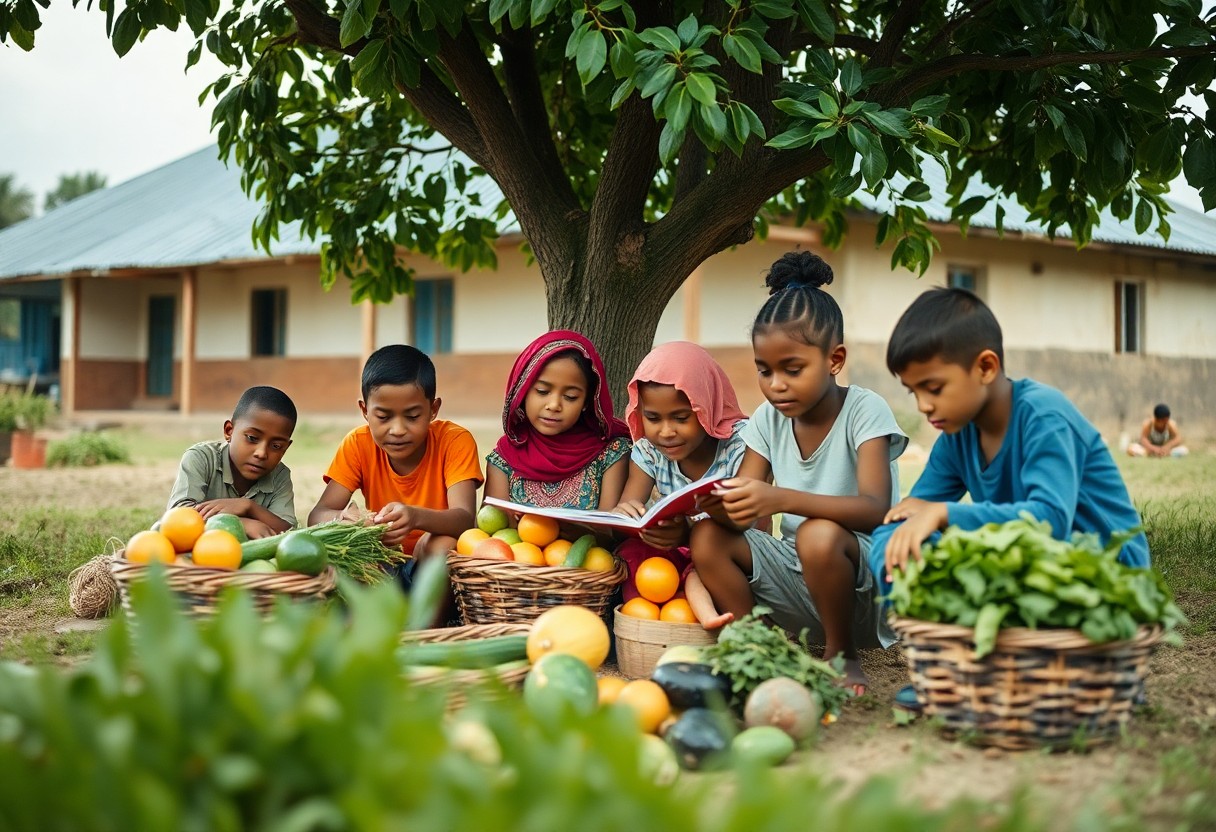
For many communities around the world, food security is not just a matter of nutrition; it also plays a vital role in educational outcomes. When you think of education, consider that adequate access to nutritious meals directly affects cognitive function, attendance rates, and overall learning experiences for students. Without sufficient food, you may find that children, especially girls, struggle to achieve their academic potential, thereby perpetuating existing gender disparities.

Nutritional Impact on Learning

Against a backdrop of hunger, children’s ability to learn is significantly diminished. You may notice that inadequate nutrition can lead to lower concentration, increased absenteeism, and poor academic performance. When you understand that the brain requires important nutrients to function optimally, it becomes clear that food security is linked directly to educational success. Inadequate diets can affect memory retention and problem-solving skills, compromising the quality of learning experiences.

Access to Education in Food-Insecure Regions

After addressing nutritional needs, it’s equally important to consider that access to education can be severely limited in food-insecure regions. You may find that economic instability often forces families to prioritize survival over education, resulting in higher dropout rates. This cycle traps many young girls in a situation where education becomes a distant dream, further amplifying the gender divide.

But addressing the intersection of food security and education means recognizing that educational opportunities are often scarce in areas where food is not readily available. You might think about how children in these regions face multiple barriers beyond just hunger, including the necessity for family members, particularly girls, to undertake household duties or work to contribute to the family’s income. This context creates a complex web of challenges that diminishes educational access, reinforcing cycles of poverty and disparity. By tackling food security alongside educational access, you can see how intertwined issues can lead to a more equitable society.

Case Studies: Successful Interventions

To understand the impact of food security on education, consider these successful case studies:

  • In Bangladesh, the Food for Education program increased girls’ enrollment by 10%, improving academic retention rates.
  • India’s Mid-Day Meal Scheme has led to a 25% rise in school attendance, particularly among girls.
  • A study in Malawi showed that providing school meals improved girls’ test scores by 15%.
  • In Burkina Faso, a nutritional support program increased girls’ school completion rates by 20%.

For more insights, refer to the UN report: Women’s education key to food security.

Programs Addressing Food Insecurity and Education

About 45% of countries with school feeding programs report positive impacts on educational participation, particularly among girls, highlighting the importance of integrating food security initiatives with education policies.

Lessons Learned from Global Initiatives

One major finding from global initiatives is that addressing food insecurity can enhance educational outcomes, especially for vulnerable populations.

Due to various successful interventions, the relationship between food security and education is evident. Programs that link nutrition assistance to educational needs often yield significant benefits, such as higher attendance and improved academic performance. By prioritizing food security, you can help dismantle barriers that prevent equal access to education for all genders. This multifaceted approach not only addresses immediate nutritional needs but fosters a more inclusive educational environment long-term.

Policy Recommendations

Not addressing food security can weaken efforts to tackle gender disparities in education. To effectively alleviate these disparities, it is imperative that policymakers enhance food security initiatives alongside educational reforms. Integrating food security measures can create a more supportive environment for girls, fostering their academic success and retention in schools. By prioritizing food access, you enable children, especially girls, to focus on learning rather than hunger.

Integrating Food Security in Educational Policies

With a focus on integrating food security into educational policies, you can ensure that students receive nutritious meals, which directly impact their cognitive development and overall well-being. By embedding food support programs within schools, you not only improve attendance rates but also enhance girls’ academic performance, thereby narrowing gender gaps in education.

Multi-Sectoral Approaches for Sustainable Solutions

Among the most effective strategies for ensuring food security and advancing gender equality are multi-sectoral approaches that involve various stakeholders, including governments, NGOs, and local communities. By collaborating across sectors, you can leverage resources and expertise to create comprehensive solutions that address the interconnected issues of food insecurity and education.

The integration of food security with educational initiatives is broad and requires collective action from multiple sectors. Engaging agricultural programs with education systems ensures that school meals are provided sustainably, while health services can address nutritional needs. By fostering partnerships with local agriculture, businesses, and community organizations, you can create systems that not only feed students but empower them through education, giving girls equal opportunities to succeed. This holistic approach helps build resilience among communities, driving both food security and gender equity forward.

The Role of Community Engagement

Your involvement in community engagement initiatives is vital for addressing food security and its impact on education. When communities come together to support local food systems, they create an environment where every individual, especially women and girls, feels empowered to pursue their educational goals. Community engagement fosters collaboration and responsibility, ensuring that food security measures are sustainable and effective, ultimately benefiting the educational landscape for future generations.

Local Initiatives in Promoting Food Security

About community-based programs fostering food security; these initiatives often focus on local farming, community gardens, and food distribution efforts that directly impact schools. By creating partnerships among local farmers, educators, and families, you can help increase access to nutritious food, ensuring that children are nourished and ready to learn. When food security is prioritized, the overall educational outcomes in the community improve, leading to a brighter future for all.

Empowering Women and Girls through Community Programs

At the heart of empowering women and girls is the understanding that educated individuals can transform their communities. Community programs designed to bolster food security often include workshops and training sessions specifically aimed at women, helping them gain valuable skills in agriculture, nutrition, and financial literacy. By equipping women and girls with these skills, you not only enhance their ability to contribute to food security but also increase their chances of pursuing further education and career opportunities.

Plus, fostering empowerment through community programs can have a ripple effect across generations. When women and girls acquire knowledge and develop skills, they become role models for future generations, instilling the importance of education and food security in their children. These empowered individuals are more likely to advocate for their families and communities, contributing to a cycle of positive change that promotes gender equality in education and enhances overall community resilience. Your active participation in these programs can drive substantial progress towards achieving educational equity for all.

Final Words

As a reminder, understanding the interconnectedness of food security and gender disparities in education is vital for fostering a more equitable society. When you prioritize food security, you empower girls and women to fully engage in their education without the burden of hunger or malnutrition. Ensuring access to nutritious meals not only enhances academic performance but also contributes to breaking the cycle of poverty and inequality. By addressing these issues together, you can help create a foundation for sustainable development that uplifts everyone, particularly those who have been historically marginalized.

Insightful Tips – How To Address Food Insecurity To Reduce Global Poverty Rates

There’s a pressing need for innovative solutions to combat food insecurity, which significantly contributes to global poverty rates. You have the power to make a difference by understanding the root causes and exploring actionable strategies. In this post, we will examine into practical tips that enable you to address food scarcity effectively, fostering a more sustainable future for communities around the world. By taking these steps, you can not only improve food access but also uplift lives and empower individuals to break free from the cycle of poverty.

Understanding Food Insecurity

Addressing food insecurity requires a comprehensive understanding of the issue, including its definitions, causes, and impacts. By redefining the concept of food access, you can better grasp how lack of availability and affordability affects millions. Awareness allows you to engage more effectively in efforts aimed at alleviating this global concern, ultimately contributing to a reduction in poverty rates.

Defining Food Insecurity

With food insecurity, people lack consistent access to enough food for an active and healthy life. It encompasses various facets, including physical availability, affordability, and quality of food. This condition not only jeopardizes individual well-being but also has far-reaching implications on communities and economies worldwide.

Exploring the Factors Contributing to Food Insecurity

With many complexities involved, food insecurity can be attributed to several key factors. These include economic instability, climate change, conflict, and poor infrastructure. Each contributes to the inability to access sufficient food. A clear understanding of these factors can empower you to advocate for systemic changes that address the roots of the issue. Here are some contributing factors:

  • Economic disparities and low income
  • Seasonal and climatic variations affecting crops
  • Social and political unrest hindering distribution
  • Lack of transportation and logistics support

Insecurity often manifests differently depending on regional contexts and individual circumstances. To truly tackle food scarcity, you must consider the interplay of these factors. Identifying them can help you strategize effective interventions that foster long-term solutions. Here are some underlying aspects:

  • Limited access to education and employment opportunities
  • Health issues that affect productivity
  • Food waste and mismanagement in supply chains
  • Systemic inequalities and marginalized populations

1. Assess local food needs and availability through community surveys.
2. Promote sustainable agriculture practices to enhance food production.
3. Support food education programs to improve nutrition awareness.
4. Establish community gardens to encourage local food sharing.
5. Collaborate with organizations to distribute surplus food effectively.
6. Advocate for policies that strengthen food security initiatives.

Impact of Food Insecurity on Global Poverty

Some studies highlight the correlation between food insecurity and global poverty levels, demonstrating that millions face economic hardship due to inadequate access to nutritious food. For further insights, you can explore Food for People: Insights to Combat Food Insecurity. This reality illustrates how the inability to secure sufficient food not only affects health but also widens the poverty gap, perpetuating a cycle that is hard to break.

The Link Between Food Access and Poverty Rates

The lack of reliable food access dramatically influences poverty rates, as insufficient nutrition can impair individuals’ ability to work, learn, and thrive. This disruption leads to decreased economic productivity and hampers overall community development, further entrenching poverty levels.

How Food Insecurity Affects Vulnerable Populations

Link individuals experiencing food insecurity often include children, the elderly, and marginalized communities. These groups tend to face heightened risks such as malnutrition and chronic health issues, which can significantly curtail their ability to escape the poverty cycle.

Rates of food insecurity disproportionately impact vulnerable populations, leading to a host of negative outcomes. Children deprived of sufficient nutrients may struggle academically and develop chronic health conditions, while elderly individuals may face worsening health, limiting their independence. By addressing food insecurity, you can help uplift these communities, break the cycle of poverty, and foster a healthier, more equitable society.

Effective Strategies to Address Food Insecurity

Unlike temporary measures, long-term strategies are imperative for addressing food insecurity effectively. You need to consider the multifaceted aspects of food systems, including agricultural practices, economic accessibility, and community involvement. Sustainable farming techniques paired with investment in local food markets can significantly enhance food availability. Additionally, educational programs that promote nutritional knowledge empower individuals to make informed food choices, helping to reduce poverty rates effectively.

Community-Based Approaches

With a focus on local engagement, community-based approaches are vital for driving meaningful change in food insecurity. You can facilitate partnerships among local farmers, food banks, and community organizations to create networks that improve access to nutritious food. These initiatives not only strengthen local economies but also foster a sense of ownership and responsibility within communities, ensuring that food resources are better utilized and distributed.

Policy Recommendations

Recommendations for addressing food insecurity at the policy level involve strategic interventions that foster systemic change. You should advocate for policies that promote food sovereignty, such as land access for marginalized farmers and financial support for local food systems. Additionally, investing in infrastructure, like transportation and storage facilities, can alleviate food waste and enhance distribution channels, ultimately supporting effective food access for all.

Strategies such as these create a strong foundation for comprehensive policy implementation. You can engage with government leaders to promote funding for food assistance programs and incentivize sustainable practices among agricultural producers. Collaborate with advocacy groups to push for regulations that protect local food sources and contribute to food security initiatives. By aligning your efforts with community needs and values, you can drive policies that profoundly impact food insecurity and combat global poverty.

How to Implement Sustainable Food Programs

Keep in mind that developing sustainable food programs requires a holistic approach. Emphasizing community involvement ensures that initiatives are tailored to local needs, improving effectiveness. You can learn more about the importance of addressing food accessibility through Food Accessibility, Insecurity and Health Outcomes. Implementing such programs can empower communities and foster lasting change.

Integrating Local Resources

Now, integrating local resources into your sustainable food programs is vital for success. You can make use of local farms, community gardens, and food co-ops to promote self-sufficiency and ensure that fresh produce is accessible. Collaborating with local operators helps build a resilient food system, addressing both availability and nutritional needs.

Building Partnerships with NGOs and Governments

On the other hand, building partnerships with NGOs and governments enhances the impact of your initiatives. Through collaboration, you can leverage additional resources, expertise, and networks that expand your reach and scale of your food programs. These partnerships are instrumental in establishing supportive policies and securing funding that aids in long-term sustainability.

With a focus on mutual goals and shared values, you can foster effective partnerships that streamline efforts to address food insecurity. Engaging with NGOs brings innovation and community insight, while government collaboration can enhance policy alignment and resource allocation. Working together, you create a robust network that not only supports your food programs but also contributes to reducing global poverty rates.

Educating Communities on Nutrition and Resources

After understanding the link between food insecurity and poverty, you can take action by educating your community about nutrition and available resources. Providing knowledge empowers individuals to make healthier choices and utilize local services, ultimately fostering a healthier, more resilient environment. Engage local leaders and organizations to facilitate workshops and discussions aimed at enhancing nutrition awareness and resource utilization, promoting a healthier lifestyle for all community members.

Raising Awareness

With effective communication strategies, you can raise awareness about nutrition and food resources within your community. Use social media, community forums, and newsletters to disseminate information about healthy eating habits, food programs, and available assistance. Collaborating with local influencers and health workers can amplify your message, ensuring it reaches those in need.

Providing Training and Support

To deepen the impact in your community, focus on providing training and support to individuals and families. This involves hands-on workshops that teach cooking skills, budgeting techniques, and proper food storage methods. By offering these important skills, you can empower your community to make informed choices that lead to better dietary habits, ultimately reducing food insecurity.

Awareness of available resources is vital for empowering individuals. The more informed your community members are about local food assistance programs, nutrition education classes, and cooking workshops, the better equipped they will be to combat food insecurity. Establish partnerships with local organizations to provide ongoing training sessions and support groups, creating a sustainable network that encourages healthy lifestyles and food security for all. Investing time and resources in these initiatives leads to lasting improvements in community health and well-being.

Measuring Success and Impact

All efforts to combat food insecurity require effective measurement to ensure progress and impact. Applying metrics allows you to assess the degree to which your initiatives foster food security: sufficient safe and healthy food for everyone. This ensures that your strategies not only alleviate hunger but also contribute to long-term poverty reduction.

Key Indicators of Food Security Improvement

You can gauge the effectiveness of your initiatives through key indicators, such as changes in dietary diversity, access to nutritious food, and household food consumption scores. Tracking these metrics reveals how well your programs are addressing the underlying causes of food insecurity and generates valuable data for future project planning.

Evaluating Program Effectiveness

On the path to understanding your impact, evaluating program effectiveness involves both quantitative and qualitative assessments. Metrics such as the number of beneficiaries served, percentage of food secure households, and improvements in nutritional status provide a comprehensive view of your initiatives’ success.

Another important aspect of evaluating program effectiveness includes gathering feedback from participants and stakeholders. This qualitative data sheds light on perceived barriers and successes, allowing you to refine your approach. Combining statistical analyses with stakeholder insights ensures your programs remain relevant and responsive to the needs of vulnerable populations.

Final Words

Ultimately, addressing food insecurity is vital for reducing global poverty rates and fostering sustainable development. You can contribute by supporting local agricultural initiatives, advocating for equitable food distribution, and raising awareness about food waste. Engaging with community programs and policymakers ensures that food resources are accessible to those in need. By taking these steps, you empower yourself and others, fostering a collective effort toward a world where everyone can enjoy reliable access to nutritious food.

Food Security And Climate Change – Strategies For A Sustainable Future

Food security is increasingly threatened by the impacts of climate change, affecting your ability to access nutritious and affordable food. As you navigate this complex challenge, it is important to understand the strategies that can foster a sustainable future for food systems. This blog post will explore practical approaches you can adopt to mitigate climate change effects while enhancing food security in your community and beyond. By actively engaging in these strategies, you can play a vital role in creating resilient food systems that endure the test of environmental shifts.

Understanding Food Security

The concept of food security pertains to ensuring that all individuals have consistent access to sufficient, safe, and nutritious food to maintain a healthy life. As climate change continues to disrupt agricultural systems, understanding this topic becomes increasingly important. You can explore Food Security in a Changing Climate: Strategies for … to learn about adaptive measures that can bolster food security in a turbulent environment.

Definition and Importance

Below, food security is defined as the state wherein people can obtain enough nutritious food for a healthy life, encompassing availability, accessibility, utilization, and stability. It plays an crucial role in promoting health, reducing hunger, and fostering sustainable development. Ensuring food security is vital to your overall well-being and societal stability, especially in light of the numerous challenges posed by climate change.

Current Global Challenges

Below, various global challenges negatively impact food security, including climate change, population growth, economic instability, and conflict. These factors contribute to shifts in agricultural productivity, food distribution, and consumption patterns, making it increasingly difficult for communities to secure their nutritional needs.

Considering the breadth of current global challenges, you might face significant obstacles in securing food sources. Climate change is altering weather patterns, affecting crop yields and leading to increased frequency of extreme weather events. Additionally, as the global population grows, urbanization places immense pressure on food systems, driving up prices and creating disparities in access. Economic instability and conflicts can further exacerbate these issues, impacting your ability to access reliable and nutritious food. Addressing these challenges requires concerted efforts towards sustainable agricultural practices and adaptive strategies.

1. Sustainable agricultural practices enhance food security resilience.
2. Climate-smart technologies improve crop yields and reduce waste.
3. Policy frameworks should support local food systems development.
4. Biodiversity conservation is vital for sustainable food production.
5. Community engagement fosters adaptive strategies against climate impacts.
6. Global collaboration is necessary for long-term food security solutions.

The Impact of Climate Change on Agriculture

If you are concerned about the future of food production, understanding the impact of climate change on agriculture is crucial. Climate change alters weather patterns, affects growing seasons, and increases the frequency of extreme weather events, all of which can significantly disrupt agricultural practices. As temperatures rise and precipitation patterns change, farmers face challenges that threaten both crop yields and livestock management, ultimately jeopardizing food security.

Climate Variability and Crop Production

The unpredictability of climate variability directly affects crop production. Changes in temperature and rainfall can lead to reduced yields, crop failures, or even the inability to plant altogether. You may find that traditional farming practices become less effective as new pests and diseases emerge, further complicating the agricultural landscape. This variability demands that farmers adapt their strategies to maintain productivity and sustain food supplies.

Implications for Food Supply Chains

Below the surface of agriculture’s challenges lie significant implications for food supply chains. As climate change influences crop production, the economic stability of farmers is at risk, which can lead to increased prices for consumers. You will likely experience fluctuations in food availability as supply chains struggle to respond to the unpredictable agricultural outputs, creating a ripple effect throughout the economy.

And while food supply chains face immediate challenges due to climate-related disruptions, the long-term effects could reshape how you access and consume food. With the increasing frequency of extreme weather events, transporting goods becomes more difficult, leading to delays and rising costs. Awareness and adaptation are key; as you consider your food choices, sourcing from local and sustainable producers can help mitigate some of these impacts. Supporting resilient farming practices will not only benefit your community but also contribute to a more stable food system overall.

Adaptive Strategies for Farmers

Not only do farmers have to cope with the immediate impacts of climate change, but they must also adapt their practices to ensure long-term sustainability. Implementing adaptive strategies such as crop diversification, soil health management, and resilient water-use techniques can significantly enhance your farm’s productivity and sustainability. By staying informed on climate trends and adopting flexible approaches, you can safeguard your livelihood against the erratic nature of climate conditions.

Sustainable Agricultural Practices

Practices that bolster sustainable agriculture play a vital role in adapting to climate change. You can incorporate methods like organic farming, conservation tillage, and agroforestry to improve soil health and increase biodiversity on your farm. By focusing on sustainable practices, you can reduce your environmental footprint while optimizing yield and ensuring your farm’s resilience against climate-related disruptions.

Technology and Innovation in Farming

Practices that incorporate technology and innovation are reshaping the future of farming. Utilizing precision agriculture tools, data analytics, and climate-smart technologies, you can make informed decisions that enhance efficiency and productivity on your farm. By integrating these advanced techniques, you can monitor crop health, optimize resource use, and adapt quickly to changing conditions.

Innovation in farming techniques allows you to stay ahead of the curve as climate conditions evolve. Implementing smart irrigation systems, drones for monitoring, and genetically engineered crops suited for shifting climates can enhance your overall productivity. By embracing cutting-edge technologies, you not only improve your farm’s yield but also contribute to a more sustainable agricultural system that aligns with the challenges posed by climate change. Investing in these innovations could be the key to ensuring your success in the face of environmental uncertainty.

Policy Recommendations for Food Security

Now, it is vital to develop and implement policies that enhance food security in the face of climate change. This includes establishing incentives for sustainable agricultural practices, improving access to local food systems, and investing in research and development for resilient crop varieties. Furthermore, aligning your national policies with global agreements can foster collaborative efforts towards food security goals while addressing environmental challenges.

National and International Initiatives

Between local government support and international agreements, numerous initiatives exist to bolster food security. Your engagement with frameworks like the Paris Agreement and the Sustainable Development Goals (SDGs) can help align regional strategies with global objectives. By fostering cross-border collaborations, you can benefit from shared knowledge, technological advancements, and financial resources that contribute to a more resilient food system.

Role of Community Engagement

Any effort to enhance food security must involve community engagement. When individuals in your community are actively participating in food systems, they can advocate for sustainable practices, share knowledge, and create initiatives that cater specifically to local needs. This grassroots involvement not only enhances awareness but also ensures that food security strategies are culturally relevant and effectively implemented.

In fact, community engagement fosters a sense of ownership and accountability among your members, allowing for more tailored solutions to food security challenges. By participating in local food networks, organizing workshops, and forming partnerships with local farmers, you contribute to a supportive ecosystem where sustainable practices can thrive. These efforts promote collaboration and the sharing of resources, ultimately leading to a more resilient food system that stands up to climate challenges.

Climate Resilience in Food Systems

After facing the realities of climate change, it is vital to enhance the resilience of food systems to secure sustainable futures. You can explore 7 ways to bolster food security in the face of climate change that detail innovative strategies for ensuring that food systems can withstand adverse climatic conditions.

Building Local Capacities

Between empowering farmers and developing community-driven agricultural practices, building local capacities is vital. You can engage in initiatives that foster knowledge sharing, enhance access to resources, and create strong networks to bolster localized food production systems.

Implementing Agroecological Approaches

An effective strategy to enhance climate resilience in food systems involves implementing agroecological approaches, which promote biodiversity and sustainability. By adopting these practices, you can significantly reduce dependence on chemical inputs and encourage natural ecosystems to thrive.

Indeed, focusing on agroecological methods not only supports environmental health but also improves soil quality and crop diversity. You can implement practices such as crop rotation, intercropping, and organic farming, which can increase resilience against pests and climate fluctuations. By integrating traditional knowledge with modern techniques, you will prepare your food systems to adapt to changing environmental conditions, ensuring long-term sustainability and food security.

The Role of Education and Awareness

Unlike many issues that may seem distant, food security and climate change directly impacts you and your community. By fostering a culture of education and awareness about these intertwined challenges, you can empower yourself and others to adopt sustainable practices. Understanding the effects of climate change on food systems builds a foundation for informed decision-making, promoting resilience and sustainability in your daily life.

Educating Stakeholders on Sustainable Practices

Across communities, educating stakeholders—such as farmers, consumers, and local leaders—on sustainable practices is vital. You can leverage workshops, training sessions, and outreach programs to share knowledge about eco-friendly farming techniques and resource conservation. By engaging various stakeholders, you contribute to a collective understanding of sustainable food systems and encourage the implementation of practices that protect the environment.

Promoting Research and Development

Research plays a significant role in advancing our understanding of sustainable food systems and climate resilience. You can support initiatives that focus on finding innovative solutions to combat food insecurity exacerbated by climate change. By participating in discussions and advocating for funding, you help pave the way for breakthroughs that can enhance agricultural productivity while minimizing environmental impact.

Practices such as investing in agricultural technology and developing climate-resilient crops are needed to address the challenges posed by climate change. As you engage in conversations around research funding and outcomes, you can bring awareness to projects that prioritize sustainability. Collaborating with academic institutions or NGOs fosters innovation while ensuring that new developments are rooted in ecological responsibility, ultimately leading to a more secure food future.

Final Words

Conclusively, addressing food security in the face of climate change requires your proactive engagement and informed action. You can implement sustainable practices and advocate for better policies in your community. Understanding the complex relationship between food systems and climate impacts is vital; for comprehensive insights, you can explore the Climate Explainer: Food Security and Climate Change. By taking these steps, you play a pivotal role in shaping a sustainable future for all.