

How Elections Are Shaping the Future of Governance
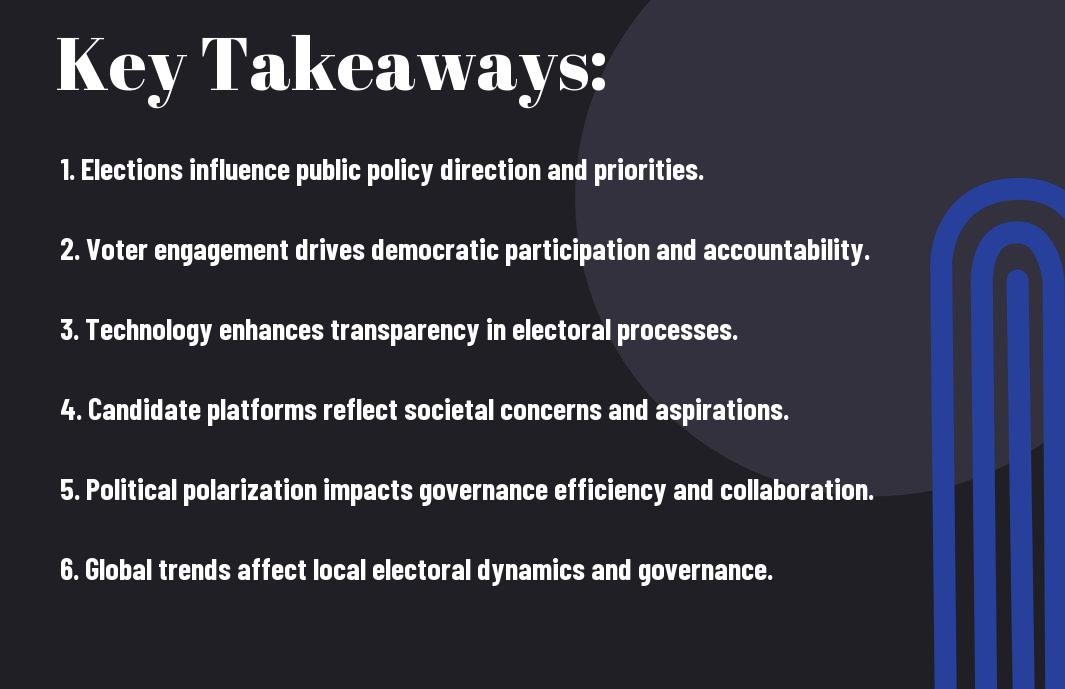
There’s a profound impact that elections have on the way governance evolves over time. As you participate in the electoral process, you help define the policies and leadership that influence your community and beyond. Understanding how elections shape governance not only enhances your voting power but also informs your perspective on democratic engagement. In this post, you will explore the various ways elections set the stage for future leadership, accountability, and public policy, illuminating the direct link between your vote and the decisions that affect your daily life.
The Impact of Electoral Systems
As you explore the complex dynamics of governance, it’s vital to understand how electoral systems shape political landscapes. The method by which votes are translated into political power deeply influences not only the representation of various societal interests but also the overall stability and responsiveness of a government. Selecting the appropriate electoral system can enhance or undermine democracy, dictate party systems, and affect how effectively leaders respond to your needs and concerns.
Majoritarian vs. Proportional Representation
About 70 countries utilize majoritarian systems, which typically favor larger parties and can lead to single-party governments, while others employ proportional representation, promoting a broader spectrum of political voices. Your understanding of these systems is important, as each one will impact both the political environment and the quality of governance you experience. In majoritarian systems, you may find more stability but less diversity in representation, whereas proportional systems encourage coalition-building, reflecting a wider array of your community’s views.
Voter Turnout and Engagement
With your participation in elections being a cornerstone of democracy, understanding voter turnout and engagement is important. The level of turnout can significantly affect the legitimacy of the governance you experience, as higher engagement typically leads to representatives who are more attuned to your needs. Factors that influence turnout include the perceived importance of elections, the accessibility of voting, and the overall political culture within your community.
Due to the various barriers that can impede your participation—such as voter ID laws, registration issues, and overall disenchantment with the political process—turnout can often be lower than expected. Engaging communities and fostering a sense of responsibility among citizens are key to improving participation rates. Initiatives that inform you about the election process and the significance of your vote can bridge the gap, facilitating a more vibrant democracy that directly responds to your concerns and aspirations.

The Role of Technology in Elections
If you think of modern elections, it’s impossible to ignore the role of technology. Digital tools are transforming the electoral landscape, enhancing voter engagement and facilitating faster information dissemination. Social media, data analytics, and online platforms are now vital in how campaigns operate, allowing candidates to connect with voters like never before. This tech-driven approach offers a glimpse into the future of governance, where accessibility and transparency may reign supreme.
Digital Campaigning
Role of digital campaigning in elections is paramount as it allows candidates to reach wider audiences efficiently. Through social media, websites, and targeted ads, you can witness how campaigns are tailored to resonate with different voter demographics. This approach not only fosters engagement but also shapes the narrative around candidates and their policies, ultimately influencing voter perception and behavior on a much larger scale.
Online Voting and Security Concerns
Around the world, online voting has emerged as a convenient alternative to traditional polling methods, but it raises significant security concerns. As you explore this innovative voting mechanism, it’s vital to consider the potential risks, such as hacking, data breaches, and voter fraud. Due diligence and robust security measures must be implemented to protect your voice in the electoral process and maintain public trust in democratic systems.
To ensure that online voting is a viable option in the future, it is vital to address these security concerns thoroughly. Your confidence in the electoral process will depend on transparent measures that protect your data and credibly validate your vote. Developing advanced encryption technologies, conducting regular security audits, and educating voters about safe practices are necessary steps to enhance the integrity of online voting, ensuring that it can be embraced widely without sacrificing security or trust.
Political Polarization and Governance
To understand the landscape of modern governance, you need to recognize how political polarization shapes decision-making processes. As parties become increasingly divided, collaboration diminishes, often resulting in a gridlock that hampers effective governance. This polarization can reflect and exacerbate public sentiment, making it challenging to address pressing issues in a cohesive manner. You may find that this hyper-partisanship not only influences electoral outcomes but also significantly impacts the long-term trajectory of governmental policies.
Effects on Policy-Making
Beside the visible divides in public opinion, polarized politics can lead to drastic shifts in policy-making. You might observe that when one party comes to power, it often reverses the policies of the previous administration, creating an unstable and inconsistent policy environment. This inconsistency can stifle innovation and create uncertainty for citizens and businesses alike, ultimately affecting your day-to-day life.
The Rise of Populism
One significant consequence of political polarization is the rise of populism, which often thrives in an environment of distrust toward traditional political institutions. You may notice that populist leaders capitalize on this sentiment, presenting themselves as champions of the ‘common people’ against a perceived elite. This approach can reshape the political landscape, making governance more reactive than proactive.
Understanding the rise of populism involves recognizing its roots in economic and social discontent. You see this phenomenon manifest in various forms across different countries, often fueled by people feeling left behind by globalization or disconnected from the political process. Populist movements tend to simplify complex issues, appealing to emotions rather than rational debate, which can lead to policies that prioritize immediate gratification over long-term solutions. Engaging with these movements can pose challenges for conventional governance, as they often demand rapid changes that disrupt established norms.
Global Perspectives on Election Practices
After examining election practices around the world, you will find that variations in governance styles and electoral processes significantly influence democratic engagement. From the frequency of elections to the methods employed, each country’s context shapes how citizens interact with their political systems. Understanding these global perspectives enables you to appreciate the complexities of electoral practices and their implications on future governance.
Comparisons Between Democracies
Around the globe, democracies vary in their electoral systems and practices. The table below highlights some key differences:
| Type of Electoral System | Examples |
| Majoritarian | United States, United Kingdom |
| Proportional Representation | Sweden, Netherlands |
| Mixed Systems | Germany, New Zealand |
Lessons from Authoritarian Regimes
Around the world, authoritarian regimes offer contrasting lessons that can inform democratic practices. These governments often employ compelling narratives that can unify their populations under a single vision, albeit through suppression. By analyzing their strategies, you can identify aspects that may inadvertently improve democratic processes, such as the importance of clear communication and the role of civic engagement.
With a closer examination of authoritarian regimes, you can uncover their ability to mobilize citizens, often leveraging nationalist sentiments or socio-economic insecurities. While their methods may infringe on freedoms, the emphasis on effective governance and public participation highlights valuable lessons for democracies. For instance, a focus on addressing citizens’ needs is vital, ensuring that governance remains accountable and responsive in your own political environment.

The Influence of Media on Elections
Keep in mind that media plays a pivotal role in shaping public opinion during elections. With the rapid evolution of technology, the way you consume news and information about candidates and policies has transformed dramatically. As media platforms evolve, you are exposed to a wealth of information that can significantly influence your voting choices and perceptions about governance.
Traditional Media vs. Social Media
Before the rise of social media, traditional media outlets such as television, radio, and newspapers dominated the election landscape. These platforms provided news coverage that was often curated and fact-checked, allowing you to rely on a certain standard of information. However, with social media’s emergence, you now have access to diverse viewpoints and real-time updates, which can be both beneficial and overwhelming.
Misinformation and Its Consequences
Between the vast amount of information circulating through social media and traditional channels, misinformation has become increasingly prevalent. This can affect your understanding of candidates and issues, leading to misguided perceptions. As misinformation spreads, it can create divisions and undermine trust in the electoral process, ultimately challenging the foundations of democracy.
Further, misleading information can have real-world effects on electoral outcomes, as you may be swayed by false narratives or fabricated stories that cater to your biases. This can distort public discourse, making it difficult for you to make informed decisions when voting. By recognizing the potential for misinformation and critically evaluating the sources of your information, you can better navigate the complex media landscape and engage in the electoral process more effectively.

Future Trends in Electoral Processes
Not only do elections reflect your preferences, but they are also evolving rapidly to adapt to modern challenges. New technologies and societal shifts are reshaping electoral processes, making them more accessible and efficient. With a focus on innovation and inclusivity, future elections may incorporate diverse methods that suit the needs of every voter, fostering greater participation in democracy.
Innovations in Voting
Trends indicate that technology will play a significant role in transforming how you experience the voting process. From online platforms to blockchain-based systems, innovations aim to enhance security and transparency, making it easier for you to cast your ballot. As these technologies develop, ensuring they meet the highest standards of integrity will be paramount.
The Rise of Remote and Alternative Voting Methods
Along with technological advancements, there’s a growing emphasis on remote and alternative voting methods that cater to your lifestyle and needs. These options promise to increase participation by breaking down barriers faced by traditional polling methods.
A significant shift toward remote and alternative voting methods can be observed, which includes mail-in ballots, online voting, and even voting via mobile applications. These options address accessibility issues and accommodating various circumstances, such as disabilities or long-distance travel. The emphasis on such voting methods aims to eliminate hurdles, ensuring you can engage in the democratic process from the comfort of your home or wherever you may be. Over time, this approach may redefine what it means to participate in elections, creating a more inclusive environment for all voters.
To wrap up
Upon reflecting, you can see that elections are not just about choosing leaders; they are pivotal in shaping the future of governance and defining relations between citizens and their government. Your participation in the electoral process influences policy decisions, accountability, and democratic values. Engaging in elections helps you advocate for issues that matter to you, ultimately steering the course of societal development. By understanding the impact of your vote, you become an active participant in creating a political landscape that aligns with your vision for the future.