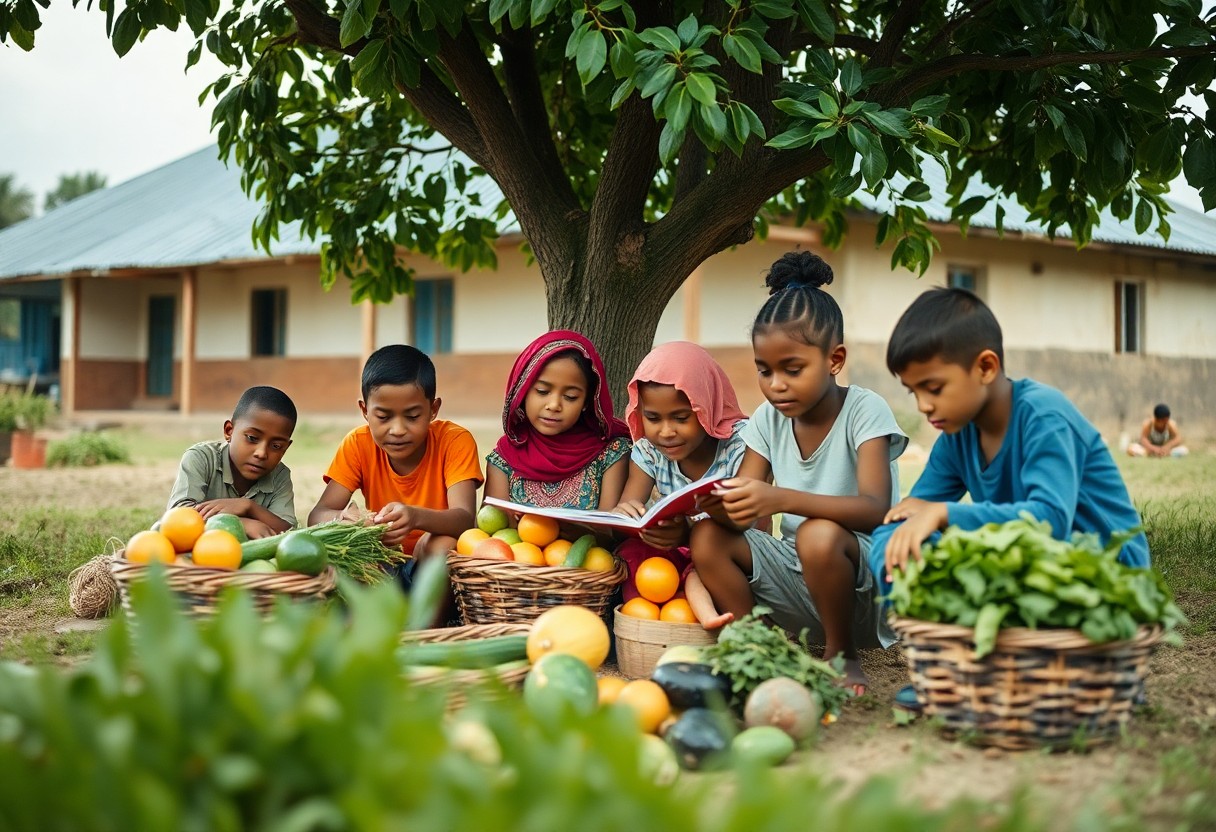
Can Education Serve As A Catalyst For Gender Equality In The Face Of Poverty?

Education stands as a powerful tool that can reshape lives and dismantle barriers to gender equality, particularly in impoverished settings. You may wonder how enhancing access to quality education can empower both girls and boys while addressing the cycle of poverty. By understanding the impact of education on social norms and economic opportunities, you can see how it plays a pivotal role in fostering gender equality and improving the overall well-being of communities. Explore how education not only uplifts individuals but also promotes a more equitable society for all.
Understanding Gender Equality

To address the pressing issues of gender inequality, you must grasp its fundamental concepts. Gender equality refers to the fair treatment and equal opportunities for individuals of all genders, ensuring their rights and access to resources. Education plays a significant role in promoting this equality and addressing disparities, as highlighted in Education, a catalyst for changing gender inequalities. By understanding gender equality, you become equipped to recognize and challenge the social norms that perpetuate inequality.

Definitions and Concepts

With a clear understanding of gender equality, various definitions and concepts emerge. It encompasses the belief in equality across genders, highlighting the importance of your role in advocating for balance in opportunities and rights. This foundation enables you to identify the structures that contribute to inequality and actively participate in fostering change within your community.

The Impact of Gender Inequality on Poverty

Beside perpetuating economic disparities, gender inequality directly influences poverty levels. When women and marginalized genders lack access to education and employment opportunities, you witness a cycle of poverty that is difficult to break. Discriminatory practices lead to lower wages and limited financial independence, ultimately reducing the quality of life and opportunities for future generations.

At the same time, the impact of gender inequality on poverty extends beyond individual suffering; it shapes entire communities and economies. When half of the population is denied equal access to education and employment, you see diminished economic growth and reduced innovation. Encouraging gender equality is not only a matter of social justice but also necessary for poverty alleviation. As you support initiatives that empower all genders, you contribute to building a more resilient economy and promoting sustainable development for everyone.

1. Education empowers women to challenge gender norms.
2. Increased literacy promotes economic opportunities for girls.
3. Educated women contribute to healthier families and communities.
4. Gender-sensitive curricula enhance awareness and advocacy.
5. Access to education reduces poverty levels overall.
6. Investment in girls’ education benefits societies long-term.
The Role of Education in Advancing Gender Equality

Even amidst challenges, education significantly contributes to advancing gender equality. Providing access to quality education empowers women and girls, fostering economic independence and social change. According to the Education Overview: Development news, research, data, gender disparities in education can be narrowed, benefiting entire communities.

Education as a Fundamental Right

Role of education as a fundamental right supports the notion that everyone deserves the opportunity to learn, regardless of gender. This principle underlines the importance of accessible educational resources and initiatives that promote equality in learning environments.

Case Studies of Successful Educational Interventions

Interventions designed to promote educational equality have yielded significant outcomes globally. Consider these impactful case studies:

  • Program in Bangladesh: A 2018 initiative increased girls’ school enrollment by 30%, resulting in higher graduation rates.
  • Kenya’s girl scholarship program: Doubled the number of girls completing secondary education over five years, boosting workforce participation.
  • Pakistan’s non-formal education programs: Increased literacy among girls by 50% within two years through community-based learning.

In addition to these examples, several other successful educational interventions illustrate the transformative power of education in promoting gender equality:

  • Malawi’s girls’ clubs: Led to a 40% increase in attendance and a positive shift in community attitudes towards girls’ education.
  • Rwanda’s gender-responsive curriculum: Enhanced girl participation in STEM subjects, resulting in a 60% rise in female student enrollment in technical fields.
  • India’s Beti Padhao Beti Bachao scheme: Improved access to education for girls, contributing to a 20% reduction in dropout rates in rural areas.

Challenges Faced in Education for Gender Equality

Despite the potential of education to promote gender equality, many challenges persist that hinder progress. Systemic inequalities rooted in cultural, social, and economic structures continue to marginalize women and girls, maintaining cycles of poverty and limiting access to education. You might encounter barriers ranging from inadequate infrastructure to societal norms that reinforce gender discrimination, all of which demand critical attention and action for change.

Cultural and Societal Barriers

Between deeply ingrained cultural norms and societal expectations, female education often faces significant hurdles. Many communities prioritize boys’ education over girls’, believing that a girl’s education is a lesser investment. These beliefs reinforce stereotypes that limit opportunities for women and girls. To challenge these norms effectively, you need to advocate for awareness and education around the importance of gender equality within your community.

Economic Constraints and Resource Allocation

By focusing on economic disparities, you will see how limited financial resources significantly impact educational access. Underfunded schools, poor infrastructure, and a lack of learning materials make it difficult for girls to secure an education. When families face economic pressures, they may prioritize boys’ education, viewing it as a more valuable investment. Addressing these economic constraints is crucial for creating equitable educational opportunities for all genders.

Faced with the realities of inadequate funding and resource allocation, you can advocate for policy changes that prioritize education for both genders. This involves ensuring that schools receive the necessary financial support and materials to provide quality education, promoting scholarships for girls, and fostering community initiatives aimed at highlighting the importance of female education. Each step plays a vital role in dismantling the financial barriers that currently exist.
Strategies for Leveraging Education to Combat Gender Inequality

Keep in mind that education can be a powerful tool to challenge and dismantle gender inequality. By integrating gender-sensitive curricula, promoting female role models in educational settings, and facilitating access to technology, you can help ensure that education serves as an equalizer in society. Supporting programs that encourage girls’ involvement in STEM fields and vocational training can also expand their opportunities, paving the way for a more equitable future.

Policy Recommendations

Leveraging effective policies is imperative for addressing gender inequality in education. You should advocate for initiatives that promote equal access to educational resources and provide financial aid to vulnerable families. Ensuring teacher training programs emphasize gender sensitivity will further foster an inclusive environment. Finally, implementing laws that eliminate barriers to education for girls will empower them to pursue academic excellence and life opportunities.

Community Engagement and Empowerment Initiatives

Empowerment through community initiatives can reinforce the value of education for girls and women. You can engage community leaders to promote the importance of girls’ education, foster mentorship programs, and create safe learning environments. Providing workshops and training sessions that involve parents and guardians can also help shift attitudes towards gender roles, promoting a supportive ecosystem where girls can thrive in their educational pursuits.

The success of community engagement initiatives lies in their ability to create a culture that respects and values the education of girls. By involving local stakeholders, including parents, educators, and community leaders, you can form coalitions that advocate for gender equality. Hosting workshops that educate families about the long-term benefits of investing in girls’ education can lead to positive shifts in mindset. When surrounding communities understand and prioritize educational opportunities for young women, you will witness transformative impacts on gender equality and poverty alleviation.

The Future of Education and Gender Equality

All around the world, education is reshaping itself to embrace gender equality as a primary objective. As you explore the future of education, you’ll find that initiatives aiming to close the gender gap are becoming more widespread. From policy changes to innovative programs, educational institutions are striving to create inclusive environments where both girls and boys can thrive. This shift not only promises a better educational landscape but also holds the potential to transform societal norms, fostering a generation that values equality and mutual respect.

Emerging Trends and Innovations

Trends in education are increasingly geared towards promoting gender equality and empowering marginalized groups. You can observe a growing focus on digital learning platforms, which enhance accessibility for girls in underserved communities. Additionally, social-emotional learning programs are being implemented to address biases and stereotypes, aiding in the development of respectful and equitable relationships among students. Innovative teaching methods, such as project-based learning, are also gaining traction to foster collaboration, creativity, and critical thinking regardless of gender.

Global Cooperation and Partnerships

Among the most effective strategies for advancing gender equality in education is fostering global cooperation and partnerships. You will find that collaboration among governments, NGOs, and private sectors creates a multi-faceted approach that leverages resources and expertise. These alliances help in designing and implementing targeted programs that specifically address the barriers girls face in education, such as cultural norms and financial constraints. By participating in global initiatives, you can contribute to creating networks that advocate for equal opportunities and empower girls through education.

It is crucial to recognize how global cooperation solidifies the ability to tackle challenges that are often insurmountable for single entities. By pooling resources and sharing best practices, partnerships can effectively drive policies that promote gender-sensitive education frameworks. Engaging with communities worldwide not only amplifies the demand for gender equality but also enables the sharing of success stories and solutions that can inspire change across various contexts. Through ongoing collaboration, you can play a role in building an educational landscape that champions equality and inclusivity for all genders.

Summing up

Ultimately, education serves as a powerful tool for promoting gender equality, especially in impoverished settings. By prioritizing equal access to education for both girls and boys, you can empower communities to challenge societal norms and break the cycle of poverty. As you invest in education, you contribute to a brighter future where everyone has the opportunity to succeed, fostering a more equitable society for all. Thus, your commitment to education can create lasting change, transforming lives and enhancing opportunities across generations.


Is Food Security A Key Ingredient For Combatting Gender Disparities In Education?

Many individuals overlook the connection between food security and education, particularly concerning gender disparities. When you understand that food security can significantly influence a girl’s ability to attend school and engage in learning, you begin to appreciate its role. Ensuring adequate nutrition not only supports academic success but also empowers females within their communities. For further insights into this interconnectedness, you may explore the Gender and food security and nutrition offered by FAO.

Understanding Food Security

Before delving into the complexities of food security, it is imperative to recognize its role in ensuring that all individuals have access to sufficient, safe, and nutritious food. Food security is a multifaceted issue that intertwines with various aspects of life, including health and education. A stable food supply directly influences not only the well-being of individuals but also the economic and social development of communities.

Definition and Importance

About food security, it encompasses the availability, access, and utilization of food to meet the dietary needs of people. It holds immense significance as it affects physical and mental health, educational attainment, and overall community resilience. By addressing food insecurity, you can foster better educational outcomes, paving the way for a more equitable society.

Global Challenges in Food Security

Behind the issue of food security lie numerous challenges that vary across different regions. Factors such as climate change, political instability, economic disparities, and growing populations contribute to persistent food insecurity. Each of these challenges presents unique barriers that hinder your ability to obtain consistent access to healthy food options, ultimately impacting your quality of life and educational opportunities.

Due to ongoing conflicts, climate-related disasters, and economic downturns, millions face food insecurity worldwide. The Interconnectedness of these issues means that efforts to improve food security must be holistic and systematic. If you’re living in an area affected by droughts or floods, for example, agricultural yields may plummet, leading to shortages. Additionally, in communities afflicted by political unrest, supply chains can break down, leaving you and others without access to necessary resources. Addressing these global challenges requires comprehensive strategies, integrating food systems with education and community support to foster resilience against food insecurity.

1. Food security directly impacts educational access for girls.
2. Hunger affects cognitive development and learning capacity.
3. Nutritional support encourages school attendance among female students.
4. Families prioritize education when food needs are met.
5. Gender disparities in education worsen with food insecurity.
6. Sustainable food systems promote gender equality in education.

Gender Disparities in Education

While significant strides have been made towards achieving gender equality in education, disparities still persist in many regions. Scholars emphasize that access to adequate nutrition is intertwined with education, particularly for girls. This connection highlights the need to explore the role of Food Sovereignty: Power, Gender, and the Right to Food in addressing these inequalities, as it can empower families and communities to prioritize educational outcomes.

Current Statistics and Trends

Around the globe, millions of girls remain out of school due to various barriers. According to recent studies, gender disparities in education are most pronounced in rural areas and low-income settings, where cultural norms often hinder girls’ access to education.

Socioeconomic Factors Influencing Disparities

Socioeconomic factors play a significant role in maintaining gender disparities in education. In many communities, poverty limits educational opportunities for girls, as families often prioritize resources for boys. Other influencing factors include:

  • Access to clean water and nutritious food
  • Household responsibilities that burden girls
  • Cultural attitudes towards gender roles

This issue highlights the interdependent relationship between education, food security, and gender equity.

With growing awareness of these socioeconomic factors, initiatives are emerging to address them. For instance, programs that provide educational support, access to food, and alternatives to traditional gender roles are gaining traction. Communities are seeing the benefits of investing in girls’ education. By enhancing resources and opportunities, you can contribute to breaking the cycle of inequality. Here are some approaches to consider:

  • Implementing scholarships for girls
  • Creating community awareness campaigns
  • Supporting local food production initiatives

This collective effort can create a significant impact in reducing gender disparities in education.

The Intersection of Food Security and Education

For many communities around the world, food security is not just a matter of nutrition; it also plays a vital role in educational outcomes. When you think of education, consider that adequate access to nutritious meals directly affects cognitive function, attendance rates, and overall learning experiences for students. Without sufficient food, you may find that children, especially girls, struggle to achieve their academic potential, thereby perpetuating existing gender disparities.

Nutritional Impact on Learning

Against a backdrop of hunger, children’s ability to learn is significantly diminished. You may notice that inadequate nutrition can lead to lower concentration, increased absenteeism, and poor academic performance. When you understand that the brain requires important nutrients to function optimally, it becomes clear that food security is linked directly to educational success. Inadequate diets can affect memory retention and problem-solving skills, compromising the quality of learning experiences.

Access to Education in Food-Insecure Regions

After addressing nutritional needs, it’s equally important to consider that access to education can be severely limited in food-insecure regions. You may find that economic instability often forces families to prioritize survival over education, resulting in higher dropout rates. This cycle traps many young girls in a situation where education becomes a distant dream, further amplifying the gender divide.

But addressing the intersection of food security and education means recognizing that educational opportunities are often scarce in areas where food is not readily available. You might think about how children in these regions face multiple barriers beyond just hunger, including the necessity for family members, particularly girls, to undertake household duties or work to contribute to the family’s income. This context creates a complex web of challenges that diminishes educational access, reinforcing cycles of poverty and disparity. By tackling food security alongside educational access, you can see how intertwined issues can lead to a more equitable society.

Case Studies: Successful Interventions

To understand the impact of food security on education, consider these successful case studies:

  • In Bangladesh, the Food for Education program increased girls’ enrollment by 10%, improving academic retention rates.
  • India’s Mid-Day Meal Scheme has led to a 25% rise in school attendance, particularly among girls.
  • A study in Malawi showed that providing school meals improved girls’ test scores by 15%.
  • In Burkina Faso, a nutritional support program increased girls’ school completion rates by 20%.

For more insights, refer to the UN report: Women’s education key to food security.

Programs Addressing Food Insecurity and Education

About 45% of countries with school feeding programs report positive impacts on educational participation, particularly among girls, highlighting the importance of integrating food security initiatives with education policies.

Lessons Learned from Global Initiatives

One major finding from global initiatives is that addressing food insecurity can enhance educational outcomes, especially for vulnerable populations.

Due to various successful interventions, the relationship between food security and education is evident. Programs that link nutrition assistance to educational needs often yield significant benefits, such as higher attendance and improved academic performance. By prioritizing food security, you can help dismantle barriers that prevent equal access to education for all genders. This multifaceted approach not only addresses immediate nutritional needs but fosters a more inclusive educational environment long-term.

Policy Recommendations

Not addressing food security can weaken efforts to tackle gender disparities in education. To effectively alleviate these disparities, it is imperative that policymakers enhance food security initiatives alongside educational reforms. Integrating food security measures can create a more supportive environment for girls, fostering their academic success and retention in schools. By prioritizing food access, you enable children, especially girls, to focus on learning rather than hunger.

Integrating Food Security in Educational Policies

With a focus on integrating food security into educational policies, you can ensure that students receive nutritious meals, which directly impact their cognitive development and overall well-being. By embedding food support programs within schools, you not only improve attendance rates but also enhance girls’ academic performance, thereby narrowing gender gaps in education.

Multi-Sectoral Approaches for Sustainable Solutions

Among the most effective strategies for ensuring food security and advancing gender equality are multi-sectoral approaches that involve various stakeholders, including governments, NGOs, and local communities. By collaborating across sectors, you can leverage resources and expertise to create comprehensive solutions that address the interconnected issues of food insecurity and education.

The integration of food security with educational initiatives is broad and requires collective action from multiple sectors. Engaging agricultural programs with education systems ensures that school meals are provided sustainably, while health services can address nutritional needs. By fostering partnerships with local agriculture, businesses, and community organizations, you can create systems that not only feed students but empower them through education, giving girls equal opportunities to succeed. This holistic approach helps build resilience among communities, driving both food security and gender equity forward.

The Role of Community Engagement

Your involvement in community engagement initiatives is vital for addressing food security and its impact on education. When communities come together to support local food systems, they create an environment where every individual, especially women and girls, feels empowered to pursue their educational goals. Community engagement fosters collaboration and responsibility, ensuring that food security measures are sustainable and effective, ultimately benefiting the educational landscape for future generations.

Local Initiatives in Promoting Food Security

About community-based programs fostering food security; these initiatives often focus on local farming, community gardens, and food distribution efforts that directly impact schools. By creating partnerships among local farmers, educators, and families, you can help increase access to nutritious food, ensuring that children are nourished and ready to learn. When food security is prioritized, the overall educational outcomes in the community improve, leading to a brighter future for all.

Empowering Women and Girls through Community Programs

At the heart of empowering women and girls is the understanding that educated individuals can transform their communities. Community programs designed to bolster food security often include workshops and training sessions specifically aimed at women, helping them gain valuable skills in agriculture, nutrition, and financial literacy. By equipping women and girls with these skills, you not only enhance their ability to contribute to food security but also increase their chances of pursuing further education and career opportunities.

Plus, fostering empowerment through community programs can have a ripple effect across generations. When women and girls acquire knowledge and develop skills, they become role models for future generations, instilling the importance of education and food security in their children. These empowered individuals are more likely to advocate for their families and communities, contributing to a cycle of positive change that promotes gender equality in education and enhances overall community resilience. Your active participation in these programs can drive substantial progress towards achieving educational equity for all.

Final Words

As a reminder, understanding the interconnectedness of food security and gender disparities in education is vital for fostering a more equitable society. When you prioritize food security, you empower girls and women to fully engage in their education without the burden of hunger or malnutrition. Ensuring access to nutritious meals not only enhances academic performance but also contributes to breaking the cycle of poverty and inequality. By addressing these issues together, you can help create a foundation for sustainable development that uplifts everyone, particularly those who have been historically marginalized.

Can We Achieve Gender Parity In Education Within The Context Of A Changing Climate?

Many individuals are increasingly concerned about the intersection of education and climate change, particularly regarding gender parity. As you explore this pressing issue, consider how shifting environmental conditions may affect girls’ access to education and the implications for achieving gender equality in learning environments. In this blog post, you will gain insights into the challenges faced and the strategies that can help ensure that both girls and boys have equal educational opportunities in an evolving climate landscape.

Understanding Gender Parity in Education

The concept of gender parity in education refers to the equal access to educational opportunities for individuals of all genders. Achieving this parity is necessary for fostering inclusiveness and ensuring that everyone has the chance to participate fully in society. As you explore this topic, consider how various factors—cultural, economic, and environmental—can impact educational access and outcomes for different genders, especially in the context of a changing climate.

Historical Context

Education has long been influenced by societal norms and historical trends related to gender. In many cultures, traditional roles have shaped access to education, often privileging boys over girls. This disparity has roots in historical practices that assigned value and resources based on gender, leading to inequitable educational systems. Understanding this context allows you to appreciate the journey toward gender parity and the ongoing challenges faced in achieving equality in education.

Current Statistics and Trends

Alongside historical challenges, current statistics reveal both progress and ongoing disparities in gender parity within education. Worldwide, the Global Education Monitoring Report shows that while girl enrollment rates have improved, significant gaps in completion and quality of education remain in certain regions. You may find it surprising that issues such as early marriage, poverty, and climate change disproportionately affect girls’ education, illustrating the multifaceted obstacles still present today.

This ongoing trend of increased enrollment does not automatically equate to educational success for all genders. You may observe that in many regions, girls still face challenges such as higher dropout rates, particularly in secondary education. Climate change exacerbates these issues, as a growing body of evidence indicates that extreme weather events and resource scarcity can hinder educational access. Engaging with these statistics can provide you with a clearer understanding of the current landscape of educational gender parity and the work still needed to achieve true equality.

1. Climate change disproportionately impacts women’s education opportunities.
2. Gender-specific strategies are important in educational policies.
3. Sustainable practices can enhance educational access for girls.
4. Community involvement strengthens gender parity initiatives in education.
5. Investment in girls’ education supports climate resilience efforts.
6. Collaborative efforts are vital for achieving educational equity.

The Impact of Climate Change on Education

Some experts argue that climate change significantly disrupts educational access and quality. In areas affected by extreme weather, schools often close, leaving students without consistent learning environments. This disruption disproportionately impacts girls’ education, further exacerbating inequalities. For insights on this issue, explore Gender Equality and Climate Change Mitigation: How Can ….

Disruption of Educational Systems

Before addressing climate-related challenges, it is important to recognize that your educational system can suffer from extreme weather events and natural disasters. These disruptions can lead to prolonged school closures and reduced resources, making it difficult for students to continue their studies effectively.

Gender-Specific Challenges

Behind these broader disruptions, gender-specific challenges emerge that affect your educational landscape. As climate change places increasing pressure on communities, girls often face heightened barriers that restrict their access to education, including early marriage and increased household responsibilities.

Challenges arise from shifting priorities within households that prioritize male education over female education in times of crisis. In the wake of climate-related disasters, you may find that girls are more likely to drop out or never return to school, as families respond to economic instability by reallocating resources. Addressing these gender-specific challenges is vital for ensuring that both boys and girls have equal opportunities to pursue their education despite the obstacles presented by climate change.

Policies Promoting Gender Parity in Education

Now, it is vital to recognize that effective policies aimed at promoting gender parity in education need to be multifaceted. Governments, NGOs, and international organizations must collaborate to develop frameworks that prioritize equal access to education for all genders. Comprehensive legislation, funding initiatives, and community programs can help dismantle barriers and create an inclusive educational environment. By actively engaging stakeholders and ensuring policies are adaptable to changing contexts, you can contribute to achieving sustainable gender parity in education.

Global Initiatives

Gender equality in education has garnered significant attention through various global initiatives, including the United Nations’ Sustainable Development Goals (SDGs). These initiatives emphasize the need for equitable access to quality education and targeted investments in marginalized communities. By aligning your efforts with these global frameworks, you can amplify the impact of your work towards fostering gender parity in education.

Local Strategies and Success Stories

Across many communities worldwide, innovative local strategies have emerged to tackle gender disparities in education. These success stories often involve grassroots movements, educational scholarships, and mentorship programs that specifically benefit girls and marginalized groups. Such initiatives have demonstrated that tailored approaches can effectively address unique local challenges while promoting gender parity.

To further explore local strategies and success stories, consider examining specific examples from various regions where community-driven actions have led to increased enrollment and retention of girls in schools. Initiatives like after-school programs, advocacy campaigns, and partnerships with local businesses have proven effective. By sharing success stories, you can inspire others to implement similar strategies, fostering a network of support that strengthens community engagement and drives progress toward gender parity in education.

The Role of Technology in Bridging the Gap

Once again, technology emerges as a powerful tool in the quest for gender parity in education. By integrating digital resources, you can ensure that education reaches marginalized groups, enabling girls and women to participate in learning experiences often denied to them. Innovations, such as educational apps and online courses, help overcome traditional barriers and foster an inclusive environment, promoting equal opportunities to learn.

Digital Learning Opportunities

Learning through digital platforms allows you to access vast resources regardless of your location. Online courses and webinars not only break geographical barriers but also offer flexibility, enabling you to balance studies with other responsibilities. By harnessing these opportunities, students can engage in an interactive educational experience tailored to their needs.

Addressing Accessibility Issues

After recognizing the importance of inclusivity, it’s vital to address accessibility issues in the digital learning landscape. You must advocate for and implement solutions that can help ensure equitable access to technology for all learners, regardless of potential barriers like socio-economic status, disability, or geography.

For instance, provision of affordable internet access is vital for students in rural and underserved communities. Equipped with devices like tablets and smartphones, you can engage in online learning. Additionally, educational platforms should be designed with accessibility in mind, providing tools like screen readers and translated materials, enabling every learner to participate fully. Targeted programs that provide support and resources to those in need can be instrumental in overcoming these barriers and ensuring that no one is left behind. Through collaborative efforts, we can work towards a more inclusive educational environment.

Community Engagement and Advocacy

All stakeholders must collaborate to achieve gender parity in education amidst a changing climate. Engaging local communities and advocating for policies that promote gender equality can significantly leverage resources and support. For a deeper understanding of how these factors intertwine, refer to The association between gender equality and climate …. By fostering partnerships between governments, nonprofits, and locals, you can create a robust framework that empowers all individuals, especially women and girls.

Grassroots Movements

Above all, grassroots movements play a fundamental role in mobilizing communities towards gender equality in education. These initiatives often originate from local needs and perspectives, ensuring that strategies resonate with those directly affected. By participating in or supporting these movements, you can amplify voices advocating for sustainable change, making education more accessible to all genders.

Role of Parents and Educators

With an active role, both parents and educators significantly influence achieving gender parity in education. Your involvement can inspire students to pursue their academic dreams regardless of their gender. By promoting an inclusive environment in schools and at home, you foster educational achievements and challenge outdated stereotypes.

Parents are instrumental in shaping the educational landscape by encouraging equal opportunities for all their children. By engaging in conversations about gender roles and the importance of education, you can provide a supportive atmosphere that nurtures young minds. Educators also bear the responsibility of presenting diverse role models and curriculum content that reflects the contributions of all genders. When you actively support these initiatives, you cultivate an awareness of gender equity that extends beyond the classroom, influencing broader societal change.

Future Outlook: Opportunities and Challenges

Unlike previous eras, today presents a unique landscape where both opportunities and challenges intersect regarding gender parity in education amidst a changing climate. You may find that innovative approaches and collaborative efforts can pave the way for inclusivity. However, underlying barriers such as resource allocation and varying cultural norms can hinder progress. It’s imperative to navigate these complexities wisely, ensuring that all learners, regardless of gender, can thrive in an evolving educational environment.

Innovations in Education

On the horizon, emerging technologies and teaching methodologies are reshaping learning experiences, potentially bridging the gender divide in education. You can leverage digital platforms that provide access to quality resources, enabling equal opportunities for students regardless of location. These innovations invite you to explore interdisciplinary approaches that cater to diverse learning styles, making education more inclusive and adaptable to current and future needs.

Long-term Sustainability

Against the backdrop of climate change, ensuring long-term sustainability in educational initiatives requires you to consider environmental impacts and resource management. Collaborative policies can foster resilience in educational infrastructures, making them adaptable to shifting circumstances. By incorporating sustainability into educational frameworks, you can ensure a focus on equitable access for all genders, allowing future generations to thrive in both their studies and the environment.

With a commitment to long-term sustainability, you can foster educational environments that adapt to climate challenges while promoting gender parity. This means integrating sustainable practices into everyday learning, encouraging students to be environmentally conscious and socially responsible. By prioritizing sustainability, you help create a resilient educational ecosystem that elevates all voices, ensuring that everyone, regardless of gender, can access quality education now and in the future.

Final Words

Considering all points, achieving gender parity in education amidst climate change demands urgent action and collaborative efforts. You must advocate for policies that prioritize both educational access for girls and environmental sustainability. By understanding the interconnectedness of gender inequality and climate issues, as detailed in this Explainer: How gender inequality and climate change are, you can contribute to a future where every girl has the opportunity to learn, grow, and thrive in a sustainable world.

Empowering Guide – How To Combat Climate Change Through Education Initiatives

There’s a powerful way you can address climate change by harnessing the potential of education initiatives. By actively engaging in educational programs, you can not only inform yourself but also inspire others to take action. This guide will provide you with practical steps and strategies to leverage education as a tool for raising awareness and driving meaningful change. Dive in to discover how you can make a significant impact in your community and beyond through informative initiatives.

Understanding Climate Change

Before you can effectively address climate change, you must grasp its foundation. Climate change refers to significant, long-term shifts in temperatures and weather patterns, primarily driven by human activity. Its implications stretch from environmental degradation to socio-economic instability, impacting the world at large. With education initiatives, you can empower yourself and others to understand these dynamics and take meaningful action.

How Climate Change Affects Our World

Assuming you recognize the intricacies of climate change, it’s necessary to understand its profound effects. From rising sea levels to extreme weather, the consequences extend beyond nature, influencing human health and livelihoods, and creating societal disparities.

Key Factors Contributing to Climate Change

While you may be aware of climate change, delving deeper reveals various factors that accelerate this phenomenon. These include:

  • Greenhouse gas emissions from industrial activities
  • Deforestation and land-use changes
  • Increased reliance on fossil fuels
  • Waste generation and management issues

Perceiving these elements will illuminate the urgency of educational initiatives in fostering awareness and prompting action.

Plus, understanding these contributing factors can further enhance your knowledge and inspire change. Consider exploring additional influences, such as:

  • Transportation and its carbon footprint
  • Overconsumption and its impact on resources
  • Agricultural practices and land management
  • Population growth and urbanization

Perceiving these dimensions will enable you to advocate for sustainable practices and engage effectively in climate change discussions.

1. Assess local climate issues through discussions and research.
2. Develop educational programs tailored to community needs.
3. Collaborate with local organizations and schools for outreach.
4. Utilize engaging teaching methods like workshops and field trips.
5. Encourage students to undertake personal and community projects.
6. Measure progress and adapt initiatives based on feedback.

The Role of Education in Climate Action

You hold the key to combating climate change through education. You can inspire change by integrating climate education into your learning environments. Utilizing resources such as A Guide to Using Student-Centered Projects to Teach … can equip you to engage students actively. By fostering a deeper understanding of climate issues, you empower future generations to take meaningful action.

How Education Fosters Awareness

Role of education extends to raising awareness about climate change. Through comprehensive curricula, you can provide your students with factual knowledge and critical thinking skills. This awareness leads to informed citizens who understand the implications of their actions on the environment and society.

Empowering Communities Through Knowledge

An effective education system promotes not only individual learning but also a collective understanding of climate issues within communities. You can leverage this knowledge to inspire collaborative projects, workshops, and discussions. By creating a culture of shared learning, you encourage community members to explore sustainable practices and solutions together.

Education can serve as a powerful tool for community empowerment by facilitating discussions on climate-related challenges. Involving all demographics, from children to adults, broadens perspectives and fosters collaborations that spark innovative ideas. Recognizing the unique strengths of each community member encourages shared responsibility toward sustainability, ultimately enabling your community to thrive while reducing its ecological footprint.

Developing Effective Education Initiatives

Not only should educational initiatives focus on imparting knowledge about climate change, but they should also aim to inspire and empower students to take action. By integrating hands-on learning experiences, interdisciplinary approaches, and community involvement, you can create programs that resonate with students. Tailoring initiatives to meet the unique needs of your community can amplify their effectiveness and foster long-term commitment to combating climate change.

Tips for Creating Engaging Programs

Creating engaging educational programs involves a careful blend of creativity and practicality. Consider these tips:

  • Incorporate interactive activities like workshops and field trips.
  • Utilize storytelling to make climate issues relatable.
  • Encourage student-led projects to foster ownership.
  • Collaborate with local organizations for real-world connections.

Knowing your audience will allow you to tailor experiences that captivate their interest and motivate their participation.

How to Implement Strategies in Schools

For successful implementation of climate education strategies in schools, you should establish clear goals and a dedicated action plan. Engage educators, students, and parents alike to ensure everyone understands the program’s vision and goals. By incorporating climate themes into various subjects and promoting extracurricular activities, you position climate education as a central component of school culture.

Tips for executing these strategies effectively include developing training sessions for teachers, creating resourceful toolkits, and regularly assessing the impact of your programs. Encourage schools to host events like climate fairs and workshops that involve the entire community, fostering a shared sense of responsibility. Keep communication channels open to gather feedback and make adjustments as necessary, ensuring sustained engagement and progress toward your climate education objectives.

Collaborating with Stakeholders

Once again, collaboration is key in enhancing the effectiveness of education initiatives aimed at combatting climate change. Engaging with various stakeholders—from schools and local governments to non-profits and businesses—can amplify your efforts significantly. Seeking support from established organizations, like The Climate Initiative – Empowering youth for climate action, can provide valuable resources and insights for your educational programs.

Building Partnerships for Greater Impact

Clearly, building strong partnerships with diverse stakeholders can lead to innovative educational approaches that enhance awareness and activism. By pooling resources, sharing knowledge, and leveraging networks, you can create a more significant impact on climate change education.

How Communities Can Join Forces

There’s immense power in community collaboration. By coming together, local organizations, schools, and residents can share expertise and resources, creating a united front against climate challenges.

With various community groups aligning their goals, you can foster an environment where educational initiatives thrive. This collective approach enables you to address specific local climate issues while raising awareness and inspiring action. When communities unite, they can create tailored programs that resonate more deeply with participants, ultimately strengthening the commitment to educate and engage towards sustainable change.

Measuring the Impact of Education on Climate Awareness

Now, understanding how educational initiatives shape climate awareness is crucial for assessing their effectiveness. By measuring the impact, you can identify which methods resonate with your audience and promote lasting change. Engage your stakeholders in evaluating how awareness levels shift before and after the implementation of educational programs, ensuring that you gather relevant data to inform future initiatives.

Tips for Evaluating Success

While evaluating the success of your educational programs, consider the following tips:

  • Conduct surveys to gauge increased knowledge and awareness.
  • Track participation rates in climate-related events and initiatives.
  • Analyze changes in attitudes or behaviors related to sustainability.

Thou can use these insights to refine your approach and enhance your impact.

Factors to Consider for Improvement

On your journey to enhance climate education, various factors should be considered. These can significantly influence the effectiveness and reach of your initiatives. Feedback from participants can provide insights on the content, delivery, and engagement levels. Evaluate external circumstances, such as current events or policies, that may affect your audience’s perception of climate change.

  • Assess the accessibility of your educational resources.
  • Evaluate the diversity of topics covered within your programs.
  • Adjust your strategies based on community engagement and response.

Thou will find that continuous assessment leads to meaningful improvements.

For instance, analyzing participant feedback can guide you in tailoring content to suit diverse learning styles and preferences. Identifying gaps in knowledge enables you to expand upon crucial topics that resonate with your audience. Additionally, collaboration with local organizations may improve outreach, ensuring your message reaches a broader demographic. Examine how you communicate and present information, as this directly influences retention and understanding.

  • Revisit the engagement methods you employ.
  • Ensure that facilitators are well-trained and knowledgeable.
  • Incorporate interactive elements that encourage participation.

Thou can maximize your educational initiatives’ impact by applying these considerations strategically.

Advocacy and Outreach

For effective climate action, advocacy and outreach play a pivotal role in amplifying your voice. By engaging in community initiatives and promoting policies that support education and sustainability, you can drive change. Consider exploring Climate Education: Empowering Change to gain insights and strategies for your advocacy efforts.

How-to Raise Awareness Beyond the Classroom

Classroom teachings are just the beginning; extend your influence by organizing events and campaigns that promote climate education. Utilize social media platforms to share information, create engaging content, and foster discussions that reach wider audiences.

Tips for Mobilizing Community Action

Little actions can lead to significant impacts. Start by fostering relationships within your community and share ways to get involved. You can mobilize action by:

  • Organizing community clean-up events
  • Hosting informational workshops
  • Collaborating with local businesses for sustainability efforts

The combined efforts will bring more people into the fold and create a united front against climate change.

Community involvement is necessary for lasting change. Engage your neighbors and friends to participate in initiatives that promote sustainability. Encourage discussions about climate issues by facilitating gatherings or local forums where ideas can flow. You could:

  • Leverage local media to spread awareness
  • Partner with schools to integrate climate discussions
  • Establish community garden projects to promote healthy living

The goal is to create a ripple effect that encourages everyone to play their part in combating climate change.

Conclusion

Now that you understand the importance of education initiatives in combating climate change, you can take proactive steps in your community. By engaging with local programs, advocating for sustainable practices, and sharing knowledge with others, you contribute to a larger movement that fosters environmental awareness. Your efforts can lead to positive change, empowering individuals and communities to take action against climate change collectively. Embrace your role as a change-maker and inspire others to join you on this important journey.

Bridging The Gap – How Education Empowers Women In The Fight Against Climate Change

It’s vital for you to understand the profound impact of education on women’s roles in combating climate change. By equipping women with knowledge and skills, we can foster innovative solutions to environmental challenges. As you explore this topic, you’ll discover how educated women lead initiatives that not only address the climate crisis but also promote sustainable practices in their communities. Empowering women through education is not just beneficial for individuals; it’s a strategic approach to creating a more resilient and adaptive society in the face of changing environmental conditions.

The Importance of Education for Women

While education serves as a powerful tool for women, it goes beyond just individual growth; it has the potential to transform communities and societies. By harnessing knowledge and skills, women become equipped to tackle pressing challenges, including climate change. Your educational journey not only enhances your personal capabilities but also enables you to contribute meaningfully to sustainable practices, making a significant impact on your environment and future generations.

Historical Context

About a century ago, access to education for women was limited, often relegating them to traditional roles and marginalizing their potential. Over time, advocacy and social movements have helped to bring attention to the necessity of women’s education. Understanding this historical context allows you to appreciate the strides made and the ongoing efforts required to overcome remaining barriers.

Education as a Catalyst for Empowerment

One of the most effective ways to empower women is through education. By investing in your learning, you gain the tools necessary to enhance your voice, challenge inequality, and create innovative solutions to environmental issues. Education fosters resilience and critical thinking, which are necessary in addressing the impacts of climate change.

For instance, educated women often take on leadership roles in their communities, advocating for sustainable practices and environmental policies. Your ability to analyze data and engage in informed discussions enables you to drive change, encouraging others to act. When you become educated, you not only elevate your own status but also motivate those around you to prioritize sustainability, creating a ripple effect of positive action against climate change.

1. Education enhances women’s decision-making in environmental issues.
2. Informed women promote sustainability within their communities.
3. Empowered women lead climate adaptation initiatives effectively.
4. Education fosters innovation in green technologies for women.
5. Women’s voices shape climate policies through education.
6. Educated women inspire future generations to advocate for change.

Women as Key Stakeholders in Climate Action

Even in the face of daunting climate challenges, women play an necessary role as key stakeholders in climate action. Their unique perspectives and experiences empower them to create innovative solutions, advocating for sustainable practices that benefit both their communities and the planet. Educating women not only enhances their ability to lead but also fosters collaboration across genders, ultimately strengthening global efforts against climate change.

Representation in Decision-Making

Climate policies often overlook the input of women, resulting in a lack of representation in decision-making roles. When women are included, the perspectives and needs of diverse populations are better addressed. Consequently, elevating women’s voices not only enriches the conversation but fosters a more equitable approach to climate solutions.

Grassroots Movements Led by Women

Around the world, you will find grassroots movements led by women, uniting to advocate for environmental justice and sustainability. These initiatives spring from the understanding that communities possess the knowledge and resources to address their own challenges. Women mobilize local networks, raise awareness, and drive impactful change in their regions, proving that local actions can contribute to global climate objectives.

Women are at the forefront of grassroots movements that tackle climate change, often addressing the specific needs of their communities. Their initiatives range from reforestation efforts to sustainable agriculture practices, demonstrating both resilience and innovation. By harnessing local knowledge and fostering community engagement, women lead successful campaigns that inspire others and cultivate a sense of ownership in environmental stewardship. Your support and recognition of these efforts can amplify their impact and drive further change in the climate narrative.

Case Studies: Successful Educational Programs

For effective educational programs addressing climate change, numerous case studies highlight their impact on women’s empowerment. Consider the following examples:

  • In Bangladesh, the “Girls’ Education and Climate Change” initiative has led to a 30% increase in girls pursuing environmental science.
  • The “Eco-Schools” program in South Africa has motivated over 1,000 schools to implement sustainable practices, empowering girls to lead projects.
  • The “STEM for Girls” initiative in Uganda has a 50% graduation rate in STEM fields among female students.

To explore more about this transformative approach, visit Girls’ Education and Climate Change.

STEM Initiatives for Young Girls

Programs designed specifically for young girls in STEM fields are empowering the next generation to tackle climate change. Initiatives like “Girls Who Code” and “TechGirls” provide hands-on experience and mentorship, fostering interest in science, technology, engineering, and mathematics. These programs frequently report increased participation rates, with up to 70% of participants pursuing further education in STEM disciplines.

Community-Based Environmental Education

On a broader level, community-based environmental education harnesses local knowledge and resources to promote sustainability and environmental stewardship. This approach often involves community members in teaching, allowing you to learn from the unique experiences of those around you.

Studies have shown that community-based approaches not only enhance understanding of environmental issues but also promote sustainable practices at grassroots levels. Programs engaging women in this education successfully increase their involvement in decision-making processes related to climate action. Notably, participants report a 40% rise in community initiatives targeting climate resilience, demonstrating the power of collective knowledge and empowerment through education.

The Role of Policy and Governance

Now, effective policy and governance play a pivotal role in addressing climate change while empowering women. By prioritizing gender inclusion in climate policies, you can help ensure that women’s voices are heard and valued in decision-making processes. Exploring frameworks such as the Bridging the Gap: Tackling Climate Change and Gender … initiative will provide insights into how structured approaches can foster equality and sustainability together.

Integrating Gender Equality into Climate Policies

Across the globe, integrating gender equality into climate policies is imperative for creating a more resilient future. You can advocate for policies that specifically address the unique challenges women face in climate-affected areas, ensuring that their perspectives inform the development of adaptive strategies.

International Frameworks Supporting Women’s Education

Role of international frameworks in supporting women’s education is vital in the battle against climate change. These guidelines help align national policies with global commitments to education and gender equality, reinforcing the importance of educating women as a means to enhance community resilience.

Considering the significance of international frameworks, you can take action by aligning with organizations that promote women’s education as a key component of climate action. Instruments like the Sustainable Development Goals (SDGs) explicitly call for gender equality and education for all, emphasizing their interconnectedness with climate initiatives. By supporting these frameworks, you empower women and equip them with the knowledge they need to confront climate challenges effectively.

Challenges and Barriers to Education

Not every woman has equal access to education, which is often hampered by various challenges and barriers that hinder their progress. These obstacles can be deeply rooted in societal structures and can affect your opportunities for learning and empowerment. As you explore these barriers, you will better understand how to advocate for change and support women in overcoming these limitations.

Socioeconomic Factors

Below are some socioeconomic factors that contribute to educational disparities for women:

  • Limited financial resources
  • High unemployment rates
  • Unequal access to educational facilities
  • Domestic responsibilities

Assume that these factors are addressed; education can become more accessible and equitable for women, enabling their impactful roles in climate action.

Cultural and Institutional Obstacles

An array of cultural and institutional obstacles can inhibit women’s educational pursuits. These include deeply ingrained stereotypes, gender discrimination, and institutional biases that prioritize male education over female education.

Hence, addressing these cultural stigmas and institutional shortcomings is vital for amplifying women’s roles in climate change solutions. By challenging stereotypes and advocating for female representation in educational institutions, you can contribute to a more equitable society where women are empowered to engage fully in combating climate issues. Understanding these barriers allows you to actively support initiatives aiming for a more inclusive educational landscape.

The Path Forward: Strategies for Empowerment

After recognizing the intrinsic link between education and climate action, you can champion innovative strategies that bolster women’s roles in sustainability. By fostering educational initiatives that focus on environmental literacy, you empower women to take on leadership roles within their communities. Partnership with local organizations and institutions helps extend the reach of these programs, ensuring that women gain the skills and knowledge necessary to effect change. Engaging men as allies can also amplify these efforts, leading to a more inclusive and effective approach to climate challenges.

Collaborative Efforts Across Sectors

An integrated approach that combines efforts from government, NGOs, and the private sector can significantly enhance the empowerment of women in climate action. By pooling resources and expertise, these stakeholders can create comprehensive training programs and initiatives targeting women specifically. Cooperation can also result in shared platforms that highlight the contributions of women in combating climate change, fostering a sense of community and collaborative problem-solving.

Advocacy and Awareness Campaigns

Above all, raising awareness about the challenges women face in the context of climate change is vital. Your participation in advocacy campaigns can elevate the conversation regarding gender and environmental issues. By utilizing social media, community workshops, and public forums, you can share stories and statistics that underscore women’s transformative potential in climate solutions. Informing the public about the importance of educating women on sustainability can shift perceptions and inspire action.

Forward-thinking advocacy and awareness campaigns can mobilize communities and instigate change on a broader scale. By leveraging storytelling and data-driven narratives, you spark empathy and interest in climate-related issues among diverse audiences. Working alongside grassroots movements and educational institutions, you can contribute to programs that equip women with the skills to become effective advocates for the environment. This enhances their visibility and agency in decision-making processes, ultimately contributing to a more sustainable future for all.

Summing up

So, as you reflect on the importance of education in empowering women to combat climate change, consider how your support can make a difference. By investing in educational initiatives, you are not only enhancing women’s capabilities but also creating resilient communities that can tackle environmental challenges. Your involvement can inspire others and foster a collective response to climate issues, ultimately leading to a more sustainable future for everyone. Embrace this opportunity to contribute to a transformative movement that uplifts women and promotes environmental stewardship.

Tackling The Roots Of Terrorism – The Role Of Education And Economic Opportunity

Terrorism is a complex issue that often stems from underlying social and economic conditions. By understanding the importance of education and economic opportunity, you can grasp how these factors contribute to the development of extremism. This blog post explores how investing in education and creating economic pathways can help dismantle the conditions that foster terrorism. You’ll discover the transformative impact that these elements can have on communities and individuals, leading to a more peaceful and stable world.

Understanding Terrorism

The study of terrorism involves a multifaceted approach to grasp its underlying causes and consequences. Research has shown that educational attainment significantly influences the occurrence of domestic terrorism, as indicated in The (Nontrivial) Impact of Education on Domestic Terrorism. In understanding terrorism, it is important to examine definitions, types, and historical contexts to form a comprehensive perspective on this complex issue.

Definitions and Types

By defining terrorism, you can better understand its various manifestations. Commonly accepted definitions include:

  • Political terrorism
  • Religious extremism
  • State-sponsored terrorism
  • Left-wing and right-wing terrorism
  • Single-issue terrorism

The classification of these types aids in developing targeted strategies for prevention and intervention.

Type of Terrorism Description
Political terrorism Aims to achieve political objectives through violence.
Religious extremism Involves acts justified by religious beliefs.
State-sponsored terrorism Government support for violent acts against perceived enemies.
Left-wing terrorism Motivated by radical socialist or communist ideologies.

Historical Context

The roots of terrorism can be traced through various historical events that shaped societies. You should analyze how different political, social, and economic factors influenced these violent acts over time.

It is important to recognize that historical context plays a key role in shaping contemporary terrorist movements. Events such as colonialism, civil unrest, and the Cold War have all contributed to creating an environment ripe for radical ideologies to take hold, leading individuals to engage in terrorism as a means of addressing perceived grievances and injustices. Understanding these historical factors can enhance your insight into the cycles of violence that persist in various regions worldwide.

1. Education fosters critical thinking and resilience against extremism.
2. Economic opportunities reduce vulnerability to radicalization.
3. Empowerment through skills diminishes terrorism recruitment appeal.
4. Inclusive education promotes social cohesion and understanding.
5. Investing in youth programs curbs violence and desperation.
6. Collaboration between sectors enhances community stability and growth.

The Impact of Education

If you consider the broader scope of societal development, education serves as a fundamental pillar in combating terrorism. It opens doors to critical thinking, enhances cognitive skills, and fosters a sense of community belonging. By equipping individuals with knowledge and analytical abilities, you empower them to resist extremist ideologies and make informed choices, ultimately steering them away from paths that may lead to violence.

Education as a Preventive Tool

On a global scale, education can act as a powerful preventive tool against terrorism. By addressing the underlying issues of poverty, disenfranchisement, and limited opportunities, educational initiatives help to reduce the allure of extremist narratives. You can see how the right educational programs can alter the trajectory of vulnerable populations by instilling values of peace, tolerance, and constructive dialogue.

Case Studies of Educational Programs

Any data-driven approach to understanding the impact of education on terrorism reveals numerous success stories worldwide. Here are several case studies highlighting effective educational programs:

  • In Nigeria, the “Borno State Education Revitalization Program” has contributed to a 40% increase in school enrollment, significantly reducing radicalization among youths.
  • The “Youth Empowerment Program” in Afghanistan led to a 30% decline in youth involvement in extremist groups over three years by providing vocational training and education.
  • In Tunisia, after implementing “STEPS” educational workshops, 25% of participants reported a naivety towards extremist ideologies, with reduced recruitment rates in local cells.

And it’s important to not only present these case studies but also understand the methodology behind their success. Each program shares common factors: community involvement, tailored curriculums, and a focus on critical thinking. These elements create an environment conducive to learning and development, steering individuals towards peaceful paths rather than violence. Consider these effective educational models as templates for future initiatives in your own communities.

Economic Factors in Terrorism

For many individuals, the allure of terrorism stems from economic grievances. When analyzing these motivators, consider the following factors:

  • High levels of poverty
  • Widespread unemployment
  • Lack of access to education
  • Economic inequality
  • Corruption in local governance

Assume that addressing these economic disparities could significantly reduce the appeal of extremist ideologies.

Poverty and Unemployment Correlation

By examining the relationship between poverty and terrorism, you can see a stark correlation. Communities struggling with high unemployment rates often experience increased feelings of disenfranchisement, making it easier for extremist groups to recruit. When individuals feel hopeless, they may turn to violent measures as a means of expressing their frustrations.

Economic Development Initiatives

Against the backdrop of rising extremism, various economic development initiatives have emerged as potential solutions. By investing in job creation and skill development, you can empower communities and diminish the allure of terrorism.

Factors influencing the success of these initiatives include local engagement, access to resources, and sustained support from both governmental and non-governmental organizations. By fostering collaboration between these entities, you can create a comprehensive framework that addresses the underlying economic conditions contributing to radicalization. Investing in education and vocational training not only provides individuals with valuable skills but also promotes social cohesion, reducing the likelihood of extremist behavior.

The Role of Community Engagement

To effectively address the roots of terrorism, community engagement is vital. Empowering individuals through active participation in local initiatives fosters a sense of belonging and responsibility. When communities unite, they can create programs that address the social and economic factors that often contribute to extremism. For a deeper understanding of the interplay between societal dynamics and violence, explore the Economics of Terrorism.

Building Trust and Cooperation

Before any meaningful progress can be made, building trust and cooperation among community members is vital. When you engage with your neighbors and local organizations, you foster an environment of open dialogue and mutual respect. This trust helps dismantle stereotypes and encourage collaboration against common threats, allowing communities to respond collectively to challenges they face.

Grassroots Movements Against Terrorism

Community-led efforts can be powerful weapons against extremism. Grassroots movements empower you and your peers to take action, address grievances, and promote peace. Such initiatives often provide education and support, working to prevent radicalization at the local level.

And harnessing the potential of grassroots movements can significantly decrease terrorism’s appeal. Through workshops, community meetings, and outreach programs, these movements create awareness of the dangers of extremism while offering alternative narratives. By focusing on inclusivity and dialogue, you can contribute to a stronger, more resilient community that stands united against the lure of violence.

Policy Recommendations

Many strategies can be implemented to effectively tackle the roots of terrorism through education and economic opportunity. Policymakers should prioritize integrated programs that enhance educational access alongside economic development projects that create job opportunities. By focusing on not just mitigating the symptoms but addressing the root causes, communities can become more resilient against radicalization and violence.

Integrating Education and Economic Policies

Before you can make significant progress in reducing terrorism, it’s necessary to develop policies that intertwine educational initiatives with economic opportunities. This means fostering partnerships between schools, businesses, and communities to create training programs that equip individuals with the skills needed for the job market. Such integration will empower individuals and help cultivate a peaceful, stable society.

Importance of International Collaboration

Education and economic programs need to be backed by international cooperation to create comprehensive solutions to terrorism. Collaborative efforts can ensure that resources are effectively shared, allowing countries to learn from one another’s successes and failures while addressing these complex issues.

International collaboration plays a vital role in shaping effective education and economic policies. By uniting multiple countries, you can pool resources, share expertise, and establish a common framework for countering terrorism. Cross-border initiatives can help tackle transnational issues, enabling you to create unified strategies that not only address immediate threats but also promote long-term stability and peace. Your proactive involvement in such efforts can lead to a worldwide commitment to foster environments that deter violence and cultivate opportunities for all.

Measuring Success

Once again, evaluating the effectiveness of education and economic initiatives in reducing terrorism requires a multifaceted approach. You must assess various indicators and establish clear benchmarks to determine the impact of these programs over time. Success is not only measured through immediate outcomes but also through long-term changes in attitudes, behaviors, and the overall stability of affected communities.

Indicators of Progress

Between quantitative data like school enrollment rates and qualitative measures such as community perceptions, you can gain a clearer picture of progress made. Key indicators include the reduction in recruitment rates into extremist groups, increased participation in vocational training, and overall improvements in local economies. Collectively, these metrics offer valuable insights into the effectiveness of your interventions.

Challenges in Evaluation

After establishing indicators, you face various challenges in the evaluation process. The complexities of measuring social change can complicate the ability to draw direct connections between educational initiatives, economic opportunities, and the reduction of terrorism. Additionally, factors such as political instability, regional dynamics, and varying cultural contexts can influence outcomes, making it difficult to achieve uniform assessments.

Measuring the impact of education and economic opportunities on terrorism is inherently complex. You need to consider that social change is gradual and often influenced by numerous external factors beyond your control. Disentangling the results of your initiatives from other elements, such as shifts in political climate or international relations, requires a robust design for your evaluation methods. Adjusting the metrics you use in response to changing conditions in communities will allow you to understand better the nuanced relationship between your efforts and the ultimate goal of reducing terrorism.

Final Words

With this in mind, addressing the roots of terrorism through education and economic opportunity is crucial for creating a more stable and peaceful world. By investing in educational programs and providing job opportunities, you can empower individuals and communities to choose paths that foster dialogue, understanding, and cooperation, rather than violence. Your efforts in these areas not only contribute to individual growth but also strengthen societal resilience against extremist ideologies. Embracing this approach offers a sustainable pathway toward mitigating the factors that fuel terrorism, benefiting everyone in the long run.