
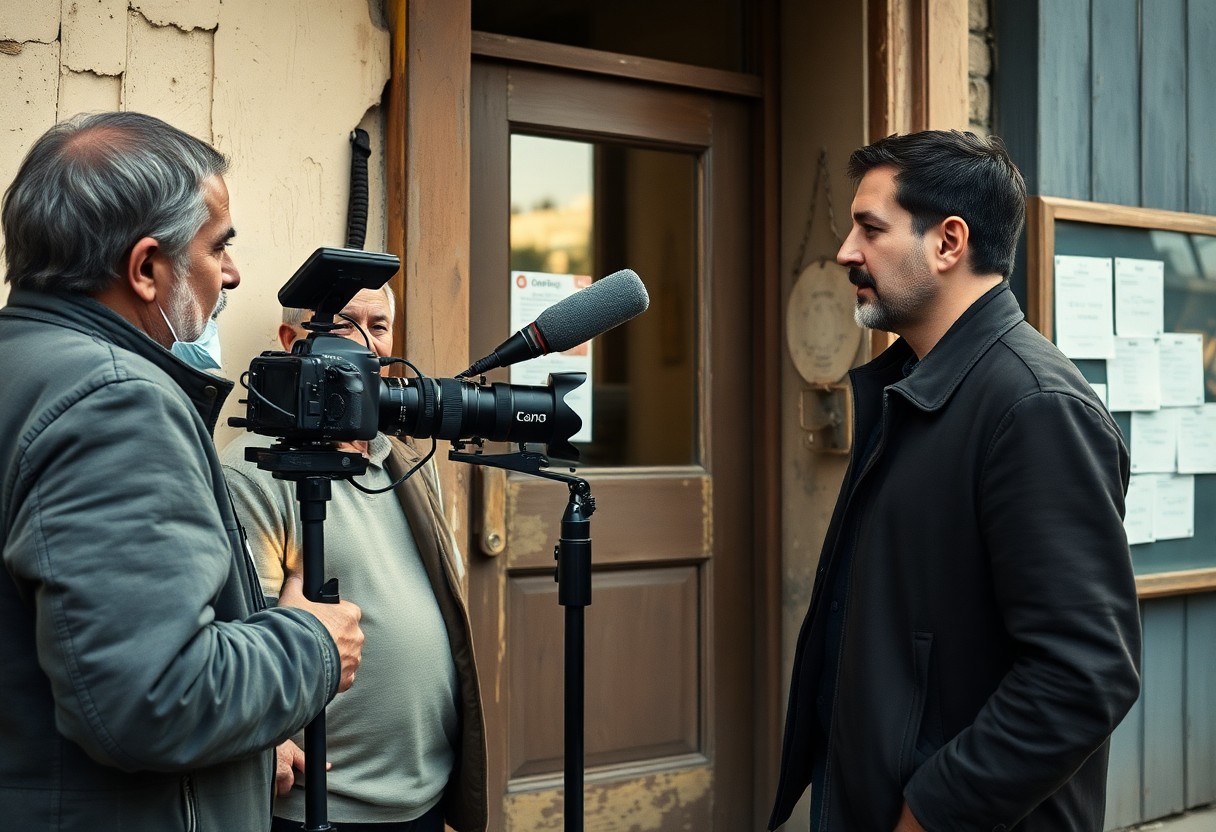
The Role of Independent Media in Covering Underreported Communities
Many mainstream outlets overlook communities facing systemic marginalization, leaving gaps in public awareness. You rely on independent media to bring these stories forward, often operating with limited resources but deep community ties. These outlets provide firsthand perspectives, challenge dominant narratives, and hold power to account where larger institutions fail.
The Corporate Veil
Corporate ownership shapes what stories gain visibility and which remain hidden. You’re often unaware of how editorial decisions align with profit motives rather than public interest. When media outlets answer to shareholders, underreported communities fade from view, their struggles deemed insufficiently marketable or too complex for mass consumption.
Commercial Interests and Selective Vision
Profit-driven models prioritize content that attracts advertisers, not marginalized voices. You see repeated coverage of sensational events while systemic issues in overlooked communities go unexamined. This selective vision isn’t accidental-it’s built into the economic framework of mainstream media, where audience size trumps depth of understanding.
The Homogenization of Public Discourse
Uniform narratives dominate when a few corporations control most outlets. You’re fed a narrow range of perspectives, limiting empathy for communities outside the mainstream. This flattening of discourse erases nuance, making it harder to recognize the lived realities of those already on the margins.
When ownership is concentrated, editorial risk diminishes. You notice how similar talking points circulate across platforms, reinforcing dominant ideologies while sidelining alternative worldviews. This repetition conditions audiences to see only certain problems as legitimate, leaving underreported communities without space to define their own stories or demand accountability.
The Independent Outpost
You operate outside the mainstream, unshackled by corporate timelines or editorial constraints. This outpost thrives on proximity, not prestige-built by journalists who live within the communities they cover. Distance from power centers becomes an advantage, allowing deeper trust and access to voices often dismissed by larger outlets.
Documenting the Unseen
You turn your lens toward what others overlook-daily rituals, quiet resilience, stories buried beneath headlines. These moments matter not because they’re dramatic, but because they reflect truth. Your camera, notebook, or microphone becomes a witness where silence once ruled.
Fact-Finding as a Form of Rebellion
You question official narratives not to provoke, but to reveal. When institutions ignore a community, collecting facts becomes resistance. Each verified detail challenges erasure and reclaims dignity. Truth-telling, in this context, is not neutral-it’s an act of alignment with the marginalized.
Fact-finding disrupts the monopoly on information. You don’t wait for permission to investigate; you knock on doors, verify testimonies, cross-reference records. In places where data is weaponized or withheld, your meticulous work exposes gaps in official accounts. This isn’t activism dressed as journalism-it’s journalism fulfilling its original duty under hostile conditions.
Structural Obstacles
Independent media often operates without the infrastructure that mainstream outlets take for granted. You face limited access to distribution networks, lack institutional backing, and must build credibility from scratch-all while trying to amplify voices that larger platforms ignore.
The Economic Struggle for Autonomy
Financial independence is hard to maintain when advertising revenue flows to major outlets. You rely on donations, grants, or volunteer labor, which can restrict your reach and make long-term planning difficult, especially when covering communities with little commercial appeal.
Censorship and Systematic Pressure
Authorities in many regions monitor or suppress independent reporting. You may face legal threats, online harassment, or even physical danger simply for documenting stories that challenge dominant narratives or expose injustice.
State-controlled media environments often weaponize licensing laws, internet shutdowns, or defamation charges to silence dissent. You learn to operate in gray zones-publishing under pseudonyms, using encrypted channels, or relying on diaspora networks to bypass restrictions. This constant pressure doesn’t just threaten individual journalists; it erodes public trust in truthful reporting over time.
The Digital Frontier
You operate in a space where access and visibility shape reality. The internet allows independent journalists to bypass traditional gatekeepers, reaching global audiences with stories that mainstream outlets overlook. This shift doesn’t just expand reach-it redefines who gets to tell the story.
Breaking the Monopoly of Information
You challenge dominant narratives simply by showing up where others don’t. When corporate media ignores marginalized communities, your reporting fills the silence. Your presence disrupts one-sided accounts and introduces perspectives shaped by lived experience, not editorial board agendas.
Direct Engagement with the Displaced
You speak with people, not just about them. By building trust with displaced communities, you capture stories in their own voices, preserving dignity and accuracy. This connection ensures coverage reflects real lives, not distant assumptions.
Engaging directly means listening at refugee camps, in informal settlements, or through encrypted messages when movement is restricted. You document testimonies that might otherwise vanish, verifying details without exploiting trauma. Your role becomes both witness and conduit, ensuring those pushed to the margins remain part of the public conversation. This intimacy with sources strengthens credibility and deepens impact.
The Moral Necessity
You bear a responsibility to those whose voices are absent from dominant narratives. When mainstream outlets overlook entire communities, independent media steps into the breach, not as a choice but as an ethical duty. You exist to correct imbalance, to witness what others ignore, and to affirm that every story holds weight.
Restoring the Human Element
People in underreported communities are too often reduced to statistics or stereotypes. You counter that by centering their lived experiences-showing faces, sharing names, honoring struggles. In doing so, you return dignity to those long rendered invisible by omission.
The Defense of Objective Reality
Truth becomes contested when power shapes perception. You uphold facts by documenting conditions as they are, not as they are framed. Your reporting resists distortion, offering clarity where misinformation thrives and ensuring marginalized realities are seen and verified.
When institutions downplay systemic neglect or sanitize hardship, your role shifts from observer to guardian of evidence. You document conditions on the ground with precision-names, dates, locations-because accuracy dismantles denial. In a world where narratives are weaponized, your commitment to verifiable detail ensures that reality cannot be erased by silence or spin.
To wrap up
Considering all points, you recognize that independent media holds power to spotlight communities often ignored by mainstream outlets. Your awareness grows when stories emerge from within, not just about, underrepresented groups. You see truth more clearly when diverse voices shape the narrative, challenge assumptions, and demand accountability.