Breaking Down the UNGA 2025 Theme – “Better Together” and Global Challenges

With the upcoming United Nations General Assembly (UNGA) 2025 theme of “Better Together,” you are invited to explore the significance of collaboration in confronting global challenges. As nations grapple with crises such as climate change, health pandemics, and social inequality, understanding how unity can enhance collective responses is necessary. This post will detail what the theme entails and how it encourages you to engage in international cooperation for a more sustainable future.

The Context of “Better Together”

The theme “Better Together” emphasizes the necessity of collaboration in addressing global issues that transcend national boundaries. This call for unity reflects an understanding that individual nations cannot tackle crises such as climate change, pandemics, and geopolitical instability in isolation. By fostering partnerships, nations can leverage shared resources, knowledge, and strengths to create a more resilient and equitable world.

Historical significance of the UNGA themes

UNGA themes have historically served as focal points, guiding international dialogue and action. From promoting peace and security to enhancing sustainable development, each theme encapsulates the prevailing global challenges of its time. Past themes have often spurred initiatives and frameworks that lead to significant advancements, highlighting the UNGA’s role as a catalyst for collaboration.

Current global landscape and its interconnected challenges

The current global landscape is characterized by a web of interconnected challenges including climate change, economic inequality, and geopolitical tensions. These issues do not exist in isolation; for instance, extreme weather impacts food security and drives migration, while rising inequality fuels social unrest. The interdependence of these challenges underscores the urgency for cooperative strategies that recognize and address their shared roots.

Data from the UN shows that climate change alone could displace 140 million people by 2050 due to its impact on weather patterns and water availability. Economic disparities have widened, with the World Bank reporting that 689 million people live on less than $1.90 a day, exacerbating social tensions globally. Furthermore, ongoing conflicts in places like Ukraine and Yemen illustrate how geopolitical strife can hinder global cooperation on pressing issues. Collectively, these challenges call for nations to embrace a synergistic approach, ultimately amplifying the significance of the “Better Together” theme for UNGA 2025.

Unpacking Global Challenges in 2025

In 2025, global challenges reflect a complex interplay of interconnected issues that require robust collective efforts. From worsening climate conditions to evolving health crises, the pressing need for unity and shared responsibility has never been clearer. The theme “Better Together” reinforces the idea that individual nations must come together to harness resources, knowledge, and strategies to mitigate these pressing challenges effectively.

Climate Change: Collective Action Imperatives

The escalating impact of climate change demands immediate collaborative action. Rising temperatures, extreme weather events, and biodiversity loss underscore the urgency for countries to unite in implementing sustainable practices and transitioning toward renewable energy sources. Collective frameworks like the Paris Agreement play a pivotal role, urging nations to set and achieve shared emissions targets to combat this global threat.

Global Health: Lessons from the Pandemic

The COVID-19 pandemic exposed vulnerabilities in health systems worldwide, highlighting the significance of global cooperation in health security. You witnessed firsthand how an interconnected approach to public health can accelerate vaccine development and distribution, as seen through COVAX. Moving forward, prioritizing equitable access to healthcare resources and fostering transparency in data sharing will be vital to prevent future health crises effectively.

Insights from the pandemic illustrate the necessity of preparedness and collective responsibility. During the crisis, countries that engaged in cooperative surveillance and coordinated responses improved their resilience against the virus. For instance, the rapid sharing of genomic data enabled scientists globally to track variants and adapt vaccines. As you consider future health strategies, fostering international partnerships in research, technology, and supply chains will ensure a robust framework to combat potential health emergencies, benefiting all nations involved.

Collaborative Solutions for Economic Resilience

Addressing economic challenges requires collective action that fosters resilience. Nations must come together to share best practices, resources, and funding strategies to rebuild and strengthen their economies. By focusing on joint initiatives, countries can create frameworks that promote sustainable development and ensure that growth is inclusive. The combined efforts in trade agreements, investment partnerships, and capacity building will not only hasten recovery but also prepare economies for future uncertainties.

Economies in Crisis: Shared Recovery Strategies

During times of economic turbulence, cooperative recovery strategies can mitigate the impact on vulnerable populations. By pooling resources and sharing data, countries can better understand the crisis’s scope and implement widespread safety nets. Initiatives such as joint fiscal policies or coordinated monetary actions can stabilize markets and prevent widespread unemployment, ultimately promoting a stronger, more united economic front.

Innovation through Partnership: Leveraging Technology

Technological advancements can fuel economic recovery when leveraged through international partnerships. Collaborating on innovations such as digital platforms for trade or shared research in sustainable practices enables countries to enhance productivity and efficiency. These partnerships can catalyze new business models and provide access to cutting-edge solutions that drive growth in various sectors.

For instance, the collaboration between countries on the development of green technologies has resulted in significant advancements, including the Shared Solar Energy Initiative, which demonstrates how resource-sharing can reduce costs and make renewable energy accessible to underserved communities. By fostering a culture of innovation through partnerships, countries not only address immediate economic challenges but also lay the groundwork for a sustainable and resilient future that capitalizes on collective ingenuity and technological expertise.

Cultural Diplomacy: Strengthening International Ties

Cultural diplomacy serves as a potent tool in building and reinforcing international relationships, fostering understanding through shared heritage and values. By promoting cultural exchanges, countries can enhance their soft power, which plays a substantial role in shaping global perceptions and mitigating tensions. Through collaboration in art, music, and educational initiatives, nations can cultivate mutual respect and collaboration, leading to sustainable partnerships that address global challenges.

The Role of Arts and Education in Unity

Arts and education form the bedrock of cultural diplomacy, offering platforms for dialogue and collaboration across borders. You can engage with diverse perspectives through art exhibitions, collaborative projects, and educational programs that highlight shared human experiences. Countries that prioritize artistic exchange witness increased intercultural understanding and a deeper connection among their citizens, paving the way for mutual respect and lasting cooperation.

Building Bridges: Addressing Misinformation and Disinformation

Combatting misinformation and disinformation requires robust cultural diplomacy, as informed citizens are more likely to engage positively in international dialogue. Through targeted educational initiatives and media literacy programs, you can empower communities to discern credible sources, fostering healthier public discourse and enhancing trust among nations. This proactive approach builds resilience against divisive narratives that threaten global unity.

Engaging in initiatives that address misinformation involves not just education but also establishing fact-checking networks that span multiple countries. Collaborative efforts, such as the UNESCO Global Partnership for Media and Information Literacy, empower individuals to critically evaluate information. You participate in bridging divides and strengthening connections by utilizing arts and shared cultural experiences to convey accurate narratives. Countries can create a more informed citizenry equipped to resist manipulation and foster international solidarity through these efforts.

Agenda for Action: The Role of Member States and Communities

Your actions at the local level can significantly influence global outcomes. Member States are called to establish frameworks that foster collaboration across communities, leveraging local knowledge and resources to tackle universal challenges. Through shared accountability and targeted efforts, you can align national policies with international objectives to create impactful solutions that resonate beyond borders.

Mobilizing Local Initiatives for Global Goals

You have the power to drive local initiatives that directly contribute to global targets. By empowering grassroots organizations and encouraging community participation, you facilitate innovative solutions tailored to specific contexts. Examples such as community-led sustainability projects and local educational programs show how grassroots movements can amplify global efforts, creating a ripple effect that enhances the pursuit of the Sustainable Development Goals.

The Importance of Inclusivity in Global Discussions

Your role in fostering inclusive dialogue ensures diverse perspectives are represented in global discussions. Engaging marginalized voices enables a fuller understanding of issues and leads to more comprehensive solutions. As you participate in these conversations, consider how inclusivity translates into policies that address the needs of the many, not just the few, making global governance more effective and equitable.

Inclusivity goes beyond merely allowing diverse voices into the conversation; it actively seeks to dismantle barriers that have historically marginalized certain groups. Involving women, youth, and indigenous communities can transform discussions, as their unique experiences and insights often highlight overlooked challenges and innovative solutions. Case studies demonstrate that when diverse stakeholders collaborate, outcomes are not only more equitable but also more sustainable, thus bridging gaps and fostering a sense of shared responsibility in achieving our collective goals.

Conclusion

With this in mind, engaging with the UNGA 2025 theme “Better Together” emphasizes the importance of collective action in addressing global challenges. You are encouraged to recognize that collaboration across nations and sectors is important for fostering resilient solutions to issues such as climate change, health crises, and inequality. By uniting your efforts with others, you contribute to a more sustainable and equitable future, reinforcing the idea that collective strength can drive positive change on a global scale.

Local Governments in the Spotlight During National Challenges

Challenges can often bring local governments into the forefront as they navigate complex issues that directly impact your community. Whether it’s a public health crisis, economic downturn, or social unrest, these governing bodies play a pivotal role in shaping the response and recovery efforts you experience firsthand. As you explore the dynamics of local leadership, you’ll gain insight into how your local officials are adapting to national challenges and the ways their decisions affect your everyday life.

Local Responses to National Crises

Your local government’s rapid response to national crises showcases its vital role in managing unforeseen challenges, ensuring your community’s safety, and maintaining important services. During events like natural disasters or public health emergencies, local authorities work tirelessly to implement emergency protocols, coordinate resources, and communicate effectively with residents. By engaging in targeted outreach and deploying resources, they play a fundamental role in sustaining local stability amidst national turmoil.

Emergency Management: The Role of Local Governments

Your local government serves as the frontline defense in emergency management, ensuring adequate resources are mobilized swiftly. From disaster preparedness plans to establishing communication contact points, local officials coordinate with various agencies, assessing risks and deploying community-specific solutions. Regular training exercises prepare these organizations for real-life incidents, thereby enhancing their capacity to safeguard lives and property during crises.

Grassroots Initiatives: Communities Rising to the Challenge

Local communities often display remarkable resilience through grassroots initiatives that complement government efforts, providing support networks and resources to those in need. These community-driven responses allow citizens to rally together, sharing resources, expertise, and compassion. You can find many neighborhoods organizing volunteer groups, mutual aid networks, and local campaigns that effectively address immediate needs and foster solidarity.

Grassroots initiatives have gained momentum in recent years, showcasing the power of collective action when faced with challenges. For example, during the COVID-19 pandemic, neighborhoods created mutual aid networks that pooled resources for grocery deliveries and important supplies, often organizing online platforms for connecting volunteers with those in need. Initiatives centered around food banks or community gardens provide not only nutritional assistance but also mental support through social interaction. Your engagement in these local movements amplifies community strengths and inspires resilience, reminding everyone that collaborative efforts can make a significant impact during even the most daunting times.

Financial Strain and Resource Allocation

Facing national challenges often puts local governments under significant financial strain, requiring careful consideration of resource allocation. As you navigate complex situations, balancing the need for immediate support with fiscal responsibility can become a daunting task. Shortfalls in revenue may hinder your ability to provide important services, leading to a ripple effect across the community that affects everything from public health to infrastructure maintenance.

Budgetary Constraints: Navigating Fiscal Limitations

As budgetary constraints tighten, your local government must prioritize spending to ensure that critical services remain intact while exploring alternative funding streams. Limited resources can create tough decisions, forcing you to weigh each expenditure’s long-term benefits against immediate community needs. This often leads to difficult discussions around service cuts or reallocating funds, emphasizing the necessity of strategic planning and informed decision-making.

Funding Solutions: Innovative Partnerships and Grants

Exploring innovative partnerships and grants can provide relief from tight budgets and enhance your local government’s resource pool. Collaborating with non-profits and private companies offers avenues for shared funding, while grant opportunities may alleviate pressure on your budget. By venturing beyond traditional funding sources, you can support diverse initiatives that directly benefit your community.

Building effective partnerships requires a proactive approach to relationship development. For instance, local governments can team up with organizations such as the Community Foundation or regional health initiatives focused on specific challenges like housing or public health. This collaboration often leads to shared grants, enabling your community to access funding that might be unavailable otherwise. By diversifying your funding sources and leveraging community connections, you can effectively tackle pressing issues and support local resilience amidst national challenges.

Public Health and Safety: Local Governments at the Forefront

Your local government plays a pivotal role in maintaining public health and safety. During widespread challenges, such as natural disasters or health crises, it acts swiftly to mobilize resources, provide accurate information, and support vulnerable populations. By coordinating with local health departments and emergency services, these governments ensure community resilience, readiness, and recovery, all while addressing unique local needs.

Pandemic Preparedness: Lessons from Recent Outbreaks

Local governments have gained invaluable insights from recent health crises, such as the COVID-19 pandemic. Preparedness plans are being revamped based on firsthand experiences, emphasizing the importance of rapid testing, vaccine accessibility, and clear communication. These lessons highlight the necessity for robust health systems that can respond effectively, preventing overwhelming local resources during future outbreaks.

Mental Health Services: Expanding Access in Times of Crisis

Mental health services have become a focal point for local governments during crises. The rise in stress, anxiety, and depression, exacerbated by challenges such as the pandemic, has prompted communities to prioritize mental health initiatives, ensuring access to counseling and support services for all residents.

Addressing mental health access involves expanding telehealth options, increasing funding for community mental health programs, and training local professionals in crisis intervention. With a significant percentage of adults reporting anxiety or depressive symptoms during recent national challenges, local governments are striving to eliminate barriers to treatment. Initiatives like pop-up clinics, hotlines, and community workshops serve to create a supportive environment, encouraging those in need to seek help and fostering resilience in the face of adversity. Providing targeted mental health resources not only supports individual well-being but also strengthens community cohesion during trying times.

The Digital Shift: Technology Adoption in Local Governance

Your local government is increasingly embracing technology to improve operations and services. With the rise of digital tools, decision-makers have the opportunity to streamline processes, enhance data management, and connect with citizens in innovative ways. This shift not only promotes efficiency but also transforms the relationship between government and the community as digital interactions become more prevalent.

E-Government: Enhancing Citizen Engagement through Digital Platforms

You can see the impact of e-government as online platforms facilitate smoother communication between local officials and residents. Virtual town halls, social media updates, and citizen feedback surveys allow you to engage in the decision-making process directly. This digital engagement fosters transparency and creates a sense of community, enabling you to voice your opinions and concerns like never before.

Cybersecurity Challenges: Protecting Local Infrastructure

Your local government faces significant cybersecurity challenges as it embraces digital tools. Protecting sensitive data and ensuring the integrity of online services is paramount. Cyber threats can jeopardize not just internal operations but also the trust and safety of the community you belong to.

Community Resilience and Long-Term Planning

By fostering community resilience, local governments are not only addressing immediate challenges but are also setting the stage for long-term sustainability. Initiatives such as engaging local stakeholders in planning processes and cultivating neighborhood networks can enhance collaboration. You may find that these efforts create stronger bonds among residents, empowering communities to better withstand crises while planning for future growth and adaptation.

Evacuation Plans and Disaster Recovery: Building Stronger Frameworks

Your local government is focused on refining evacuation plans and disaster recovery frameworks, ensuring that they are robust and easily navigable. Recent assessments have revealed that well-structured communication strategies and practice drills can significantly improve response rates during emergencies. For example, investing in real-time alert systems allows you to receive critical information quickly, enhancing safety measures for your community.

Sustainability Efforts: Preparing for Future Challenges

Driving sustainability efforts can help your community prepare for future challenges and environmental shifts. Local governments are prioritizing renewable energy initiatives, green infrastructure projects, and sustainable land use policies. Through incentives for energy-efficient buildings and public transit improvements, you can reduce your community’s carbon footprint while fostering economic growth. The transition to sustainability not only benefits the environment but also instills a sense of shared responsibility among residents.

Exploring sustainability efforts further, your local government may implement initiatives such as community gardens or urban forestry programs that enhance biodiversity and promote local food production. By integrating clean energy sources, like solar and wind, into public facilities, immediate cost savings can be achieved while paving the way for durable, eco-friendly infrastructure. You might also witness enhanced public awareness campaigns encouraging recycling and conservation practices, positioning your community as a leader in resilience and sustainability for the future.

Conclusion

With these considerations, you can see how local governments play a vital role during national challenges. Their ability to respond rapidly to community needs and local circumstances makes them important in times of crisis. As you observe the landscape of governance, keep in mind that your local leaders are often the first line of defense, impacting your daily life directly. Engaging with and understanding your local government can empower you and your community, ensuring that your voice is heard in decisions that affect you.

Human Rights in the 21st Century – Progress and Challenges

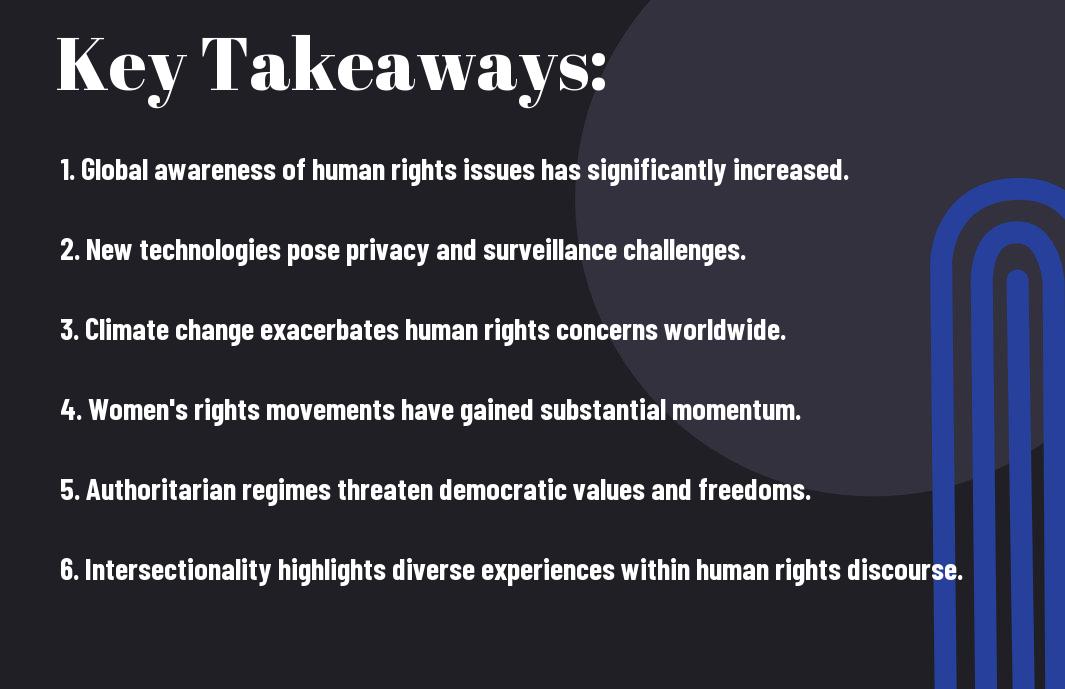
With rapid advancements and ongoing struggles, understanding human rights in the 21st century is imperative for you as a global citizen. You face a world where significant strides have been made in various areas, yet alarming challenges remain, affecting millions. This post will explore the achievements that have shaped modern human rights, the obstacles that threaten them, and the role you can play in promoting respect and equality for all individuals. Dive in to discover the complexities of this vital subject and how it impacts your life and community.

Historical Context

The journey of human rights has roots that trace back centuries, evolving through social, political, and cultural transformations. You may see that significant milestones have shaped the way societies view individual freedoms and protections. As you explore these developments, understanding their historical context provides a clearer perspective on the challenges and advancements in the domain of human rights today.

Evolution of Human Rights

Above all, the evolution of human rights can be understood as a response to the injustices that individuals have faced throughout history. From ancient codes of law to Enlightenment ideals, you will observe how the concept of human rights emerged to safeguard dignity across cultures and time periods.

Milestones in the 20th Century

Before the 20th century, human rights were largely unrecognized or ignored in many parts of the world. The emergence of international frameworks and documents laid the groundwork for a universal understanding of human rights that you can observe today.

Even as you examine deeper into the milestones of the 20th century, you will find pivotal events that altered the course of human rights activism. The adoption of the Universal Declaration of Human Rights in 1948 marked a momentous point in history, solidifying the belief that everyone is entitled to fundamental rights regardless of their background. Additionally, the civil rights movements and the establishment of international courts highlight your society’s efforts to uphold these principles, addressing injustices that have persisted. As you navigate these milestones, consider how they continue to influence current human rights struggles and advancements around the globe.

Current Progress in Human Rights

While the journey toward universal human rights is ongoing, notable advancements have been made in various areas. You can witness the collective efforts of nations and organizations striving to promote and protect fundamental rights for all individuals. Grassroots movements have increasingly influenced policy changes, emphasizing the importance of both local and international advocacy in fostering positive developments in human rights standards.

Global Treaties and Agreements

At the international level, numerous treaties and agreements continue to shape the human rights landscape. You benefit from these frameworks, as they establish legally binding commitments that encourage countries to adhere to human rights principles. Through platforms like the United Nations, nations collaborate to address issues like discrimination, torture, and human trafficking, hosting discussions that drive improvements in global accountability.

Advances in Civil Rights and Freedoms

Against a backdrop of historical inequalities, significant strides have been made to enhance civil rights and freedoms worldwide. You may not be aware, but social movements advocating for gender equality, LGBTQ+ rights, and racial justice have gained momentum, leading to legislative reforms and increased awareness. These changes reflect a broader societal recognition of the importance of inclusion and representation in fostering a more equitable and just world.

In fact, the growing visibility of diverse voices in political, social, and economic arenas has contributed to remarkable civil rights achievements. You can observe how legal protections for marginalized groups have expanded, allowing you to advocate for your rights and those of others more effectively. These advances also inspire and empower future generations to stand against discrimination, ensuring that the fight for equality remains a priority as we progress through the 21st century.

Major Challenges Faced

All around the world, human rights are under siege as new and pervasive challenges emerge. From government crackdowns to social inequities, you face a landscape where advocacy and awareness are more important than ever. In this context, understanding the major obstacles is crucial for fostering a culture of respect for rights and freedoms.

Authoritarian Regimes and Repression

Alongside an expanding global focus on human rights, you may notice a worrying trend as authoritarian regimes tighten their grip on power. These governments often employ censorship, surveillance, and violence to silence dissent, impeding your ability to express your views freely or challenge injustice.

Discrimination and Inequality

Behind the facade of progress, issues of discrimination and inequality continue to plague societies across the globe. You might find that marginalized groups, including ethnic minorities and LGBTQ+ individuals, still face systemic barriers that undermine their fundamental rights and opportunities.

Challenges related to discrimination and inequality are pervasive and multifaceted. In your community, you may see that access to education, healthcare, and employment often depends on your race, gender, or socioeconomic background. Such disparities not only hinder personal potential but perpetuate cycles of poverty and disenfranchisement, calling for a concerted effort towards equality and social justice.

The Role of Technology

Unlike previous centuries, technology plays an integral role in shaping human rights discourse today. It serves both as a tool for advocacy and a potential source of abuse. You can harness technology to raise awareness, mobilize support, and document violations, but it also presents challenges that can undermine personal freedoms.

Human Rights in the Digital Age

Around the world, technology has transformed how you engage with and understand human rights. The internet allows for unprecedented access to information, enabling you to stay informed and connected. However, this digital landscape also presents new hurdles, especially regarding the way rights are protected and violated in online spaces.

Surveillance and Privacy Concerns

On the other hand, the proliferation of technology has led to significant surveillance and privacy concerns that directly impact your rights. Governments and corporations increasingly gather vast amounts of personal data, often without your consent. This trend raises important ethical and legal questions about who controls this data and how it is used against you.

A growing body of evidence indicates that excessive surveillance invades your privacy and erodes trust within your communities. As you navigate the digital landscape, you must be aware of the potential implications of your data being monitored. Strengthening your privacy rights and holding governments and companies accountable are necessary steps in ensuring that your personal freedoms are respected and upheld in a technology-driven world.

Activism and Advocacy

Your involvement in activism and advocacy plays a vital role in advancing human rights in the 21st century. With many pressing issues affecting marginalized communities globally, you can contribute toward positive change by raising awareness, volunteering, and supporting grassroots organizations. Whether through participation in campaigns or educational efforts, your voice can amplify the call for justice and equality in your community and beyond.

Grassroots Movements

Below the surface of widely publicized campaigns, grassroots movements focus on community-level engagement, empowering individuals to enact change. These initiatives thrive on local knowledge and collective effort, often bringing together diverse groups united by a common cause. By supporting or joining these movements, you can help mobilize support for key issues and uplift marginalized voices in the fight for human rights.

The Impact of Social Media

Behind the scenes, social media has transformed how advocacy is conducted in the modern age. Platforms like Twitter, Facebook, and Instagram allow you to share information instantaneously, rallying support for human rights causes worldwide. These tools enable grassroots organizations to reach wider audiences and create a sense of urgency around pressing issues.

And as you engage with social media, it’s imperative to recognize its power in elevating marginalized voices and spreading awareness about human rights violations. Campaigns can go viral, inspiring collective action and drawing attention from mainstream media. However, with this reach comes the responsibility to verify information and contribute positively to discussions, ensuring that online activism translates into tangible results for those who need it most.

Future Directions

To effectively navigate the evolving landscape of human rights in the 21st century, you must stay informed about emerging trends and challenges. Advocacy efforts need to adapt to address digital privacy, environmental justice, and intersectionality while ensuring that your voice contributes to a more equitable society. The pursuit of human rights will require not just awareness, but also active participation and commitment from individuals like you.

Emerging Issues

Across the globe, new human rights issues are surfacing, driven by technological advancements, climate change, and shifting social dynamics. You may find that topics such as digital surveillance, artificial intelligence ethics, and the rights of marginalized communities demand greater attention. Engaging with these issues now can help shape a future where human dignity remains a priority.

The Role of Global Cooperation

Below the surface of national efforts lies the necessary role of global cooperation in promoting and protecting human rights. Collaborative frameworks created by countries, organizations, and individuals can amplify your efforts and create a stronger foundation for universal human rights protection.

This type of cooperation not only facilitates the sharing of resources and best practices but also strengthens collective accountability among nations. By working together on international agreements and initiatives, you can contribute to a more stable global environment where human rights can thrive. Engaging in dialogue and partnership empowers your advocacy, connecting you with like-minded individuals and organizations dedicated to promoting human dignity worldwide.

To wrap up

Following this exploration of human rights in the 21st century, you might recognize the significant progress made in various areas, such as gender equality and digital rights. However, you should also be aware of the persistent challenges, including systemic discrimination and the impact of conflicts on vulnerable populations. It is important for you to stay informed and engaged, advocating for the protection and advancement of human rights globally, as each individual’s efforts can contribute to a more equitable future for all.

How Are State Budgets Adapting To The Demands Of Modern Educational Challenges?

There’s a growing need for state budgets to evolve in response to the complexities of today’s educational landscape. As you navigate the shifting priorities in education, understanding how your state allocates resources can shed light on the challenges and opportunities facing schools. Budgetary decisions impact everything from technology integration and teacher recruitment to mental health support for students. By examining these adaptations, you can better grasp the efforts being made to ensure that education meets the needs of every learner in an increasingly dynamic world.

Understanding Modern Educational Challenges

The landscape of education is undergoing significant transformation, driven by a myriad of modern challenges that demand adaptability from state budgets. From technological innovations to evolving societal needs, you must recognize the importance of addressing these factors to ensure effective educational systems. The pressure to enhance student outcomes, promote equity, and prepare learners for the future necessitates a strategic approach in resource allocation and policy formulation.

Technological Advancements

At the heart of modern educational challenges is the rapid pace of technological advancements. You must navigate the integration of digital tools and resources into classrooms, fostering an environment where students can thrive in a tech-driven world. This includes investing in infrastructure, training educators, and ensuring equitable access to technology for all learners.

Changing Demographics

At the same time, the changing demographics of student populations present new hurdles for state budgets. You are likely dealing with diverse cultural, linguistic, and socioeconomic backgrounds, which require tailored approaches to education. As the student body becomes more varied, understanding and addressing these differences are vital for creating inclusive and effective learning environments.

And as demographic shifts continue, you will need to adapt educational resources and methodologies to meet the unique needs of your students. This includes offering specialized programs, additional support services, and fostering a culturally responsive curriculum. By addressing these demographic changes proactively, you can enhance student engagement and achievement while ensuring that every learner has the opportunity to succeed in a dynamic educational landscape.

State Budgeting Frameworks

Assuming you are aware of the challenges faced by modern education systems, it’s vital to understand how state budgeting frameworks are evolving to address these issues. Many experts argue that public education funding in the U.S. needs an overhaul, which reflects in the budget allocation processes across states. These frameworks are being reevaluated to ensure funds are directed toward emerging educational needs and to improve equity and access for all students.

Revenue Sources

By examining the various revenue sources, you can see that state budgets rely heavily on taxes, including income, sales, and property taxes, to fund education. The proportion of funding from these sources can greatly influence the amount allocated to schools and the services they provide to meet modern demands.

Expenditure Patterns

Above all, expenditure patterns in state budgets are shifting to prioritize innovative educational programs, technology integration, and mental health resources in schools. This trend indicates that states are adapting to the needs of a fast-changing educational landscape.

Due to the increasing complexities of educational demands, states are rethinking their expenditure patterns. You may notice that budgets now allocate more resources towards teacher training, digital infrastructure, and supportive services for students to ensure a well-rounded educational experience. This shift is designed to enhance overall student outcomes, as states aim to create learning environments that are both effective and inclusive.

Strategies for Adaptation

One effective approach to adapting state budgets involves identifying and implementing innovative strategies that address modern educational challenges. These methods focus on maximizing resources while ensuring equitable access to quality education. By re-evaluating expenditure priorities and embracing progressive funding models, you can help your state meet the evolving demands of schools and their communities.

Prioritizing Digital Infrastructure

Among the most significant adaptations in state budgets is the emphasis on prioritizing digital infrastructure. As education increasingly incorporates technology, you should advocate for enhanced broadband access, improved cybersecurity measures, and updated educational software. This investment not only supports remote learning but also empowers educators and students to engage with modern educational tools effectively.

Fostering Inclusivity and Access

Below the surface of adapting state budgets lies a commitment to fostering inclusivity and access in education. This means addressing systemic barriers that hinder participation from marginalized groups. As you explore adaptations to budgetary allocations, consider approaches that ensure education is equitable and accessible to all students, regardless of their backgrounds or abilities.

Considering the diverse needs of your community, fostering inclusivity and access in education involves proactive measures. This may include funding programs that support special education, bilingual services, and resources for low-income families. By prioritizing these areas in your state’s budget, you can create a more equitable educational landscape, ensuring that every student has the opportunity to thrive. Engaging with stakeholders and community organizations can further enhance these efforts, leading to more comprehensive solutions tailored to your region’s unique challenges.

Case Studies of Adaptive Budgets

Notably, several states have effectively adapted their budgets to meet modern educational demands. Here are some key examples:

  • California: Allocated $5 billion for universal preschool access by 2025.
  • Texas: Increased funding for mental health programs in schools by 30%, impacting over 1 million students.
  • Florida: Invested $500 million in technology upgrades to enhance remote learning capabilities.
  • New York: Dedicated $2 billion to address disparities in educational resources across urban and rural districts.
  • Illinois: Expanded the budget for vocational training programs by 40%, serving over 40,000 students annually.

Successful State Models

Against the backdrop of evolving educational needs, some states have pioneered successful budget strategies. For example, Virginia’s recent allocation of $350 million towards teacher salaries and professional development has resulted in improved student performance metrics. Similarly, Massachusetts has embraced a collaborative funding approach, pooling resources for shared educational services across districts, benefitting students with more comprehensive programs.

Lessons Learned from Failures

Models that have failed to adapt often highlight the pitfalls of static budgeting approaches. Initiatives in states like Michigan saw budget cuts resulting in a 15% drop in educational satisfaction scores, prompting a reevaluation of funding priorities. In contrast, New Jersey’s temporary cessation of arts education funding led to protests and a subsequent uptick in budget allocations aimed at preserving diverse curricula.

In fact, these failures underscore the importance of flexibility in budgeting. States that have rigid financial frameworks risk alienating students and educators, leading to adverse educational outcomes. By analyzing past shortcomings, you can understand the necessity for ongoing adaptation and the incorporation of stakeholder feedback into financial planning. This iterative process will enable your state to better navigate the complexities of educational challenges moving forward.

Stakeholder Involvement

Many states recognize that collaboration among stakeholders is key to adapting budgets effectively to educational demands. Engaging with diverse groups ensures that state budgets align with the needs of students, teachers, and local communities. For more insights into how these interactions shape financial planning, refer to the State Budgets Basics.

Role of Educators and Administrators

Across the educational landscape, educators and administrators play a pivotal role in identifying challenges and recommending resource allocation. Their frontline experience grants them a unique perspective on what strategies succeed and what areas require more support, helping to shape sound financial decisions.

Community Engagement and Feedback

Educators often emphasize the importance of community involvement in shaping educational policies. Community engagement is not just about gathering opinions; it’s about building a partnership that fosters mutual understanding and support for educational initiatives.

It is important to create systems for continuous feedback from the community, enabling you to track the effectiveness of educational spending and identify areas for improvement. By fostering open lines of communication, you empower families and community members to contribute to discussions around budgeting priorities. This collaborative approach helps ensure that educational objectives align with community values and needs, ultimately enhancing educational outcomes for all students.

Future Trends in State Budgets for Education

Unlike previous years, state budgets for education are now being reshaped to address contemporary challenges such as technology integration and mental health support. According to COVID-19 and State Education Budgets: The Story Behind …, the pandemic has highlighted the need for adaptive funding models that promote resilience and innovation in educational settings.

Predicting Future Needs

The ability to anticipate future educational needs will become increasingly important as society evolves. This involves staying informed about emerging trends, such as the growing emphasis on online learning and the need for mental health resources, ensuring that budget allocations align with what your students truly require to thrive.

The Impact of Legislative Changes

After legislative changes have taken place, they can significantly reshape the landscape of education funding. New policies can direct state resources toward critical areas, but you must stay aware of these changes to understand how they affect your local budget and priorities.

Future educational funding will be influenced heavily by policy shifts that reflect societal needs and values. As new legislation is enacted, specific initiatives, such as funding for STEM education or teacher training programs, will gain priority. Staying engaged with your lawmakers and understanding their goals will help you adapt and advocate most effectively for the resources your educational community needs.

Final Words

So, as you explore how state budgets are adapting to meet modern educational challenges, it’s clear that funding strategies are evolving to prioritize innovation, equity, and technology integration. Your understanding of these shifts can empower you to advocate for effective resource allocation that enhances educational outcomes. By examining budget adjustments and their impacts on policy and practice, you can become an informed participant in the ongoing dialogue about the future of education in your community.