How La Niña’s Return Could Impact Global Weather and Food Security
It’s vital for you to understand how La Niña’s return can influence global weather patterns and food security. This climate phenomenon, characterized by cooler ocean temperatures in the Pacific, can lead to significant shifts in precipitation and temperature across various regions. As these changes unfold, they may directly affect crop yields and food availability, impacting your daily life and the global economy. By staying informed about La Niña’s implications, you can better prepare for potential challenges in agriculture and food supply.

The Mechanisms of La Niña: A Weather Phenomenon Revisited
The Ocean-Atmosphere Interaction
La Niña manifests through complex interactions between the ocean and atmosphere, primarily over the central and eastern Pacific. Cooler surface waters in this region lead to increased trade winds, bolstering convection activity in the western Pacific. This disruption in normal patterns significantly alters weather systems worldwide, impacting temperature and precipitation in various regions.
Historical Patterns and Climate Consequences
Patterns of La Niña have historically generated shifts in climate dynamics, often resulting in extreme weather events across the globe. During La Niña years, the United States typically experiences wetter conditions in the Pacific Northwest and dryer conditions in the southern states, while regions like East Africa may face severe droughts. Such variability can disrupt agricultural productivity and exacerbate food insecurity.
Between the late 20th century and early 21st century, significant La Niña events were recorded in 1988-1989 and 2010-2012, coinciding with notable climate anomalies. For example, the 1988-1989 event contributed to a harsh winter in North America and severe flooding in Australia, while the 2010-2012 episodes led to record droughts in the southern United States and extreme rainfall in East Africa. These historical events underline the potential for La Niña to trigger widespread disruptions across agricultural and ecological systems worldwide. Understanding these patterns is vital for preparing for future occurrences and mitigating their impacts on food security.
La Niña’s Role in Global Weather Patterns: Navigating Sudden Changes
You will find that La Niña significantly alters global weather patterns, often leading to abrupt shifts in temperature and precipitation. These changes can manifest as intensified monsoon seasons in Asia, colder winters in the northern United States, and prolonged droughts in regions like Australia. Understanding La Niña’s impacts allows you to better prepare for these variabilities, especially concerning agriculture and water resources.
Regional Impacts: Rainfall, Droughts, and Temperature Extremes
Your region’s specific climatic response to La Niña varies widely, from increased rainfall to severe drought conditions. This variability can disrupt agricultural cycles, threaten water supplies, and create challenges for food security.
| Region | Impact |
|---|---|
| North America | Colder winters, wetter conditions in the northwest |
| Australia | Extended drought periods |
| Asia | Intensified monsoon seasons |
Predictable Surprises: How Experts Forecast the Unforeseen
You may wonder how meteorologists predict the unpredictable aspects of La Niña. Advanced computer models and historical data analysis play critical roles in forecasting these events, though they still present challenges. The dynamic nature of the atmosphere means that unexpected outcomes can arise, leading to forecasts that may require adjustment.
Experts utilize a combination of satellite data, ocean buoys, and climate models to predict La Niña’s onset and developments. While models can indicate potential rainfall or temperature shifts, the inherent complexities mean that accurate forecasting continues to be a work in progress. Events can sometimes unfold counter to predictions, underscoring the need for regional adaptability and ongoing research to refine understanding of these phenomena.
Agricultural Vulnerability: How Crop Production Faces Off Against La Niña
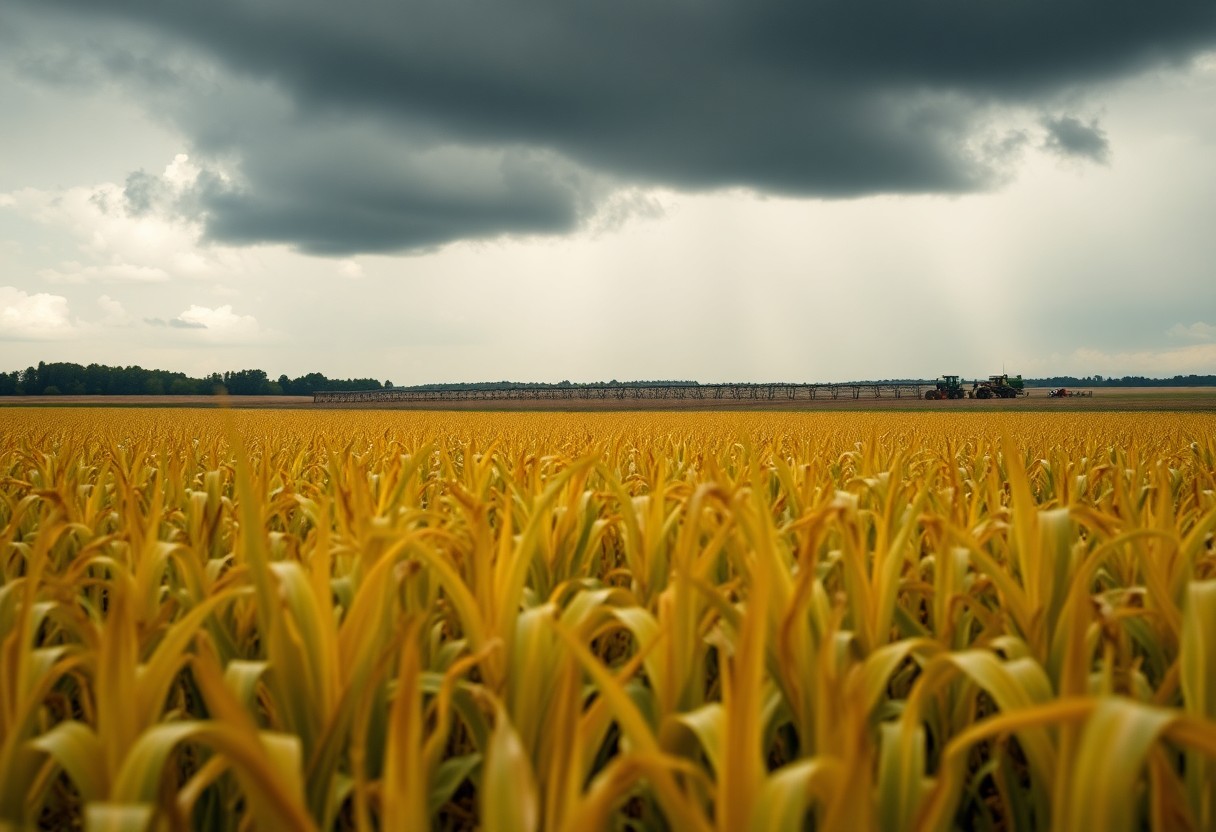
La Niña’s conditions can severely disrupt agricultural production by altering precipitation patterns and temperature ranges. Farmers may experience prolonged droughts in some regions, while others face excessive rainfall and flooding. These changes impact planting schedules, crop yields, and ultimately food security, making it imperative to understand the vulnerabilities in agroecosystems worldwide.
Key Crops at Risk: Where Threats to Food Security Lie
Crops such as wheat, corn, and rice are particularly susceptible to La Niña’s effects. For instance, countries like India could see a reversal of monsoon patterns affecting rice production, while U.S. corn farmers may struggle with drier-than-normal conditions. The economic ramifications ripple through global markets, threatening food supply chains and heightening prices for consumers.
Regional Disparities: A Global Perspective on Agricultural Resilience
Regional disparities in agricultural resilience to La Niña significantly affect how different provinces withstand climatic shifts. Areas with advanced irrigation systems and diversified cropping methods can better mitigate risks than those reliant on traditional farming practices. Countries in Sub-Saharan Africa often lack the resources to adapt, making them more vulnerable to food shortages during La Niña phases.
For example, in East Africa, nations like Ethiopia and Kenya, which depend heavily on rain-fed agriculture, face existential threats from La Niña-induced droughts. Conversely, countries like the United States benefit from technological advancements, allowing farmers to implement precision agriculture strategies that enhance yields despite climatic uncertainty. These foundational differences in agricultural infrastructure and access to resources create pronounced vulnerabilities and advantages, ultimately influencing global food security in varying degrees across the world. A comprehensive understanding of these disparities can guide policy-making to improve resilience where it is most needed.
Economic Ripple Effects: The Broader Impact on Food Prices and Trade
The resurgence of La Niña can create significant economic challenges, particularly in food pricing and international trade. As agricultural yields fluctuate due to adverse weather conditions, supply becomes constrained, prompting price increases. This situation not only places pressure on consumers but may disrupt global trade patterns as importing countries scramble for stable food sources, ultimately affecting food security worldwide.
Price Volatility: Understanding the Dynamics of Supply and Demand
Fluctuations in supply due to La Niña can lead to heightened price volatility in important food commodities. As droughts or excessive rainfall disrupt harvests, the reduced availability forces you to pay more for staples like grains and vegetables, as demand remains constant or increases in response to fears of shortages. This unpredictable pricing environment complicates budgeting for families and businesses alike.
Trade Routes and Policies: Navigating a Changing Global Market
The reconfiguration of global trade routes and policies emerges as a direct response to La Niña’s impact on agricultural production. Countries affected by extreme weather may impose export restrictions to safeguard domestic food supplies, complicating international trade agreements. This protectionism can result in supply shortages for importing nations, compelling you to adapt to changing sourcing dynamics and potentially inflated prices.
Anticipated shifts in trade policies could lead you to see countries prioritizing self-sufficiency over global sourcing. For example, nations may implement tariffs on agricultural imports to protect local farmers or establish strategic reserves in anticipation of future disruptions. Additionally, existing trade routes may become less reliable, prompting you to explore alternative suppliers or regions. The evolving landscape will require agility as you navigate market changes influenced by La Niña’s wide-ranging effects.
Adaptive Strategies: Mitigating La Niña’s Impact on Food Security
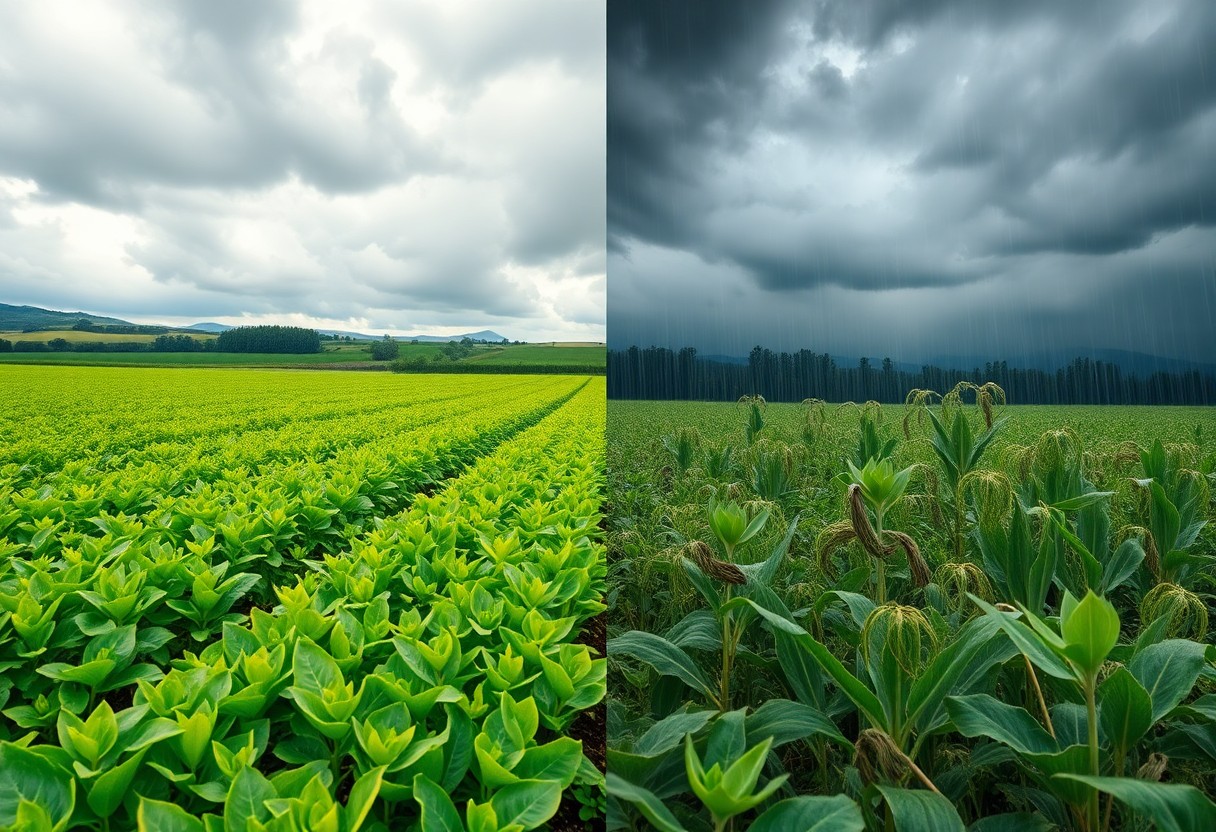
Integrating adaptive strategies is necessary for enhancing food security amidst the challenges posed by La Niña. Farmers can diversify crops and adopt drought-resistant varieties, tailoring their practices to local conditions. Implementing water management techniques, such as rainwater harvesting and improved irrigation systems, can further bolster resilience against erratic precipitation patterns. Strengthening community networks and information sharing about best practices empowers farmers, allowing them to navigate the uncertainties of a changing climate effectively.
Innovations in Farming: Resilient Practices for a Changing Climate
Employing innovative farming practices is vital to withstand La Niña’s unpredictability. Techniques like agroforestry and crop rotation not only enhance biodiversity but also improve soil health and moisture retention. Utilizing precision agriculture technologies enables you to optimize resource use, reducing waste while increasing yields. Additionally, integrating corrective measures such as mulching and cover cropping can protect against soil erosion and nutrient depletion, ensuring longevity and productivity in crops even during extreme weather events.
Policy Recommendations: Government and Global Coordination
Effective policy recommendations are necessary to address the implications of La Niña on food security. Governments must enhance investment in agricultural research, focusing on climate-resilient crops and sustainable practices. Global coordination is needed to facilitate information sharing and resource allocation, ensuring that vulnerable regions receive timely support. Strengthening food supply chains through infrastructure improvements can mitigate the impact of weather-induced disruptions, while financial safety nets can protect farmers during adverse conditions.
Government policies should include establishing early warning systems for adverse weather, enabling farmers to make informed decisions. Collaborating with international organizations will enhance data collection and dissemination, fostering a unified response to La Niña events. Investments in education and training programs for farmers encourage the adoption of innovative practices tailored to local climates, promoting resilience. You will benefit from policies that prioritize sustainable agriculture, thereby ensuring food security in the face of inevitable climate challenges.
Summing up
Hence, as La Niña returns, you may experience significant changes in global weather patterns that can affect your local climate and agricultural output. Its impact on precipitation and temperature extremes can lead to droughts in some regions and flooding in others, ultimately threatening food security. By staying informed about these developments, you can better prepare for potential challenges in food availability and prices in your area.